
If you’re a backyard farmer or an avid poultry enthusiast, chances are you’ve come across the gentle giant known as the Cochin chicken. Originating from China, these stunning birds have gained popularity worldwide for their majestic appearance and charming personalities. But beyond their beauty lies a rich history and unique characteristics that set them apart from other breeds. Whether you’re looking to raise Cochins as pets or manage them within your hobby flock, understanding their specific needs and requirements is crucial.
In this comprehensive guide, we’ll delve into the origins, characteristics, and care requirements of Cochins chickens. From breeding and showing tips to practical advice on managing these birds in a backyard setting, our expert insights will help you make informed decisions about incorporating Cochins into your flock.
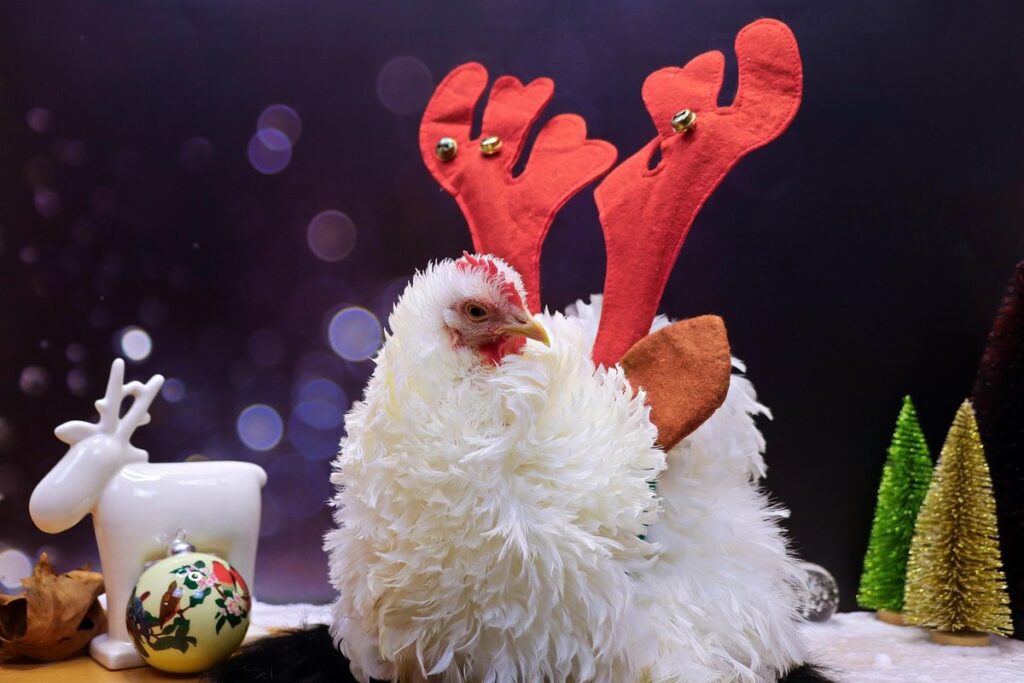
History and Origin of Cochins
Let’s take a step back in time and explore how these beautiful birds originated, from their ancient roots to their introduction into modern backyard flocks.
Early Origins in China
The origins of the majestic Cochin chicken date back to ancient China, where they were highly prized for their stunning appearance and gentle nature. These magnificent birds were known as “Yunnan” or “Shahi” chickens in China, and were often kept by royalty and nobility due to their exceptional beauty.
As trade routes expanded between China and Europe during the Middle Ages, Cochins were introduced to European markets through merchant ships and traders. They quickly gained popularity among breeders and enthusiasts, who were captivated by their distinctive plumage and friendly demeanor.
A significant milestone in the history of Cochins occurred in 1845, when they were exhibited at the Great Exhibition in London. This exposure helped to further establish their reputation as a prized breed, and soon they became a staple of European poultry shows and exhibitions. Today, Cochins remain one of the most beloved breeds among chicken enthusiasts worldwide, cherished for their striking appearance, gentle nature, and rich history.
Evolution into a Popular Breed
As the popularity of Cochins continued to grow, breeders began to emphasize their unique characteristics. One of the key factors that contributed to their widespread acceptance was their exceptional docility and friendly nature. Breeders like William Cook and John Hogg were instrumental in promoting these traits, and their efforts paid off when Cochins won several awards at exhibitions.
In 1906, a rooster named “Cochin China” took home the prize for Best Light-Breasted Cockerel at the National Show in London. This achievement marked a significant milestone in the breed’s evolution, as it highlighted their impressive size and feather quality. Over time, Cochins continued to gain recognition, earning top honors at various shows and exhibitions.
Their popularity was further solidified by their adaptability to different climates and living conditions. As people began to appreciate the versatility of Cochins, they became a staple in many backyard flocks and farms. Today, Cochins are cherished for their gentle disposition and impressive size, making them an ideal choice for families and experienced breeders alike.
Characteristics of Cochins
So, what makes a Cochin truly unique? In this next part of our guide, we’ll explore the key characteristics that set these stunning birds apart from other chicken breeds.
Physical Description
Cochin chickens are easily recognizable by their impressive size and striking appearance. One of the most notable features of this breed is its enormous size, with roosters reaching up to 4 pounds (1.8 kg) and hens weighing around 3 pounds (1.4 kg). Their massive frames are supported by sturdy legs and feet, making them appear almost comical in motion.
Their plumage is another defining characteristic of Cochins. They have a fluffy, soft coat that comes in a variety of colors, including white, black, blue, lavender, and buff. The feathers on their neck and shoulders are particularly long and flowing, giving the impression of a luscious mane. Beak shape is also distinctive, with Cochins having a relatively small, straight beak.
In terms of comb type, Cochins typically have a large, single comb that sits atop their heads. This can vary in size and shape depending on the individual bird, but it’s usually quite prominent. Within the breed, there are several recognized varieties, including the White Laced Red, Black, and Blue. Each variety has its unique characteristics, so if you’re interested in breeding Cochins, be sure to research the specific traits of each one.
Temperament and Personality
Cochin chickens are renowned for their gentle and docile nature, making them an excellent choice for backyard flocks and families with children. They are incredibly friendly towards humans, often seeking attention and interaction from their owners. This amiable temperament is one of the reasons Cochins have become so popular among chicken enthusiasts.
One of the most striking aspects of Cochins’ personality is their social behavior within a flock. While they can thrive in smaller groups, Cochins are also known to get along well with other breeds, making them an excellent addition to mixed flocks. They are generally quiet and calm, rarely exhibiting aggressive or dominant behaviors. In fact, Cochins have been known to become quite protective of their owners, often taking on a motherly role when younger chickens are present.
Thanks to their adaptable nature, Cochins can thrive in various living situations, from small backyards to spacious farms. Their ability to adjust to different environments makes them an ideal choice for those who want to start or expand their backyard flock.
Care and Management of Cochins
To ensure your Cochins thrive, proper care and management is crucial, including regular health checks, a balanced diet, and suitable living conditions tailored to their needs.
Housing and Living Conditions
When it comes to providing suitable housing for your Cochins, it’s essential to create a safe and comfortable environment that meets their specific needs. A good rule of thumb is to provide at least 4-5 square feet of space per bird inside the coop, with adequate ventilation to prevent ammonia buildup from droppings. This can be achieved by incorporating windows, vents, or even a small solar-powered fan.
To protect your Cochins from predators, make sure the coop is secure and predator-proof. Use hardware cloth or chicken wire with openings of no more than 1 inch to prevent raccoons, foxes, or other wildlife from getting inside. Consider adding a covered run or enclosed area for exercise and protection. Additionally, ensure easy access to the coop for cleaning and maintenance.
In terms of comfort, Cochins are known to be relatively low-maintenance birds when it comes to living conditions. However, providing soft bedding such as straw or pine shavings can make a big difference in their overall well-being. Avoid using wood shavings, as they can cause respiratory issues. Keep the coop clean and dry, and ensure your Cochins have access to fresh water at all times.
A well-designed coop will not only keep your Cochins safe but also happy and healthy. By following these guidelines, you’ll be creating a sanctuary for your feathered friends that meets their unique needs.
Nutrition and Health Considerations
Cochins are known for their gentle nature and impressive size, but they also have specific dietary needs to maintain optimal health. A balanced diet is crucial for these birds, and it’s recommended to provide high-quality feed that is specifically formulated for large breeds like Cochins.
When choosing a feed, look for brands that contain around 16-18% protein content, which will help support muscle growth and maintenance. You should also consider adding supplements such as calcium and phosphorus to ensure strong bone development. It’s essential to note that over-supplementation can lead to health issues, so it’s crucial to follow the manufacturer’s guidelines.
Common health issues affecting Cochins include obesity, heart problems, and respiratory issues. To prevent these issues, maintain a regular exercise routine for your birds, including free-range access to outdoors. Regular veterinary check-ups are also essential to monitor their overall health. By providing a well-balanced diet and plenty of exercise, you can help your Cochin live a long and healthy life.
Aim to provide fresh fruits and vegetables daily, and limit treats to no more than 10% of their total daily intake. It’s also crucial to keep their coop clean and well-ventilated to prevent respiratory issues. With proper care and attention, Cochins can thrive and become loving members of your family.
Breeding and Showing Cochins
If you’re serious about raising top-notch Cochins, breeding and showing them requires careful consideration of genetics, temperament, and appearance. Understanding these factors will help you produce stunning birds that impress judges at poultry shows.
Choosing a Stud and Brood Hen
When it comes to breeding Cochins, choosing the right stud and brood hen is crucial for maintaining a healthy and thriving flock. This decision should be based on a combination of genetics, temperament, and conformation.
Genetic diversity is essential for preventing inbreeding depression and ensuring the overall health of your flock. To achieve this, it’s recommended to select a stud with a diverse lineage that complements the genetic makeup of your existing birds. Consider using a stud from a different bloodline or region to introduce new genes into your flock.
When evaluating potential studs and brood hens, assess their temperament by observing their behavior around other chickens and in new environments. A calm and gentle nature is ideal for breeding Cochins, as it will help ensure the offspring are well-adjusted and easier to manage. Additionally, inspect the birds’ conformation to ensure they meet breed standards.
To minimize the risk of inherited health issues, prioritize selecting birds with a clean bill of health from reputable breeders. This will also help you avoid passing on any potential problems to future generations.
Raising Chicks and Grown Hens
Raising young chicks is an exciting part of breeding Cochins. It’s essential to provide them with a nutritious start from hatch to ensure they grow into healthy adults. Begin by providing a starter feed that contains around 20% protein, as this will support their rapid growth during the first few weeks. Be sure to offer fresh water at all times and maintain a clean brooder or incubator.
As your chicks mature, you’ll need to introduce vaccinations to protect them from diseases such as Marek’s disease and Newcastle disease. Consult with a veterinarian to determine the best vaccination schedule for your flock. Regular parasite control is also vital, especially during the first few months after hatching. Use a broad-spectrum dewormer every 2-3 weeks until they’re around 12 weeks old.
Once your chicks are about 16-20 weeks old, it’s time to introduce new hens into your existing flock. To minimize stress and prevent conflicts, integrate them slowly over the course of a few days or even weeks. Start by placing the new birds in a separate enclosure within sight of the older hens, then gradually allow them to interact under close supervision. This approach will help prevent bullying and ensure a harmonious coop environment.
Tips for Keeping Cochins as Pets or Hobby Flock
Caring for Cochins requires some special considerations, such as providing enough space and attention to their unique personalities. By following these tips, you’ll be well on your way to raising happy and healthy Cochins.
Integrating with Other Chickens and Animals
When it comes to integrating Cochins with other chickens, ducks, or small animals in your backyard, patience and careful planning are key. It’s essential to introduce them gradually, allowing each species to become familiar with the presence of others without feeling threatened.
Start by keeping your Cochins separate from the rest of the flock for a few days before introducing them to their new environment. This will give you an opportunity to observe their behavior and temperament. When introducing them to other chickens, start with a neutral space where they can get to know each other under close supervision.
When it comes to households with children or pets, consider a few extra precautions. For example, if you have small dogs, ensure they are well-trained and won’t bother the Cochins. Similarly, if you have young children, teach them how to gently interact with the chickens without stressing them out.
By creating a harmonious multi-species environment, your backyard can become a haven for wildlife enthusiasts of all ages.
Managing Resources and Time Commitment
Cochins are known for their gentle nature and large size, making them a popular choice as pets or hobby flock members. However, their needs should not be underestimated. To keep your Cochins happy and healthy, you’ll need to allocate sufficient resources and time.
Space-wise, Cochins require more room than smaller breeds due to their size. A minimum of 2-3 square feet per bird is recommended, with a larger area ideal for exercise and movement. You should also consider the coop’s layout to ensure it can accommodate your birds’ needs comfortably. In terms of feed, Cochins are heavy eaters, so plan accordingly to avoid overeating or malnutrition. It’s essential to provide a balanced diet that includes high-quality grains, fruits, and vegetables.
Veterinary care is another crucial aspect of caring for Cochins. Regular check-ups should be scheduled every 6-8 weeks to ensure your birds remain healthy. Keep an eye out for signs of illness, such as labored breathing or lethargy, and seek professional help if needed. A budget of $50-$75 per bird annually should cover the cost of vaccinations, medical care, and supplies.
In addition to these requirements, remember that Cochins require regular attention from you. Plan to spend at least 30 minutes daily on feeding, cleaning, and monitoring your birds’ health.
Conclusion and Final Thoughts
As you’ve reached the end of our ultimate guide, let’s summarize what we’ve covered so far and offer some final thoughts on keeping your beloved Cochins happy and healthy.
Recap of Key Points
In conclusion, we’ve covered the rich history of Cochins, their unique characteristics, and essential care requirements. These gentle giants have captured the hearts of many chicken enthusiasts with their friendly, docile nature and impressive size.
To recap, here are the key points to consider when thinking about adding Cochins to your backyard flock:
* They originated in India over 200 years ago and were later refined in France
* Their compact size (18-24 inches) makes them a great choice for smaller spaces or backyard flocks
* Cochins are known for their gentle, friendly personalities and make excellent family pets
* They require moderate care, including regular cleaning of the coop and run, as well as plenty of space to roam
* With proper nutrition and attention, Cochins can live up to 10-12 years
As you weigh the benefits of keeping Cochins in your flock, consider their unique characteristics and needs. With patience, attention, and proper care, these loving birds will bring joy and companionship to your family for years to come.
Call to Action
As you’ve made it through this comprehensive guide to Cochins, we hope you now feel confident and equipped to raise these beautiful birds. However, we also want to hear from you! Have you had a positive experience with your own Cochin flock? Do you have any questions about caring for these gentle giants or would like to share some of your favorite tips?
We invite you to join our community of Cochin enthusiasts by leaving a comment below. Share your stories, ask questions, and get feedback from fellow breeders and owners. You can also find us on social media platforms where we engage with readers and provide ongoing support.
If you’re new to Cochins or want to learn more about these remarkable birds, be sure to check out the resources listed in our “Further Reading” section. From breed associations to online forums, these links will help you connect with like-minded individuals and access valuable information to enhance your Cochin-keeping experience.
Frequently Asked Questions
What are the recommended housing requirements for a small backyard flock of Cochins?
Cochins require plenty of space to roam, but they don’t need as much space as some other breeds. A good rule of thumb is to provide at least 2-3 square feet per bird inside the coop and 8-10 square feet in the run. However, if you can provide more space, your Cochins will appreciate it.
How do I ensure the health and well-being of my Cochin flock during extreme weather conditions?
Extreme temperatures, whether hot or cold, can be challenging for birds like Cochins. To keep them safe, make sure to provide adequate ventilation in the coop, offer plenty of fresh water, and consider using a misting system to help regulate their body temperature.
What are some common health issues I should watch out for in my Cochin flock?
Cochins are generally a healthy breed, but like all birds, they can be prone to certain health issues. Keep an eye out for respiratory problems, as well as parasites like mites and lice. Regular vaccinations and deworming can help prevent these issues.
Can Cochins be integrated with other chicken breeds in my backyard flock?
While Cochins are generally gentle, introducing them to a new flock requires careful planning. Start by introducing one Cochin at a time, and make sure the new bird has its own space and resources until it becomes familiar with the rest of the flock.
How do I choose the right breed standard for showing my Cochin at a poultry show?
When choosing a breed standard for showing your Cochin, look for one that aligns with the American Bantam Association or the American Poultry Association’s standards. Make sure to study the breed standard thoroughly and practice handling and grooming your bird to ensure you’re prepared for the competition.