
If you’re raising Speckled Sussex chickens for their unique eggs, you’ve probably noticed that their shells come in an array of brown and speckled hues. But have you ever wondered why some eggs are more intensively colored than others? It all comes down to genetics – the Speckled Sussex‘s distinctive pattern is a result of specific genetic combinations that influence eggshell color.
But it’s not just about chance; several factors can affect the intensity of your flock’s egg colors. As an egg producer, you’ll want to understand how nutrition, health, and environmental conditions impact your hens’ ability to produce eggs with vibrant, speckled shells. This article will delve into the science behind Speckled Sussex egg color, sharing expert advice on caring for your flock to optimize egg quality and intensity. Whether you’re a seasoned breeder or just starting out, you’ll learn how to encourage the best possible egg-laying from your beloved hens.
What Are Speckled Sussex Chickens?
The Speckled Sussex is a beloved breed of chicken known for its striking appearance and friendly personality, making it a great addition to any backyard flock. Let’s take a closer look at what makes them so unique.
Origin and History of the Breed
The Speckled Sussex breed has its roots in England, specifically in the South East region. Originating in the 19th century, they were developed as a dual-purpose chicken, meaning they were bred for both their meat and egg-laying capabilities. Their history is closely tied to the development of other English breeds, with selective breeding aimed at creating birds that could thrive on small farms.
One key factor in the Speckled Sussex’s development was their ability to adapt to harsh weather conditions. This characteristic made them a valuable asset for farmers who relied on their chickens for both food and income. As farming practices evolved, so did the breed, with selective breeding resulting in the distinctive speckling that is now synonymous with this breed.
The Speckled Sussex’s history as a dual-purpose chicken has contributed to their popularity among backyard flock owners and small-scale farmers today.
Key Characteristics of Speckled Sussex Chickens
The Speckled Sussex chicken breed is known for its unique characteristics that make it an excellent addition to any backyard flock. One of the most distinctive features of this breed is its appearance. Speckled Sussex chickens have a stunning mix of colors, with soft gray and white feathers, and black spots or patches scattered across their bodies. They are relatively small in size, making them a great fit for smaller farms or homesteads.
When it comes to temperament, Speckled Sussex chickens are friendly, docile, and love human interaction. They are known to be curious and active birds, often entertaining themselves by exploring their surroundings and investigating new sights and sounds. This makes them an excellent choice for families with children or those who want a low-maintenance but engaging flock.
In terms of egg-laying abilities, Speckled Sussex chickens are prolific layers, producing around 200-220 brown eggs per year. They begin laying eggs at a relatively young age, around 18-20 weeks, and continue to produce well into their second year of life. Their eggs are medium-sized and have a distinctive brown color with speckles or patches on the shell.
The Unique Egg-Laying Abilities of Speckled Sussex Hens
When it comes to the egg-laying abilities of Speckled Sussex hens, their unique characteristics set them apart from other breeds, making for a fascinating look at what makes their eggs special. Let’s explore these distinctive traits together.
Egg Color: Understanding the Speckled Pattern
The genetics behind the speckled pattern on Speckled Sussex hens’ eggs is fascinating. The unique coloration of their eggs is due to a combination of genes that control the production and distribution of pigments. Specifically, the interaction between two genes – one responsible for the red and yellow pigments (the E gene) and another controlling the blue pigment (the B gene) – results in the speckled pattern.
When it comes to coloration, the speckles on a Speckled Sussex egg are formed by the presence of tiny, scattered spots of pigment. The distribution of these spots can vary greatly from one egg to another, even within the same flock. This is because the genes that control the pigmentation are highly variable and sensitive to environmental factors.
To appreciate the genetics behind your hens’ eggs, take a close look at their eggs under natural light. You’ll notice that the speckles often appear as darker or lighter than the surrounding area, depending on their density and proximity to each other.
Factors Affecting Egg Color Intensity
When it comes to understanding the unique egg color of your Speckled Sussex hens, several factors can influence their intensity. Environmental conditions play a significant role; hens that spend more time outdoors tend to produce eggs with deeper, richer colors due to increased exposure to sunlight. On the other hand, those kept indoors may lay eggs with less vibrant hues.
Nutritional intake also impacts egg color intensity. A balanced diet rich in fruits and vegetables is essential for producing eggs with optimal pigmentation. For instance, a study found that hens fed a diet supplemented with marigold flowers produced eggs with more intense yellow yolks. Adequate access to calcium and other essential minerals is also vital for maintaining healthy eggshell production.
Health factors can also affect the intensity of your Speckled Sussex hens’ eggs. Stressful conditions, such as disease or overcrowding, can lead to reduced egg color intensity. Regular veterinary check-ups and providing a safe, stress-free environment can help maintain optimal health and, consequently, more vibrant egg colors.
Caring for Your Flock: Tips for Enhancing Egg Quality and Color
To ensure your speckled sussex eggs continue to thrive, it’s essential to learn how to care for their unique needs and characteristics. In this section, we’ll share expert tips on enhancing egg quality and color.
Nutrition and Supplements for Healthy Egg Production
To ensure your Speckled Sussex flock is producing healthy and vibrant eggs, it’s essential to provide them with optimal nutrition. A well-balanced diet will not only support egg production but also contribute to the richness and diversity of colors you observe in their eggs.
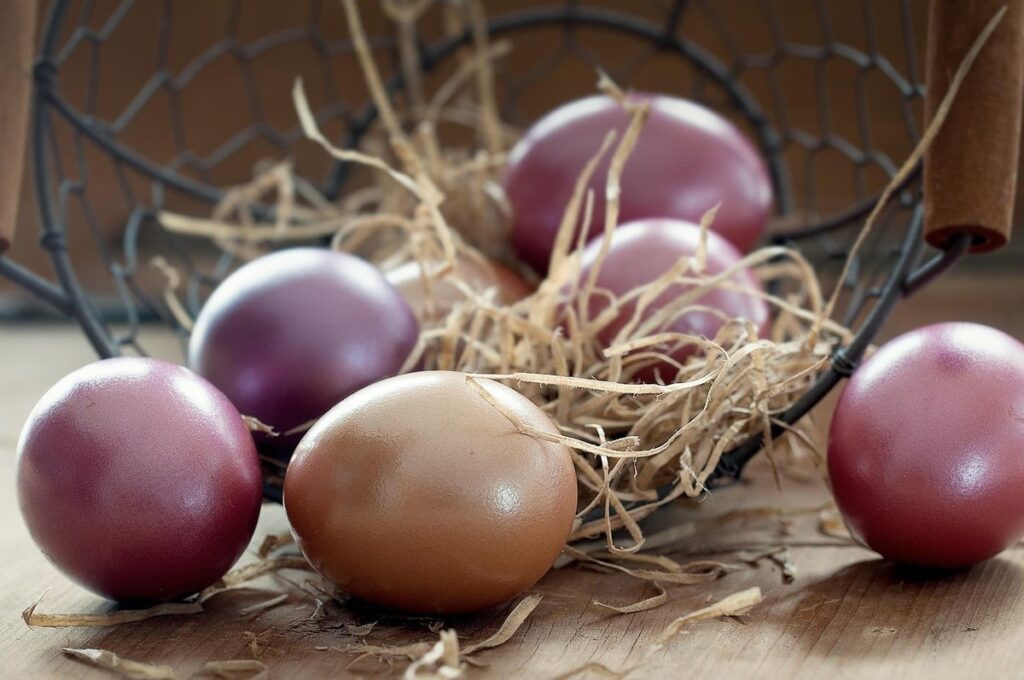
For a speckled pattern like that seen in the Speckled Sussex breed, eggs will typically be brown or dark brown in color. This is due to the deposition of pigments during shell formation. However, the intensity and distribution of these pigments can be influenced by factors such as age, nutrition, and genetics.
Incorporate foods rich in calcium, protein, and other essential nutrients into your flock’s diet. Leafy greens like kale and spinach are excellent sources of calcium, while sunflower seeds provide a boost of vitamin E and selenium. Avoid over-supplementing with too many additives or artificial ingredients, as these can disrupt the natural balance of your flock’s digestive system.
A healthy gut microbiome also plays a critical role in maintaining egg production and color quality. Provide access to probiotic-rich foods like fermented vegetables or consider adding a balanced supplement to their feed. Monitor your flock’s overall health and adjust their diet accordingly, taking note of any improvements or changes in egg quality.
Providing a Stress-Free Environment for Your Chickens
When it comes to caring for your Speckled Sussex flock, creating a stress-free environment is essential for their overall health and well-being. Stress can significantly impact egg production, quality, and color, so it’s crucial to prioritize their comfort and happiness. One of the simplest ways to reduce stress in your flock is by ensuring proper ventilation within the coop.
Aim for at least 1-2 square feet of space per bird to allow for easy movement and airflow. This will not only keep them cool during hot summer months but also prevent ammonia buildup from droppings, which can be hazardous to their health. Additionally, consider adding windows or vents to provide natural light and enhance air circulation.
A well-designed coop with adequate ventilation and space is just the beginning. You should also focus on reducing noise levels within the enclosure. Loud noises can startle your birds, causing undue stress. To minimize disruptions, place nesting boxes in a quiet area away from drafts and other potential sources of commotion. By prioritizing your flock’s comfort and well-being, you’ll be rewarded with healthier, more productive birds – which ultimately means better eggs!
Managing Broodiness and Molting in Speckled Sussex Hens
As a speckled sussex owner, you’re likely familiar with your hens’ broody periods and molting phases, but did they know what to expect during these times. Managing their behavior is crucial for maintaining egg production.
Recognizing Signs of Broodiness and Molting
As you care for your Speckled Sussex hens, it’s essential to recognize signs of broodiness and molting. Broodiness is a natural behavior where hens prepare to sit on eggs, often becoming obsessed with incubating and caring for their chicks. On the other hand, molting is a process where hens shed old feathers and grow new ones.
Common signs of broodiness include pacing, restlessness, and an increased desire to nest. Your hen may start gathering materials for her nest, even if she’s not laying eggs. She may also become withdrawn and less interested in food or social interactions. If you notice these behaviors, it’s likely your hen is experiencing broodiness.
Molting signs are a bit different. Hens will often stop laying eggs during this time as their energy focuses on growing new feathers. You might notice changes in feather texture, with old feathers becoming brittle and falling out. Your hen may also look pale or unkempt due to the shedding process. To support your hen through broodiness or molting, provide a safe, comfortable nesting area and maintain her diet’s nutritional balance.
Keep an eye out for these signs, as recognizing them early can help you intervene with supportive measures. For instance, you could try separating your hen from the rest of the flock to reduce stress, or providing extra calcium supplements to aid in feather growth.
Tips for Encouraging Egg Production During Molting Periods
When managing your Speckled Sussex flock, it’s essential to understand that molting periods can impact egg production. During this time, hens conserve energy by reducing laying frequency and focusing on feather regrowth. To encourage egg production during molting periods, focus on maintaining a balanced diet rich in protein, vitamins, and minerals.
Ensure your hens have access to a variety of fruits, vegetables, and grains that are high in calcium, as this will help support strong bone health and optimal laying. A good rule of thumb is to supplement their feed with dark leafy greens like kale or spinach, which are rich in iron and antioxidants.
Additionally, consider providing probiotics to support digestive health and enhance nutrient absorption. Research suggests that a healthy gut microbiome can boost energy levels and promote overall well-being in hens.
It’s also crucial to maintain a stress-free environment during molting periods by ensuring your hens have ample space to roam and engage in natural behaviors like foraging. By providing the right nutrition and care, you can support your flock’s egg-laying abilities even during this challenging time.
Health Considerations for Speckled Sussex Chickens
When it comes to keeping your speckled sussex flock healthy and happy, there are a few important health considerations to be aware of as an owner. These factors can impact egg quality and overall well-being.
Common Health Issues Affecting the Breed
As the proud owner of Speckled Sussex chickens, it’s essential to be aware of the common health issues that can affect this breed. These lovely ladies are known for their unique egg-laying abilities and endearing personalities, but like all chickens, they’re not immune to certain health problems.
One of the most prevalent issues affecting Speckled Sussex chickens is parasites. Mites, lice, and internal worms can cause significant stress and discomfort for your flock, leading to a decrease in egg production and overall well-being. Regular check-ups, cleaning of coop and run areas, and use of parasite control products can help prevent infestations.
Respiratory problems are another common concern for Speckled Sussex chickens. Cold stress, wet environments, and poor ventilation can contribute to respiratory issues like bronchitis and pneumonia. Make sure your flock has a dry, draft-free living space and take steps to maintain good coop hygiene.
To mitigate these risks, it’s crucial to maintain a clean and safe environment for your Speckled Sussex chickens. Provide plenty of fresh water, nutritious food, and adequate space for exercise. Regular veterinary check-ups will also help identify any potential issues early on, allowing you to take prompt action and keep your flock healthy and thriving.
Strategies for Preventing Disease Outbreaks in Your Flock
Maintaining a healthy flock is crucial to preventing disease outbreaks and ensuring the well-being of your speckled Sussex chickens. Start by implementing robust vaccination protocols to protect against common poultry diseases such as Newcastle disease, avian influenza, and Marek’s disease. Consult with a veterinarian to determine the best vaccination schedule for your flock.
Biosecurity measures are also essential in preventing the spread of diseases. This includes maintaining cleanliness and hygiene practices within the coop, regularly disinfecting feeders, waterers, and other equipment, and restricting access to outsiders who may unintentionally introduce pathogens. For example, wash your hands thoroughly before handling eggs or interacting with the chickens, and ensure visitors do not bring in unauthorized items.
Parasite control is another critical aspect of maintaining a healthy flock. Regularly inspect the birds for signs of mites, lice, or ticks, and use approved treatments as necessary to prevent infestations. Additionally, provide adequate ventilation within the coop and remove soiled bedding materials regularly to reduce parasite populations. By following these guidelines, you can minimize the risk of disease outbreaks and ensure your speckled Sussex chickens stay healthy and productive.
Breeding and Raising Healthy Speckled Sussex Chickens
When it comes to raising speckled Sussex chickens, breeding a healthy flock is crucial for producing eggs that are not only beautiful but also nutritious. This section focuses on the essential steps for achieving this goal.
Tips for Selecting the Best Breeders
When it comes to selecting breeders for your Speckled Sussex flock, there are several key factors to consider. First and foremost, you’ll want to look for breeders who prioritize genetic diversity within their breeding programs. This means choosing breeders that offer a range of bloodlines and have a diverse gene pool.
You can start by researching reputable breeders through organizations like the American Bantam Association or the Poultry Club of Great Britain. Look for breeders who are transparent about their breeding methods, health testing, and egg production data.
In addition to genetic diversity, also consider breeders that focus on overall health and well-being in their birds. This includes factors such as nutrition, parasite control, and disease management. Ask questions like what vaccinations or medications they use, how they manage mites and lice, and what kind of nutrition program they follow.
Ultimately, selecting the right breeder will depend on your specific needs and goals for your flock. By prioritizing genetic diversity and health-focused breeding methods, you can ensure a robust and resilient flock that produces high-quality eggs with unique characteristics.
Best Practices for Raising Chicks from Hatch
Raising speckled Sussex chicks from hatch requires careful attention to their nutritional needs, temperature control, and socialization. A good starting point is ensuring the brooder environment is draft-free, quiet, and has adequate ventilation. The ideal temperature range for speckled Sussex chicks is between 90-95°F (32-35°C) during the first week, gradually decreasing by 5°F (3°C) per week until they reach 18-20 weeks.
Proper nutrition is also essential for healthy growth. Provide a starter feed that’s 18-20% protein and has a good balance of vitamins and minerals. Ensure access to fresh water at all times, and consider adding a calcium supplement to promote strong bone development.
Socialization from an early age is crucial for developing friendly and docile adult birds. Place the chicks in a brooder with other breeds, but make sure they’re not too dominant or aggressive. Monitor their behavior closely, separating any that show signs of stress or aggression. By following these best practices, you’ll set your speckled Sussex chicks up for a healthy start and lay beautiful eggs for years to come.
Conclusion: Embracing the Beauty of Speckled Sussex Eggs
As you’ve learned about the unique characteristics of Speckled Sussex eggs, it’s time to appreciate their beauty. These eggs are not only a delight to collect, but also a reflection of your flock’s health and vitality. To truly embrace the charm of Speckled Sussex eggs, consider displaying them prominently in your kitchen or on a decorative plate. This way, you can showcase their intricate speckles and warm tones to family and friends.
By taking pride in your flock’s unique eggs, you’re also highlighting your commitment to sustainable and responsible egg production. Your customers or family members will appreciate the care and attention that goes into raising these lovely birds. So go ahead, collect those eggs with confidence, and bask in the joy of knowing you’re sharing something special with others.
Frequently Asked Questions
How Can I Ensure Consistent Egg Color Intensity Across My Flock?
Consistency in egg color intensity can be challenging, but it’s achievable by maintaining a balanced diet rich in omega-3 fatty acids and vitamins A and E. These nutrients play a crucial role in enhancing the pigmentation of your hens’ eggs. Additionally, ensure that your flock receives adequate calcium and protein to support strong eggshell production.
What Are the Signs That My Hens Are Not Getting Enough Nutrition for Vibrant Egg Colors?
If you notice a decline in the intensity or quality of your eggs, it may be a sign that your hens are not receiving the necessary nutrients. Look out for pale or washed-out egg yolks and shells with reduced pigmentation. Also, monitor your hens’ overall health and behavior; if they appear lethargic or their feathers lack luster, it could indicate nutritional deficiencies.
Can Stress Impact My Hens’ Ability to Produce Eggs With Intense Speckled Patterns?
Yes, stress can significantly impact egg production and color intensity in chickens. To minimize the effects of stress on your flock’s egg quality, ensure they have access to a safe and stress-free environment with adequate shelter, ventilation, and space to roam.
How Do I Balance My Hens’ Diets for Optimal Egg Quality and Color?
Balancing your hens’ diets involves providing a mix of commercial feed and supplements rich in essential nutrients like calcium, protein, and omega-3 fatty acids. Aim to include 15-20% protein content in their diet, supplemented with fresh fruits, vegetables, and grains.
What’s the Best Approach for Managing Molting Periods and Maintaining Egg Production?
To minimize disruptions during molting periods, maintain a balanced diet rich in calcium and other essential nutrients. Also, ensure your hens have access to adequate light and exercise to promote healthy feather growth and reduce stress levels.