
If you’re a backyard flock owner or just starting to explore the world of egg-laying chickens, you’ve probably heard of the Salmon Faverolle breed. But do you know what sets their eggs apart from the rest? Not only are they a stunning addition to any coop, but these birds also produce a delicious and nutritious egg that’s perfect for families and cooks alike. In this article, we’ll delve into the unique characteristics, uses, and benefits of Salmon Faverolle eggs, exploring why they’re becoming an increasingly popular choice among backyard farmers and consumers. Whether you’re looking to add some variety to your breakfast plate or simply want to learn more about these special eggs, keep reading to discover everything you need to know about Salmon Faverolle eggs.
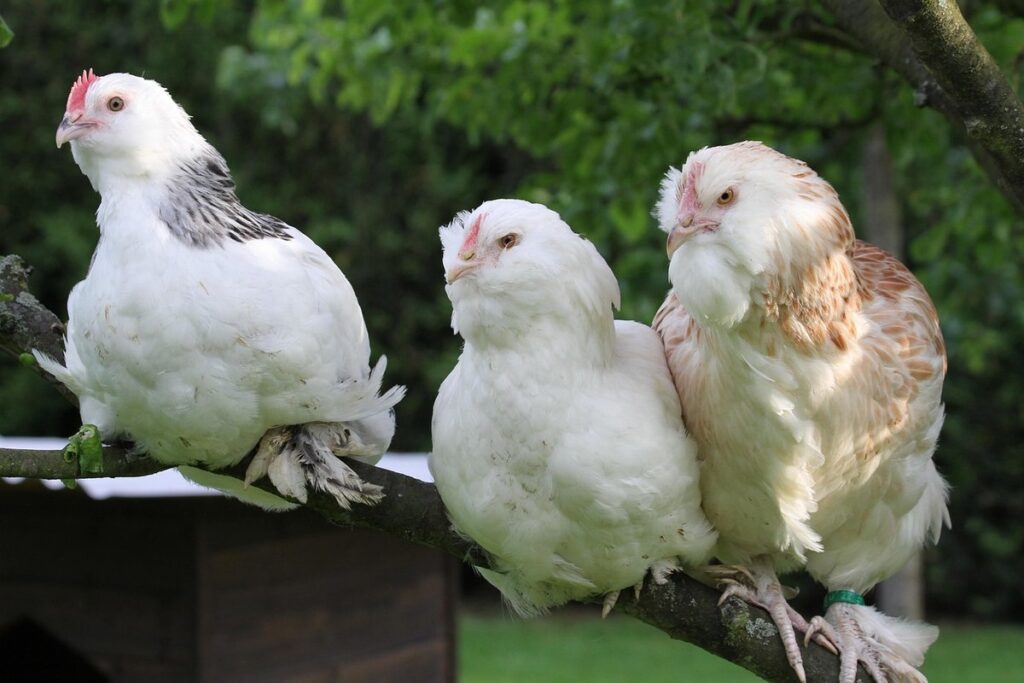
What Are Salmon Faverolle Eggs?
Let’s dive into what makes Salmon Faverolle eggs so unique, and explore their characteristics that set them apart from other egg varieties on the market.
Origin and Breed History
The Salmon Faverolle breed originated from France in the 19th century. They were developed specifically for their egg-laying abilities and friendly temperament. One of the unique characteristics of this breed is their ability to produce large, dark brown eggs with a pinkish tint.
This distinctive eggshell coloration is due to the presence of a pigment called protoporphyrin, which is not commonly found in other breeds. The Salmon Faverolle’s impressive egg-laying capacity makes them an attractive choice for backyard chicken keepers and small-scale farmers.
Their eggs are also prized for their rich, buttery flavor and high nutritional value. With a breed like the Salmon Faverolle, you can expect to collect around 200-250 large brown eggs per year. Their calm nature and gentle disposition make them a great addition to any backyard flock.
If you’re considering adding this breed to your farm or backyard, keep in mind that they require regular exercise and a balanced diet to maintain their health and productivity. With proper care, the Salmon Faverolle can thrive and provide you with an abundant supply of delicious, high-quality eggs.
Characteristics of Salmon Faverolle Eggs
Salmon Faverolle eggs are known for their distinctive physical attributes that set them apart from other breeds. When it comes to size, Salmon Faverrolle eggs tend to be medium-sized, with an average weight of around 60-70 grams. Their shape is often described as elongated or pointed at one end, which can make them slightly more difficult to handle than other egg varieties.
In terms of color, the shell of a Salmon Faverolle egg is typically brown or dark brown in color, often with subtle striations and markings. The texture of these eggs is smooth and even, without any visible ridges or imperfections.
One notable characteristic of Salmon Faverolle eggs is their high fertility rate. This makes them an excellent choice for breeders looking to hatch a large number of chicks. To optimize the hatching process, it’s essential to handle these eggs gently and store them in a stable environment with consistent temperature and humidity levels.
Advantages of Keeping Salmon Faverolle Hens
Keeping salmon faverolle hens can be a wonderful experience, and they offer several benefits that go beyond just collecting eggs. You’ll discover why these birds are worth keeping as pets in this section.
Egg-Laying Capacity
One of the most exciting advantages of keeping Salmon Faverolle hens is their impressive egg-laying capacity. These birds are known to lay an average of 200-250 large brown eggs per year, making them a fantastic choice for backyard flocks. In fact, some experienced breeders have reported that their Salmon Faverrolles have reached an astonishing 300+ egg production in ideal conditions.
To put this into perspective, consider the following: if you’re planning to collect eggs from your flock twice a day, a single Salmon Faverolle hen can provide you with over 2 dozen eggs per week. This is especially impressive when compared to other breeds that may only lay half as many eggs.
If you’re thinking of adding a few Salmon Faverrolles to your backyard flock, it’s essential to consider the following: they require regular feeding and exercise to maintain their egg-laying capacity. Make sure to provide them with plenty of space to roam, nutritious food, and fresh water at all times. With proper care, these hardy birds will reward you with a steady supply of delicious eggs for years to come.
Temperament and Trainability
If you’re new to backyard chicken-keeping, the Salmon Faverolle breed is an excellent choice for beginners. One of the many advantages of these birds is their temperament – they’re known for being friendly, gentle, and easy to handle. This makes them a great fit for families with children or small farms where handling chickens daily is a necessity.
These lovely ladies are often described as laid-back and calm, even in stressful situations. They get along well with other breeds, making them an excellent addition to a multi-breed flock. If you’re planning to introduce your Salmon Faverolles to other hens or roosters, be sure to do it slowly and under close supervision to ensure a smooth transition.
As a chicken-keeper, having birds that are easy to handle can be a huge relief, especially if you have children who want to participate in caring for the flock. With Salmon Faverolles, you can enjoy hands-on interaction without worrying about their stress or aggression levels.
Uses and Applications of Salmon Faverolle Eggs
Salmon Faverolle eggs are incredibly versatile, making them a favorite among bakers, cooks, and even crafters, who love their unique characteristics and properties. Let’s explore some of the most popular uses for these special eggs.
Baking and Cooking
Salmon Faverolle eggs are an excellent addition to various baked goods and dishes due to their unique flavor and texture. When baking with these eggs, consider the rich, buttery taste they impart on pastries and cakes. In a croissant dough, for example, use one egg from the Salmon Faverolle flock per 2 cups of flour for added moisture and richness.
For desserts like creme brulee or cheesecake, their creamy texture is an asset. To highlight this characteristic in your baked goods, reduce the amount of sugar and cream you’d normally use and substitute it with the rich flavor of Salmon Faverolle eggs.
In savory dishes, the eggs’ subtle fishy undertones add depth to omelets, frittatas, or pasta bakes. Use one or two eggs per serving for a more substantial meal. When using Salmon Faverolle eggs in recipes that require leavening, keep an eye on the baking time as their higher moisture content can affect the final product’s texture.
Incorporating these characteristics into your baked goods and dishes requires some experimentation with proportions and seasonings, but the end result is often well worth the effort.
Preserving and Drying
If you want to enjoy the nutritional benefits of Salmon Faverolle eggs year-round, preserving and drying them is a great way to go. One popular method is pickling, which not only extends shelf life but also adds a tangy flavor. To pickle Salmon Faverolle eggs, start by hard-boiling them, then soak them in a brine solution of vinegar, salt, and spices for several hours or overnight.
Another effective method is dehydrating, which removes moisture and prevents bacterial growth. You can use a food dehydrator or your oven on the lowest temperature setting to dry the eggs completely within 6-8 hours. Once dried, store them in an airtight container to maintain freshness.
To ensure the quality of preserved Salmon Faverolle eggs, always follow proper food safety guidelines when handling and storing them. Keep them away from direct sunlight, moisture, and heat sources to prevent spoilage. By preserving your Salmon Faverolle eggs through pickling or dehydrating, you can enjoy their rich nutritional profile throughout the year.
Preserved Salmon Faverolle eggs are ideal for adding protein and flavor to salads, pasta dishes, or as a topping for breakfast meals. The possibilities are endless, making this process well worth the effort.
Nutrition and Health Benefits of Salmon Faverolle Eggs
Salmon Faverolle eggs are a nutritional powerhouse, packed with essential vitamins and minerals that can boost your health in numerous ways. Let’s dive into their remarkable benefits for nutrition and well-being.
Omega-3 Content
Salmon Faverolle eggs are an excellent source of omega-3 fatty acids, making them a nutritious choice for consumers. These healthy fats are essential for maintaining heart health, reducing inflammation, and supporting brain function. The high levels of omega-3s in Salmon Faverrolle eggs can be attributed to the diet of the hens, which feed on a combination of grains, fruits, and vegetables.
One of the key benefits of omega-3s is their ability to lower triglycerides and improve cardiovascular health. Studies have shown that consuming just 1-2 eggs per day can increase an individual’s overall omega-3 intake by up to 50%. This is particularly important for individuals who are at risk of heart disease or those with a family history of the condition.
To maximize the nutritional benefits of Salmon Faverrolle eggs, consider incorporating them into your breakfast routine. Boil or fry them as you would regular eggs and enjoy as part of an omelette or scrambled egg dish. You can also use them in baking recipes or make deviled eggs for a tasty snack.
Vitamin and Mineral Richness
Salmon Faverolle eggs are not only a delicious addition to any meal, but they also pack a nutritional punch. One of the key advantages of these eggs is their exceptional richness in various vitamins and minerals that are essential for maintaining good health.
In particular, Salmon Faverolle eggs are an excellent source of vitamin D, which plays a critical role in bone health, immune function, and mood regulation. A single large egg can provide up to 10% of the recommended daily intake of this essential nutrient. These eggs also contain significant amounts of vitamin B12, a vital component for energy production and nerve function.
Furthermore, Salmon Faverolle eggs are a good source of iron, an essential mineral that helps transport oxygen throughout the body and support healthy red blood cells. Iron deficiency is a common issue in many parts of the world, but consuming these nutrient-rich eggs can help bridge this gap.
Tips for Raising Healthy Salmon Faverolle Hens
To get the most out of your flock’s egg-laying abilities, it’s essential to raise healthy Salmon Faverolle hens through proper care and nutrition. With these expert tips, you’ll be on your way to happy and productive birds.
Housing and Environmental Considerations
When it comes to raising healthy Salmon Faverolle hens, providing an ideal living environment is crucial for their overall well-being and egg-laying capabilities. A well-designed coop can make a significant difference in keeping your girls happy and healthy.
To create an optimal coop design, consider the following key elements:
* Provide enough space: Allocate at least 4-5 square feet of floor space per bird inside the coop, and ensure there is adequate ventilation to prevent ammonia buildup.
* Consider natural light: Position the coop to receive plenty of natural sunlight, which can help regulate your hens’ circadian rhythms and promote egg production.
* Incorporate nesting boxes: Install one nesting box per 3-4 hens to encourage them to lay eggs in a clean and safe environment. Make sure the nesting boxes are well-ventilated and easy to clean.
In terms of space allocation, it’s essential to provide your Salmon Faverrolles with enough room to roam and exercise outside of the coop. A fenced area or run can be an excellent addition to their living environment, allowing them to forage and engage in natural behaviors. Aim for a minimum of 10-15 square feet per bird in the outdoor enclosure.
Nutrition and Feeding Guidelines
When it comes to feeding your Salmon Faverolle hens, understanding their nutritional needs is crucial for producing high-quality eggs. These birds are omnivores and require a balanced diet that includes proteins from animal sources, calcium for strong eggshell production, and fiber for optimal digestion.
A good starting point is to provide a mix of layer feed, grains, and fresh fruits and vegetables in their enclosure. Supplement with mealworms or crickets on occasion to meet their protein requirements. Calcium-rich foods like oyster shells or crushed eggshells should also be made available daily to support strong eggshell formation.
It’s equally important to consider foraging opportunities for your hens. Provide a secure, escape-proof area where they can roam and scratch, allowing them to engage in natural behavior and obtain essential nutrients through foraging activities. A general rule of thumb is to allocate 2-3 hours of foraging time per day.
When supplementing their diet, be mindful not to overdo it – too many treats can lead to obesity issues. Stick to moderation and rotate supplements regularly to ensure a broad range of nutrients. By paying attention to these feeding guidelines, you’ll be well on your way to raising healthy Salmon Faverolle hens that produce excellent eggs.
Common Health Issues in Salmon Faverolle Chickens
If you’re considering raising Salmon Faverolle chickens for their eggs, it’s essential to be aware of the common health issues that can affect this breed. Keep reading to learn about potential problems and how to prevent them.
Respiratory Problems
Respiratory problems are a common health issue that can affect Salmon Faverolle chickens, impacting not only their well-being but also the quality and quantity of eggs they produce. As an egg producer, it’s essential to be aware of these issues to take proactive measures to prevent them.
One of the primary causes of respiratory problems in Salmon Faverrolles is dust and mold accumulation in their coop. When chickens inhale these particles, it can lead to inflammation and irritation in their airways. To mitigate this issue, ensure good ventilation and regular cleaning of the coop, including removing soiled bedding material and replacing it with fresh pine shavings.
Symptoms of respiratory problems include labored breathing, wheezing, and coughing. If you notice any of these signs, consult a veterinarian for proper diagnosis and treatment. In some cases, antibiotics may be prescribed to clear up bacterial infections.
Proper nutrition also plays a crucial role in maintaining healthy respiratory function. Ensure your Salmon Faverrolles have access to balanced feed that includes essential vitamins and minerals like vitamin E, which has antioxidant properties that can help protect against oxidative stress.
Parasite Control and Prevention
When it comes to maintaining the health of your Salmon Faverolle chickens, parasite control and prevention are crucial aspects that cannot be overlooked. Internal parasites like worms, mites, and lice can wreak havoc on their digestive systems, causing weight loss, lethargy, and even death if left untreated.
To prevent internal parasites, ensure that your flock has access to clean water at all times. Change the water frequently to prevent bacterial contamination, which can lead to parasitic infections. A balanced diet rich in fiber and essential nutrients will also help keep their digestive system robust and less susceptible to parasites.
Regular deworming is also necessary, especially during peak parasite seasons (spring and fall). You can use herbal remedies like black walnut or diatomaceous earth, or commercial dewormers under the guidance of a veterinarian. Always follow the recommended dosage and safety precautions to avoid harming your birds.
Monitor your flock regularly for signs of parasitic infections such as wet droppings, weight loss, or labored breathing. Early detection allows for prompt treatment and prevents the spread of parasites within the flock.
Conclusion and Final Thoughts
Now that you’ve learned about the wonderful world of Salmon Faverolle eggs, it’s time to summarize the key takeaways. These unique eggs are not only delicious but also packed with nutrients and health benefits. Whether you’re a seasoned cook or just starting out in the kitchen, incorporating Salmon Faverolle eggs into your diet can be incredibly rewarding. From adding them to omelets and frittatas to using them as an ingredient in baked goods, the possibilities are endless. As we’ve explored throughout this guide, these eggs truly live up to their reputation as a game-changer for any food enthusiast. By experimenting with Salmon Faverolle eggs and discovering new recipes, you’ll be taking your culinary skills to the next level while nourishing both body and soul.
Frequently Asked Questions
Can I mix Salmon Faverolle hens with other breeds in my flock?
Yes, Salmon Faverrolles are known for their friendly temperament and can be integrated with other breeds without issues. However, it’s essential to introduce them slowly and under close supervision to ensure a smooth transition.
How do I store Salmon Faverolle eggs to maintain their quality and nutritional value?
To preserve the unique characteristics of your Salmon Faverrolle eggs, store them in a cool, dry place away from direct sunlight. You can also consider refrigerating them or using an egg carton with ventilation to keep the eggs fresh for up to 5 weeks.
What’s the ideal diet for my Salmon Faverolle hens to optimize their egg production and health?
A balanced diet rich in high-quality protein, calcium, and vitamins is crucial for your Salmon Faverrolles’ overall health. Consider supplementing their feed with omega-3 sources like flaxseeds or algae meal to enhance the nutritional content of their eggs.
Can I use Salmon Faverolle eggs as a replacement for commercial eggs in my recipes?
Yes, you can use Salmon Faverrolle eggs as a direct substitute for commercial eggs in most recipes. However, keep in mind that their unique flavor and texture may affect the final product slightly. Experiment with different ratios to find the perfect balance.
How do I know if my Salmon Faverolle hens are getting enough vitamin D3?
Make sure your hens have access to a balanced feed containing adequate vitamin D3 levels (around 1,000 IU per pound of feed). You can also supplement their diet with crushed eggshells or provide UVB light sources to maintain optimal calcium and vitamin D3 levels.