
If you’re considering adding some new feathered friends to your backyard flock, you might want to give Faverolles chickens a closer look. These charming birds are not only stunning to behold, but they also have a remarkable reputation for producing exceptional eggs. With their impressive egg-laying capacity and numerous health benefits, it’s no wonder why Faverolles chicken eggs have become a popular choice among backyard farmers. But what sets them apart from other breeds? In this article, we’ll delve into the world of Faverolles chicken eggs, exploring their nutritional benefits, essential care tips for keeping these wonderful hens happy and healthy, and much more. Whether you’re a seasoned farmer or just starting out, our comprehensive guide will give you all the information you need to make the most of your new Faverolles chickens.
What are Faverolles Chickens?
To fully appreciate the unique qualities of Faverolles chicken eggs, let’s start by learning more about this wonderful breed and their characteristics that make them so special. You might be surprised at how different they are from other chickens!
Origin and History of Faverolles
Faverolles chickens have a rich and fascinating history that spans over a century. The breed originated in France in the late 19th century as a cross between different breeds of French hens, with the primary goal of creating a bird that excelled in egg-laying capabilities. They were specifically developed to be hardy, docile, and prolific layers, making them an ideal choice for small-scale farmers and backyard chicken keepers.
By the early 20th century, Faverolles had gained popularity among French farmers due to their exceptional laying abilities, with some reports suggesting that they could produce up to 300 eggs per year. Their impressive egg-laying capabilities were largely attributed to their robust constitution and efficient metabolism, which allowed them to thrive in a variety of environments.
Today, the breed has become a favorite among chicken enthusiasts around the world due to its striking appearance, friendly nature, and exceptional egg-laying abilities. Whether you’re looking to start a small backyard flock or seeking a reliable source of fresh eggs, Faverolles chickens are definitely worth considering.
Characteristics of Faverolles Chickens
Faverolles chickens are known for their unique characteristics that make them an attractive choice for backyard chicken keepers and egg enthusiasts. One of the standout features of this breed is their impressive egg-laying capacity. On average, a Faverolles hen will produce around 200-220 large, brown eggs per year, which is significantly higher than some other popular breeds. This means that if you have a flock of just five hens, you can expect to collect around 1,000-1,100 eggs annually.
In addition to their impressive egg production, Faverolles chickens are also prized for their friendly and docile nature. They are known to be great mothers, with a strong instinct to brood and raise their young. This makes them an excellent choice for those who want to breed their own chickens or start a backyard flock.
Faverolles chickens are also relatively low maintenance, requiring less space and care than some other breeds. Their calm demeanor and quiet nature make them ideal for small farms or backyards where noise is a concern. With proper care and nutrition, Faverolles hens can live for up to 8-10 years, providing you with a steady supply of fresh eggs for many years to come.
Egg-Laying Capacity of Faverolles
Faverolles are renowned for their impressive egg-laying abilities, and understanding how many eggs they can produce per year is essential for any chicken keeper. Let’s dive into what you can expect from these prolific layers.
Average Egg Production per Year
Faverolles are known for their exceptional egg-laying capacity, producing an average of 180-200 eggs per year. This impressive number is influenced by several factors, including breed quality, nutrition, and living conditions.
Genetics play a significant role in determining the egg production potential of Faverolles. A high-quality breeding program can significantly impact egg numbers. For instance, a study conducted on Faverolle hens revealed that those from top-tier breeding programs laid an average of 220 eggs per year, compared to just 150 for birds from lower-rated lines.
Nutrition also has a substantial impact on egg production. Providing your Faverolles with a balanced diet rich in essential vitamins and minerals will help them reach their full potential. It’s crucial to offer high-quality feed specifically formulated for laying hens, as well as supplementing with calcium sources like oyster shells or crushed eggshells.
In addition to genetics and nutrition, living conditions also affect egg production. Faverolles require space to roam and exercise, which can improve their overall health and productivity. Providing a safe and clean environment with adequate shelter and nesting boxes will help your girls stay happy and healthy, ultimately boosting their egg-laying capacity.
Seasonal Variation in Egg Laying
One of the most important aspects of managing a flock of Faverolle chickens is understanding their seasonal variation in egg laying. As with many breeds, Faverolles will experience fluctuations in production throughout the year, influenced by daylight hours, temperature, and nutrition.
In the spring, as days lengthen and temperatures rise, you can expect your Faverolles to increase their egg-laying capacity. This is due to the increased exposure to light, which stimulates the production of hormones that regulate egg development. In fact, studies have shown that a 1% increase in daylight hours can result in a 2-3% boost in egg production.
However, as summer wears on and temperatures soar, egg laying may begin to slow down. High heat stress can impact a chicken’s ability to lay eggs, leading to decreased production. It’s essential to provide your Faverolles with adequate ventilation, shade, and access to cool water to help mitigate this effect.
In the fall, as days shorten and temperatures cool, egg laying will typically decrease. This is normal and a result of the natural photoperiodic response that regulates reproductive cycles in chickens. But don’t worry – your Faverolles should still be producing eggs, albeit at a lower rate than during the spring peak.
To maximize egg production throughout the year, ensure your flock has access to a balanced diet rich in protein and calcium, as well as adequate space and nesting opportunities. Regular health checks and parasite control can also help maintain optimal productivity.
Factors Affecting Egg Laying
The factors that impact egg-laying capacity are essential to consider when caring for your Faverolles flock. Nutrition plays a significant role in determining the number of eggs laid by your hens. A balanced diet rich in protein, calcium, and vitamins is crucial for maintaining strong eggshell production. Ensure your girls have access to high-quality layer feed or supplements that meet their nutritional needs.
Proper health is also vital for optimal egg-laying capacity. Preventative measures such as regular vaccinations, parasite control, and flock management can help minimize the risk of illnesses. Monitor your hens’ overall health by keeping an eye out for signs of stress, disease, or discomfort.
In addition to nutrition and health, environmental factors like light exposure, temperature, and space also impact egg-laying capacity. Provide your Faverolles with enough space to move around comfortably and ensure they receive adequate natural light through windows or supplemental lighting during winter months.
Characteristics of Faverolles Chicken Eggs
Faverolles chicken eggs are prized for their unique characteristics, which set them apart from other breeds. Let’s dive into what makes these eggs truly special.
Color and Size of Faverolles Eggs
Faverolles hens are known for producing beautiful, unique eggs that can add a pop of color to any breakfast plate. When it comes to the typical color and size of Faverolles eggs, there’s some good news: they’re relatively easy to identify.
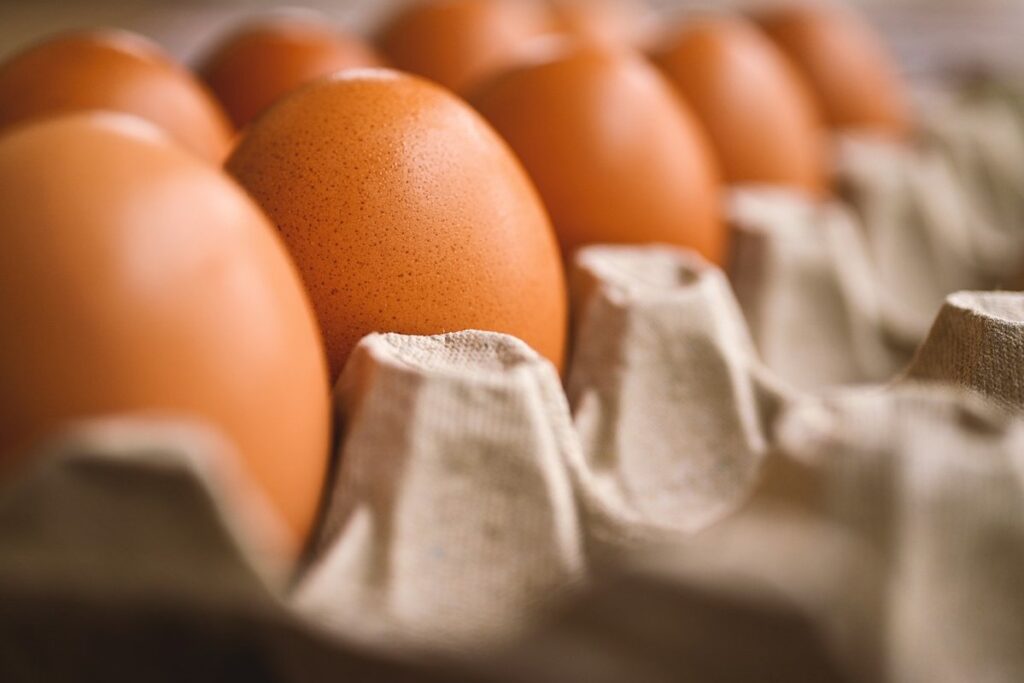
The most common colors of Faverolles eggs are brown, with various shades ranging from light tan to dark chocolate brown. Some hens may also produce eggs with a mix of brown and blue or green undertones, which can create a beautiful marble effect. The color of the egg is determined by the genetics of the hen, so if you’re looking for a specific shade, be sure to research the breed’s characteristics.
In terms of size, Faverolles eggs are typically medium-sized, with an average weight of around 50-60 grams (1.76-2.12 ounces). This makes them slightly smaller than some other popular breeds like Leghorns or Orpingtons, but still large enough to hold a generous serving of your favorite recipe.
Shell Quality and Texture
Faverolles chicken eggs are renowned for their unique shell quality and texture. One of the defining characteristics of these eggs is their beautiful, terra cotta-brown to dark brown color, which is due in part to the breed’s genetic makeup. The shells are also notable for their texture, being slightly thicker than average and boasting a subtle, slightly pebbly appearance.
If you’re an avid collector or enthusiast, you’ll appreciate the visual appeal of Faverolles eggs. But it’s worth noting that their unique texture can also be a bit more challenging to work with – especially if you’re planning on dyeing them for Easter or other decorative purposes. For instance, the slight pebbly texture may not take dye as evenly as smoother shells, resulting in an irregular color distribution.
When handling Faverolles eggs, it’s essential to exercise gentle care to avoid any potential breakage. Their slightly thicker shells do provide some extra protection against cracking, but they’re still relatively delicate and can be prone to chipping if dropped or mishandled.
In terms of shell quality overall, Faverolles eggs tend to have fewer imperfections than other breeds – such as cracks, pitting, or other blemishes. This is due in part to the breed’s hardiness and robust health, which translates into a lower incidence of egg-related problems.
Taste and Odor of Faverolles Eggs
Faverolles chicken eggs are renowned for their exceptional taste and aroma. One of the most distinctive characteristics of Faverolles eggs is their rich, buttery flavor profile. This is due to the high concentration of omega-3 fatty acids present in the egg yolks. The result is a tender, creamy texture that’s both satisfying and indulgent.
The unique combination of genetics and environment contributes to the distinct taste and odor of Faverolles eggs. For instance, the breed’s heritage as a dual-purpose chicken means they have a diverse diet rich in insects, plants, and other small creatures. This varied diet not only influences their egg-laying abilities but also infuses the eggs with unique flavor compounds.
To experience the full depth of Faverolles’ taste, try them poached or scrambled – the delicate texture will allow you to appreciate the subtle nuances of the buttery flavor.
Nutrition and Health Benefits
Faverolles chicken eggs are renowned for their exceptional nutritional profile, offering a wealth of benefits that can enhance your overall well-being. Let’s dive into the key health benefits of these incredible eggs!
Omega-3 Rich Faverolles Eggs
If you’re looking for eggs with an extra nutritional boost, Faverolles eggs are an excellent choice. One of the standout benefits of these eggs is their high levels of omega-3 fatty acids. These essential fatty acids play a crucial role in heart health, brain function, and even inflammation reduction.
In fact, studies have shown that Faverolles hens produce eggs with up to 50% more omega-3s than regular commercial egg varieties. This makes them an attractive option for those following an omega-3 rich diet or looking to reduce their intake of processed supplements.
So, how do you incorporate these nutrient-dense eggs into your daily routine? Start by substituting Faverolles eggs for regular eggs in your omelets and breakfast dishes. You can also use them as a topping for salads or blend them into smoothies for an added boost. When purchasing Faverolles eggs, be sure to choose ones that are labeled as “omega-3 enriched” or ” pasture-raised” – these will have the highest levels of omega-3s.
By making this simple switch, you’ll not only be getting more nutritional value from your eggs but also supporting sustainable farming practices.
Lower Cholesterol Content
When it comes to nutrition and health benefits, one of the most significant advantages of Faverolles chicken eggs is their lower cholesterol content compared to other breeds. Studies have shown that Faverolles eggs contain approximately 10-15% less cholesterol than other popular egg-laying breeds.
This reduced cholesterol level can be attributed to several factors, including the breed’s unique genetic makeup and their diet. Faverolles chickens are known for their slow growth rate and gentle nature, which allows them to roam freely and engage in natural behaviors. This stress-free lifestyle contributes to a more balanced gut microbiome, resulting in improved egg quality.
In comparison, commercial egg farms often prioritize high production rates over the health and well-being of their birds. These hens may be subject to overcrowding, poor living conditions, and inadequate nutrition, leading to higher cholesterol levels in their eggs. When choosing Faverolles chicken eggs, you’re not only getting a nutritious meal but also supporting sustainable and humane farming practices.
To reap the full benefits of Faverolles eggs, consider incorporating them into your diet 2-3 times a week as part of a balanced breakfast routine. Scramble or poach them with vegetables for a nutrient-packed start to your day.
Other Nutritional Benefits
In addition to their rich omega-3 content, Faverolles eggs are also an excellent source of other essential nutrients that can significantly benefit our overall health. For instance, these eggs are high in vitamins A and E, which play a crucial role in maintaining healthy skin, hair, and mucous membranes. Vitamin A is particularly beneficial for the eyes, helping to protect against age-related macular degeneration and cataracts.
Faverolles eggs also contain significant amounts of iron, an essential mineral that supports healthy red blood cells, preventing anemia and fatigue. Moreover, these eggs are a good source of zinc, which plays a vital role in wound healing, immune function, and protein synthesis. Furthermore, Faverolles eggs contain conjugated linoleic acid (CLA), a nutrient with anti-inflammatory properties that may help to reduce body fat.
To maximize the nutritional benefits of Faverolles eggs, consider incorporating them into your diet as part of a balanced meal. Try pairing scrambled eggs with spinach and whole-grain toast for a nutritious breakfast or adding sliced hard-boiled eggs to a green salad for a protein-packed lunch.
Keeping Faverolles Chickens for Egg Production
If you’re looking to harvest fresh eggs from your backyard flock, keeping Faverolles chickens is a great choice, as they are prolific layers and relatively low maintenance. Here’s how to get started.
Housing and Living Conditions
When it comes to providing suitable housing and living conditions for your Faverolles chickens, you’ll want to create an environment that promotes their health, happiness, and egg-laying abilities. First and foremost, ensure the coop is well-ventilated, dry, and protected from extreme weather conditions.
A minimum of 4 square feet per bird is recommended for the nesting area, but considering Faverolles are known for being friendly and social birds, a larger space will encourage interaction and reduce stress. The coop should also have ample roosting bars for them to comfortably rest on at night.
Some practical tips include adding windows or vents to allow natural light and airflow, installing a nesting box with perches inside (about 18 inches off the floor), and incorporating feeding and watering systems that are easy to clean and accessible. Don’t forget about dust baths – these can be created by sprinkling sand or soil in a designated area for your birds to scratch and dust themselves.
Faverolles chickens are generally docile, so they’ll adapt well to communal living with other breeds. However, do keep an eye on the dynamics within your flock as you introduce new members.
Nutrition and Feeding Guidelines
Faverolles hens are known for their gentle nature and high-quality eggs, but to maintain their excellent egg-laying performance, it’s essential to provide them with a balanced diet. A hen’s nutritional needs vary depending on her age, size, and level of activity, so let’s dive into the specifics.
A Faverolles hen requires a mix of protein-rich foods, calcium for strong eggshell production, and fiber for digestive health. You can supplement their diet with high-quality layer feed as the main staple, adding fresh fruits and vegetables like leafy greens, carrots, and berries on the side. To ensure they get enough calcium, provide crushed oyster shells or dark leafy greens like kale and spinach.
Some essential nutrients to focus on include:
* Protein: 16-18% of their daily diet should come from protein sources like mealworms, sunflower seeds, or commercial layer feed.
* Calcium: at least 2-3% of their daily diet should be calcium-rich foods like crushed oyster shells or dark leafy greens.
By following these guidelines and providing a balanced diet, you’ll help your Faverolles hens maintain optimal health and continue producing those delicious eggs.
Health Considerations
Faverolles chickens are generally known for their robust health and hardiness, but like all breeds, they can be susceptible to certain health issues. One of the most common problems is bumblefoot, a painful condition that affects the feet of chickens due to prolonged standing or walking on rough surfaces. To prevent bumblefoot, ensure your Faverolles hens have access to soft, dry bedding and regularly clean their coop.
Another potential issue is mites and lice infestations, which can lead to stress, discomfort, and even disease transmission if left unchecked. Regularly inspect your birds’ feathers for signs of parasites, and use a poultry-safe dust or spray as needed to maintain control.
Additionally, Faverolles are prone to certain genetic conditions such as cryptorchidism (undescended testes) and umbilical hernias. If you notice any unusual physical characteristics or symptoms in your birds, consult with a veterinarian experienced in treating poultry.
By staying vigilant for potential health issues and taking preventative measures, you can help keep your Faverolles flock healthy and thriving for years to come. Regular veterinary check-ups will also help identify any problems early on.
Conclusion
In conclusion, Faverolles chicken eggs are a true delight for any egg enthusiast. After reading this ultimate guide, you should now have a deeper understanding of what makes these eggs so special. From their rich, buttery flavor to their excellent nutritional profile, it’s no wonder why many backyard chicken keepers swear by the Faverolle breed. If you’re considering adding Faverolles to your flock, we encourage you to do so – not only will they provide you with an abundance of delicious eggs, but they’ll also bring a unique charm and personality to your farm or homestead. With proper care and attention, these gentle birds can thrive and become a beloved addition to any backyard chicken-keeping operation.
Frequently Asked Questions
How do I determine the right size of enclosure for my Faverolles chickens?
When introducing Faverolles to your backyard flock, it’s essential to provide them with a spacious living area that meets their exercise needs. A good rule of thumb is to allocate at least 2-4 square feet of space per bird inside the coop and 8-10 square feet of outdoor run space per bird. This will help prevent overcrowding and ensure your Faverolles hens stay healthy and happy.
Can I keep Faverolles chickens as egg layers if I have limited space?
Yes, with proper management, you can successfully keep Faverolles chickens for egg production even in small spaces. Consider using vertical integration by stacking nesting boxes or utilizing a compact coop design to optimize your available space. Regular cleaning and maintenance will also help prevent disease outbreaks.
What are some common health issues that affect Faverolles chickens?
Faverolles chickens, like any other breed, can be prone to certain health issues such as mites, lice, and respiratory problems. To minimize the risk of illness, ensure your flock receives regular vaccinations, maintain a clean living environment, and provide a balanced diet rich in omega-3 fatty acids.
How often should I collect eggs from my Faverolles chickens?
For optimal egg quality and to prevent breakage, it’s recommended to collect eggs daily. You can also consider investing in an automated egg collection system for added convenience. Always handle the eggs gently and store them in a cool, dry place to maintain their freshness.
Can I cross-breed my Faverolles chickens with other breeds?
No, due to breed-specific characteristics and genetic diversity considerations, it’s not recommended to crossbreed Faverolles chickens with other breeds for egg production. Stick to the purebred or heritage lines to ensure consistent egg quality and prevent potential health issues resulting from inbreeding.