
If you’re looking to add some diversity to your backyard flock, you might want to consider raising dark brown egg chickens. Not only do these birds have a unique appearance, but they also produce rich-brown eggs that are perfect for baking and cooking. But what sets them apart from other breeds? In this article, we’ll delve into the characteristics, benefits, and care requirements of dark brown egg chickens, providing you with expert advice on how to raise healthy and productive birds. From their temperament and egg-laying abilities to tips on nutrition and housing, we’ll cover it all, helping you make an informed decision about whether or not these birds are right for your farm or backyard flock.
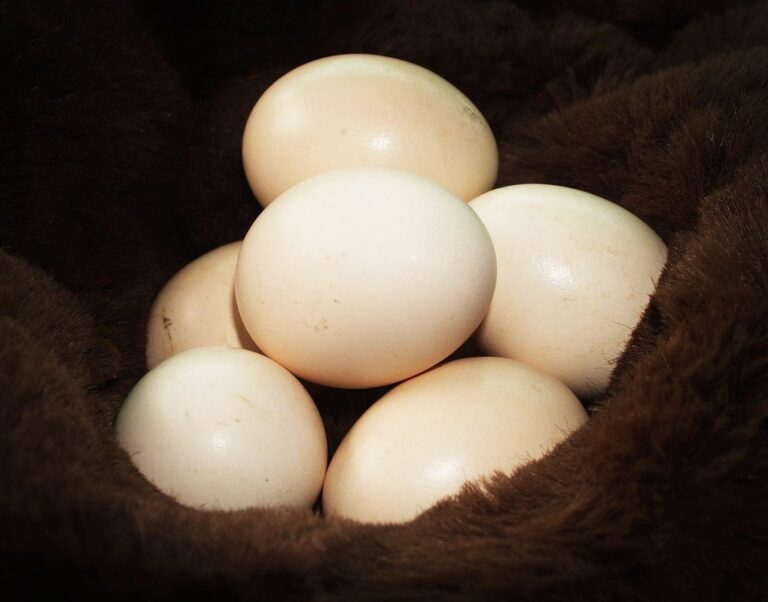
Introduction to Dark Brown Egg Chickens
Dark brown egg chickens are a popular choice for backyard flocks due to their exceptional egg-laying abilities and hardy nature, making them a great starting point for new chicken keepers. Let’s dive into what makes these birds so unique.
What are Dark Brown Egg Chickens?
Dark brown egg chickens are a popular breed among backyard flock enthusiasts due to their unique characteristics and exceptional laying abilities. Originating from Southeast Asia, these birds have been selectively bred for their desirable traits over centuries.
One of the most notable features of dark brown egg chickens is their rich, dark-brown eggs, which range in color from dark chocolate to deep espresso. These eggs are not only aesthetically pleasing but also a testament to the breed’s excellent laying abilities, with many hens producing up to 280 large brown eggs per year.
Dark brown egg chickens are also known for their friendly and docile nature, making them an ideal choice for families or beginners. They are relatively small in size, with roosters weighing around 5-6 pounds and hens reaching about 4-5 pounds, taking up minimal space in your backyard flock.
Their unique characteristics don’t stop there; dark brown egg chickens are also heat-tolerant and adapted to warmer climates, making them an excellent choice for those living in regions with hot summers. With proper care and attention, these birds can thrive in a variety of environments, providing you with a steady supply of delicious eggs.
History of Dark Brown Egg Chickens
The history of dark brown egg chickens dates back centuries, with evidence suggesting that these birds were first bred in Europe and Asia during the 18th century. Originally, they were known as “Marans” in France, named after a village where the breed was developed. Initially, Marans were prized for their rich, chocolate-brown eggs, which were believed to have medicinal properties.
Over time, poultry farmers began to crossbreed Marans with other breeds to enhance egg production and durability. This selective breeding led to the development of various strains, including the Belgian Beukenhout Marans, which are known for their exceptional egg-laying abilities. Today, dark brown egg chickens are popular among backyard chicken keepers and commercial farmers alike due to their hardiness, adaptability, and impressive laying capabilities.
It’s worth noting that some breeders have experimented with crossbreeding dark brown egg chickens with other breeds, resulting in hybrids like the Easter Egger. While these hybrids offer improved egg production, they may compromise on the distinctive characteristics of the original breed.
Characteristics of Dark Brown Egg Chickens
When it comes to choosing a chicken breed, understanding their characteristics is crucial for determining whether they’re a good fit for your farm. Let’s take a closer look at some of the key traits of Dark Brown Egg chickens.
Physical Characteristics
Dark brown egg chickens are a delight to behold, with their unique physical characteristics making them easily identifiable. When it comes to size, dark brown egg chickens can range from medium to large, weighing between 4-6 pounds (1.8-2.7 kg) and standing about 24-26 inches (61-66 cm) tall. Their sturdy build and compact bodies make them well-suited for backyard flocks.
One of the most distinctive features of dark brown egg chickens is their plumage. They have a rich, warm brown coat with subtle undertones of red or gold, depending on the breed. The feathers are often smooth and glossy, with a slight sheen that catches the light. In addition to their beautiful plumage, dark brown egg chickens also boast impressive beak shapes, which can range from medium to long in length. Their beaks are usually straight or slightly curved, perfect for pecking at grain and other treats.
When it comes to selecting dark brown egg chickens for your flock, look for birds with these distinctive physical characteristics. By choosing birds that meet your desired standards, you’ll be well on your way to raising healthy and productive birds.
Temperament and Personality
The temperament and personality of Dark Brown Egg Chickens make them an excellent choice for backyard flocks. Known for their docility, these birds are easy-going and calm, making them a great fit for families with children or for farmers who want a stress-free flock. They are also incredibly friendly, often seeking out human interaction and affection.
One of the most impressive traits of Dark Brown Egg Chickens is their adaptability to different environments. Whether you’re raising them in a small backyard coop or on a larger farm, they can thrive in various conditions. This makes them an excellent choice for farmers who may not have extensive experience with chickens.
In terms of personality, Dark Brown Egg Chickens are known for being curious and energetic birds. They love to explore their surroundings and will often venture out of the coop to search for treats or scratches behind the ears. With proper care and attention, these birds can become beloved members of your family, providing entertainment and companionship for years to come.
It’s worth noting that Dark Brown Egg Chickens are also relatively quiet compared to other breeds, making them a great choice for suburban areas where noise may be a concern.
Health Benefits of Dark Brown Egg Chickens
Dark brown egg chickens offer a multitude of health benefits, making them an excellent choice for backyard flocks and families seeking a nutritious lifestyle. From improved vitamin intake to reduced risk of certain diseases, these birds have much to offer.
Nutritional Value of Their Eggs
When it comes to the nutritional value of dark brown egg chicken eggs, they stand out from their lighter counterparts. Dark brown egg chickens produce eggs that are rich in antioxidants and omega-3 fatty acids, making them an excellent choice for those looking to improve their overall health.
One of the key benefits of dark brown egg chicken eggs is their high content of antioxidants. These powerful compounds help protect cells from damage caused by free radicals, which can contribute to chronic diseases like cancer and heart disease. Studies have shown that consuming eggs rich in antioxidants can reduce the risk of certain cancers, such as colon and breast cancer.
In addition to antioxidants, dark brown egg chicken eggs are also a good source of omega-3 fatty acids. These essential fatty acids play a crucial role in brain function and development, as well as heart health. Omega-3s have been shown to lower triglycerides, reduce inflammation, and even alleviate symptoms of depression.
If you’re looking to incorporate dark brown egg chicken eggs into your diet, consider the following tips: choose eggs from pasture-raised or free-range birds for optimal nutritional benefits; store eggs in the refrigerator at a temperature below 40°F (4°C) to preserve their nutrient content; and try baking or poaching eggs for a healthier cooking method.
Disease Resistance
One of the most significant advantages of dark brown egg chickens is their robust disease resistance. This breed has been bred to thrive in various environments and conditions, making them less susceptible to common chicken diseases. In fact, studies have shown that dark brown egg chickens are more resistant to Marek’s disease, a viral condition that affects many breeds.
Compared to other popular chicken breeds, dark brown egg chickens have a lower mortality rate due to disease. According to the National Chicken Council, dark brown egg chickens have a 10-15% lower mortality rate compared to white Leghorns, one of the most common commercial breeds. This is likely due to their robust immune system and genetic makeup.
As a responsible chicken keeper, it’s essential to understand that proper nutrition, hygiene, and health care are still crucial for maintaining your flock’s overall health. However, with dark brown egg chickens, you can enjoy a lower risk of disease-related issues. To further boost their natural defenses, make sure to provide a balanced diet rich in vitamins and minerals, ensure clean living conditions, and monitor their health closely.
Keep in mind that no breed is completely immune to disease, so regular check-ups and preventative measures are still necessary. Nonetheless, dark brown egg chickens offer a promising advantage when it comes to disease resistance. By choosing this breed, you’ll be taking the first step towards raising a healthier and more resilient flock.
Raising Dark Brown Egg Chickens: Tips and Best Practices
When it comes to raising healthy dark brown egg chickens, there are a few key considerations to keep in mind as you plan their care. Let’s dive into some essential tips for success.
Housing and Equipment Requirements
When it comes to raising dark brown egg chickens, providing a suitable living space is crucial for their health and productivity. The housing and equipment requirements for these birds are similar to those of other chicken breeds, but it’s essential to consider their specific needs.
A good rule of thumb for housing dark brown egg chickens is to provide at least 3-4 square feet per bird inside the coop and 8-10 square feet in the run. This will give them enough room to move around comfortably, exercise, and engage in natural behaviors like scratching and pecking. It’s also vital to ensure proper ventilation to prevent ammonia buildup from their droppings.
You’ll need to install windows or vents that allow for airflow while keeping predators out. Consider using a coop with a covered run to protect the chickens from harsh weather conditions. A roost bar at least 2 feet off the ground will also help keep them clean and dry.
When it comes to equipment, provide food and water dishes that are heavy enough not to tip over easily. Use a nesting box for each 3-4 hens, making sure they’re easy to access and have adequate bedding material like straw or hay.
Diet and Nutrition
When it comes to raising dark brown egg chickens, providing them with a balanced diet and access to fresh water is crucial for their overall health and productivity. A well-planned feeding regimen will not only ensure that your birds are laying healthy eggs but also contribute to their longevity.
For dark brown egg chickens, it’s essential to provide a mix of protein sources such as high-quality layer feed, grains, fruits, and vegetables. Aim to include around 16-18% protein in your chicken’s diet, which will meet their nutritional needs for optimal health and egg production. You can also supplement with calcium-rich foods like oyster shells or crushed eggshells to support strong beak growth and eggshell development.
Remember that fresh water should always be available to your birds. A good rule of thumb is to provide one gallon of water per three chickens, and ensure the water source is clean and free from contaminants. Aim to change the water daily to prevent bacterial growth and keep your birds hydrated throughout the day.
Breeding and Genetics of Dark Brown Egg Chickens
When it comes to raising healthy and productive dark brown egg chickens, understanding their breeding and genetics is crucial for success. Let’s dive into how breeders select and cross-breed these birds.
Breed Standards and Selection Criteria
When breeding dark brown egg chickens, understanding breed standards and selection criteria is crucial to produce high-quality birds that meet the desired traits. The first step is to identify the breed’s genetic characteristics, which determine its ability to lay dark brown eggs. This involves considering factors such as egg size, shape, color intensity, and production rate.
For example, a good dark brown egg chicken should lay eggs with a rich, chocolate-brown color that is consistent in shade and saturation. The eggs should also have a moderate to large size range, with an average weight of around 55-60 grams. In terms of temperament, the birds should be friendly, docile, and easy to handle.
When selecting breeding stock, it’s essential to choose individuals that exhibit these desirable traits consistently. This involves evaluating multiple generations of breeding records to identify patterns and trends in egg production, fertility, and overall health. By applying a thorough selection process, breeders can increase the chances of producing offspring with the desired characteristics, ultimately leading to a flock of healthy and productive dark brown egg chickens.
Improving Flock Health through Selective Breeding
When it comes to improving flock health through selective breeding, it’s essential to prioritize genetic diversity and resistance to common diseases. Dark brown egg chickens can be prone to issues like Marek’s disease, which is a significant concern for many backyard chicken keepers.
To address this challenge, you can work with a reputable breeder or develop your own breeding program that focuses on selecting birds with desirable traits. Look for individuals that exhibit high vigor and robustness, as well as those with a proven track record of producing healthy offspring.
One key strategy is to select parents from different genetic backgrounds, which can help reduce the risk of inherited diseases. This approach can also lead to more resilient flocks overall. Additionally, consider incorporating birds with natural immunity to common pathogens into your breeding program.
By implementing selective breeding practices that prioritize health and diversity, you can create a flock that’s better equipped to handle disease outbreaks and other challenges. This proactive approach will not only benefit the individual birds but also contribute to the long-term sustainability of your dark brown egg chicken operation.
Dark Brown Egg Chicken Care: Common Issues and Solutions
As you raise your dark brown egg chickens, you may encounter some common issues that can affect their health and productivity. Let’s tackle these problems together with effective solutions.
Managing Mites and Lice
Managing mites and lice infestations is a common issue that can affect even healthy dark brown egg chickens. These external parasites feed on the birds’ skin, feathers, and blood, causing discomfort, stress, and reduced egg production. It’s essential to detect and treat these problems promptly to prevent further complications.
Mites are typically visible as tiny dots moving around the bird’s body, especially around the eyes, nostrils, and ears. They can also cause an itchy sensation on the skin, leading to feather pecking or excessive scratching. Lice, on the other hand, tend to congregate in areas like the wings, tail feathers, and vent area.
Regular inspections are crucial in detecting these parasites early on. Check your flock’s birds regularly for signs of mites and lice, such as fine dust particles around the eyes, excessive preening, or visible parasite eggs. If you notice any of these symptoms, treat your flock with an appropriate insecticide according to the product’s instructions.
To prevent re-infestation, ensure good ventilation in your coop, keep it clean, and maintain a balanced diet for your dark brown egg chickens.
Preventing Heat Stress
Heat stress is a significant concern for dark brown egg chickens, especially during hot summer months. It occurs when birds struggle to cool themselves, leading to overheating and potentially life-threatening conditions. To prevent heat stress, provide your flock with adequate shade, ventilation, and water.
Ensure your coop has proper airflow by installing windows or vents that allow fresh air to circulate. Also, consider using a misting system or sprinklers to keep the birds cool. During extremely hot days, reduce the number of hours they spend in the coop by letting them out earlier or providing extra shade.
Provide an unlimited supply of fresh water, and make sure it’s easily accessible to prevent dehydration. You can also add ice packs or frozen gel packs to their watering system for extra cooling power. Additionally, monitor your birds’ behavior closely during heatwaves, watching for signs like panting, lethargy, or excessive thirst.
Keep in mind that even with proper care, some breeds are more susceptible to heat stress due to their genetics. If you notice any symptoms, provide immediate relief by moving them to a cooler area and increasing water intake.
Conclusion and Final Thoughts on Raising Dark Brown Egg Chickens
Now that you’ve learned how to raise healthy and productive dark brown egg chickens, let’s wrap up our comprehensive guide with some final thoughts on their unique benefits.
Summary of Key Takeaways
In this comprehensive guide, we’ve explored the wonderful world of dark brown egg chickens. If you’re looking to raise healthy and productive birds, here are the key takeaways:
To begin with, dark brown egg chickens have a unique personality that’s perfect for backyard flocks. They’re known for their gentle nature, making them an excellent choice for families with children or for those who want a more laid-back flock dynamic.
In terms of nutrition, these birds require a balanced diet rich in protein and calcium to promote strong eggshell production. Feed them a mix of high-quality commercial layer feed and fresh vegetables, and supplement with oyster shells to support their skeletal health.
Another crucial aspect of raising dark brown egg chickens is providing adequate space and exercise. Ensure your flock has enough room to roam and engage in foraging activities to keep them stimulated and healthy.
When it comes to health issues, be on the lookout for common problems like respiratory infections and mites. Regularly clean coops, provide fresh water, and schedule regular check-ups with a veterinarian to prevent these issues.
By incorporating these best practices into your flock management routine, you’ll be well on your way to raising happy, healthy, and productive dark brown egg chickens that will reward you with delicious eggs for years to come.
Future Directions for Research and Improvement
As you continue on your journey of raising dark brown egg chickens, it’s essential to consider future directions for research and improvement. One area that deserves more attention is the development of breeding programs focused on improving egg production efficiency. Currently, many breeders prioritize aesthetics over performance, resulting in birds that may not meet the demands of commercial producers.
To address this issue, researchers should focus on identifying genetic markers associated with improved egg production traits such as fertility and broodiness. This could be achieved through collaboration between industry experts and academic institutions. Additionally, improving nutrition and management practices can also boost productivity.
You can contribute to the field by participating in research studies or providing feedback to breeders about their needs. For instance, you might consider sharing your experiences with specific feed supplements or coop designs that have positively impacted your flock’s performance. By working together, we can create a more resilient and productive population of dark brown egg chickens for generations to come.
Frequently Asked Questions
Can I raise Dark Brown Egg Chickens with other breeds?
Yes, Dark Brown Egg Chickens are known to be friendly and social birds that integrate well with other breeds. In fact, they can benefit from being part of a mixed flock, as this can help reduce stress and encourage natural behaviors.
When introducing them to other birds, it’s essential to follow proper acclimation procedures to ensure a smooth transition. Start by keeping the Dark Brown Egg Chickens separate for a few days before mixing them with your existing flock.
How often should I collect eggs from my Dark Brown Egg Chicken coop?
Dark Brown Egg Chickens are prolific layers and can produce up to 300 large, dark-brown eggs per year. To encourage continuous egg production, it’s recommended to collect eggs daily or at least every other day. This will help maintain a clean and dry environment, reducing the risk of bacterial contamination.
Remember to handle the eggs gently to avoid breakage, as this can reduce their quality and appeal.
Can I keep Dark Brown Egg Chickens in a small backyard?
Yes, Dark Brown Egg Chickens are relatively low-maintenance birds that can thrive in small backyards. They require about 2-4 square feet of space per bird inside the coop and at least 8-10 hours of sunlight daily outside.
When choosing a location for your coop, ensure it’s well-ventilated, protected from extreme weather conditions, and within easy access to fresh water and feed.
How do I deal with mites and lice on my Dark Brown Egg Chickens?
Managing parasites like mites and lice is crucial for maintaining the health of your flock. Regularly inspect your birds’ feathers and skin, looking for signs of infestation such as excessive scratching or lethargy.
To treat an infestation, use a recommended pest control product specifically designed for poultry, following the manufacturer’s instructions carefully. Clean and disinfect the coop thoroughly to prevent re-infestation.
Can Dark Brown Egg Chickens be used for meat production?
While Dark Brown Egg Chickens are primarily raised for their exceptional egg-laying abilities, they can also be used as a dual-purpose breed. With proper management and nutrition, they can grow to a healthy weight suitable for processing into meat.
However, it’s essential to note that their growth rate may not be as rapid as other breeds specifically bred for meat production. Be sure to research local regulations regarding the sale of home-raised poultry for meat consumption.