
If you’re an avid backyard chicken enthusiast or simply curious about these charming birds, you’ve probably heard of the Buff Orpington. But did you know that their egg-laying abilities are just as fascinating? Not only do they produce delicious brown eggs, but understanding the factors that influence their color can also give you valuable insights into raising healthy hens. In this article, we’ll delve into the world of Buff Orpington chickens and explore what makes their eggs so distinctive. We’ll discuss the genetic and environmental factors that affect egg color, as well as provide practical tips for promoting optimal health in your flock. Whether you’re a seasoned breeder or just starting out, discovering the intricacies of Buff Orpington egg production will surely enrich your appreciation for these wonderful birds.
The Breed’s History and Characteristics
Let’s dive into the history of Buff Orpingtons, a breed known for its friendly disposition, stunning golden plumage, and impressive egg-laying abilities.
Origins of the Buff Orpington
The Buff Orpington breed has its roots in England, where it was first developed in the late 19th century. The creation of this beloved breed is attributed to William Cook, a poultry breeder from London, who aimed to produce a bird that combined the hardiness of a game bird with the gentle nature of an ornamental fowl.
Cook’s vision led him to crossbreed various strains of chicken, including the Black Orpington and the White Wyandotte. The result was a new breed that boasted stunning golden-brown feathers, affectionate personality, and excellent egg-laying abilities. Initially called the “Gold Lakenvelder,” it wasn’t until 1894 that Cook rebranded his creation as the Buff Orpington.
Today, the Buff Orpington is one of the most popular backyard chicken breeds worldwide, prized for its docile nature, rich egg production (around 200-220 brown eggs per year), and attractive plumage. If you’re considering bringing home a Buff Orpington, be prepared to fall in love with their gentle clucks and impressive egg-laying abilities. With proper care and attention, these friendly birds will reward you with years of joyful companionship and a steady supply of fresh eggs.
Physical Characteristics of Buff Orpingtons
Buff Orpingtons are a popular and beloved breed known for their gentle nature and stunning appearance. When it comes to physical characteristics, these chickens truly stand out.
Their plumage is one of the most distinctive features of Buff Orpingtons – soft, fluffy, and buff-colored, ranging from a light golden yellow to a deep orange-yellow hue. The feathers are long and flowing, giving them a beautiful, rounded appearance. This stunning plumage makes them a favorite among backyard chicken keepers and enthusiasts alike.
In terms of size, Buff Orpingtons are considered a medium-large breed, with hens weighing between 9-12 pounds (4-5 kg) and roosters reaching up to 15 pounds (6.8 kg). This generous size makes them well-suited for families or small farms looking for chickens that can provide plenty of eggs and entertainment.
One of the most significant physical characteristics of Buff Orpingtons is their egg-laying ability – on average, they produce around 200-220 brown eggs per year, with some hens laying up to 250. This impressive production rate, combined with their friendly temperament and stunning appearance, makes them an ideal choice for many chicken keepers.
Temperament and Personality
When it comes to raising Buff Orpington chickens, one of the most appealing aspects is their temperament and personality. These birds are known for their docile nature and friendly disposition, making them an excellent choice for families with children or for those who want a low-maintenance pet.
Buff Orpingtons are often described as gentle giants, with adults typically weighing between 4-6 pounds. They have a calm demeanor and are not prone to aggression, even when handled regularly. In fact, these birds love human interaction and will often follow their owners around the yard or coop.
One of the best ways to encourage friendly behavior in your Buff Orpingtons is to start socializing them from an early age. This means handling them gently and frequently, getting them used to being picked up and handled. With proper care and attention, these birds will grow into confident and affectionate companions that bring joy to any backyard flock.
Their docile nature also makes them a great choice for beginners, as they are less likely to stress or cause trouble in the coop. Overall, Buff Orpingtons are a wonderful addition to any family farm or backyard flock, providing not only delicious eggs but also endless entertainment and companionship.
Egg Production and Color Variations
Let’s dive into the fascinating world of egg production, where you’ll discover how buff Orpingtons’ unique characteristics influence their egg color variations. You’ll learn about the different shades and hues that make these eggs so distinctive.
Average Egg Production
If you’re planning to raise Buff Orpington hens for their rich brown eggs, it’s essential to understand their average egg production. On average, a healthy adult Buff Orpington hen will lay around 280-300 large brown eggs per year. This translates to about 5-6 eggs per week, with most hens pecking out one or two eggs per day.
While individual egg-laying capacity can vary depending on factors like nutrition, health, and breed characteristics, Buff Orpingtons are known for their consistent production. To maximize your flock’s overall egg yield, provide them with a balanced diet rich in protein, calcium, and other essential nutrients. You should also ensure that they have enough space to roam and engage in physical activity.
In terms of daily egg-laying capacity, some Buff Orpingtons may lay an egg every 24-26 hours, while others may go for 48 hours or more between lays. This irregularity is normal, as hens often follow a natural cycle influenced by factors like daylight exposure and breeding status. By understanding your hens’ individual egg-laying patterns and making adjustments to their care accordingly, you can encourage them to reach their full potential.
Brown Egg vs. Blue or Green Egg Production
When it comes to the color of eggs laid by Buff Orpington hens, several factors come into play. Genetics, nutrition, and environmental conditions all have a significant impact on the final result.
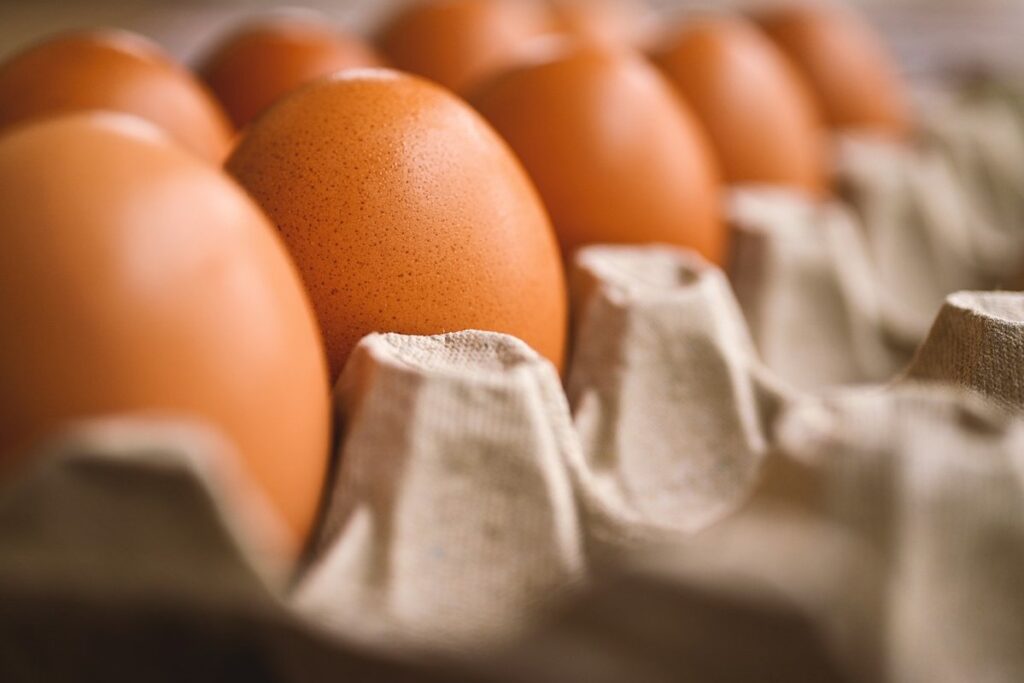
Genetics are the primary influencer when it comes to eggshell color. As a breed, Buff Orpingtons will always lay eggs with a brown tint due to their genetic makeup. However, within this breed, individual hens can still exhibit slight variations in eggshell color intensity and shade. Nutrition plays a lesser but still important role in determining the final color of an egg. Hens that have access to a diverse diet rich in calcium will often produce eggs with more vibrant, richer hues.
Environmental conditions such as stress levels, light exposure, and temperature can also affect the color of eggs laid by Buff Orpington hens. For instance, high stress levels or extreme temperatures can cause hens to lay eggs with duller, less intense colors. On the other hand, providing a calm environment with adequate lighting can promote healthier hens that produce more vibrant eggs.
By understanding these factors and taking steps to optimize your hens’ living conditions, you can encourage them to produce the most attractive brown eggs possible.
Other Factors Affecting Egg Color
When it comes to Buff Orpington egg color, several factors beyond genetics can influence the final result. A well-balanced diet is essential for healthy hens and optimal egg production. A lack of essential nutrients like calcium, vitamin D3, or omega-3 fatty acids can cause eggs to be pale, irregularly colored, or even spotted.
Age also plays a significant role in determining egg color. Younger hens may produce lighter-colored eggs due to their developing reproductive system. As they mature and reach peak production around 18-24 months, egg colors tend to stabilize.
Health issues, such as parasites, stress, or disease, can also impact egg color and quality. For example, a hen with a respiratory infection may lay pale or spotted eggs. Maintaining good flock health through regular vaccinations, parasite control, and providing clean living conditions is crucial for consistent egg production.
Providing a nutrient-rich diet and ensuring the hens’ overall well-being will help you achieve more consistent and vibrant egg colors from your Buff Orpington hens. Monitor their health and adjust their care accordingly to optimize egg color and quality.
Tips for Raising Buff Orpingtons for Better Egg Production
To get the most out of your buff orpington flock, follow these essential tips for raising them to boost egg production and improve overall health. Proper care and attention make all the difference!
Nutrition and Diet
A balanced diet is essential for Buff Orpington hens to produce healthy eggs. These birds are dual-purpose, meaning they provide both meat and egg production, so it’s crucial to meet their nutritional needs. A layer feed specifically formulated for laying hens should comprise about 16-18% protein and contain essential vitamins and minerals.
In addition to commercial layer feed, supplement your Buff Orpingtons’ diet with fresh fruits and vegetables daily. Leafy greens like kale, spinach, and collard greens are excellent sources of calcium and iron, vital for maintaining strong eggshell quality. Offer sliced carrots, apples, or berries as treats in moderation. Calcium-rich foods help ensure that eggs have strong shells.
To promote optimal egg production, also provide access to oyster shell grit. This helps the hens absorb calcium more efficiently from their diet, leading to better overall health and consistent egg-laying. Ensure clean drinking water is always available for your Buff Orpingtons. Monitor their intake regularly to prevent any potential deficiencies in their diet.
It’s recommended that you maintain a layer feed-free zone by providing a mix of grains like oats and barley alongside the commercial layer feed. This practice will help minimize reliance on artificial additives often present in store-bought feeds.
Health Considerations
When raising Buff Orpingtons for better egg production, it’s essential to consider their health and well-being. These lovely birds are generally a hardy breed, but they can be prone to certain health issues that can impact their productivity.
Some common health concerns affecting Buff Orpingtons include Marek’s disease, respiratory infections, and obesity. Marek’s disease is a viral infection that can cause swelling of the eyes, neck, and wattles, as well as impaired egg-laying abilities. Respiratory infections can be triggered by poor ventilation or unsanitary living conditions. Obesity can lead to reduced egg production, as excess weight puts additional strain on the bird’s reproductive system.
To maintain your Buff Orpingtons’ overall health and well-being, ensure they have access to clean water, nutritious feed, and a safe, spacious living area. Regularly inspect their eyes, beaks, and feet for signs of illness or injury, and keep their enclosure clean and free from drafts. A balanced diet that includes a mix of protein-rich foods, such as mealworms or crickets, can also help support egg production and overall health.
By prioritizing your Buff Orpingtons’ health and well-being, you’ll not only ensure they thrive but also optimize their egg-laying abilities.
Providing Adequate Space and Shelter
Providing your Buff Orpington hens with adequate space and shelter is crucial for promoting stress-free living and optimal egg production. These birds are known to be friendly and docile, but they still need a safe and comfortable environment to thrive.
When it comes to space, consider the breed standard for Buff Orpingtons. They require about 3-4 square feet of space per bird inside the coop, and at least 8-10 hours of sunlight daily. Ensure your coop has adequate ventilation to prevent ammonia buildup from droppings and keep your birds healthy.
In terms of shelter, a sturdy coop with secure doors and windows will protect your hens from predators and harsh weather conditions. Add some nesting boxes (about one per 3-4 hens) to encourage laying behavior and make egg collection easier.
To promote stress-free living, provide a balanced diet, fresh water, and regular cleaning of the coop. This will help maintain a healthy environment and prevent your Buff Orpingtons from getting stressed or anxious. Remember, happy birds lay better eggs!
Common Misconceptions about Buff Orpington Egg Color
Many novice chicken keepers assume that Buff Orpingtons lay brown eggs, but some people have shared conflicting experiences, leading to confusion about their true egg color. Let’s set the record straight!
Debunking Myths about Blue or Green Eggs
One common misconception about Buff Orpington eggs is that they are blue or green. However, this is not always the case. While some chicken breeds can lay blue or green eggs due to a genetic trait, this is not true for Buff Orpingtons.
The idea that egg color is genetically determined is also a myth when it comes to Buff Orpingtons. In reality, the shell color of an egg is influenced by the pigments present in the hen’s body. Oxytocin and porphyrins are two types of pigments that contribute to eggshell color. However, these pigments do not determine the blue or green hue.
If you’re wondering why some Buff Orpington eggs might appear slightly different, it’s often due to environmental factors such as diet, stress levels, or exposure to certain minerals in the soil. This can cause variations in eggshell color but does not mean that the hen is laying blue or green eggs.
It’s essential to note that true blue or green eggs are a result of specific genetic traits found in breeds like Araucanas and Ameraucanas. If you’re looking for hens that lay these types of eggs, it’s best to consider purchasing from reputable breeders who specialize in these specific breeds.
Separating Fact from Fiction
When it comes to Buff Orpington egg color, there’s a lot of misinformation floating around. Many people claim that these hens lay blue eggs, but is this really true? To separate fact from fiction, let’s take a closer look at the evidence.
One common myth is that Buff Orpingtons are autosexing breeds, meaning their sex can be determined at hatch based on egg color alone. However, this isn’t entirely accurate. While it’s true that some of their eggs may have a slightly blue or green tint, this doesn’t necessarily mean they’re laying blue eggs. In reality, the shell pigmentation of Buff Orpington eggs is usually more of a pale brown or beige color.
So, what’s behind these varying reports? It all comes down to individual bird variations and environmental factors. Genetics can play a role in determining eggshell color, but it’s also influenced by diet, age, and other external factors. To give you a better idea, studies have shown that even within the same breed, there can be significant variation in eggshell pigmentation.
In practical terms, this means that if you’re looking to determine the sex of your Buff Orpington chicks at hatch, relying solely on egg color may not be the most reliable method. Instead, consider using other indicators like feather and comb development or genetic testing for more accurate results.
Conclusion and Final Thoughts
Now that we’ve covered the basics of Buff Orpington chicken egg color, let’s wrap up our journey by summarizing key takeaways. We’ll also provide final thoughts on what you can expect from your flock’s eggs.
Recap of Key Takeaways
In this comprehensive guide to Buff Orpington chicken egg color, we’ve explored various aspects of this popular breed. Let’s recap the key takeaways:
The Buff Orpington is a heritage chicken breed known for its gentle and friendly nature, making it an excellent choice for backyard flocks. Originating in England in the late 19th century, this breed was developed to provide meat, but its high egg production has made it a favorite among egg enthusiasts.
Through our exploration of Buff Orpington characteristics, we learned that their eggs typically range from brown to reddish-brown in color, with some individuals producing lighter or darker shades. We also discussed the factors influencing egg color, such as genetics and diet.
Practical advice for raising Buff Orpingtons includes providing a balanced diet rich in calcium to support optimal egg production. With proper care and attention, these gentle birds can thrive in your flock, delivering high-quality eggs while bringing joy and companionship to your backyard. By understanding the characteristics and needs of Buff Orpingtons, you’ll be well-equipped to raise happy and healthy chickens that will reward you with delicious eggs for years to come.
Encouragement for Readers to Try Raising Buff Orpingtons
As you’ve now gained a deeper understanding of Buff Orpington chicken egg color, we hope this newfound knowledge has sparked an interest in raising these wonderful birds. If you’re considering adding some new feathered friends to your flock, we encourage you to give Buff Orpingtons a try. Their friendly and docile nature makes them an excellent choice for backyard flocks of all sizes.
One of the standout benefits of raising Buff Orpington hens is their incredible egg-laying abilities. As we’ve discussed throughout this guide, they’re known to produce a moderate number of large brown eggs per week. Not only will you enjoy these delicious and nutritious eggs in your daily meals, but you’ll also appreciate the joy of watching your girls roam freely in your backyard.
If you’re new to raising chickens, don’t worry – Buff Orpingtons are an excellent choice for beginners. They’re easy-going and adaptable, making them a great fit for families or individuals looking to get started with chicken keeping. With proper care and attention, your Buff Orpingtons will reward you with years of companionship and delicious eggs. So why not give it a try?
Frequently Asked Questions
Can I raise Buff Orpingtons if I have limited space?
Yes, while Buff Orpingtons do require some space to roam, they are generally adaptable to smaller backyards or even indoor settings with proper care and attention. Consider investing in a coop or enclosure that provides adequate ventilation and protection from the elements.
How does the diet of my Buff Orpingtons affect their egg color?
A balanced and nutrient-rich diet plays a crucial role in maintaining optimal health and fertility in your flock. Feed your Buff Orpingtons a high-quality layer feed that includes essential vitamins and minerals, such as calcium and vitamin D3, to promote strong eggshell production and vibrant egg colors.
Can I expect all of my Buff Orpingtons to lay eggs with the same color?
No, while most Buff Orpingtons will produce brown eggs, some may lay eggs with a slightly lighter or darker tint due to individual genetic variations. This is completely normal and should not be cause for concern. Simply ensure that your hens have access to a balanced diet and regular health checks.
How often should I collect and clean my Buff Orpingtons’ eggs?
Regular egg collection and cleaning are essential for maintaining a healthy flock and preventing bacterial contamination. Aim to collect eggs daily, ideally in the morning when they’re coolest, and wash them gently with warm water and a mild detergent.
What’s the average lifespan of a Buff Orpington hen?
Buff Orpingtons are known for their long lifespan, typically living between 8-12 years or more in ideal conditions. Regular health checks, proper nutrition, and adequate care can help promote longevity and overall well-being in your flock.