
If you’re raising Buff Orpington hens, chances are you’re curious about their egg-laying abilities. These friendly and docile birds are popular among backyard chicken keepers for their rich brown eggs, but did you know that they can produce a range of colors? From the classic dark brown to lighter shades and even occasional blues or greens, Buff Orpington hens’ egg color is a fascinating topic. But it’s not just about aesthetics – understanding how to optimize their performance will also have a direct impact on overall health and well-being. In this article, we’ll delve into the world of Buff Orpington hens‘ egg production, exploring average production rates, factors that affect quality, and tips for maximizing your girls’ productivity and happiness. Whether you’re an experienced breeder or just starting out, this guide will help you get the most out of your feathered friends.
Understanding Buff Orpington Breed Characteristics
As we delve into the wonderful world of Buff Orpington hens, let’s explore their breed characteristics that influence the beautiful colors of their eggs. Their gentle nature and friendly demeanor are just a few traits you’ll want to know about!
Origins and History of the Breed
The Buff Orpington breed has a rich and fascinating history that spans over a century. Originating in England in the late 1800s, this breed was developed by William Yarrow, an English poultry breeder who aimed to create a chicken that was both beautiful and productive. The Buff Orpington’s ancestors were a mix of various breeds, including the Sussex, Langshan, and Brahma, which were carefully selected for their distinctive golden-brown plumage.
In the early 1900s, the Buff Orpington breed gained popularity in England and quickly spread to other parts of the world. Their unique characteristics, such as their friendly and docile nature, made them an instant hit among chicken enthusiasts. Today, the Buff Orpington is considered one of the most popular breeds globally, prized for its rich brown eggs and striking appearance.
The breed’s history has had a lasting impact on the development of modern poultry farming. The Buff Orpington’s adaptability and hardiness have made it an ideal choice for backyard chicken keepers and commercial farmers alike.
Temperament and Personality Traits
When it comes to keeping Buff Orpington hens as pets or for egg production, their temperament and personality traits are just as important as their egg-laying abilities. These gentle girls are known for their friendly and docile nature, making them an excellent choice for families with children or those new to backyard chicken-keeping.
One of the standout characteristics of Buff Orpington hens is their calm demeanor. They’re not easily stressed or intimidated, which means they’ll continue to lay eggs even in a busy backyard environment. In fact, studies have shown that Buff Orpingtons are one of the top breeds for stress-free egg-laying.
In terms of personality, Buff Orpingtons are often described as affectionate and social birds. They love human interaction and will happily follow you around the yard or perch on your shoulder. This makes them a great choice for those who want to build a strong bond with their flock.
When introducing new chickens to your existing flock, it’s essential to do so slowly and under close supervision. This is especially true when introducing Buff Orpingtons, as they can be prone to dominance in larger groups. By introducing them gradually, you’ll help prevent any conflicts and ensure a harmonious coop environment.
Egg-Laying Performance and Characteristics
Let’s dive into how Buff Orpington hens actually lay their eggs, including frequency, size, and any notable characteristics you should know. We’ll explore what makes their egg-laying performance unique.
Average Egg Production and Size
When it comes to egg production and size, Buff Orpington hens are known for their remarkable performance. On average, a healthy Buff Orpington hen will lay around 200-220 brown eggs per year. However, this number can vary depending on factors such as nutrition, living conditions, and individual bird characteristics.
In terms of egg size, Buff Orpingtons tend to produce medium to large-sized eggs, with an average weight of around 50-55 grams. While some hens may lay smaller or larger eggs, this is a general guideline for what you can expect from your flock.
It’s worth noting that egg production and quality can be influenced by factors such as diet, exercise, and stress levels. Providing a balanced and nutritious feed, along with adequate space to roam and exercise, can help optimize egg production and size. Additionally, maintaining a healthy flock through regular health checks and vaccinations can also impact egg quality.
To give you a better idea of what to expect, here are some general guidelines for Buff Orpington egg production:
Egg Color Variation: What to Expect
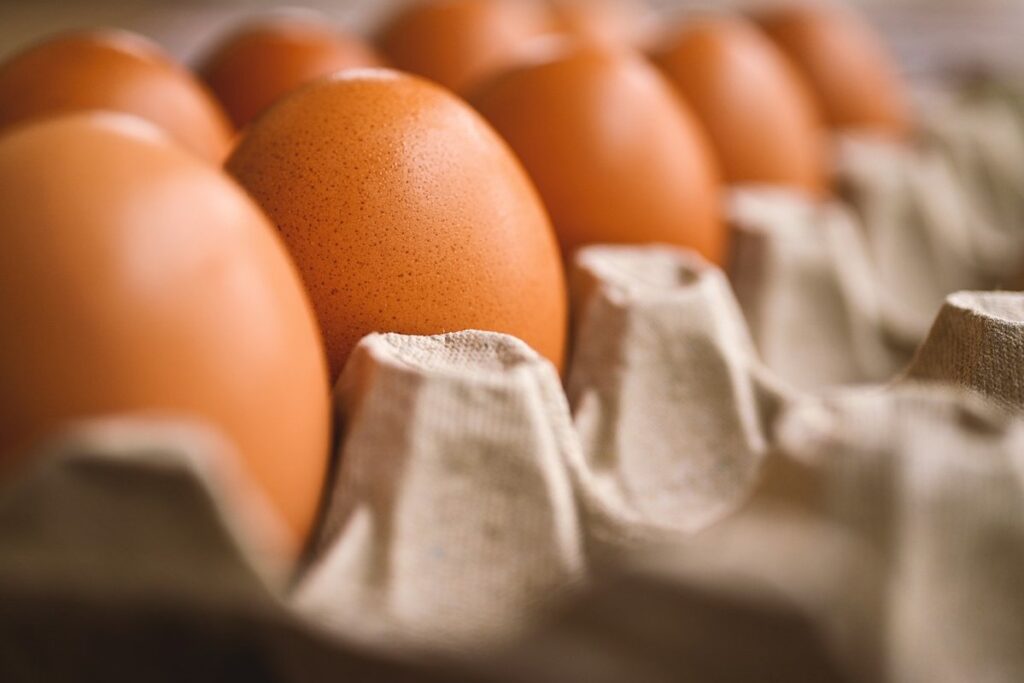
When it comes to the egg color variation of Buff Orpington hens, you can expect a range of colors and shades. The typical egg color for this breed is a light brown or tan, often with a slightly darker or lighter tint depending on individual bird characteristics.
Some Buff Orpington hens may lay eggs with a more pronounced reddish-brown hue, while others might produce eggs with a creamier or whiter undertone. In terms of intensity, egg color can vary from a soft pastel to a deeper, richer brown. It’s not uncommon for some eggs to have slightly darker or lighter spots, swirls, or patches, which are perfectly normal.
While the egg color itself is usually uniform, you might notice occasional variations in cleanliness or shell quality due to individual bird habits or environmental factors such as nutrition, health, and living conditions. However, this shouldn’t be a cause for concern unless it persists or becomes a significant issue. Regular monitoring of your hens’ health and living environment can help prevent any problems with egg production or cleanliness.
Factors Affecting Egg Color and Quantity
When it comes to buff Orpington hen eggs, several factors come into play that determine their color and quantity. Let’s explore these key influences together!
Nutrition and Diet Impact on Egg Production
Nutrition and diet play a crucial role in determining the egg color and quantity of Buff Orpington hens. A balanced diet rich in essential nutrients is vital for optimal egg production. Laying hens require a minimum of 16% protein, which can be obtained from high-quality commercial layer feed or by incorporating animal-based proteins such as mealworms or crickets into their diet.
Research has shown that egg yolk color is influenced by the carotenoid content in the hen’s diet. For example, a study found that hens fed with marigold flowers exhibited significantly darker orange yolks due to the high concentration of xanthophylls, which are pigments responsible for yellow and orange colors.
To optimize feeding practices, it’s essential to provide fresh water at all times and ensure adequate access to calcium-rich feed to prevent eggshell breakage. A diet rich in vitamin E can also promote healthy skin and eggshell production. By paying attention to your Buff Orpington hens’ nutritional needs, you can help maximize their egg production while maintaining the desired egg color characteristics.
Health Considerations and Their Effects on Egg-Laying
When it comes to maintaining optimal egg-laying performance, the health of our Buff Orpington hens is crucial. Unfortunately, reproductive problems and nutritional deficiencies are common issues that can affect their ability to produce eggs regularly. One such problem is reproductive organ damage or diseases like mites and lice infestations which can hinder egg laying.
Another significant factor affecting egg production in Buff Orpingtons is nutritional imbalance. A well-balanced diet rich in essential nutrients is vital for maintaining healthy hens that lay plenty of eggs. Laying hens require a higher protein diet than other chicken types, especially in the first year when their bodies are producing eggs at an incredible rate.
To ensure your Buff Orpingtons get the necessary nutrients, consider adding supplements or adjusting your layer feed to include more protein and calcium content. It’s also essential to provide clean water at all times and a balanced diet with adequate vitamin D3. Regular health checks will also help identify any potential issues before they become major problems.
Managing Your Flock’s Egg Production and Quality
As a Buff Orpington hen owner, you’re probably eager to maximize your flock’s egg production while ensuring the quality of their eggs. This section will help you optimize both aspects for a thriving and productive flock.
Tips for Optimizing Egg Production
To optimize egg production from your buff orpington hens, it’s essential to maintain a healthy flock. Start by providing them with access to fresh water and nutritious feed at all times. A balanced diet that includes high-quality protein sources, calcium, and vitamins will help support their overall health and reproductive well-being.
Make sure they have enough space to roam and exercise, which can be achieved by allocating adequate square footage per bird in the coop or providing regular foraging opportunities outside. Stressed birds tend to produce fewer eggs, so ensure you’re providing a comfortable environment with adequate ventilation, lighting, and temperature control.
Regular flock health checks will also help identify any potential issues before they become major problems. Monitor your hens’ behavior, appetite, and egg production regularly, and consult a veterinarian if you notice any changes or concerns. By prioritizing the health and well-being of your buff orpington hens, you can enjoy higher egg production and better overall flock management.
Common Issues and Solutions for Improving Egg Quality
One of the most crucial aspects of egg production is maintaining high-quality eggs. As Buff Orpington owners, you may encounter issues that affect the quality and appearance of your hens’ eggs. Dark or blue-green veining, for instance, can be a concern if it’s severe enough to make the eggs unappealing or even inedible.
Another common issue is an imbalance of calcium and phosphorus in your flock’s diet. This can cause soft-shelled eggs, where the shell lacks strength and may break easily. To address this problem, ensure you’re providing a balanced layer feed rich in calcium.
Additionally, stress can also impact egg quality by causing eggs to be misshapen or develop blood spots. By maintaining a healthy environment for your flock, minimizing noise levels, and ensuring adequate space for exercise, you can reduce the likelihood of stressed hens producing subpar eggs.
Lastly, cleanliness plays a significant role in maintaining egg quality. Regularly clean your coop, nesting boxes, and feeding areas to prevent bacterial growth that could contaminate eggs.
Buff Orpingtons are generally prolific layers but may require some special attention to their diet and living conditions to ensure optimal egg production and quality.
Integrating Buff Orpington Hens into Your Backyard Flock
If you’re considering adding some lovable buff orpington hens to your flock, introducing them smoothly is crucial for a harmonious backyard ecosystem. We’ll walk you through how to integrate these gentle girls into your existing flock.
Introducing New Birds to the Flock
When introducing new Buff Orpington hens to an existing flock, it’s essential to take a gradual and gentle approach to ensure a smooth transition. This is crucial not only for the well-being of the newcomer but also for maintaining harmony within the flock.
Start by isolating the new hen in a separate area for several days before introducing her to the rest of the group. This allows her to get accustomed to her new environment, reduce stress, and prevent potential conflicts with established hens. Monitor her behavior closely during this period, and make sure she’s comfortable with food, water, and shelter.
When bringing them together, do it in a neutral area where neither flock has prior experience or dominance issues. Supervise their interaction closely, watching for signs of aggression or stress. Gradually increase their time spent together, ensuring both hens are relaxed and happy to coexist peacefully.
Establishing a Successful Breeding Program (Optional)
If you’re interested in taking your Buff Orpington flock to the next level and creating a sustainable breeding program, there are several key factors to consider. Firstly, selection criteria is crucial – when selecting birds for your breeding program, prioritize those with consistent egg-laying abilities, desirable egg coloration, and robust health.
Genetic considerations also play a significant role in establishing a successful breeding program. Understanding the genetic diversity of your flock and ensuring that you’re not over-reliant on a single sire or dam line can help prevent inbreeding depression. Consider implementing a rotational breeding schedule to promote diversity and minimize inbreeding risks.
Another important consideration is maintaining accurate records, including detailed notes on individual bird traits, egg production, and offspring quality. This will enable you to track the progress of your breeding program over time and make informed decisions about which birds to retain or cull.
By carefully selecting for desirable traits and prioritizing genetic diversity, you can establish a thriving Buff Orpington breeding program that produces high-quality hens capable of producing eggs with consistent coloration.
Frequently Asked Questions
Can I expect consistent egg color from my Buff Orpington hens, or will it vary over time?
Yes, the egg color produced by your Buff Orpington hens may vary over time due to factors such as nutrition, health, and breeding. Even within a single flock, you can expect individual birds to produce eggs with different colors and shades. To encourage consistent egg production and desirable egg colors, ensure that your girls are receiving optimal nutrition and have access to fresh water.
How do I know if my Buff Orpington hens are getting enough calcium for strong eggshells?
Ensure your hens are consuming a balanced diet rich in calcium from sources like crushed oyster shells or dark leafy greens. You can also supplement their feed with a calcium-rich additive, but always follow the manufacturer’s guidelines to avoid over-supplementation.
What are some common health issues that can affect my Buff Orpington hens’ egg-laying abilities?
Common health issues affecting egg production in Buff Orpingtons include parasites, mites, and diseases like Marek’s or Avian Influenza. Regular health checks, proper ventilation, and maintaining a clean living environment can help mitigate these risks.
Can I breed my Buff Orpington hens to produce specific egg colors or characteristics?
Yes, selective breeding can be used to influence the color and quality of your birds’ eggs. However, it’s essential to understand that genetic diversity is crucial for maintaining healthy flocks and optimal production rates. Consult with experienced breeders and prioritize genetic diversity when creating a breeding program.
How often should I collect eggs from my Buff Orpington hens to maintain their egg-laying health?
Collecting eggs daily or every other day can help prevent damage, stress, and potential health issues in your flock. This also gives you an opportunity to inspect the eggs for any visible cracks or imperfections that may indicate internal issues with the bird’s reproductive system.