
When it comes to backyard chicken-keeping, one of the most exciting things about raising Speckled Sussex chickens is collecting their eggs. Not only are these birds stunning in appearance, but they also lay gorgeous eggs with unique speckles. However, many breeders and owners wonder why their Speckled Sussex eggs often have brown or tan colors instead of being solid white or cream-colored like some other breeds. In this article, we’ll explore the fascinating world of egg-laying habits in Speckled Sussex chickens, from factors that influence egg color to expert care tips for maximizing the vibrancy of their speckles. By the end of this post, you’ll have a better understanding of how to optimize your Speckled Sussex chickens’ health and living conditions for stunning eggs with beautiful speckles.
Understanding the Breed
To truly appreciate the unique egg color of your Speckled Sussex chicken, it’s essential to understand the breed’s characteristics and origins. Let’s dive into the history behind this beloved bird.
Origin and History of the Speckled Sussex
The Speckled Sussex breed has a rich history that spans over two centuries. Originating from England, this breed was developed specifically for its egg-laying abilities and hardiness. The first recorded mention of the Speckled Sussex dates back to 1815, when it was recognized as a distinct breed by the Royal Agricultural Society. Initially, the breed was used for meat production but later gained popularity for its eggs.
The name “Speckled” comes from the breed’s distinctive appearance, characterized by the speckled feathers on their legs and face. Over time, breeders selectively bred the Speckled Sussex to emphasize its desirable traits, such as high egg production and friendly temperament. By the mid-19th century, the breed had become a staple in English farms, renowned for its reliability and adaptability.
As a direct result of its long history, the Speckled Sussex has undergone minimal changes over time. This stability is reflected in its consistent egg color, which we will delve into later in this guide. The breed’s history serves as a testament to its resilience and ability to thrive in various environments, making it an excellent choice for backyard chicken enthusiasts.
Characteristics of the Speckled Sussex Chicken
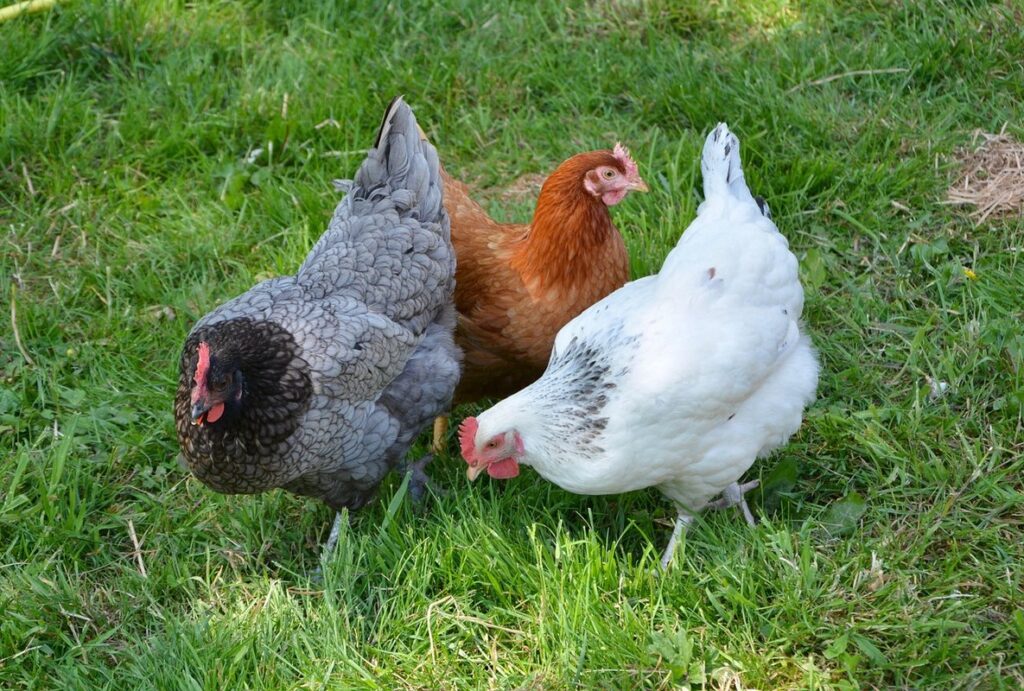
The Speckled Sussex chicken is a delightful breed known for its striking appearance and charming personality. One of the first things you’ll notice about this bird is its plumage – a beautiful mix of white, black, and buff feathers with distinctive speckles on its back and wings. But that’s not all – these chickens are also relatively small in size, reaching around 4-5 pounds at maturity, making them an excellent choice for backyard flocks or small farms.
Temperament-wise, Speckled Sussex chickens are renowned for their friendly and docile nature. They’re known to be quite social and love interacting with their human caregivers. This affectionate personality can actually have a positive impact on egg production – happy hens tend to lay more eggs! They’re also relatively low-maintenance when it comes to noise levels, making them an ideal choice for families or those living in close proximity to neighbors.
In terms of egg color, Speckled Sussex chickens are known to produce light-brown eggs with a tint of yellow. But before we dive into the specifics of their egg color, let’s explore some interesting facts about this breed – did you know that they’re one of the oldest English chicken breeds still in existence today?
Egg-Laying Habits of the Speckled Sussex
So, how do these wonderful birds lay their eggs? In this section, we’ll dive into the specifics of the Speckled Sussex’s egg-laying habits and what to expect.
Average Daily Egg Production
A healthy, mature Speckled Sussex hen will typically lay around 200-220 eggs per year, which translates to an average of about 5-6 eggs per week. However, this number can vary depending on several factors.
Nutrition plays a significant role in determining the average daily egg production of your Speckled Sussex hens. A balanced diet rich in essential nutrients like protein, calcium, and vitamins will ensure optimal egg-laying capabilities. For example, if your hen is not getting enough calcium, she may develop weak bones or lay fewer eggs due to the discomfort.
Health issues can also impact egg production. If your hen is experiencing health problems such as mites, lice, or respiratory infections, it’s likely that her egg-laying will suffer. Make sure to monitor your hens regularly and take prompt action if you notice any signs of illness.
Additionally, environmental factors like lighting, temperature, and space can influence the average daily egg production of Speckled Sussex hens. For instance, adequate light exposure is essential for stimulating ovulation in hens. Ensure that your coop receives sufficient natural or artificial light to promote optimal egg-laying habits.
Peak Laying Periods and Seasons
As you work with your Speckled Sussex hens, you may have noticed that their egg-laying habits are influenced by seasonal changes. These gentle birds tend to lay most eggs during the spring and summer months when daylight hours are longer and temperatures are mild.
In fact, studies have shown that Speckled Sussex hens typically produce around 200-220 eggs per year, with a peak laying period occurring between March and September. During this time, they may lay an average of 5-6 eggs per week. If you’re looking to maintain a consistent egg supply throughout the year, consider providing your girls with a balanced diet rich in calcium and protein.
It’s also essential to ensure they have access to fresh water, a clean coop, and adequate ventilation. Additionally, make sure to rotate their nesting boxes regularly to keep them clean and comfortable. By implementing these strategies, you can encourage your Speckled Sussex hens to continue laying eggs at an optimal rate even during the colder winter months when their natural instinct might be to slow down.
Factors Influencing Egg Color
When it comes to the Speckled Sussex chicken’s egg color, several factors come into play that can affect the final hue. Let’s take a closer look at these variables together!
Genetics and Breed Characteristics
Genetics play a significant role in determining the egg color of Speckled Sussex chickens. The speckling effect seen in their eggs is attributed to the interaction between two primary factors: genetics and breed characteristics.
The Speckled Sussex chicken’s genetic makeup includes genes that control melanin production, which influences eggshell pigmentation. The presence or absence of specific melanin-related genes determines the amount and distribution of pigment on the eggshell. In the case of Speckled Sussex chickens, their genetic profile allows for a unique combination of brown and black melanin, resulting in the distinctive speckling pattern.
Interestingly, research suggests that genetics can account for up to 60% of the variation in eggshell color among chicken breeds. This means that even within a specific breed like the Speckled Sussex, individual chickens may exhibit slight variations in egg color due to their unique genetic makeup.
To understand and potentially influence your Speckled Sussex’s egg color, it’s essential to consider its genetic heritage. If you’re breeding or raising these birds, keep records of their lineage and note any changes in eggshell color over time. This information can help you make informed decisions about selecting parents for future generations, ultimately refining the characteristics you desire in your flock’s eggs.
Nutrition and Diet Impact on Egg Color
When it comes to the speckled Sussex chicken’s egg color, nutrition and diet play a significant role. A hen’s diet can affect the final appearance of her eggs, making it essential for backyard farmers to provide their birds with the right nutrients.
A well-balanced feed rich in omega-3 fatty acids, vitamin E, and beta-carotene can enhance the yolk color, giving it a deeper orange hue. Supplementing with specific nutrients such as zinc, iron, or selenium can also improve egg yolk color. For instance, adding alfalfa meal to their feed can increase the iron content, resulting in a more vibrant yolk.
On the other hand, the diet’s effect on egg white (albumen) color is less significant compared to yolk color. However, a diet rich in vitamin E and omega-3 fatty acids can improve the egg’s overall appearance by making the whites clearer and more transparent.
Incorporating fresh fruits and vegetables into your hen’s diet can also have a positive impact on egg color. Leafy greens like spinach and kale are rich in beta-carotene, which can enhance yolk color.
Common Issues Affecting Egg Color
Let’s face it, not all Speckled Sussex chicken eggs are created equal when it comes to their color. Some owners may encounter issues with egg color that can be frustrating and puzzling.
Health Problems That May Cause Discoloration
Egg discoloration can be caused by various health issues that affect speckled Sussex chickens. One common problem is mite infestation, which can lead to pale or greenish eggs due to the stress it causes on the bird’s body. Internal parasites like worms and protozoa can also impact eggshell quality and color.
Nutritional deficiencies, particularly a lack of calcium, vitamin D3, or omega-3 fatty acids, can cause eggs to be discolored or thin-shelled. A speckled Sussex chicken’s diet should include adequate amounts of these essential nutrients to prevent such issues.
Another health concern is respiratory problems like respiratory diseases and sinusitis, which can lead to stress on the bird’s body and result in abnormal eggshell coloration. Regular check-ups with a veterinarian can help identify potential health issues before they affect egg production or quality.
Monitoring your flock’s overall health and taking preventive measures can minimize the risk of discoloration due to health problems. Provide a balanced diet, ensure good hygiene practices, and maintain a clean living environment for your speckled Sussex chickens.
Environmental Factors Affecting Egg Quality
Light exposure plays a significant role in determining the frequency and appearance of Speckled Sussex hens’ eggs. Adequate natural light is essential for egg production, as it stimulates the production of melanin, which affects egg color. However, excessive sunlight can cause egg whites to become more alkaline, leading to an increase in brown pigment deposits, resulting in darker or speckled eggs.
Stress levels also impact egg quality and appearance. High stress levels can lead to a decrease in fertility and egg size, while also affecting the texture and structure of the eggshell. For example, if your Speckled Sussex hens are exposed to predators, harsh weather conditions, or inadequate living spaces, their stress levels may increase.
To mitigate these effects, ensure your hens have access to a safe and spacious living area with adequate ventilation and natural light. Provide shade structures for hot climates or during periods of intense sunlight. Additionally, maintain a clean and well-maintained coop to reduce stress caused by poor living conditions. By controlling environmental factors, you can promote better egg quality and appearance from your Speckled Sussex hens.
Enhancing Egg Color Through Care and Management
To get those beautiful eggs, you’ll want to learn how to enhance their color through careful management of your Speckled Sussex flock’s diet, environment, and health. Let’s dive into the specifics!
Tips for Improving Eggshell Quality and Color
To ensure that your Speckled Sussex hens lay eggs with vibrant colors and excellent quality, it’s essential to prioritize their living conditions, nutrition, and health management.
Firstly, provide a spacious and clean coop with adequate ventilation, as eggshell quality is heavily influenced by the hen’s overall health and well-being. A 4-6 square foot space per bird should be your minimum consideration for optimal egg-laying.
Feed your flock a balanced diet rich in calcium, vitamins, and minerals to support healthy egg production. Dark leafy greens like kale or spinach are excellent additions to their meals. A reliable calcium source is also essential; consider adding crushed oyster shells to their feed.
Regular health checks and parasite control will help maintain the overall health of your flock. Keep an eye out for signs of stress, such as feather pecking, or nutrient deficiencies which can cause eggshell issues. Regular cleaning and disinfection practices should be implemented to prevent disease spread.
By focusing on these key areas, you’ll significantly enhance the quality of eggs laid by your Speckled Sussex hens.
Best Practices for Collecting and Handling Eggs
When it comes to collecting and handling eggs from your Speckled Sussex hens, proper care is crucial to maintain their quality and appearance. To ensure the eggs remain unscathed during handling, it’s essential to collect them gently and carefully. This means avoiding jarring or sudden movements that can cause cracks or dents on the eggshell.
For storing eggs, keep them in a clean, dry area with consistent temperatures between 40°F and 70°F (4°C and 21°C). Avoid direct sunlight, as it can cause the eggs to deteriorate. Store the eggs pointed end down to prevent moisture from entering through the large end of the egg.
When handling eggs, wash your hands thoroughly before touching them to prevent introducing bacteria that can contaminate the eggs. Handle each egg individually to avoid crushing or breaking. If you need to store eggs for an extended period, consider using a carton specifically designed for egg storage, which provides optimal ventilation and protection against moisture. This will help maintain the eggs’ quality and appearance throughout handling. Regular cleaning of your coop and nesting boxes is also vital in maintaining clean eggs.
FAQs and Conclusion
Now that you’ve learned everything there is to know about Speckled Sussex chickens’ egg color, we’ll address some common questions and summarize the key takeaways from our guide.
Frequently Asked Questions About Speckled Sussex Egg Color
One of the most common misconceptions about Speckled Sussex chickens is that their eggs are always white. However, this isn’t entirely true. While some hens may lay white eggs, others can produce brown or even blue-green eggs. The egg color is determined by a combination of genetic and environmental factors.
Some readers have asked if the breed’s egg color is influenced by diet. Research suggests that while a balanced diet rich in omega-3 fatty acids and vitamins can affect egg yolk color, it has little impact on the overall eggshell color. So, if you’re looking to encourage your Speckled Sussex hen to lay eggs with a specific color, focus on providing a nutritious diet rather than trying to manipulate the shell’s hue.
It’s also worth noting that some breeders have attempted to create “blue” Speckled Sussex chickens by cross-breeding with other breeds. However, these birds may not exhibit the same desirable traits as purebred Speckled Sussexes. When purchasing a hen from a breeder, make sure to ask about the bird’s ancestry and egg-laying history to ensure you’re getting a high-quality egg-layer.
Final Thoughts on Choosing the Right Breed for Your Needs
If you’ve made it this far into our comprehensive guide on the Speckled Sussex chicken’s egg color, chances are you’re already hooked on these charming birds. As we’ve discussed throughout this article, their unique egg-laying capabilities make them an excellent choice for anyone seeking eggs with a distinct appearance.
When selecting a breed that fits your specific needs, consider factors such as egg size, shell texture, and color. The Speckled Sussex checks all the boxes in these departments, producing medium-sized eggs with a delicate, brown-speckled shell that’s sure to turn heads.
To get the most out of your Speckled Sussex flock, remember to provide them with adequate space to roam, nutritious feed, and plenty of fresh water. By doing so, you’ll be rewarded with a bountiful harvest of beautiful eggs that are not only delicious but also visually stunning.
Ultimately, the decision to raise Speckled Sussex chickens comes down to your personal preference for unique egg colors. If you’re willing to invest time and effort into caring for these birds, we’re confident you won’t regret it. With their striking appearance and exceptional egg-laying abilities, they’re sure to bring a touch of charm to any backyard flock.
Frequently Asked Questions
Can I expect a consistent egg color from my Speckled Sussex hens?
Yes, while genetics play a role in determining the color of your hen’s eggs, factors such as nutrition, health, and environment can also influence this aspect. A balanced diet rich in omega-3 fatty acids, vitamin E, and calcium is essential for maintaining vibrant egg colors.
What if my Speckled Sussex chickens are laying brown or tan eggs instead of speckled ones?
This issue may be due to a nutritional deficiency or an imbalance in their diet. Ensure they have access to high-quality feed supplemented with essential nutrients like biotin, vitamin B12, and riboflavin. Consult with a veterinarian for advice on optimizing your flock’s nutrition.
How do I encourage my Speckled Sussex chickens to lay eggs with more vibrant speckles?
Maintaining a clean coop, providing adequate light and ventilation, and ensuring proper nesting conditions are crucial for healthy egg-laying habits. Regularly inspect the nesting boxes for cleanliness and make adjustments as necessary to promote optimal health.
Can stress affect the color of my Speckled Sussex chickens’ eggs?
Yes, excessive stress can impact the egg’s appearance, including its color. Provide a safe, comfortable living environment with adequate space for your hens to roam. Minimize disruptions and maintain a consistent daily routine to help reduce stress levels.
How often should I collect eggs from my Speckled Sussex flock?
Collecting eggs regularly is essential for maintaining cleanliness and preventing breakage. Aim to check the nesting boxes at least twice a day, ideally early in the morning and late afternoon, to ensure timely egg retrieval and minimize potential issues with mold or bacterial growth.