
Are you a fan of Gold Laced Wyandotte chickens? These stunning birds are not only beautiful to look at, but they’re also prolific layers, producing an impressive number of eggs each year. But have you ever wondered about the unique egg color that these ladies lay? If so, you’re in luck! In this article, we’ll be diving into the fascinating world of Gold Laced Wyandotte chicken egg colors. From understanding their breed history and egg-laying habits to learning how to care for and breed these stunning birds, we’ve got you covered. Whether you’re a seasoned poultry keeper or just starting out, this comprehensive guide will walk you through everything you need to know about raising a healthy flock of Gold Laced Wyandottes and enjoying their beautiful eggs.
Characteristics of Gold Laced Wyandotte Chickens
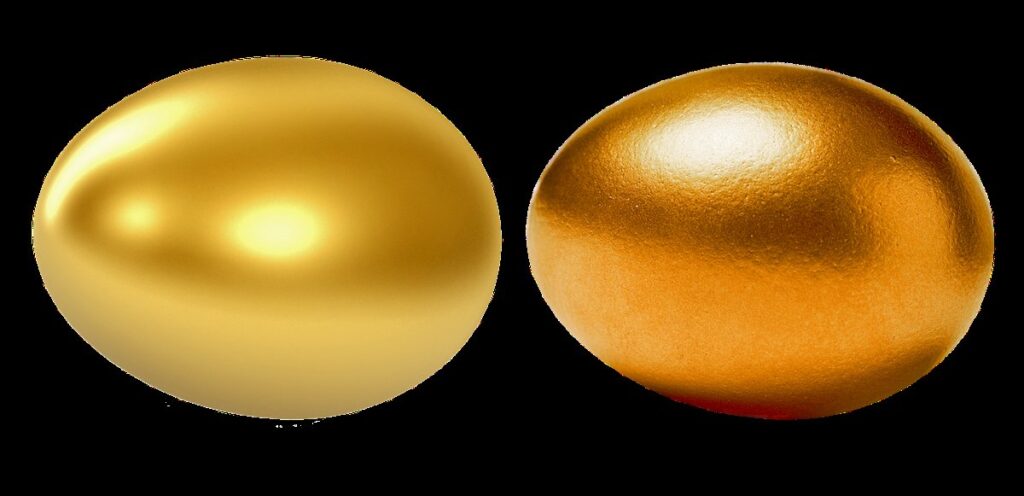
One of the most noticeable characteristics of Gold Laced Wyandottes is their stunning golden lacing on their feathers, but what about their eggs? Let’s take a closer look at their eggshell colors.
Breed History and Origins
The Gold Laced Wyandotte chicken breed has a rich history that dates back to England in the late 19th century. The breed was developed by crossing various Orpington and Plymouth Rock strains, with the goal of creating a sturdy, prolific layer capable of producing large brown eggs. The name “Wyandotte” is actually an Indian word meaning “healing medicine,” which reflects the breed’s origins as a robust and hardy fowl.
In 1885, the Gold Laced Wyandotte was first introduced to North America, where it quickly gained popularity among poultry enthusiasts due to its exceptional egg-laying abilities. The breed’s ability to produce large, brown eggs with a distinctive gold sheen has made it a favorite among backyard chicken keepers and commercial producers alike.
Interestingly, the Gold Laced Wyandotte is one of the few breeds that originated in England but was developed specifically for its egg-laying prowess rather than its meat production. This focus on egg production has led to the breed’s widespread adoption as a dual-purpose bird – one that excels at both laying eggs and providing meat.
Physical Characteristics
The Gold Laced Wyandotte chicken is a stunning breed with unique physical characteristics that set it apart from other chicken varieties. When it comes to their plumage, Gold Laces are known for their beautiful lacing pattern, which gives them an iridescent sheen. Their feathers are a lovely combination of gold and white, with intricate lace-like patterns on the neck, breast, and wings.
In terms of size, Gold Laced Wyandottes are a medium to large breed, with roosters typically weighing between 6-8 pounds (2.7-3.6 kg) and hens around 5-7 pounds (2.3-3.2 kg). Their compact, muscular build makes them well-suited for smaller backyard flocks, where they can thrive in a variety of climates.
When it comes to egg production, the Gold Laced Wyandotte’s physical characteristics play a significant role. Their sturdy build and medium size allow them to lay around 200 brown eggs per year, making them an excellent choice for families or small-scale farmers looking for a reliable egg supplier.
Temperament and Personality
When it comes to temperament and personality, Gold Laced Wyandotte chickens are renowned for their docile nature. They are often described as friendly and outgoing, making them an excellent choice for families with children or for backyard flocks where social interaction is encouraged. These birds are known to be relatively calm, which can make them easier to handle and care for.
One of the standout characteristics of Gold Laced Wyandottes is their ability to adapt to different environments and living situations. Whether you’re a seasoned chicken keeper or just starting out, these birds are likely to thrive in a variety of settings. Their friendly demeanor also makes them a great addition to multi-breed flocks, where they can help mediate between more dominant personalities.
In terms of social behavior, Gold Laced Wyandottes tend to be gentle and non-aggressive, even around other roosters. However, as with any breed, it’s essential to introduce them to your existing flock slowly and under close supervision to ensure a smooth transition. With proper care and attention, these birds will reward you with their affectionate nature and entertaining antics.
Egg-Laying Habits of Gold Laced Wyandottes
So, you’re curious about how often your Gold Laced Wyandotte hens will lay eggs and what their nesting habits are like. Let’s dive into some key details about egg-laying habits of this breed.
Average Egg Production
Gold Laced Wyandottes are known for their impressive egg-laying abilities, with an average annual production of around 200 large brown eggs. However, their monthly output can vary depending on factors such as nutrition, health, and age.
On average, a healthy Gold Laced Wyandotte will lay about 15-18 eggs per month during the peak production period, which typically spans from spring to fall. This translates to around 4-5 eggs per week. It’s essential for keepers to provide these birds with adequate nutrition, especially protein-rich foods, to support their egg-laying abilities.
In terms of individual bird performance, some Gold Laced Wyandottes can be more prolific layers than others. Keepers have reported that females can continue laying eggs at a moderate rate even after reaching an age of 5-6 years. To maximize your flock’s overall production, make sure to maintain optimal living conditions and provide regular health checks to prevent any potential issues.
Egg Color and Size
When it comes to egg color and size, Gold Laced Wyandottes are known for producing eggs that are both aesthetically pleasing and of high quality. The breed’s eggs typically range in size from large to extra-large, with an average weight of around 60-70 grams. This is a desirable trait for backyard chicken keepers who want to harvest eggs regularly.
In terms of egg color, Gold Laced Wyandottes lay brown eggs that range in shade from light tan to dark chocolate. The breed’s unique genetic makeup contributes to the distinctive coloration and texture of their eggs. Many chicken enthusiasts appreciate the warm, earthy tones that Gold Laced Wyandotte eggs bring to their breakfast tables.
To give you a better idea of what to expect, let’s take a closer look at some key characteristics of Gold Laced Wyandotte eggs: they have a moderate thickness and a smooth, glossy finish. While individual egg sizes may vary, the breed’s overall tendency towards larger eggs is a notable trait that many chicken owners find appealing.
Factors Affecting Egg Production
As a Gold Laced Wyandotte owner, you’re likely curious about what affects their egg production. While genetics play a significant role, environmental and nutritional factors also significantly impact the number of eggs your hens will lay.
Light is essential for egg production, with the ideal amount being around 14 hours per day. Too little light can lead to reduced egg production, so ensure your coop receives sufficient natural or supplemental lighting. Temperature also affects egg-laying habits, with optimal temperatures ranging between 40°F and 80°F (-4°C to 27°C). Extreme temperatures can cause hens to stop laying eggs altogether.
Nutrition is another critical factor in maintaining healthy egg production. A balanced diet rich in protein, calcium, and vitamins ensures your Gold Laced Wyandottes have everything they need to produce high-quality eggs. Provide a variety of feed types, including layer pellets or scratch grains, along with fresh fruits and vegetables to keep their diet interesting.
Maintaining a clean coop is also vital for egg production. Ensure good air circulation, adequate ventilation, and regular cleaning to prevent the buildup of bacteria and diseases that can impact egg-laying habits. By controlling these factors, you’ll be well on your way to maximizing your Gold Laced Wyandottes’ egg production potential.
Understanding Gold Laced Wyandotte Egg Colors
When it comes to the eggs of your Gold Laced Wyandotte hens, you’ll notice a range of colors depending on several factors. Let’s explore how these egg color variations occur in this breed.
The Science Behind Egg Color
When it comes to understanding the vibrant colors of Gold Laced Wyandotte eggs, it’s essential to delve into the biochemical processes responsible for eggshell pigmentation. The coloration of an eggshell is determined by two primary factors: the presence and concentration of certain pigments, and the structure of the microscopic crystals that make up the shell.
The pigment responsible for the gold-laced Wyandotte’s characteristic color is a combination of porphyrins, specifically protoporphyrin IX. This pigment is produced in the hen’s oviduct as she lays eggs, and its concentration determines the intensity of the eggshell’s coloration. In the case of Gold Laced Wyandottes, the unique genetic makeup of the breed leads to a higher concentration of porphyrins, resulting in those stunning golden hues.
The structure of the microscopic crystals also plays a significant role in determining the final color of an eggshell. The arrangement and size of these crystals can either reflect or absorb light in different ways, affecting the overall appearance of the shell. While this might seem complex, understanding the science behind eggshell pigmentation helps you appreciate the intricate beauty of each Gold Laced Wyandotte egg that comes out of your coop.
Types of Gold Laced Wyandotte Eggs
If you’re planning to raise Gold Laced Wyandotte chickens for their unique egg colors, it’s essential to understand the different shades and hues that can be found in their eggs. These birds are known for laying some of the most beautiful eggs in the world.
The light gold color is a classic characteristic of the Gold Laced Wyandotte chicken breed. However, you may notice variations within this shade, such as a slightly creamier or more beige undertone. Some flocks may also lay dark gold eggs with a richer, deeper tone that’s almost amber-like in color.
Pinkish-brown eggs are another beautiful possibility when it comes to Gold Laced Wyandotte chickens. These eggs often have a warm, earthy tone and can range from a light salmon hue to a deeper reddish-brown shade. Factors such as diet, age of the bird, and overall health can influence the final color of your chicken’s eggs.
Keep in mind that egg color can vary within individual flocks, so it’s not uncommon for Gold Laced Wyandotte chickens to lay multiple shades of eggs over their lifetime. By being aware of these variations, you’ll be better equipped to appreciate the unique characteristics of your flock and enjoy the surprise of collecting a different-colored egg each day.
Factors Influencing Egg Color Variation
When it comes to Gold Laced Wyandotte eggs, you may notice that they can vary in color, even among hens from the same flock. This variation is due to a combination of environmental and genetic factors.
Environmental factors play a significant role in influencing eggshell color. For instance, a hen’s diet can affect the intensity of her egg yolk color. Hens fed on lutein-rich feed will produce eggs with deeper orange yolks. Similarly, exposure to sunlight can cause eggshells to become lighter or darker due to the breakdown of pigments.
Genetic factors also contribute to egg color variation within the breed. Each hen inherits a unique combination of genes that influence her eggshell color. While some hens may consistently produce eggs with a specific shade, others may display a range of colors depending on their genetic makeup.
Some Gold Laced Wyandottes may exhibit variations in egg color due to cross-breeding or mixed-breed ancestry. This can result in eggs with unique color combinations, such as blue or olive undertones. By understanding the interplay between environmental and genetic factors, you can better predict and appreciate the diversity of egg colors within your flock.
It’s worth noting that even within a single clutch, eggs from the same hen may vary in color due to changes in diet or exposure to sunlight over time.
Caring for Your Gold Laced Wyandotte Flock
Caring for your Gold Laced Wyandotte flock requires attention to their specific needs, such as a balanced diet and regular health checks to prevent disease. Proper care ensures they stay healthy and happy.
Nutrition and Diet
When it comes to caring for your Gold Laced Wyandotte flock, providing a balanced diet is crucial not only for their overall health but also for optimal egg production. A well-nourished flock will ensure that your hens are laying the beautiful gold laced eggs you’re expecting.
To start, ensure that your flock has access to fresh water at all times. This might seem like an obvious point, but it’s essential for maintaining proper hydration and overall health. Next, consider feeding a high-quality layer feed that contains the necessary nutrients for egg production. Look for feeds that are formulated specifically for laying hens and contain added calcium for strong eggshell development.
In addition to commercial feed, you can also supplement your flock’s diet with fresh fruits and vegetables. Leafy greens like kale and spinach are packed with vitamins and minerals essential for eggshell health. Just be sure not to overdo it – too many treats can lead to digestive issues. A general rule of thumb is to provide 1/4 cup of treats per hen per day. By following these guidelines, you’ll be well on your way to supporting a healthy flock that will reward you with those stunning gold laced eggs.
Environmental Considerations
When it comes to creating an optimal environment for your Gold Laced Wyandotte flock, there are several key considerations to keep in mind. First and foremost, the coop itself should be designed with ventilation in mind. This will help to prevent ammonia buildup from their droppings, which can be detrimental to both human health and the well-being of the birds. Ensure that your coop has adequate airflow by incorporating windows or vents, ideally on opposite sides to create a cross breeze.
It’s also crucial to maintain good hygiene within the coop. Regularly remove soiled bedding, replace it with fresh material, and disinfect all surfaces to prevent the spread of disease. Additionally, ensure easy access for cleaning and maintenance to avoid stressful situations for your birds.
Proper lighting is another vital aspect to consider when designing an environment that promotes optimal health and happiness for your Gold Laced Wyandottes. A balanced light cycle should be implemented, with a 14-hour light period during the day, gradually decreasing to 10 hours at night.
Health Monitoring and Management
As you work with your Gold Laced Wyandotte flock, it’s essential to be aware of potential health issues that may affect their overall well-being and egg-laying performance. This breed is generally known for its robust health, but like all chickens, they can be prone to certain conditions.
Some common health issues in Gold Laced Wyandottes include respiratory problems, such as bronchitis and pneumonia, which can be triggered by stress, poor ventilation, or inadequate nutrition. Regular cleaning of the coop and providing a balanced diet rich in nutrients can help prevent these issues. Additionally, be on the lookout for signs of internal parasites, like worms, which can weaken your flock’s health.
To manage and prevent health problems, make sure to provide a safe and clean living environment for your chickens. This includes regular vaccinations, parasite control measures, and monitoring their behavior and egg-laying patterns. By staying vigilant and taking proactive steps, you can minimize the risk of health issues and enjoy a thriving and productive flock.
Breeding Gold Laced Wyandottes for Desired Traits
When breeding Gold Laced Wyandottes, understanding how to select for desirable traits is crucial to creating birds that consistently produce eggs in your preferred color. Let’s explore the process of breeding these chickens.
Selective Breeding Practices
Selective breeding is a precise art that requires a deep understanding of genetics and the desired traits you want to achieve. When it comes to breeding Gold Laced Wyandottes for their stunning egg color, selective breeding practices play a crucial role. This method involves deliberately choosing parents with specific characteristics to increase the likelihood of passing those traits on to their offspring.
To apply selective breeding principles to the Gold Laced Wyandotte breed, you must first identify the desired characteristics in your birds. For egg color, this might mean selecting hens that consistently produce eggs with a rich, golden luster or those with a deeper, more vibrant shade. Once you’ve identified these traits, you can begin to select parents based on their egg color and other desirable qualities.
For example, if you’re looking to breed Wyandottes with lighter-colored eggs, you might choose hens that lay eggs in the 180-190 range on the egg color chart. As you narrow down your selection, remember to consider multiple generations and keep detailed records of each bird’s ancestry, egg production, and other relevant traits. By doing so, you’ll be able to refine your breeding stock over time and achieve more consistent results.
By applying selective breeding principles thoughtfully and deliberately, you can unlock the full potential of your Gold Laced Wyandotte flock and enjoy an abundance of beautifully colored eggs.
Identifying Desirable Traits
When it comes to breeding Gold Laced Wyandottes for desired traits, identifying the characteristics that are valuable is crucial. In this context, egg color consistency and high fertility rates are top priorities.
Consistent egg color is not only aesthetically pleasing but also a desirable trait in many backyard chicken keepers’ eyes. A uniform egg color can be achieved by selecting birds with a proven track record of laying eggs within the same color range. For Gold Laced Wyandottes, this typically means choosing females that consistently produce eggs with gold or golden-brown shell colors.
High fertility rates are also essential in a breeding program, as they directly impact the overall health and productivity of your flock. Fertile eggs ensure a higher hatch rate when incubated, reducing the need for replacement stock and conserving valuable resources. To identify birds with high fertility rates, look for individuals that consistently produce fertile eggs over an extended period.
In selecting birds for breeding, it’s essential to evaluate their reproductive capabilities as well as their egg color consistency. This can be achieved by keeping a record of your flock’s egg production, including the frequency and quality of eggs laid.
Best Practices for Raising Chicks
When it comes to raising healthy chicks, there are several best practices you should follow to ensure they grow into robust and egg-laying machines. First and foremost, vaccination protocols play a crucial role in protecting your chicks from diseases such as Marek’s disease and infectious bronchitis. Consult with a veterinarian to determine the most suitable vaccination schedule for your flock.
In addition to vaccinations, proper management practices are essential for raising healthy chicks. This includes providing a clean and draft-free environment, ensuring adequate ventilation, and maintaining a consistent temperature range between 90-100°F (32-38°C) during the first few weeks of life. It’s also vital to ensure access to fresh water and a nutritious starter feed that meets their specific nutritional needs.
To further support chick health, it’s recommended to implement a biosecurity plan that includes disinfecting equipment, washing hands regularly, and isolating new additions to the flock for 30 days. By following these best practices, you’ll set your chicks up for success and increase their chances of becoming healthy, egg-laying birds with desirable traits like the Gold Laced Wyandotte chicken is known for.
Conclusion
In conclusion, the Gold Laced Wyandotte chicken’s egg-laying abilities are truly one of its most impressive features. With a unique ability to produce eggs in a range of colors, from pale cream to deep brown, this breed is sure to delight any backyard farmer or poultry enthusiast. As we’ve discussed throughout this guide, understanding the factors that influence egg color – such as genetics, nutrition, and environment – can help you optimize your Wyandotte’s production for the color you desire. So whether you’re looking to add some variety to your farm’s egg basket or simply want to know more about these fascinating birds, we hope this guide has provided you with a comprehensive understanding of the Gold Laced Wyandotte chicken’s remarkable egg-laying abilities.
Frequently Asked Questions
Can I breed Gold Laced Wyandottes with other breeds to improve egg production?
Yes, cross-breeding can be a great way to introduce new traits and characteristics into your flock. However, it’s essential to research the compatibility of breeds and ensure that the resulting offspring will thrive in your environment. Start by selecting breeds with complementary strengths, such as increased fertility or larger eggs.
How do I care for my Gold Laced Wyandotte flock during extreme weather conditions?
Gold Laced Wyandottes are robust birds but can still be sensitive to heat stress, cold snaps, and other environmental extremes. To keep your flock healthy, provide adequate ventilation, shade, and shelter from wind and rain. Also, ensure access to clean water and nutritious feed that’s suitable for their age and stage of production.
What factors affect the color variation in Gold Laced Wyandotte eggs?
Eggshell color is influenced by genetics, nutrition, and environmental factors. Diet rich in omega-3 fatty acids can enhance egg yolk pigmentation, while calcium supplements may impact shell strength and appearance. Genetics play a significant role, with some birds naturally producing more vibrant or darker eggs.
Can I raise Gold Laced Wyandottes in small backyards or urban areas?
Yes, with proper planning and attention to detail, you can successfully keep Gold Laced Wyandottes in small spaces. Consider vertical integration, like using chicken coops on stilts or partitioning your yard for efficient use of space. Also, ensure adequate feed storage, waste management, and noise control to avoid conflicts with neighbors.
How do I know if my Gold Laced Wyandotte is a prolific layer?
Prolific egg-laying is influenced by breed history, nutrition, health, and environmental factors. Monitor your bird’s production over time, taking note of any fluctuations in egg numbers or quality. Regular health checks can help identify potential issues affecting fertility or productivity.