
Are you looking to start or enhance your backyard chicken flock? Brown egg laying chickens are an excellent choice for many reasons. Not only do they produce deliciously rich and flavorful eggs, but their unique physical characteristics and friendly temperaments make them a joy to raise. Whether you’re a seasoned farmer or a beginner homesteader, knowing which brown egg laying breeds will thrive in your climate and meet your egg production needs is crucial.
In this article, we’ll delve into the world of brown egg laying chickens, exploring their various physical characteristics, temperament traits, and impressive egg production capacities. From popular breeds like Marans to more rare varieties, we’ll discuss the best options for your farm or backyard flock. By the end of this post, you’ll be equipped with the knowledge to choose the perfect brown egg laying breed for your needs.
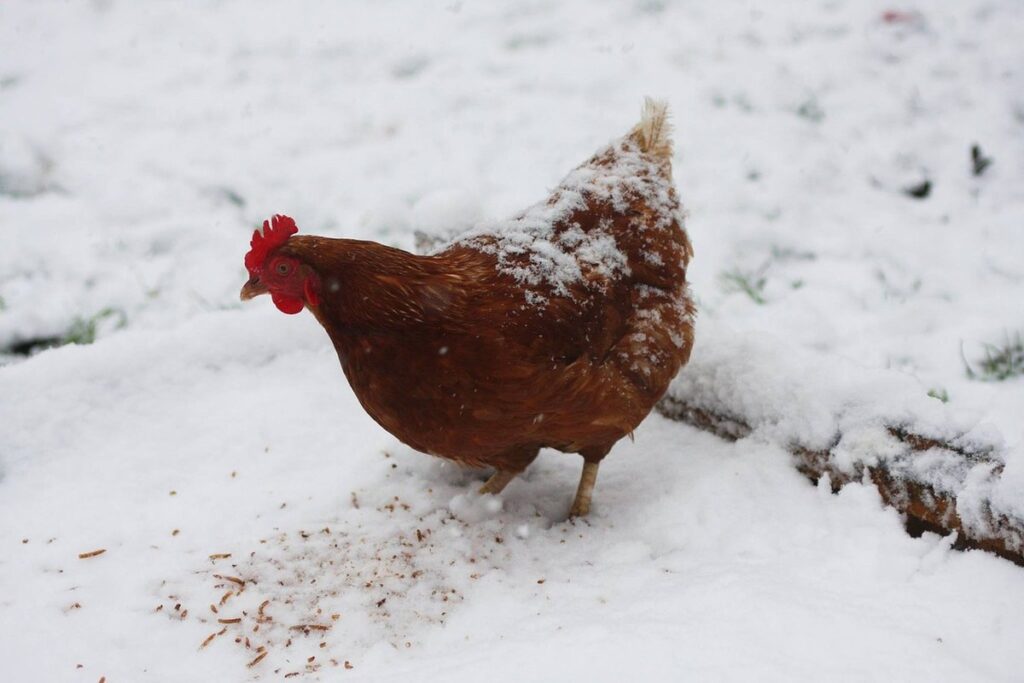
Characteristics of Brown Egg Layers
When it comes to choosing brown egg laying chickens, understanding their characteristics is key to selecting birds that thrive in your specific climate and meet your needs. Let’s explore some common traits of popular breeds.
Physical Characteristics of Brown Egg Laying Breeds
When it comes to choosing the right brown egg laying breeds for your farm or backyard, understanding their physical characteristics is crucial. This will help you determine which breed can thrive in your space constraints.
Let’s start with size: popular brown egg laying breeds come in a range of sizes, from the small but mighty Leghorn Bantam (weighing around 2-3 pounds) to the larger Barred Plymouth Rock (reaching up to 7 pounds). Consider how much space you have available for your flock – if it’s limited, a smaller breed like the Marans or Welsummer might be a better fit.
In terms of weight, most brown egg laying breeds weigh between 4-6 pounds. However, some like the Australorp can reach up to 9 pounds, making them a great choice for farms with plenty of space. The plumage of brown egg laying breeds is another key consideration – while many have a simple brown coat, others like the Barred Plymouth Rock have a striking barred pattern.
When selecting a breed, be sure to consider these physical characteristics alongside your overall needs and goals for your flock. By doing so, you’ll be able to choose the best breed for your space and ensure a happy, healthy flock.
Temperament and Handling of Brown Egg Layers
When it comes to selecting a brown egg laying breed that fits your temperament and handling requirements, there are several factors to consider. For beginners, breeds like Barred Plymouth Rock and Golden Comet are excellent choices due to their friendly and docile nature. These birds are easy-going and tolerant of human interaction, making them perfect for backyard flocks.
On the other hand, if you’re looking for a breed that’s more energetic and demanding, the Marans or Welsummer might be a better fit. However, these breeds require more attention and handling to keep them happy and healthy. They need regular exercise and mental stimulation to prevent boredom and stress-related behaviors.
Some brown egg laying breeds are also known to be more flighty or nervous, such as the Sussex. If you’re a seasoned farmer or backyard chicken keeper, you may find their energetic nature entertaining, but for beginners, this breed might be too much to handle. Ultimately, understanding the temperament of each breed will help you choose one that suits your experience level and desired level of interaction with your flock.
Egg Production Capacity of Brown Egg Layers
When it comes to the egg production capacity of brown egg layers, several factors come into play. Nutrition plays a crucial role in determining the number of eggs your chickens will produce. A well-balanced diet rich in protein and calcium is essential for maintaining healthy hens that can lay consistently.
Climate also affects egg production, with extreme temperatures, either hot or cold, impacting the laying process. In areas with harsh winters, brown egg layers may experience a decrease in egg production due to stress and lack of sunlight. Conversely, in regions with mild climates, your chickens are more likely to thrive and produce a steady supply of eggs.
On average, popular breeds like Marans and Barnevelder can lay around 200-220 eggs per year. However, this number may vary depending on factors such as nutrition, health, and genetics. For instance, some breeds may be more prone to laying issues or have lower egg production due to their genetic makeup.
To maximize your brown egg layers’ potential, ensure they receive adequate nutrition, maintain a stress-free environment, and provide regular health checks.
Popular Brown Egg Laying Breeds
Let’s take a closer look at some of the most popular brown egg laying breeds that are perfect for small farms and backyard chicken keepers. These birds offer excellent egg production and unique personalities.
Rhode Island Reds: A Classic Choice for Egg Producers
Rhode Island Reds have been a staple in many backyard farms and commercial egg productions for over a century. Originating from England in the early 1900s, this breed was developed to thrive in a variety of climates and living conditions, making them an ideal choice for producers with different needs.
One of the key characteristics that make Rhode Island Reds so popular is their high egg production. On average, these hens will lay around 200-220 brown eggs per year, with some individuals producing as many as 280 eggs annually. Their large size and sturdy build also make them well-suited for free-range and pasture-raised operations.
In addition to their impressive egg-laying abilities, Rhode Island Reds are known for their friendly and docile nature, making them an excellent choice for families with children or those new to backyard chicken keeping. With proper care and management, these hens can live up to 8-10 years, providing a consistent supply of fresh eggs for years to come.
Their adaptability to different climates and living conditions also makes Rhode Island Reds an attractive option for producers who need to balance egg production with other factors such as feed costs and labor.
Barred Plymouth Rock: A Dual-Purpose Breed
The Barred Plymouth Rock is a popular dual-purpose breed that excels as both a brown egg layer and meat producer. These birds are known for their high egg production capacity, with hens laying an average of 280-300 large brown eggs per year. Their eggs are also quite large, making them a great choice for households or farms looking to produce substantial amounts of eggs.
In addition to their impressive egg-laying abilities, Barred Plymouth Rocks are also raised for meat. Their well-balanced growth rate allows them to mature quickly, typically reaching full size within 18-20 weeks. The resulting meat is tender and has a great flavor profile, making it perfect for roasting or grilling.
Another valuable trait of the Barred Plymouth Rock breed is their friendly and docile nature. They are easy-going birds that get along well with other breeds, making them an excellent choice for small farms or homesteads with multiple chicken flocks.
Golden Comet: A Cold-Hardy and Low-Maintenance Breed
The Golden Comet is an excellent choice for farmers and backyard enthusiasts looking for a reliable brown egg laying breed. One of its standout strengths is its cold hardiness, making it an ideal choice for regions with harsh winters. In contrast to some other breeds, the Golden Comet can tolerate temperatures as low as -20°F (-29°C) without issue.
Another significant advantage of this breed is its low-maintenance requirements. They are relatively easy to care for and don’t require a lot of attention or specialized feed. This makes them perfect for busy farmers or those new to chicken-keeping. Golden Comets also adapt well to different environments, thriving in both small backyards and larger farm settings.
If you’re planning to raise Golden Comets, keep in mind that they are known for their docile nature and friendly personalities. They are great with children and other pets, making them an excellent choice for families. As a bonus, they lay around 200 brown eggs per year, providing a steady supply of fresh eggs throughout the spring and summer months. With proper care, Golden Comets can live up to six years or more, providing many seasons of egg-laying pleasure.
Health Considerations for Brown Egg Laying Chickens
When it comes to raising brown egg laying chickens, their health is crucial to consider. This section will delve into the key factors that affect their well-being and longevity.
Common Health Issues in Brown Egg Layers
As a brown egg laying chicken owner, it’s essential to be aware of the common health issues that can affect these birds. One of the most significant concerns is parasites, such as mites and lice, which can lead to anemia, stress, and even death if left unchecked. Regular checks for these pests and using integrated pest management techniques can help prevent infestations.
Respiratory problems are another common issue in brown egg layers, particularly those that live in crowded or poorly ventilated conditions. Conditions like bronchitis and pneumonia can be caused by bacteria, viruses, or even environmental factors such as dust and mold. To minimize the risk of respiratory issues, ensure your flock has plenty of space to roam and fresh air to breathe.
Reproductive disorders are also a concern for brown egg layers, especially in older hens. Conditions like ovarian cysts, uterine prolapse, and reproductive tract infections can significantly impact egg production and the hen’s overall health. A balanced diet, regular check-ups with a veterinarian, and maintaining a clean living environment can help prevent these issues.
By being aware of these potential health concerns and taking proactive steps to prevent them, you can ensure your brown egg laying chickens live long, healthy lives.
Nutrition Requirements for Optimal Health and Productivity
When it comes to maintaining optimal health and productivity in brown egg laying hens, nutrition plays a crucial role. A balanced diet is essential for supporting their high energy needs, promoting overall health, and maximizing egg production.
A good starting point is to provide a high-quality layer feed that meets the nutritional requirements of your birds. Look for feeds that contain 16-18% protein, 10-12% fat, and adequate amounts of calcium and phosphorus for strong bone development. You should also consider adding supplements such as oyster shells or crushed eggshells to enhance calcium intake and prevent metabolic bone disease.
Water quality is equally important, as brown egg laying hens need access to clean, fresh water at all times. Ensure that your watering system is free from contamination and bacteria, and change the water frequently to prevent bacterial growth.
To give your birds a nutritional boost, consider adding fruits and vegetables such as leafy greens, carrots, and sweet potatoes to their diet. These can be introduced in small amounts (about 5-10% of their total diet) and should be chopped or grated to make them easier to digest.
Tips for Raising Healthy Brown Egg Layers
Now that you’ve got your perfect flock, it’s time to focus on raising them to be their best. Here are some essential tips for keeping your brown egg layers healthy and thriving.
Biosecurity Measures to Prevent Disease Transmission
Maintaining biosecurity is crucial to preventing disease transmission among your flock. As a backyard farmer or commercial producer, you’re likely aware of the importance of keeping your birds healthy. However, it’s easy to overlook some key measures that can help prevent the spread of diseases.
First and foremost, establish a strict protocol for new bird introductions. This includes quarantining newcomers for at least 30 days before integrating them into the main flock. Make sure to inspect these birds thoroughly for signs of illness or stress. Additionally, ensure all visitors to your farm or backyard wear clean boots and clothes to prevent external pathogens from entering.
Another crucial step is regular cleaning and disinfection of feeders, waterers, and coops. Use a solution of 1 part bleach to 10 parts water to scrub these areas, then rinse thoroughly with clean water. Regularly checking for signs of disease, such as labored breathing or droopy feathers, can also help identify potential issues early on.
By implementing these measures, you can significantly reduce the risk of disease transmission among your flock and keep your birds healthy and thriving.
Stress Reduction Strategies for Chickens in Backyard Flocks
When it comes to raising healthy brown egg laying chickens, reducing stress levels is crucial for their overall well-being. Just like humans, chickens can get stressed due to various factors such as overcrowding, lack of space, poor nutrition, and inadequate shelter.
To minimize stress in your backyard flock, start by enriching their habitat with engaging activities. Provide a variety of toys and objects that encourage exploration and play, such as swings, ladders, and scratching posts. Rotate these items regularly to keep things interesting and prevent boredom. For example, you can place a feeding trough or waterer on the opposite side of the coop each week to challenge their problem-solving skills.
Socialization is also essential for reducing stress in chickens. Allow them to interact with each other through free-range time or by creating a flock within your yard. This social interaction helps to establish a pecking order and promotes a sense of community, which can reduce aggression and anxiety. Additionally, ensure proper environmental control by maintaining a comfortable temperature range (around 70-80°F) and providing adequate ventilation to prevent ammonia buildup.
When selecting new birds for your flock, consider choosing breeds known for their calm temperament, such as the Marans or the Barnevelder. These breeds tend to be more laid-back and less prone to stress. By implementing these strategies and tips, you can help create a happy and healthy environment for your brown egg laying chickens to thrive.
Integrating Brown Egg Layers into Your Existing Operation
If you’re already running a flock, integrating brown egg layers is easier than you think: we’ll walk you through the process of bringing new birds on board. It’s all about matching their needs to your existing setup.
Scaling Up or Expanding an Existing Farm or Homestead
When expanding an existing farm or homestead to accommodate a larger flock of brown egg layers, several key factors come into play. Infrastructure development is a crucial aspect to consider, as you’ll need to ensure that your coop and run can support the increased number of birds. This may involve constructing new buildings, enlarging existing ones, or making modifications to improve ventilation, lighting, and predator protection.
Labor management is another essential consideration, as a larger flock requires more hands on deck for tasks like feeding, watering, egg collection, and health monitoring. You’ll need to assess your current labor resources and either hire additional staff or adjust production schedules to accommodate the increased workload.
Market expansion is also a vital consideration when scaling up your operation. If you plan to sell eggs directly to consumers, you’ll need to develop marketing strategies to reach a wider audience and increase sales. Alternatively, you may choose to focus on wholesale markets, where larger farms and restaurants become potential customers.
Marketing Strategies for Brown Egg Producers
As you start selling eggs from your brown egg laying chickens, it’s essential to develop effective marketing strategies to increase revenue and grow your customer base. Let’s focus on the ‘three C’s’ of successful marketing: branding, pricing, and customer engagement.
Branding is about creating a unique identity for your farm or backyard operation that resonates with potential customers. Develop a logo, tagline, and overall aesthetic that reflects your values and commitment to sustainable, high-quality egg production. For instance, if you’re selling eggs from heritage breeds, emphasize the historical significance and genetic diversity of these birds.
Pricing is another critical aspect of marketing. Research local markets to determine competitive pricing for your eggs. Consider factors like feed costs, egg quality, and transportation expenses when setting prices. You may also want to offer discounts or promotions to loyal customers or those who purchase in bulk.
Customer engagement is key to building a loyal customer base. Regularly update your social media channels with farm news, recipes featuring your eggs, and behind-the-scenes insights into chicken care. Attend local farmers’ markets and engage with potential customers to build relationships and generate buzz about your operation. By implementing these marketing strategies, you can effectively reach and retain customers, increasing revenue from selling brown eggs directly to consumers or through local markets.
Frequently Asked Questions
How do I determine the ideal breed for my backyard flock based on my climate?
When choosing brown egg laying breeds, consider factors like temperature tolerance, humidity, and sunlight exposure. Research each breed’s specific needs and match them with your local climate to ensure optimal health and productivity.
Can I integrate brown egg layers into an existing flock without disrupting the pecking order?
Yes, introducing new birds can be challenging, but establishing a gradual introduction process can help minimize stress. Start by keeping the new birds separate for 2-3 weeks before integrating them into the main flock under close supervision.
How do I ensure my brown egg layers receive optimal nutrition and maintain their health?
Brown egg laying chickens require a balanced diet rich in protein, calcium, and vitamins. Consider consulting with a veterinarian or poultry expert to develop a customized feeding plan tailored to your specific breed and climate.
What are some common mistakes beginners make when raising brown egg layers, and how can I avoid them?
Common mistakes include inadequate coop ventilation, insufficient space per bird, and poor egg collection practices. Regularly inspect your flock’s living conditions, provide adequate space for exercise, and collect eggs daily to maintain a healthy and productive flock.
Can I raise brown egg layers in small backyard spaces, or are they best suited for larger farms?
Many breeds of brown egg laying chickens can thrive in smaller spaces, such as backyards, provided you offer sufficient room for exercise and provide proper care. Research specific breed requirements to determine the best fit for your available space and needs.