
If you’re a backyard chicken keeper or simply fascinated by these feathered friends, chances are you’ve wondered about hens that lay white eggs. While some might assume egg color is solely determined by genetics, there’s more to it than meets the eye. White egg-laying hens can be just as healthy and productive as their brown-egg counterparts, but they require specific care and attention.
In this article, we’ll delve into the world of white egg-layers, exploring popular breeds that excel in this department. You’ll learn about the genetic factors at play when it comes to egg color, as well as essential nutrition requirements and health considerations for these birds. We’ll also provide you with practical tips on how to raise a happy, healthy flock – whether you’re an experienced chicken keeper or just starting out. By the end of this article, you’ll be equipped with the knowledge to make informed decisions about your own pet hens.
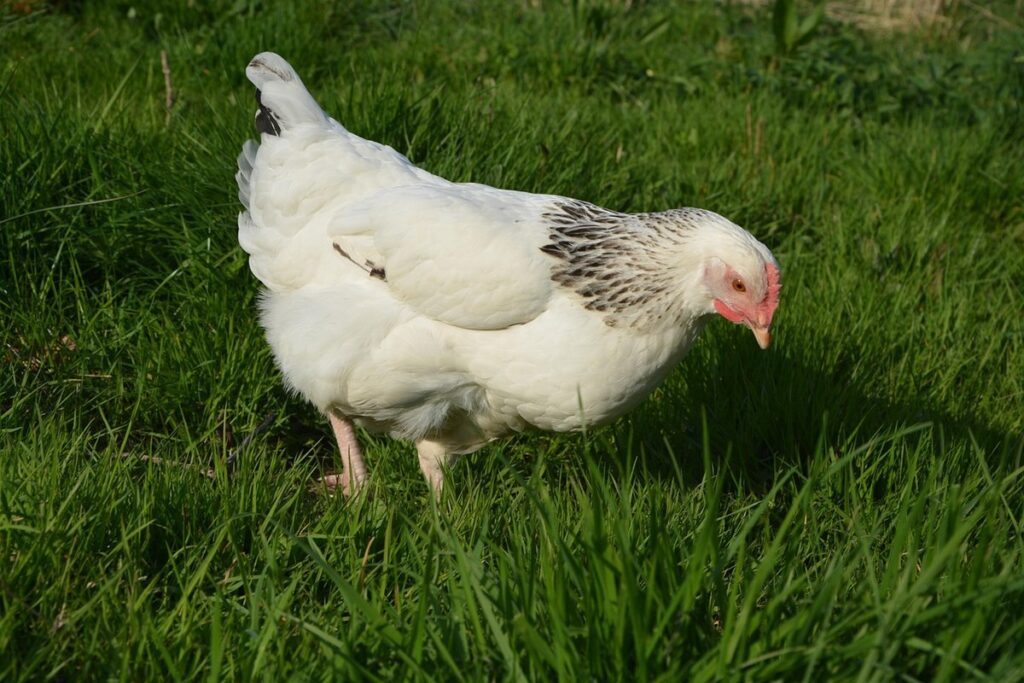
Characteristics of White Egg-Laying Hens
When choosing a white egg-laying hen for your backyard flock, it’s essential to understand their temperament, egg-laying abilities, and overall health characteristics. This section will explore these vital traits in detail.
Breed Overview and History
When it comes to white egg-laying hens, there are several breeds that have been prized for their high production and attractive appearance. The Leghorn breed is one of the most well-known and widely kept, originating from Italy in the 19th century. Known for their impressive egg-laying abilities, they can produce up to 300 eggs per year.
Another popular breed, the Brahma, was developed in India in the 18th century. With a strong constitution and gentle nature, Brahmas are often used as show birds but also make excellent backyard chickens. They lay large white eggs and are known for their longevity, with some individuals living up to 15 years.
The Orpington breed is yet another popular choice among chicken keepers, originating in England in the late 19th century. Known for their soft feathery coats and friendly nature, Orpingtons make excellent family pets as well as egg producers. They lay large white eggs and are relatively low maintenance to care for.
While there are many other breeds that can produce white eggs, these three are among the most popular and widely kept. Whether you’re a seasoned chicken keeper or just starting out, understanding the characteristics of each breed can help you choose the best fit for your needs.
Genetic Factors Influencing Egg Color
When it comes to white egg-laying hens, their genetics play a significant role in determining not only their eggshell color but also other characteristics such as egg size and production rate. The genetics of eggshell color are complex, involving multiple genes working together to produce the final outcome.
The genetics of eggshell color can be divided into two main categories: pigmentation genes and structural genes. Pigmentation genes determine the amount and type of pigment produced in the shell, with the E gene being a major contributor to eggshell pigmentation. Structural genes, on the other hand, regulate the arrangement and intensity of these pigments.
For breeders, understanding genetic influences can help them select for desirable traits such as egg size or fertility while maintaining consistent eggshell color. By choosing breeding stock with a strong genetic foundation for white eggs, owners can also ensure their hens will continue to produce high-quality white eggs year after year.
Importance of White Eggs in Commercial Production
In commercial production, white eggs have become the preferred choice for many reasons. One of the primary concerns is appearance. Consumers often perceive clean and hygienic conditions by looking at the eggshell color. White eggs are seen as cleaner and more appealing than brown or blue eggs. This perception is rooted in the idea that brown eggs might be associated with dirtier environments.
The perceived freshness of white eggs also plays a significant role in commercial production. Egg buyers often equate white eggs with better storage and handling conditions, which can lead to increased sales. Marketing strategies frequently exploit this notion by highlighting the advantages of white eggs over their counterparts.
To capitalize on these preferences, producers can take steps to emphasize the benefits of white eggs. This includes using clear labeling and branding that highlights the perceived cleanliness and freshness associated with white eggs. By leveraging consumer perceptions, producers can gain a competitive edge in the market. Ultimately, meeting consumer expectations is crucial for success in commercial egg production.
Nutrition and Health Considerations
When keeping white egg-laying hens as pets, it’s crucial to consider their specific nutritional needs and potential health concerns that may arise from their unique characteristics. Let’s take a closer look at how to keep them healthy and thriving.
Dietary Requirements for Optimal Egg Laying
When it comes to optimal egg laying, diet plays a crucial role. White egg-laying hens require a balanced and nutritious diet that includes essential nutrients such as protein, vitamins, and minerals.
Protein is the building block of eggs, and hens need access to high-quality protein sources like soybean meal, corn, or insects. Aim for a diet with at least 16-18% crude protein content to support egg production. Supplementing with vitamin E, calcium, and phosphorus can also enhance eggshell quality and strength.
A well-planned diet will also address the hen’s energy needs. Provide access to fresh vegetables like leafy greens, carrots, and sweet potatoes, which are rich in fiber, vitamins, and minerals. A mix of grains such as oats, barley, or wheat can provide essential carbohydrates for energy.
For optimal results, consider adding vitamin supplements specifically designed for hens. These often include B vitamins, biotin, and folic acid to support egg production. Always consult with a veterinarian or poultry expert before making any changes to your hen’s diet.
Health Concerns Specific to White Egg-Laying Hens
As a responsible owner of white egg-laying hens, it’s essential to be aware of the potential health concerns that may affect these birds. White egg-laying breeds are prone to respiratory problems, which can be caused by a combination of genetic factors and environmental conditions such as dust and ammonia levels in the coop.
Feather pecking is another common issue in white egg-laying hens, often resulting from boredom, stress, or nutritional deficiencies. To prevent feather pecking, provide your hens with plenty of exercise and mental stimulation through toys, scratching posts, and foraging activities.
Reproductive disorders are also a concern for white egg-laying breeds, including reproductive tract infections and egg binding. Regular health checks by a veterinarian can help identify potential issues early on. To maintain optimal health, ensure your hens have access to fresh water, balanced nutrition, and adequate space to move around.
Some breed-specific concerns include Leghorns being more susceptible to respiratory problems due to their narrow beak shape, while Orpingtons may experience egg binding due to their larger size. By understanding these potential risks, you can take proactive measures to keep your white egg-laying hens healthy and thriving.
Keeping White Egg-Laying Hens as Pet Flocks
If you’re considering keeping white egg-laying hens as pets, here are some essential tips and considerations to ensure a happy and healthy flock. From breed selection to coop care, we’ve got you covered!
Housing and Environmental Considerations
When it comes to keeping white egg-laying hens as pet flocks, providing a suitable environment is crucial for their health and happiness. A well-designed enclosure that addresses housing and environmental considerations will ensure your feathered friends thrive.
First and foremost, consider the size of the enclosure. A good rule of thumb is to provide at least 2-4 square feet per hen inside the coop, and at least 8-10 square feet per hen in the run. This will give them ample space to roam, exercise, and engage in natural behaviors like foraging and dust bathing.
Ventilation is also crucial to prevent ammonia buildup from their droppings. Ensure your coop has adequate ventilation to keep air circulating and reduce moisture levels. You can add windows, vents, or even a small fan to improve airflow.
Access to sunlight is essential for calcium metabolism and vitamin D production in hens. If possible, place the coop near a sunny spot, ideally east- or west-facing, to provide natural light during the day.
Socialization and Training Techniques
Socializing young chickens is crucial to ensure they grow into well-adjusted and friendly adult hens. Begin by introducing them to a variety of environments, people, and other animals from an early age. This exposure helps reduce stress and anxiety when encountering new situations.
Establishing a pecking order is also essential for maintaining harmony within the flock. Introduce new birds gradually, allowing them to interact with existing members while ensuring adequate space for each individual. Monitor their behavior, separating any aggressive birds to prevent conflicts.
To train your hens to be friendly and docile, start by offering treats when they exhibit calm behavior. Use positive reinforcement techniques such as clicker training or gentle petting. Be consistent in your interactions, always rewarding desired behaviors while ignoring undesirable ones.
Breeding White Egg-Laying Hens
When breeding white egg-laying hens, selecting the right parents and understanding their genetic makeup is crucial for achieving consistent results. We’ll walk you through this process in more detail below.
Selective Breeding Principles
When it comes to selective breeding for desirable traits in white egg-laying breeds, there are several key principles to keep in mind. First and foremost, understanding breed standards is crucial. Breed associations like the American Poultry Association (APA) establish guidelines for various breed characteristics, including egg production, temperament, and appearance. Familiarizing yourself with these standards will help you identify desirable traits and make informed breeding decisions.
Maintaining genetic diversity within your flock is also essential. This means intentionally introducing new bloodlines to prevent inbreeding and promote healthy gene flow. Regular health checks and record-keeping can help you track the genetic makeup of your birds. Keep detailed records on pedigree, egg production, and other relevant traits to make informed breeding decisions.
Record-keeping also helps identify trends and patterns within your flock. For example, if you notice that a particular hen consistently lays larger eggs, you may want to consider incorporating her genetics into future breeding programs. By doing so, you can accelerate the development of desirable traits in your white egg-laying hens.
Breed Club Resources and Registry Information
If you’re serious about breeding white egg-laying hens, it’s essential to tap into the wealth of resources available from breed clubs and registries. One of the most prominent organizations dedicated to preserving heritage chicken breeds is the American Bantam Association (ABA). This organization maintains a registry for many rare and exotic chicken breeds, including some that lay white eggs.
To register new bloodlines with the ABA or access pedigree data, you’ll need to become a member and provide detailed information about your flock. This can include photographs, measurements, and ancestry records. By doing so, you’ll not only be contributing to the preservation of these unique breeds but also gaining valuable insights into their genetics.
Another resource worth exploring is the International Association of Fanciers (IAF), which offers breed registration services for a wide range of chicken breeds. Their website provides step-by-step guides on how to register your birds, as well as access to pedigree data and breeder directories. By connecting with these organizations, you’ll be able to tap into the collective knowledge and experience of experienced breeders, helping you refine your breeding program and produce healthier, more productive white egg-laying hens.
Tips for Raising Healthy White Egg-Laying Hens
Now that you have your healthy hens settled in, let’s focus on keeping them thriving by following these essential tips for raising happy and healthy white egg-layers.
Biosecurity Measures to Prevent Disease
When it comes to raising healthy white egg-laying hens, maintaining a clean and disease-free environment is crucial. To prevent diseases from spreading among your flock, you’ll want to implement rigorous biosecurity measures. Start by establishing strict sanitation protocols, including regular cleaning of coops, runs, and feeders with disinfectants. Change the litter completely every 6-8 weeks, and make sure to remove any dead birds promptly.
Vaccination strategies are also essential in preventing diseases such as Newcastle disease and Marek’s disease. Consult with a veterinarian to determine the best vaccination schedule for your flock based on their age, breed, and health status. Quarantine procedures should be in place for new additions to the flock, including any purchased birds or eggs. This involves isolating them from the main flock for 30 days before introducing them.
A clean environment also means ensuring good ventilation and reducing stress among the hens. Provide adequate shelter, feed, and water to keep your flock healthy and happy. Regular monitoring of health indicators such as egg production, droppings, and behavior will help you catch any potential issues early on. By following these biosecurity measures, you’ll be well-equipped to prevent diseases from affecting your white egg-laying hens.
Integrated Pest Management Strategies
Controlling pests is an essential aspect of raising healthy white egg-laying hens. Rodents, snakes, and birds of prey can threaten their health and productivity, which can impact the quality and quantity of eggs you collect. To manage these risks effectively, you need to adopt integrated pest management (IPM) strategies.
Rodents, such as rats and mice, are attracted to food sources and water availability in your flock’s enclosures. Seal any holes or gaps in feeders and drinkers to prevent them from accessing these resources. Store feed in rodent-proof containers, and consider using a rat guard on the fence line to keep them out.
Birds of prey, including hawks, owls, and eagles, pose a significant threat to your flock’s safety. Install a sturdy net or canopy over enclosures during peak bird-of-prey activity hours (usually dawn and dusk) to prevent aerial attacks. Consider using visual deterrents like balloons or reflective tape to scare them away.
Regularly inspect your enclosure for signs of pest infestation, such as droppings or damage to feeders and nesting boxes. Keep a clean environment by removing waste regularly and disinfecting surfaces with bleach solution. Consider setting up a camera trap or motion-sensitive lights to monitor your flock’s surroundings and detect potential threats early on.
Conclusion and Final Thoughts
Now that you’ve learned all about white egg-laying hens, let’s wrap up by summarizing key takeaways and final thoughts on raising these wonderful birds.
Recap of Key Points
As we conclude our comprehensive guide to white egg-laying hens, let’s recap the key points that’ll help you raise healthy and happy birds. These incredible hens have stolen the hearts of many backyard chicken keepers with their stunning white eggs, but it’s essential to remember their unique characteristics and needs.
Firstly, white egg-laying hens are a result of selective breeding for egg color, which has led to distinct breeds like Leghorns, Anconas, and Brahma. These birds are known for producing large quantities of white eggs, making them an excellent choice for backyard farmers and small-scale producers. However, it’s crucial to remember that their high egg-laying abilities can be stressful on their bodies.
When it comes to nutrition, these hens require a balanced diet rich in protein, calcium, and other essential minerals. A layer feed specifically formulated for white egg-laying breeds should contain around 16-18% protein, along with adequate amounts of calcium and phosphorus to support strong eggshell production. You can also supplement their diet with fresh fruits and vegetables, but be sure not to overdo it, as this can lead to digestive issues.
When caring for your white egg-laying hens, it’s essential to provide a safe and comfortable living environment. This includes ample space to roam, access to clean water, and protection from predators. You should also ensure their coop is well-ventilated and maintained at a comfortable temperature range of around 40°F to 80°F (4°C to 27°C).
By remembering these key points, you’ll be well-equipped to raise happy and healthy white egg-laying hens that will provide you with an abundance of fresh eggs. With the right care and attention, your flock will thrive, making backyard chicken keeping a rewarding experience for years to come.
Frequently Asked Questions
What’s the difference between a Leghorn and other white egg-laying breeds?
The Leghorn breed is one of the most well-known white egg-layers, but it’s not the only option. Other popular breeds like the Polish and Araucana also lay white eggs. When choosing a breed for your backyard flock, consider factors like temperament, egg-laying ability, and overall health characteristics.
Can I raise white egg-laying hens in cold climates?
Yes, many white egg-laying breeds are adaptable to cooler temperatures, making them suitable for raising in regions with colder winters. However, it’s essential to provide adequate shelter and ensure your flock has access to a balanced diet that meets their nutritional needs.
How do I know if my white egg-laying hen is healthy?
Regularly inspect your hens’ overall health by checking for signs of illness, such as changes in behavior, appetite, or droppings. Additionally, monitor their egg production and look for any abnormalities in the eggs themselves. Consult with a veterinarian experienced in poultry care if you notice any unusual symptoms.
Can I mix white egg-laying breeds with other chicken types?
Yes, it’s possible to keep multiple breeds together, but introducing new birds can be challenging. Ensure compatibility by considering factors like temperament, size, and dietary requirements. Gradually introduce new birds to your existing flock under close supervision.
How often should I collect eggs from my white egg-laying hens?
Collect eggs daily to maintain a clean environment and prevent breakage. This will also help you monitor egg production and detect any potential issues early on. Store collected eggs in a cool, dry place to preserve their freshness and quality.