
Are you fascinated by the idea of raising chickens that produce those lovely white eggs? You’re not alone! Many backyard farmers and egg enthusiasts are on the hunt for breeds that lay white eggs, but where do you start? With so many options out there, it’s easy to get overwhelmed. That’s why we’ve put together this expert guide to help you discover the best breeds, nutrition, and care tips for raising healthy chickens that produce white eggs.
In this article, we’ll dive into the world of white egg-laying breeds, covering everything from popular varieties like Leghorns to lesser-known gems. We’ll also share our top tips on how to create a balanced diet and optimal living conditions for your flock. Whether you’re a seasoned farmer or just starting out, our expert advice will help you build a thriving and productive flock that delivers the eggs you want.
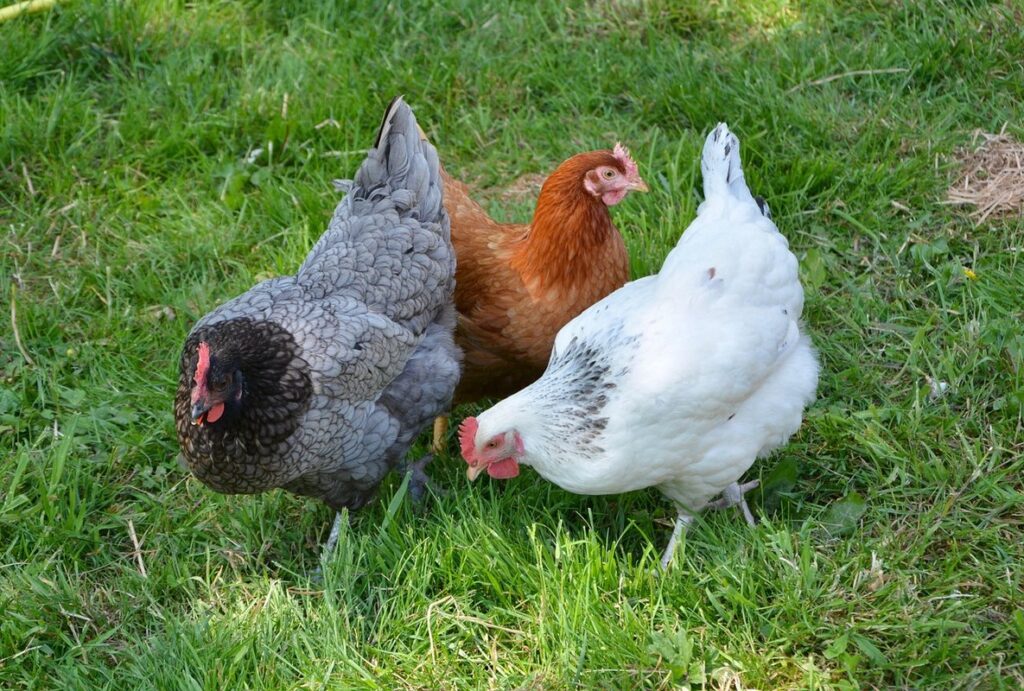
Characteristics and Breeds
When it comes to chickens that lay white eggs, you’re probably wondering which breeds are best suited for your backyard flock. Let’s explore some popular characteristics and breeds of white egg-laying hens.
Breed Overview
If you’re on the hunt for chickens that lay white eggs, you’ll want to consider breeds known for their exceptional egg-laying abilities. Among these are Leghorns, Cornish, and Sussex chickens.
Leghorns, a popular choice among backyard chicken keepers, excel at producing an astonishing number of large, white eggs per year. These Italian-bred birds are naturally prolific layers, capable of laying up to 300 eggs annually in optimal conditions. Their high egg production, combined with their low space requirements and adaptability to various climates, makes them a top pick for many enthusiasts.
Cornish chickens, on the other hand, while smaller than Leghorns, also lay an impressive number of white eggs. These British-bred birds are prized for their friendly nature, hardiness, and relatively high egg production – often averaging around 200 eggs per year. With proper care, Cornish hens can make excellent additions to small-scale chicken flocks.
Sussex chickens, another long-time favorite among backyard keepers, lay a respectable number of large, white eggs – typically between 200-220 per year. Noted for their friendly demeanor and docile nature, Sussex birds are well-suited for family farms or backyard coops with minimal space constraints.
When selecting breeds from these categories, consider your specific needs and circumstances to ensure the best fit for you and your flock.
Egg-Laying Capacity
One of the most sought-after characteristics of chickens that lay white eggs is their impressive egg-laying capacity. These breeds are prized for their ability to produce large quantities of white eggs per week, making them a favorite among backyard chicken keepers and farmers alike.
Some of the top-performing breeds in terms of egg-laying capacity include Leghorns, which can lay up to 300 white eggs per year, and Cornish hens, which can produce around 250 white eggs annually. These numbers may seem impressive, but it’s essential to remember that individual birds will vary depending on factors such as diet, health, and living conditions.
To encourage your chickens to reach their full egg-laying potential, make sure they have access to a balanced diet rich in protein and calcium. Provide them with adequate shelter, exercise, and fresh water to keep them happy and healthy. With proper care and attention, you can expect your white-egg-laying hens to produce a steady supply of eggs for months on end.
Temperament and Hardiness
When it comes to temperament and hardiness, some breeds of white egg-laying chickens stand out from the rest. For instance, Leghorns are known for their friendly and docile nature, making them a great choice for families with children or beginners to backyard chicken-keeping.
On the other hand, some breeds like Ancona and Campine can be more skittish and require extra attention when handling. It’s essential to research the temperament of a specific breed before bringing it home to ensure it’s a good fit for your lifestyle.
In terms of hardiness, breeds like Australorp and Orpington are known for their robust health and ability to withstand harsh weather conditions. However, they do require regular grooming to prevent leg problems.
To keep your white egg-laying hens healthy and happy, make sure to provide them with adequate shelter, nutrition, and veterinary care. Regular check-ups with a poultry vet can help identify any potential issues early on, ensuring your flock stays thriving for years to come.
Some breeds may require specific vaccinations or health checks, so it’s crucial to research the needs of your chosen breed before bringing them home. With proper care and attention, your white egg-laying chickens will reward you with a steady supply of fresh eggs and endless entertainment!
Nutrition and Diet
When it comes to raising chickens that lay white eggs, their diet plays a crucial role in determining their overall health and egg-laying abilities. Understanding what they need to thrive is essential for optimal egg production.
The Importance of a Balanced Diet
When it comes to raising chickens that lay white eggs, providing a balanced diet is crucial for their overall health and egg-laying performance. A well-balanced diet ensures that your flock receives all the necessary nutrients, vitamins, and minerals required for optimal production.
Just like humans, chickens have different nutritional needs at various stages of life. For example, laying hens require more calcium to produce strong eggshells, while growing pullets need a balanced mix of protein, carbohydrates, and fats for muscle development. A diet lacking essential nutrients can lead to decreased egg production, weaker eggshells, and even health problems.
To achieve optimal nutrition, provide your flock with a variety of high-quality feed and supplements. Consider mixing their regular layer feed with fruits and vegetables like carrots, apples, and leafy greens. You can also offer them cracked eggs as a treat, rich in calcium and protein. For example, adding 1-2 tablespoons of crushed oyster shells to their daily ration can provide an excellent source of calcium.
By offering your flock a balanced diet, you’ll be rewarded with healthier chickens that produce high-quality white eggs consistently.
Calcium-Rich Foods
When it comes to raising chickens that lay white eggs, providing them with a balanced and nutritious diet is crucial for their overall health and egg production. One essential component of this diet is calcium-rich foods, which play a vital role in supporting strong eggshell production.
Calcium is the primary building block of eggshells, making up about 95% of its composition. Without sufficient calcium intake, hens may experience weakened shells that are prone to cracking or breakage. To ensure your white-egg-laying chickens receive adequate calcium, focus on incorporating calcium-rich foods into their diet.
Some excellent sources of calcium for your flock include crushed oyster shells, dark leafy greens like kale and spinach, and fortified egg-layer feed. You can also supplement with ground limestone or dolomitic limestone, which are rich in calcium carbonate. Aim to provide 2-3% of your hen’s daily diet as calcium-rich foods, and adjust accordingly based on their individual needs.
By prioritizing calcium-rich foods, you’ll be supporting the overall health and egg production of your white-egg-laying chickens.
Avoiding Over-Supplementation
Over-supplementation with vitamins or minerals is a common mistake many chicken keepers make, and it can have devastating effects on their flock’s health. When it comes to raising chickens that lay white eggs, ensuring they get the right balance of nutrients is crucial.
A diet rich in supplements might seem like a good idea, but excessive amounts can be toxic to your birds. For instance, too much vitamin A can cause soft-shelled eggs or even reproductive problems in hens. Similarly, an overabundance of calcium can lead to kidney damage and other health issues.
To avoid these problems, it’s essential to stick to the recommended dietary guidelines for chickens that lay white eggs. This typically involves providing a balanced commercial layer feed as the main staple, with occasional treats like fruits and vegetables. Avoid adding supplements without consulting a veterinarian or poultry expert first, as their advice will ensure you’re giving your flock what they need without overdoing it.
Remember, less is often more when it comes to chicken nutrition – and over-supplementation can be a costly mistake in the long run!
Health Considerations
When it comes to raising chickens that lay white eggs, there are some key health considerations you’ll want to be aware of as a responsible flock owner. This includes understanding common health issues and how to prevent them.
Common Health Issues
As you start raising chickens that lay white eggs, it’s essential to be aware of common health issues that can affect them. Respiratory problems are a significant concern for white egg-laying hens. These birds can be prone to diseases such as respiratory syncytial virus (RSV) and infectious bronchitis virus (IBV), which can cause inflammation in the lungs, trachea, and air sacs.
Parasites like mites, lice, and fleas can also infest white egg-laying hens. Mites, in particular, can weaken a bird’s immune system and cause significant stress. Regular cleaning of coops and runs, as well as monitoring for these pests, is crucial to preventing infestations.
Some other common health issues affecting white egg-laying chickens include:
* Osteoporosis due to inadequate calcium intake
* Egg-binding, which can be caused by a range of factors including genetics, nutrition, and environmental stressors
* Bumblefoot, a condition that affects the foot pads and can lead to lameness and pain
Vaccination and Hygiene Practices
When it comes to maintaining a healthy flock of chickens that lay white eggs, vaccination and hygiene practices are crucial. Vaccinations can help protect against common diseases such as Marek’s disease, Newcastle disease, and avian influenza. It’s essential to consult with a veterinarian or poultry expert to determine the best vaccination program for your specific flock.
Good hygiene practices also play a vital role in maintaining a healthy flock. This includes regular cleaning of coops and runs, disinfecting feeding and watering equipment, and removing soiled bedding material. Keeping a clean environment can help prevent the spread of disease and parasites.
Some essential hygiene tips include:
• Cleaning the coop at least once a week with a disinfectant solution
• Disinfecting all feeding and watering equipment daily
• Removing soiled bedding material immediately to prevent ammonia buildup
• Providing regular access to fresh water and a balanced diet
By implementing these vaccination and hygiene practices, you can help ensure your flock stays healthy and thrives. Remember, a healthy flock is the key to successful egg production.
Biosecurity Measures
When it comes to raising chickens that lay white eggs, one crucial aspect to consider is biosecurity measures. These measures are essential for preventing disease outbreaks in backyard chicken flocks, which can have devastating consequences on the health and productivity of your birds.
Disease prevention starts with cleanliness. Make sure to regularly clean and disinfect feeders, waterers, and nesting boxes to prevent the buildup of bacteria and germs. This is especially important during peak egg-laying seasons or when introducing new birds to your flock.
Another vital biosecurity measure is isolating new chickens from your existing flock for at least 30 days before integrating them. This helps to prevent the introduction of diseases and parasites that can be carried by new birds.
Also, ensure good ventilation in your coop to reduce ammonia levels and prevent respiratory issues. A well-maintained coop with adequate air circulation can make a huge difference in maintaining healthy chickens.
Housing and Environment
When it comes to keeping chickens that lay white eggs, their housing and environment play a crucial role in their health and egg production. Let’s dive into some essential tips on creating a suitable coop and yard.
Coop Design and Size
When designing a coop for chickens laying white eggs, it’s essential to consider their unique needs. These birds require adequate ventilation to prevent ammonia buildup from their droppings, which can be toxic to them. Ensure your coop has proper airflow by installing windows, vents, or a solar-powered fan. This will not only keep the air clean but also regulate temperature fluctuations.
In terms of space, white egg-laying chickens need about 3-4 square feet per bird inside the coop and 8-10 square feet in the run. Provide enough room for them to move around comfortably, stretch their wings, and engage in natural behaviors like scratching and dust bathing. Consider adding nesting boxes specifically designed for small breeds or those that lay white eggs.
Remember, a well-designed coop is crucial for maintaining your flock’s health and happiness. By prioritizing ventilation and space requirements, you’ll create an environment where your white egg-laying chickens can thrive. For instance, the popular Leghorn breed requires ample space to move around due to its high energy levels and tendency to scratch extensively. Consider these factors when planning your coop design to ensure a happy and healthy flock.
Perches and Roosts
Providing perches and roosts for your white egg-laying chickens is an essential aspect of creating a comfortable and healthy environment. Not only do they give your girls a place to rest, but they also encourage scratching and exercise. This can help reduce stress and boredom, leading to healthier hens that produce more eggs.
When choosing perches and roosts, consider the size and breed of your chickens. For example, a Barred Plymouth Rock will require a longer perch than a smaller Leghorn. Aim for at least 12 inches of space per hen on each perch. You can also add multiple levels or branches to create a multi-tiered system.
Place the perches in an area that’s well-ventilated and protected from drafts. Chickens prefer to roost in dry, quiet spots, so avoid placing them near feeding areas or high-traffic zones. Make sure the perches are sturdy enough to support the weight of your hens, and consider adding a few extras for flexibility.
By providing a comfortable place for your chickens to rest, you’ll be rewarded with healthier birds that lay more eggs. And when it comes to white egg-layers, every little bit counts!
Outdoor Access and Exercise
Providing chickens with access to fresh air, sunlight, and exercise is crucial for their overall health and well-being. Just like humans, chickens need regular physical activity to maintain strong muscles, keep their joints mobile, and prevent a range of health issues associated with sedentary lifestyles.
When it comes to chickens that lay white eggs, it’s essential to create an environment that allows them to engage in natural behaviors such as foraging, scratching, and flying. Provide your flock with a spacious run or enclosure where they can roam freely, exploring their surroundings and getting some exercise. A minimum of 8-10 square feet per bird is recommended, but the more space you can offer, the better.
Consider adding features like dust baths, ramps, and perches to keep your chickens stimulated and active. You can also create a designated foraging area where they can scratch and peck at nutritious treats, promoting mental stimulation and reducing stress levels. By prioritizing your flock’s physical activity, you’ll not only promote their health but also encourage them to lay healthier, more nutritious eggs.
Tips for Beginners
If you’re new to raising chickens that lay white eggs, don’t worry – we’ve got your back! This section will share our top tips and tricks specifically tailored for beginners.
Getting Started with Backyard Chickens
Getting started with backyard chickens can be an exciting and rewarding experience, especially if you’re interested in raising birds that lay white eggs. The first step is to choose the right breed for your needs. Some popular breeds of white egg-laying chickens include Leghorns, Polish, and Brahma. Consider factors such as climate, space, and noise level when selecting a breed.
Once you’ve chosen your breed, it’s time to build or set up a coop. This will provide a safe and healthy environment for your birds. Make sure the coop is well-ventilated, predator-proof, and easy to clean. You’ll also need to consider the size of the coop in relation to the number of chickens you plan to keep.
In addition to the coop, you’ll need to purchase necessary equipment such as feeders, waterers, and nesting boxes. These can be found at most farm supply stores or online. It’s also a good idea to consult with local regulations regarding backyard chicken keeping in your area. With these basics covered, you’ll be well on your way to raising happy and healthy white egg-laying chickens in your own backyard!
Handling and Health Checks
When it comes to handling chickens safely and performing regular health checks, it’s essential for beginners to know what to look out for. Chickens can be skittish, so move slowly and calmly around them, avoiding direct eye contact or sudden movements. Make sure you’re wearing clean gloves when handling your birds to prevent the transfer of bacteria.
Performing a daily walk-through of your coop is crucial in detecting any potential health issues early on. Check for signs of illness such as labored breathing, lethargy, or changes in droppings. Look out for any wounds, mites, or lice infestations. Clean food and water containers regularly to prevent contamination.
Conduct a weekly examination of your birds’ wings, legs, and feet for any signs of injury or infection. Check the condition of their beaks and combs for redness, swelling, or discharge. Keep an eye out for changes in egg production, as this can indicate underlying health issues. By being proactive with your flock’s health checks, you’ll be better equipped to prevent and address potential problems before they become serious.
Frequently Asked Questions
How do I choose the right coop size for my flock?
Choosing a coop that’s too small can lead to overcrowding, stress, and health issues for your chickens. To ensure you have enough space, consider the breed size, expected number of birds, and adequate ventilation. A good rule of thumb is 3-4 square feet per bird inside the coop. Also, don’t forget about outdoor access and exercise areas.
Can I raise chickens with other pets in my backyard?
While it’s not impossible to keep different animals together, it’s essential to consider their compatibility, safety, and potential stressors. Chickens can be introduced to dogs and cats with proper introduction and supervision. However, predators like foxes or raccoons may pose a threat, so ensure your coop is secure.
What are the best ways to protect my flock from diseases?
Preventing disease outbreaks is crucial in maintaining a healthy flock. Keep your coop clean, disinfect regularly, and maintain good hygiene practices. Provide a balanced diet rich in nutrients and avoid over-supplementation, which can lead to deficiencies. Consider vaccination options for common diseases and consult with a veterinarian if you notice any health issues.
How often should I collect eggs from my white egg-laying chickens?
Collecting eggs daily will help prevent breakage and keep your coop clean. It’s also essential for monitoring egg quality and detecting any potential health issues early on. Be sure to handle the eggs gently, as excessive handling can lead to stress and decreased fertility.
Can I mix breeds with different egg-laying capacities in a single flock?
While it’s possible, mixing breeds may affect overall productivity and create challenges when managing your flock. If you choose to combine breeds, select those with similar temperaments and growth rates to minimize conflicts. Keep in mind that Leghorns are prolific layers but may dominate resources, so balance the mix accordingly.