
Are you looking to add some new layers to your backyard flock, or perhaps upgrade your current setup with some high-performing birds? If so, white egg-laying chicken breeds are definitely worth considering. These prolific layers are known for their impressive egg production, and with good reason – they can consistently lay dozens of large, beautiful eggs per week.
But it’s not just about the eggs – these birds also bring a lot to the table in terms of temperament and overall health. Some white egg-laying breeds are renowned for being friendly, docile, and easy to handle, making them perfect for families with children or first-time chicken keepers. In this article, we’ll delve into the world of white egg-laying chicken breeds, exploring their characteristics, laying abilities, temperament, and health considerations, as well as providing expert advice on how to raise and care for these fantastic birds.
Characteristics and Benefits of White Egg Layers
White egg layers are prized for their high productivity, making them a great choice for backyard flocks. Let’s take a closer look at what makes them so special.
Physical Characteristics of White Egg Layers
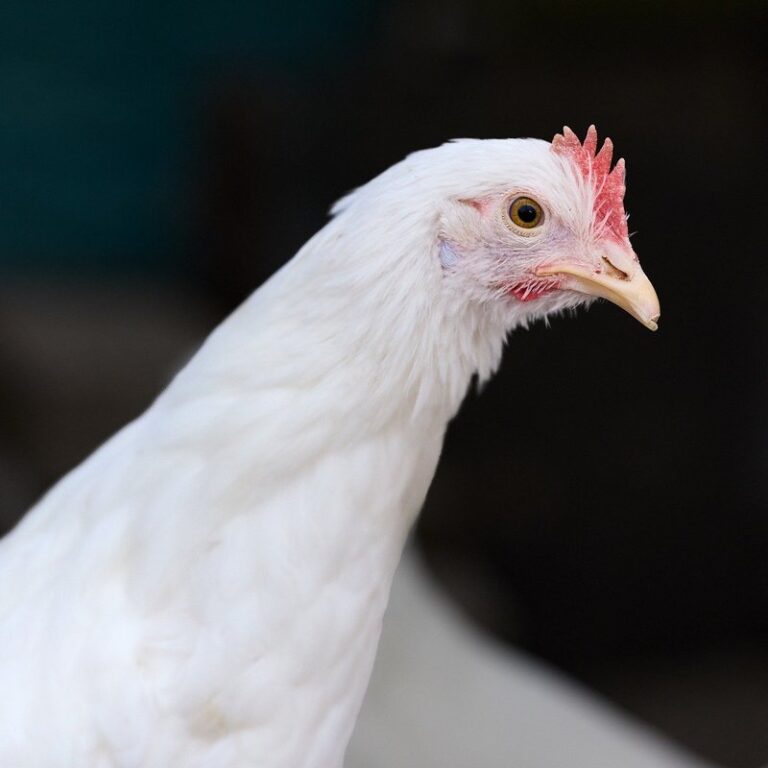
White egg-laying breeds are known for their sleek and elegant appearance. One of the most noticeable physical characteristics is their feather color, which is typically white, cream, or light gray. Some breeds may have a slight sheen to their feathers, giving them a healthy and vibrant look.
When it comes to comb type, white egg layers often sport a single-comb or rose-comb, depending on the breed. The single-comb is relatively small and compact, while the rose-comb is more sprawling and ornamental. The comb’s shape can also indicate the bird’s temperament and ability to tolerate heat.
Body size is another key physical trait of white egg layers. These birds tend to be medium-sized, with hens weighing between 4-6 pounds on average. Roosters are slightly larger, but not significantly so. A well-fed and healthy white egg layer will have a broad, deep chest and strong legs, indicating its overall muscling and vigor.
Their compact size makes them ideal for small backyards or homesteads where space is limited.
Laying Abilities and Egg Production
White egg-laying chicken breeds are known for their exceptional productivity and are often chosen by backyard chicken keepers due to their high egg output. On average, a healthy white egg layer will produce around 280-300 eggs per year, which can vary depending on factors such as breed, nutrition, and management practices.
In terms of egg weight, white egg layers typically lay large to extra-large eggs, weighing between 50-60 grams each. Some breeds, like the Leghorn, can produce even larger eggs, weighing up to 65 grams or more.
When it comes to laying patterns, many white egg layers are known for their consistent daily production, meaning you can expect an egg from your hen every day. However, some breeds may follow a seasonal pattern, where egg production slows down during the winter months and increases again in the spring. It’s essential to understand the specific needs and characteristics of your breed to provide optimal care and management.
To maximize egg production, it’s crucial to provide your white egg layers with a balanced diet rich in calcium and protein. Adequate light exposure, especially during the winter months, is also vital for maintaining their laying schedule. By understanding their individual needs and providing proper care, you can enjoy a steady supply of fresh eggs from your backyard flock.
Temperament and Hardiness
When it comes to temperament and hardiness, white egg-laying breeds are known for their resilience and adaptability. For instance, Leghorn chickens, one of the most popular white egg layers, can thrive in a variety of climates, from hot and humid to cold and dry. They’re also relatively low-maintenance when it comes to health issues, making them an excellent choice for backyard farmers.
Some breeds, such as the Ancona, have been known to be particularly hardy and disease-resistant. This makes them an excellent choice for farmers who want a low-fuss breed that can withstand minor health setbacks. On the other hand, breeds like the Cornish are more sensitive to health issues and may require closer monitoring.
To ensure your white egg-laying flock stays healthy and thriving, make sure to provide them with adequate shelter, nutrition, and veterinary care. A balanced diet rich in protein and calcium will help support their bone and egg production health. Regular cleaning of coops and runs can also prevent the spread of diseases.
History and Origins of White Egg-Laying Breeds
The history of white egg-laying breeds dates back centuries, with many ancient civilizations valuing their exceptional laying abilities. Let’s take a closer look at how these incredible birds originated.
Ancient Origins of White Egg Layers
White egg-laying breeds have been prized for their valuable eggs since ancient times. The first recorded evidence of selective breeding for white egg-laying chickens comes from ancient Egypt around 1500 BCE. Egyptians valued the large, creamy-white eggs produced by these birds and bred them specifically for this trait.
The Incas also kept white egg-laying chickens in South America, using their eggs as a source of food and trade currency. These birds were highly prized for their exceptional egg-laying ability, with some hens producing up to 300 large, white eggs per year.
In Europe, the Romans adopted the practice of selective breeding from the Egyptians and developed their own breeds of white egg-layers. The Leghorn breed, which originated in Italy during this time, is still one of the most popular white egg-laying breeds today.
These ancient civilizations recognized the value of a consistent supply of large, white eggs and bred their chickens accordingly. By understanding the origins of these breeds, we can appreciate the long history of selective breeding that has led to the wide range of white egg-laying chicken breeds available today.
Development of Modern White Egg Layer Breeds
In the early 20th century, poultry breeders began developing modern white egg layer breeds through selective breeding programs. The goal was to improve laying efficiency and egg quality while maintaining desired traits such as temperament and hardiness. Breeders selectively bred birds with high egg production rates, improved feed conversion ratios, and enhanced fertility.
These efforts led to the creation of iconic breeds like the Leghorn, which produces an average of 280-300 eggs per year. Another notable breed is the Hy-Line Brown, known for its exceptional laying efficiency and robust health. Selective breeding programs have also resulted in more recent developments, such as the Lohmann Brown, which boasts improved feed conversion ratios and superior egg quality.
Breeders continue to refine their selective breeding techniques, incorporating genetic research and genomics into their work. This integration has allowed for even greater precision in identifying desirable traits, enabling the creation of breeds that excel in specific areas.
Popular White Egg-Laying Chicken Breeds
If you’re looking for a reliable and consistent source of fresh eggs, here are some popular white egg-laying chicken breeds that are sure to impress! Let’s take a closer look at their characteristics.
Leghorn Breed Characteristics
The Leghorn breed is one of the most well-known and prolific white egg layers, renowned for its high productivity and adaptability. Originating from Italy, this breed has been a staple in many backyard flocks and commercial farms due to its impressive egg-laying abilities.
Characterized by their sleek, light-brown feathers and distinctive red combs, Leghorns are easily recognizable. They are known for producing an average of 280-300 brown eggs per year, making them one of the top white egg layers in the industry. However, it’s essential to note that they can be prone to heat stress due to their light feathering.
Some advantages of keeping Leghorns include their high egg production, adaptability to various climates and living conditions, and relatively low maintenance requirements. They are also a great choice for beginners, as they are generally easy to handle and require minimal care.
However, there are some disadvantages to consider: Leghorns can be loud, flighty, and may not make the best mothers, as their broodiness is often limited. Additionally, they may require more space than other breeds due to their high energy levels.
Other Notable White Egg Layer Breeds
In addition to the popular breeds we’ve discussed so far, there are several other notable white egg-laying chicken breeds worth mentioning. The Polish is a good example of this group. Known for their crested heads and blue legs, they’re a bit more laid-back than some other breeds and tend to be more friendly with people. They’re not as prolific layers as some other breeds, but they’ll give you around 200 eggs per year.
Another breed that’s worth considering is the Campine. These birds are known for their striking appearance, with white feathers and a distinctive crest on top of their heads. They’re also good layers, producing around 220 eggs per year. One thing to note about Campines is that they can be a bit more skittish than some other breeds, so they may not be the best choice if you have young children.
Finally, there’s the Ancona. This Italian breed has a unique appearance, with white feathers and a distinctive black stripe running along its head and neck. They’re good layers, producing around 200 eggs per year, but they can also be prone to being a bit flighty. If you’re looking for a bird that will give you plenty of eggs, the Ancona may not be the best choice. However, if you have a lot of space and are willing to put in the work, they can make great additions to your flock.
Health Considerations for White Egg Layers
When it comes to raising healthy white egg-laying chickens, understanding their specific health needs is crucial. In this section, we’ll discuss common health concerns and tips for keeping your flock thriving.
Common Health Issues Affecting White Egg Layers
White egg layers are generally considered to be a hardy breed, but they can still fall prey to certain health issues. One of the most common problems is respiratory disease, which can be caused by factors such as poor ventilation, high ammonia levels, and exposure to pathogens like Pasteurella multocida.
Mites are another issue that can affect white egg layers. These tiny parasites feed on the blood and skin of chickens, causing discomfort, stress, and potentially leading to secondary infections. Regular cleaning and inspection of your coop is essential to prevent mite infestations.
Bacterial infections such as E. coli and Salmonella can also be a concern for white egg layers. To minimize the risk of bacterial infection, ensure that your flock has access to clean water and feed at all times, maintain a clean coop, and practice good hygiene when handling chickens and their equipment. Regular vaccinations and biosecurity measures should also be implemented to protect your flock from disease.
It’s essential to monitor your flock regularly for signs of illness or stress, such as lethargy, decreased egg production, or changes in droppings. If you notice any unusual symptoms, consult a veterinarian experienced in poultry care to determine the best course of treatment.
Nutrition and Dietary Needs of White Egg Layers
White egg layers require a balanced diet that meets their unique nutritional needs to optimize health and egg production. A well-planned feed should provide adequate protein, energy, and essential vitamins and minerals. For white egg layers, the ideal protein content is around 16-18% of the total diet, with a higher percentage required for young birds.
Amino acids such as methionine and cysteine are crucial for feather growth and overall health. Vitamin D3 is also essential for calcium absorption and bone development. A balanced ratio of calcium to phosphorus is vital, with a minimum of 1:1 or slightly above for optimal eggshell production.
To ensure your white egg layers receive the necessary nutrients, consider offering a mix of grains like oats, barley, and wheat. Supplementing with crushed oyster shells or crushed eggs can provide an additional source of calcium. Fresh vegetables and fruits like kale, spinach, and berries are also excellent additions to their diet, providing essential vitamins and minerals.
A balanced feed will help maintain optimal health, reduce the risk of disease, and support consistent egg production. Always consult with a veterinarian or experienced poultry breeder to determine the best nutrition plan for your flock based on their age, size, and individual needs.
Raising and Caring for White Egg-Laying Chickens
Raising white egg-laying chickens requires attention to their specific needs, including diet, health checks, and coop maintenance to ensure they thrive. Let’s dive into these essential care tips together!
Housing and Environmental Considerations
When it comes to raising white egg-laying chickens, providing suitable housing conditions is crucial for their health and well-being. One of the most important aspects of chicken housing is ventilation. White egg-layers require a minimum of 2-3 square feet per bird inside the coop, with adequate airflow to prevent ammonia buildup from droppings. This can be achieved by installing windows or vents that allow fresh air to circulate.
Proper lighting is also essential for your flock’s happiness and productivity. Chickens need at least 14 hours of daylight to produce eggs efficiently, so consider using supplemental lighting during the winter months when natural light is scarce. A minimum of 10-12 inches per bird of roosting space is recommended, as well as easy access to nesting boxes.
In addition to these basics, it’s also important to consider the chickens’ need for dust baths and scratching areas outside the coop. These activities help keep their feathers clean and prevent stress-related behaviors like feather pecking. By providing a well-ventilated, spacious, and naturally lit enclosure, you’ll be giving your white egg-laying hens the best possible start in life.
Feeding and Hydration Best Practices
When it comes to feeding and hydrating your white egg-laying chickens, providing access to clean water and nutritious feed is crucial for their overall health and productivity. Make sure to place their waterer in a location that’s easily accessible but not too close to their nesting box, as they tend to prefer cleaner areas. Change the water frequently, ideally twice a day, to ensure it remains fresh.
A high-quality layer feed should be your go-to choice for your white egg-laying chickens. Aim to provide about 16-18% protein in their feed to support optimal egg production. You can also supplement with calcium-rich foods like crushed oyster shells or dark leafy greens to help strengthen their bones and promote healthy eggshell production.
Consider a deep litter system in your coop, which will allow you to forage through it regularly to ensure the health of your chickens is not compromised by accumulated waste and germs. This also helps reduce odors within the coop, providing a cleaner environment for your birds.
Monitor your flock’s overall health and adjust their diet accordingly. It’s also essential to provide them with grit, especially if they’re on layer feed that doesn’t contain it.
Frequently Asked Questions
How do I choose the right breed for my backyard flock?
Choosing the right breed involves considering factors such as climate, available space, and your personal preferences for egg size, temperament, and appearance. Research popular breeds like Leghorns, Rhode Island Reds, or Ameraucanas to find one that suits your needs.
What’s the ideal ratio of hens to roosters in my flock?
A general rule of thumb is to maintain a 10:1 ratio of hens to roosters. However, this can vary depending on breed and individual bird personalities. Monitor your birds’ behavior and adjust the ratio as needed to prevent aggression.
How often should I collect eggs from my white egg-laying flock?
Collect eggs daily, especially during peak production periods, to ensure they don’t crack or become damaged. This also helps you monitor egg quality and identify any potential health issues early on.
Can white egg layers tolerate extreme temperatures?
While some breeds are more heat-tolerant than others, it’s essential to provide adequate shelter and ventilation to protect your birds from excessive heat stress. Consider using breathable nesting boxes and keeping an eye on temperature fluctuations in your area.
How do I introduce new chickens to my existing flock without causing stress?
Gradual introduction is key. Start by keeping the new birds in a separate enclosure near the main flock, allowing them to become familiar with each other’s sounds and smells. Once comfortable, integrate them under close supervision, monitoring their behavior for signs of aggression or stress.