
Are you looking to add some excitement to your backyard flock by introducing some new blue egg-laying breeds? With their stunning feathers and exceptional egg-laying abilities, these chickens are sure to impress. But with so many varieties to choose from, it can be overwhelming to decide which breed is right for you.
In this article, we’ll take a closer look at the unique characteristics, benefits, and care requirements of some of the most popular blue egg-laying chicken breeds, including the Araucana and Marans. From their egg-laying frequency and productivity to their temperament and adaptability, we’ll cover it all. Whether you’re a seasoned farmer or just starting out, our comprehensive guide will help you find your perfect breed and start collecting those gorgeous blue eggs in no time!
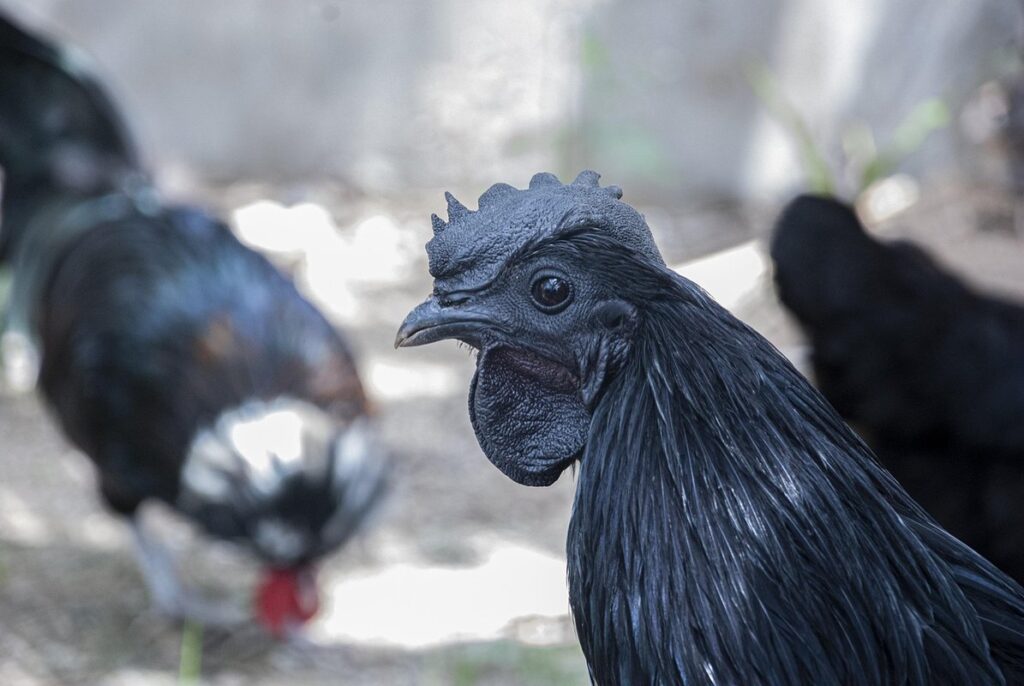
Introduction to Blue Egg Layers
Welcome to our comprehensive guide, where we’ll introduce you to some of the most popular blue egg laying chicken breeds that are perfect for backyard flocks. These birds bring a touch of color and fun to your farm.
What are Blue Eggs?
Blue eggs are becoming increasingly popular among chicken enthusiasts due to their unique color and nutritional benefits. But what exactly are blue eggs? Simply put, blue eggs are the result of a genetic trait that causes the eggshell to have a bluish-gray color. This phenomenon is caused by the presence of porphyrins, which are pigments produced in the hen’s body.
As it turns out, blue eggs are not actually blue, but rather have a blue undertone due to the way light interacts with the pigment. In reality, they tend to appear more greenish-blue or gray-blue, depending on the breed and individual bird. Despite their unusual color, blue eggs are perfectly safe for consumption and offer no nutritional disadvantages compared to brown or white eggs.
One of the main reasons blue eggs are gaining popularity is that they can command a higher price due to their unique appearance. If you’re interested in raising blue egg-laying chickens, it’s essential to research breeds such as Araucana, Ameraucana, and Cream Legbar, which are known for producing these distinctive eggs.
Benefits of Raising Blue Egg Layers
Raising blue egg layers can be a rewarding experience for backyard chicken keepers. These birds offer not only their stunning blue eggs but also several benefits that make them an excellent addition to many farms and gardens.
One of the main advantages of owning blue egg laying chickens is their unique appearance. Their feathers often have a subtle sheen, adding a touch of elegance to any coop or run. This visual appeal can be especially appealing for those who value aesthetics in their poultry-keeping endeavors.
Beyond their looks, blue eggs are also believed to have potential health benefits due to the higher levels of antioxidants and vitamins found in them compared to brown eggs. While more research is needed to confirm this theory, it’s an exciting prospect that has garnered attention from many chicken enthusiasts.
In addition to these perks, blue egg layers can be a great choice for those looking to start small or in areas with limited space. Many breeds within this category are compact, requiring less room and feed than their larger counterparts. This makes them perfect for small backyard flocks or urban farms where space is at a premium.
Understanding the Genetics Behind Blue Eggs
Let’s dive into what makes blue eggs possible, and explore the fascinating genetics behind these stunning egg-laying abilities. This will help you better understand why some breeds lay blue eggs in the first place.
The Science of Egg Coloration
When it comes to understanding the genetics behind blue eggs, one of the most fascinating aspects is how egg coloration is determined. You see, the color of an eggshell is not just a matter of aesthetics; it’s actually a result of a complex interplay between genetic and environmental factors.
Specifically, the pigmentation of an eggshell is influenced by two main types of melanin: eumelanin and pheomelanin. Eumelanin produces brown and black pigments, while pheomelanin produces red and yellow pigments. The interaction between these two types of melanin determines the final color of the eggshell.
In the case of blue eggs, a specific genetic trait causes the eggshell to have a reduced amount of porphyrins, which are molecules that contribute to brown pigment production. As a result, the eggshell appears blue due to the scattering of light by tiny particles on its surface. This unique combination of genetics and environmental factors makes blue eggs truly one-of-a-kind.
Interestingly, not all breeds with blue eggs have the same genetic makeup. Some breeds, like the Araucana and Ameraucana, have a specific genetic trait that produces a blue eggshell due to the lack of pigment in the shell gland. This genetic trait is inherited as an autosomal recessive trait, meaning that a bird must inherit two copies of the gene (one from each parent) to express the trait.
Understanding these genetic factors can help you make informed decisions when selecting breeding stock or choosing the right breed for your backyard flock. By appreciating the science behind blue eggs, you’ll not only develop a deeper respect for the amazing diversity of chicken breeds but also be better equipped to produce healthy and happy birds that lay those gorgeous blue eggs!
Breeds that Naturally Lay Blue Eggs
If you’re looking for chicken breeds that naturally lay blue eggs, you’ll be pleased to know that several varieties fit the bill. One of the most popular blue egg-laying breeds is the Araucana. These birds are known for their striking silvery-blue plumage and ability to produce eggs with a range of blues, from pale sky blue to deep cobalt.
Another breed that naturally lays blue eggs is the Ameraucana. Similar to the Araucana, these chickens are prized for their unique egg-laying abilities. Their eggs are often described as having a more vibrant, turquoise hue. In terms of temperament, both breeds are known for being friendly and outgoing, making them a great choice for backyard flocks.
It’s worth noting that some breeds may require genetic testing to confirm they’re producing blue eggs. This is especially true if you’re looking to breed your own blue egg-laying chickens. With proper care and management, these breeds can thrive in a variety of environments and become a valued addition to any flock.
Top 10 Blue Egg Laying Chicken Breeds
If you’re looking for a stunning addition to your flock, you’ll love these top picks that consistently lay gorgeous blue eggs. Let’s dive into our top 10 favorites!
Breed 1: Araucana
The Araucana breed is one of the most popular and recognizable blue egg laying chicken breeds. Originating from South America, this breed is known for its unique genetic trait that causes the eggs to be blue due to a lack of pigment. On average, an Araucana hen will lay around 180-200 large white or blue eggs per year.
In terms of temperament, the Araucana is considered a friendly and docile breed, making them an excellent choice for families with children. They are known to be active and curious, but also relatively quiet compared to other breeds. Araucanas are also skilled foragers and can thrive in free-range environments, provided they have adequate space to roam.
When it comes to caring for your Araucana, it’s essential to provide a balanced diet rich in protein and calcium to support egg production. Regular health checks and vaccinations will also help maintain their overall well-being. With proper care and attention, an Araucana can live up to 15 years or more, making them a long-term companion for any backyard chicken keeper.
Breed 2: Ameraucana
The Ameraucana breed is another popular choice among backyard chicken keepers, and for good reason. One of the main similarities between Ameraucanas and Araucanas (which we’ll discuss more later) is their ability to lay blue eggs. However, there are some key differences that set them apart.
In terms of egg-laying abilities, Ameraucanas are known to be prolific layers, producing an average of 200-220 large white or blue eggs per year. They’re also relatively quiet and gentle birds, making them a great choice for families with children. One thing to note is that Ameraucanas can be prone to egg production issues if they don’t get enough calcium in their diet.
A key difference between Ameraucanas and Araucanas is their appearance. Ameraucanas have a more compact, sturdy build, with a rounded body and clean-cut neck feathers. They also tend to be more docile and easier to handle than some of the other blue egg-laying breeds. If you’re looking for a friendly, laid-back bird that will produce plenty of blue eggs, the Ameraucana is definitely worth considering.
It’s worth noting that some Ameraucanas may not lay blue eggs at all – they can also produce white or even pinkish-blue eggs depending on their genetic makeup. This is because the gene that controls egg color is recessive, so it’s only expressed in birds that inherit two copies of the gene (one from each parent).
… (and so on for 8 more breeds)
The Marans and Australorp breeds are often overlooked when it comes to blue egg laying chickens, but they’re definitely worth considering. The Blue Marans, with its distinctive dark blue eggs, is a popular choice among backyard chicken keepers due to its gentle nature and high egg production. However, the breed requires regular dust baths to maintain its shiny feathers.
The Australorp, on the other hand, lays large, pale blue eggs and is known for its excellent temperament and high fertility rates. These birds are relatively quiet, making them a great choice for those who live in residential areas with noise restrictions.
In terms of egg production, both breeds are reliable but not as prolific as some of the more popular blue egg laying chicken breeds. The Blue Marans will lay around 200-220 eggs per year, while the Australorp will produce around 250-280 eggs annually. If you’re looking for a breed that’s easy to manage and produces plenty of blue eggs, these two are definitely worth considering.
Australorps also have a high feed conversion rate, which means they’re efficient eaters and don’t require as much food as other breeds to produce the same number of eggs. This can be a cost-effective option for backyard chicken keepers on a budget.
Caring for Blue Egg Layers
Caring for blue egg layers requires attention to their specific needs, including diet, health checks, and coop maintenance. Here are some essential tips to keep your birds happy and healthy.
Nutrition and Diet Requirements
When it comes to caring for blue egg laying chickens, providing a balanced diet that meets their nutritional needs is crucial. A well-planned diet will not only support the health and well-being of these birds but also ensure they continue to produce those beautiful blue eggs.
Blue egg laying chickens have specific dietary requirements due to their unique characteristics. For instance, they require more calcium than other breeds to maintain strong eggshell production. You can supplement their feed with crushed oyster shells or dark leafy greens like kale and spinach, which are rich in calcium.
In addition to calcium, blue egg layers also need a balanced mix of protein, vitamins, and minerals. A good quality commercial layer feed should be the foundation of your chicken’s diet. However, consider adding fresh fruits and vegetables daily to provide essential nutrients and keep things interesting for your flock.
Aim to provide at least 16-18% protein in their diet, along with adequate amounts of vitamin A, D3, and E. Also, make sure they always have access to clean, fresh water.
Health Considerations for Blue Egg Layers
When it comes to raising blue egg layers, health considerations are a top priority. Unfortunately, these birds can be prone to certain genetic disorders that you should be aware of.
One potential issue is the risk of hypothyroidism, a condition where the thyroid gland doesn’t produce enough hormones. This can lead to weight gain, lethargy, and other symptoms. Some breeds, like the Araucana, are more susceptible to this condition due to their genetic makeup.
Another concern is the risk of porphyria, a disorder that affects the production of heme, a vital molecule in red blood cells. This can cause anemia, jaundice, and even kidney damage. While rare, it’s essential to be aware of this condition, especially if you’re planning to breed blue egg layers.
Regular health checks and monitoring for these conditions are crucial. Make sure to work with reputable breeders who have done genetic testing on their birds. Additionally, keep a close eye on your flock’s behavior, appetite, and overall health, and don’t hesitate to seek veterinary care if you notice any unusual signs or symptoms. By taking proactive steps, you can minimize the risk of these conditions and ensure the health and well-being of your blue egg layers.
Tips for Raising Blue Egg Layers Successfully
Now that you’ve chosen your blue egg layer breed, here’s what you need to know to raise them successfully and get those gorgeous eggs rolling in.
Building a Strong Flock Dynamic
When it comes to raising blue egg layers successfully, building a strong flock dynamic is crucial for the health and well-being of your birds. A harmonious flock environment promotes healthy social interaction among birds, which is essential for their physical and emotional development.
To create a thriving flock, start by introducing new birds gradually, allowing them to get accustomed to each other’s presence. This helps prevent stress and aggression that can arise from sudden introductions. For instance, if you’re adding new pullets to an existing flock, begin by keeping them in adjacent pens for a few days before merging them.
Aim for a mix of personalities within your flock, including some dominant birds that will help establish order, while also ensuring there are enough submissive birds to avoid conflicts. Monitor their behavior and separate birds that display aggressive tendencies from the rest. Provide ample space, fresh air, and sunlight, as these factors greatly impact the mood and disposition of your birds.
By following these simple guidelines, you’ll be well on your way to building a flock dynamic that’s both peaceful and productive. Remember, every bird is unique, so be patient and attentive to their needs, and you’ll reap the rewards of a happy, healthy flock.
Managing Moulting and Stress
Minimizing stress and promoting healthy moulting is crucial for blue egg laying chickens to maintain their productivity and overall well-being. When it comes to managing moulting, it’s essential to understand that it’s a natural process where chickens shed old feathers to make way for new ones. However, excessive or prolonged moulting can lead to stress, which negatively impacts egg production.
To promote healthy moulting in blue egg laying chickens, provide them with a balanced diet rich in protein and calcium. Ensure they have access to fresh water at all times. A well-ventilated coop with adequate space for movement is also vital in reducing stress caused by overcrowding. Additionally, consider providing supplements that support feather growth, such as omega-3 fatty acids.
Some signs of excessive moulting include sudden drops in egg production, changes in behavior, or appearance of bare spots on their feathers. Monitor your flock closely and consult a veterinarian if you notice any unusual symptoms. By taking proactive steps to prevent stress and promote healthy moulting, you can enjoy a happy and productive blue egg laying chicken flock.
Conclusion: Why You Should Consider Blue Egg Laying Chickens
Now that you’ve discovered your favorite blue egg laying breeds, it’s time to consider bringing them home and experiencing the joys of fresh eggs daily. In this final section, we’ll discuss why blue egg chickens are a great choice for backyard flocks.
Recap of Key Points
In conclusion to our comprehensive guide on blue egg laying chicken breeds, let’s recap the key points discussed throughout this article. If you’re considering adding a unique touch to your backyard flock, raising blue egg layers can be an excellent choice.
These birds offer numerous benefits, including their stunning appearance and ability to lay eggs with a distinct blue or green tint. By choosing from popular breeds like Araucana, Ameraucana, or Easter Egger, you’ll not only get exceptional eggs but also contribute to the preservation of these rare and special chicken varieties.
In terms of egg production, blue layers are known for their reliability and high-quality eggs. They can lay anywhere from 180 to 280 eggs per year, making them a great choice for backyard farmers who want a consistent supply of fresh eggs. Moreover, many blue breeds are friendly, docile, and relatively low-maintenance, making them perfect for families or small farms.
Remember, when introducing blue egg layers into your flock, make sure to provide them with proper care, nutrition, and space. With the right attention, these birds will thrive and reward you with an abundance of delicious and uniquely colored eggs.
Final Thoughts and Recommendations
If you’ve made it this far through our comprehensive guide to blue egg laying chicken breeds, we’re confident that you’ll be excited about the prospect of adding these beautiful birds to your flock. Blue egg layers offer a unique combination of stunning eggs, friendly personalities, and low maintenance care, making them an excellent choice for backyard chicken enthusiasts.
As you consider bringing blue egg laying chickens into your life, remember that it’s essential to do your research and choose breeds that are well-suited to your climate, experience level, and desired level of commitment. Whether you’re a seasoned farmer or a beginner, there’s a blue egg laying breed out there for you.
Take the next step by starting small and introducing one or two blue egg laying hens to your flock. Observe their behavior, learn about their specific needs, and enjoy the rewards that come with raising these incredible birds. With a little patience and practice, you’ll be hooked on the joy of having blue egg laying chickens in your life.
Frequently Asked Questions
What is the ideal climate for blue egg-laying chickens, and how can I ensure their comfort?
Blue egg-laying chickens are relatively hardy birds, but they still require a suitable climate to thrive. A temperature range of 40°F to 90°F (-4°C to 32°C) is ideal for these breeds. To keep them comfortable, provide adequate shelter from wind and sun exposure, and ensure proper ventilation in their coop.
Can blue egg-laying chickens be raised as backyard pets without prior experience?
While it’s not necessary to have extensive chicken-keeping experience, having some basic knowledge of chicken behavior and care is essential for raising blue egg-laying chickens successfully. Start by learning about their specific needs, such as nutrition, health checks, and socialization.
How do I determine the sex of a chick when introducing new breeds to my flock?
Sexing chicks can be challenging, but there are some visual cues to look out for. Males tend to have longer tails, more prominent combs, and may engage in loud crowing or chasing behavior. Females usually have smaller combs, less prominent tail feathers, and tend to be more docile.
Are blue egg-laying chickens prone to certain health issues, and how can I prevent them?
Like all chicken breeds, blue egg-layers are susceptible to common health issues such as respiratory infections, mites, and internal parasites. Regular cleaning of the coop, proper ventilation, and a balanced diet can help prevent these problems. Monitor your birds’ behavior, keep an eye out for signs of illness, and consult a veterinarian if you notice any unusual symptoms.
How long does it take to see significant egg production from blue egg-laying chickens?
Egg production from blue egg-layers typically takes around 5-7 months to reach its peak. Factors such as nutrition, health, and breed characteristics can influence the frequency and quality of eggs laid. Make sure your birds are receiving a balanced diet and proper care to support optimal egg production.