
Dark egg-laying breeds are taking over backyards everywhere, and for good reason. Not only do they bring unique charm to your flock, but they also offer exceptional egg-laying capabilities. If you’re looking to boost your egg production or simply add some personality to your coop, dark-breasted hens like Orpingtons, Marans, and Welsummers are definitely worth considering.
But before you rush out to the local feed store, it’s essential to understand the distinct needs and characteristics of these breeds. In this article, we’ll delve into the benefits and challenges of raising dark egg-laying chickens, including their dietary requirements, health considerations, and reproductive habits. We’ll also provide expert advice on selecting, breeding, and caring for these magnificent birds in your flock. Whether you’re a seasoned chicken keeper or just starting out, get ready to learn everything you need to know about these incredible dark egg-laying breeds.
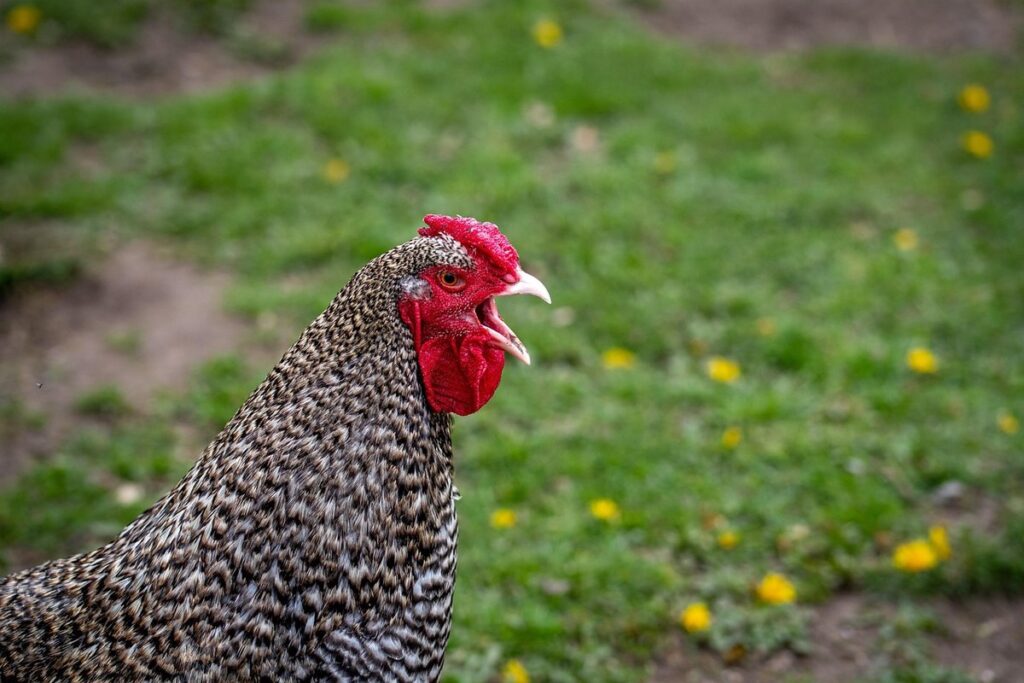
Characteristics and Benefits of Dark Egg-Layers
Dark egg-laying breeds are prized for their unique characteristics and benefits, including rich brown eggs that add color to your breakfast plate and beyond. Let’s explore some of these standout features in more detail.
Unique Traits of Dark Egg Layers
When it comes to dark egg-laying breeds, there are several unique traits that set them apart from other chicken varieties. One of the most notable characteristics is their egg color, which can range from a deep brown to almost black. This is due to the breed’s genetic makeup, which influences the production of pigments in the eggshell.
In addition to egg color, dark egg-layers are also known for producing larger eggs on average compared to lighter breeds. For example, the Marans breed lays large, dark-brown eggs that are prized by chefs and home cooks alike. The shell quality is another aspect where dark egg-layers excel, with thicker, more durable shells that can withstand handling and transportation.
If you’re considering raising a dark egg-layer, it’s essential to note that these breeds tend to be more temperamental than lighter varieties. They may require more attention and care to keep them happy and healthy. However, for backyard farmers and enthusiasts who value their unique characteristics, the benefits far outweigh the challenges. By choosing a dark egg-layer, you’ll not only enjoy high-quality eggs but also contribute to the preservation of these fascinating breeds.
Advantages of Keeping Dark Egg-Layers in Your Flock
Owning dark egg-layers comes with numerous advantages that make them a fantastic addition to your backyard flock. One of their most notable benefits is their hardiness. Dark egg-layers are bred for their ability to thrive in adverse weather conditions, making them an excellent choice for regions with unpredictable climates or small-scale farmers who cannot provide optimal living conditions.
Their robust nature allows them to adapt easily to various environments, reducing the need for expensive infrastructure and specialized care. This characteristic also means that they can handle cold temperatures, drafts, and other external stressors without compromising their egg production.
Dark egg-layers are also skilled foragers, which enables them to explore and exploit available resources in your yard. This self-sufficiency not only keeps them entertained but also reduces your reliance on commercial feed. However, it’s essential to introduce them to foraging gradually to prevent overeating or malnutrition.
Potential Drawbacks of Raising Dark Egg Layers
While dark egg-laying breeds offer numerous benefits, such as high egg production and rich, dark-brown eggs, they also come with some potential drawbacks. One of the main challenges associated with raising these birds is their high energy requirements. Dark egg-layers are known to be more demanding in terms of nutrition, especially protein, which can lead to higher feed costs for owners.
In addition to their energetic needs, dark egg-layers may also be prone to certain health issues. For instance, some breeds within this category are susceptible to egg-bound problems, where the hen’s reproductive tract becomes blocked due to large egg yolks or other factors. This condition requires prompt veterinary attention and can lead to significant stress for both the bird and its owner.
To mitigate these challenges, it’s essential to provide dark egg-layers with a balanced diet rich in protein and calcium. Regular monitoring of your flock’s health is also crucial, so be sure to keep an eye out for any signs of illness or distress. With proper care and attention, you can enjoy the benefits of dark egg production while minimizing potential drawbacks.
History and Origin of Dark Egg-Laying Breeds
Dark egg-laying breeds have been a staple on farms for centuries, and their origins are as fascinating as they are diverse. Let’s delve into the history behind these remarkable birds.
Ancient Origins: Early References to Dark Egg Layers
The history of dark egg-laying breeds is shrouded in mystery, but early references can be found in literature and folklore. In ancient Greece, the philosopher Aristotle noted the unusual characteristics of certain birds that laid dark eggs. Similarly, in medieval Europe, alchemists sought to understand the secrets behind these mysterious eggs.
Folklore from various cultures also hints at the existence of dark egg-laying breeds. In some African tribes, it’s believed that dark eggs hold spiritual significance and are associated with good fortune. Meanwhile, in some Asian cultures, dark eggs are thought to possess medicinal properties. These early references demonstrate a long-standing fascination with these unusual birds.
While we can’t pinpoint exactly when the first dark egg-laying breeds emerged, it’s clear that they’ve been around for centuries. Their unique characteristics have captivated humans across cultures and time, leading to their selective breeding and development into the diverse range of breeds we see today. By understanding the historical context of these birds, we can appreciate their significance in modern times.
Breed Development: How Modern Dark Egg Layers Evolved
The development of modern dark egg-laying breeds is a remarkable story that spans centuries. One of the earliest and most influential breeders was Robert Bakewell, an English pioneer who introduced the concept of selective breeding to improve egg production. His work laid the foundation for the modern egg-laying breeds we know today.
In the early 20th century, British poultry breeder and writer, Harrison Weir, made significant contributions to the development of dark egg-laying breeds. He was instrumental in establishing the first breed standards for chickens, including the Marans and Welsummer breeds. These birds were prized for their rich, dark eggs, which were not only aesthetically pleasing but also more durable due to their thicker shell.
Selective breeding continued apace, with breeders like Carl Joubert refining the characteristics of these breeds. His efforts culminated in the development of breeds like the Barnevelder and the Australorp, both of which remain popular among backyard chicken keepers today.
Cultural Significance: The Symbolism and Meaning Behind Dark Eggs
In many cultures around the world, dark eggs are imbued with symbolism and meaning that extends far beyond their utilitarian purpose. In ancient China, for example, black eggs were considered a symbol of good luck and fertility, often given as gifts to newlyweds or expectant mothers. Similarly, in Japan, dark eggs are believed to possess spiritual properties, representing the yin principle and associated with qualities like patience and humility.
In Western cultures, dark eggs have also been imbued with symbolic meaning, often associated with mystery and the unknown. In some European folklore traditions, black eggs are said to ward off evil spirits or bring good fortune in times of hardship. For those interested in tapping into this cultural significance, consider incorporating dark eggs into your own rituals or ceremonies. You might choose to give them as gifts during special occasions, or use them as a focal point for meditation and reflection.
It’s worth noting that these symbolic meanings can vary greatly between cultures, so it’s essential to understand the context and history behind any specific tradition before adopting its practices. By embracing the rich cultural heritage surrounding dark eggs, you can add depth and significance to your relationship with these remarkable birds.
Breeds Known for Their Dark Egg-Laying Abilities
Let’s dive into some of the most popular breeds known for their dark egg-laying abilities, perfect for those seeking rich, chocolate-colored eggs. You’ll find a variety of lovelies here to get you started!
Orpingtons: A Popular Choice for Dark Egg Layers
The Orpington breed has become increasingly popular among backyard chicken enthusiasts and commercial farmers alike due to its exceptional egg-laying abilities. As a dark egg layer, the Orpington produces rich brown eggs with an average weight of 200-220 grams per dozen. In terms of temperament, Orpingtons are known for their gentle nature, making them an excellent choice for families with children or those who want a low-maintenance flock.
One of the most desirable traits of the Orpington breed is its docile and friendly personality. They are relatively quiet, easy-going birds that can thrive in small backyard spaces as long as they have adequate room to roam. Additionally, Orpingtons are known for their stunning appearance, with beautiful plumage and a majestic bearing.
If you’re considering adding an Orpington to your flock, be prepared to provide them with plenty of food, water, and attention. They require moderate exercise and can become overweight if overfed, so it’s essential to monitor their diet carefully. With proper care and attention, the Orpington breed can reward you with a steady supply of delicious dark eggs and loving companionship.
Marans: The Star of French Poultry
When it comes to dark egg-laying breeds, one name stands out: Marans. Hailing from France, these stunning birds have captured the hearts of chicken enthusiasts worldwide with their rich, chocolate-brown eggs. But what makes them so special? For starters, Marans are known for laying a steady supply of large, dark brown eggs throughout the year.
One of the most significant advantages of keeping Marans is their ability to thrive in various climates and living conditions. Whether you’re a seasoned farmer or a backyard chicken keeper, these hardy birds can adapt to your environment with ease. Their rich, dark egg shells are also a testament to their robust health and high-quality diet.
If you’re looking for a breed that will reward you with an abundance of dark eggs, look no further than the Marans. With proper care and attention, they’ll produce eggs consistently throughout the year, making them an excellent choice for families or those who rely on their eggs as a primary food source. Plus, their striking appearance and friendly demeanor make them a delight to have around!
Welsummers: A Rare Breed Known for Its Dark Eggs
The Welsummer breed is one of the most unique and sought-after dark egg layers among backyard chicken keepers. Originating from the Netherlands, these birds are prized for their stunning appearance and exceptional foraging abilities. One of the standout features of Welsummers is their gentle nature, making them an excellent choice for families with children or for those who want a low-maintenance flock.
In addition to their attractive appearance, Welsummers are prolific foragers, capable of scratching up earthworms and other tasty treats in their own backyard. This characteristic makes them an ideal breed for homesteaders or permaculture enthusiasts who prioritize self-sufficiency and sustainable living. To encourage foraging behavior in your Welsummer flock, consider providing a mix of grasslands, shrubs, and trees in your chicken run.
By incorporating Welsummers into your flock, you’ll not only enjoy the satisfaction of collecting dark eggs but also benefit from their low-maintenance personalities and impressive foraging skills. With proper care and attention, these birds can thrive in a variety of climates and environments, making them an excellent choice for dark egg enthusiasts worldwide.
Caring for Your Dark Egg-Laying Chickens
To keep your dark egg-laying chickens healthy and thriving, regular cleaning of their coop is essential to prevent diseases. Ensure their living space stays clean and well-ventilated at all times.
Nutrition and Diet: Providing Optimal Feed for Dark Egg Layers
When it comes to providing optimal feed for your dark egg-laying chickens, nutrition plays a crucial role in their overall health and productivity. Dark egg-laying breeds such as Marans, Welsummers, and Barnevelders have unique nutritional requirements that differ from lighter egg-laying breeds.
A well-balanced diet should include a mix of protein-rich foods like insects, mealworms, or commercial laying pellets specifically formulated for dark egg layers. These diets typically contain around 16-18% protein, which is higher than what’s required for lighter breeds. However, it’s essential to note that overfeeding can lead to obesity and other health issues.
Consider supplementing your flock’s diet with calcium-rich foods like crushed oyster shells or dark leafy greens like kale and spinach. These will help support strong eggshell production and overall skeletal health. It’s also crucial to provide access to fresh water at all times, as adequate hydration is vital for egg-laying performance.
When choosing a commercial feed, look for products specifically formulated for dark egg layers, which often contain added nutrients like probiotics and vitamins. Consult with your local feed supplier or a poultry expert to determine the best diet for your flock based on their age, size, and production levels.
Health Considerations: Managing Common Issues in Dark Egg Layers
As you care for your dark egg-laying chickens, it’s essential to be aware of common health issues that may affect these breeds. Dark egg layers are prone to certain health problems due to their genetic makeup and nutritional requirements.
Marek’s disease is a significant concern for many chicken breeds, including some dark egg layers. This viral disease can cause paralysis, blindness, and death in severe cases. To prevent Marek’s, maintain good hygiene and vaccination protocols on your farm or backyard flock. Ensure that your chickens have access to clean water, balanced feed, and adequate exercise.
Dark egg layers are also more susceptible to heat stress due to their compact bodies and dense feathers. Provide shade, ventilation, and cooling systems in hot climates to prevent this issue. Additionally, ensure your chickens have enough space to move around and engage in natural behaviors.
Monitor your flock regularly for signs of respiratory issues, such as labored breathing or coughing. Consult with a veterinarian if you notice any unusual symptoms. By being proactive and taking steps to prevent common health issues, you can help your dark egg-laying chickens thrive.
Housing and Environment: Creating a Suitable Space for Dark Egg Layers
When it comes to housing and environment for dark egg-laying chickens, providing suitable living conditions is crucial for their overall well-being. These birds require a safe, clean, and comfortable space that meets their specific needs.
For optimal health and productivity, dark egg layers need about 5-6 square feet of space per bird inside the coop, plus an additional 8-10 square feet in the run. This allows them to move around freely and engage in natural behaviors like scratching and foraging. Proper ventilation is also essential to prevent ammonia buildup from their droppings.
To ensure good air quality, install windows or vents that allow fresh air to circulate throughout the coop. A well-designed coop with adequate ventilation can significantly reduce the risk of respiratory issues and other health problems common in dark egg layers.
Remember to provide a balanced mix of light and shade, as these birds are sensitive to extreme temperatures. A shaded area for hot days and a sunny spot for cooler days will help maintain their comfort levels.
Tips for Selecting and Breeding Dark Egg-Laying Chickens
When selecting a breed of dark egg-laying chicken, it’s essential to consider temperament, egg production, and breeding potential, as these factors will impact your flock’s overall health and success.
Choosing the Right Breed: Factors to Consider When Selecting Dark Egg Layers
When selecting a dark egg-laying breed, it’s essential to consider several factors beyond just their ability to produce dark eggs. You’ll want to think about temperament, egg production, and hardiness, as these will impact not only your experience with the birds but also their overall well-being.
Temperament-wise, some breeds are known for being friendly and docile, while others can be more skittish or aggressive. For example, Marans and Barnevelders are often described as gentle giants, making them a great choice for families or backyard flocks. On the other hand, some breeds like the Partridge Wyandotte can be quite feisty.
In terms of egg production, consider how many eggs you need per week and whether you’re looking for high volume or higher value (larger) eggs. Dark egg-layers tend to produce fewer but more substantial eggs than their white counterparts. A good starting point is to research the average annual production rate for each breed: some may give you 200-220 large dark eggs, while others might yield closer to 150-170.
Lastly, think about the hardiness of your chosen breed. Some dark egg-layers are more adapted to cold climates and can thrive in regions with harsh winters, whereas others prefer milder temperatures.
Breeding Strategies: How to Successfully Breed Dark Egg Layers
Breeding dark egg-laying chickens requires careful selection and planning to achieve consistent results. To start, identify breeds with a strong genetic predisposition for dark eggs, such as Barred Plymouth Rock or Australorp. When selecting breeding stock, look for birds that consistently produce dark-brown or dark-green eggs. Consider the size, temperament, and health of the birds, as well as their egg-laying capacity.
When mating these birds, use a cross-breeding approach to combine desirable traits from each parent. For example, pairing a Barred Plymouth Rock rooster with an Australorp hen can produce offspring that inherit the dark egg gene and other desirable characteristics. It’s essential to maintain detailed records of your breeding program, including notes on the parents’ characteristics, fertility, and hatch rates.
Genetic considerations are crucial when breeding for dark eggs. Understand that egg color is determined by multiple genes working together, so it may take several generations to stabilize the desired trait. By carefully selecting breeding stock and monitoring progress, you can successfully breed chickens that consistently lay dark eggs.
Tips for Beginners: Getting Started with Dark Egg Layers
Getting started with dark egg-laying breeds can be intimidating for beginners. First, it’s essential to understand that these birds have a specific temperament and require suitable housing. Research breeds like Barnevelder, Australorp, and Plymouth Rock, which are known for their gentle nature and adaptability.
When introducing dark egg-layers to your flock, start with a small group (2-3 birds) to monitor their behavior and ensure they integrate well. Provide a spacious coop with adequate ventilation and roosting bars for easy nesting. Ensure the temperature range is suitable for your breeds’ requirements.
Beginners often underestimate the importance of nutrition and health checks. Provide high-quality feed formulated specifically for laying hens, including dark egg-laying breeds’ unique nutritional needs. Establish regular health checks to detect any potential issues early on.
It’s also crucial to be aware of local regulations regarding backyard chicken keeping, particularly if you’re new to the practice. Familiarize yourself with your area’s laws and ordinances before bringing home your first dark egg-layer. With patience, proper care, and a willingness to learn, beginners can successfully integrate dark egg-laying breeds into their flock.
Frequently Asked Questions
Can I mix dark egg-laying breeds with other breeds in my flock?
When introducing new birds to your existing flock, it’s essential to consider compatibility. Dark egg layers like Orpingtons and Marans are generally friendly and easy-going, but some breeds may have different personalities or requirements. Research the specific needs of each breed and ensure they can coexist peacefully before adding them to your flock.
How often do dark egg-laying breeds need to be bred?
Breeding dark egg layers requires careful consideration, as over-breeding can lead to health issues and decreased egg production. Aim for a breeding ratio of 1 rooster to 5-7 hens, and consider culling older birds to maintain the flock’s overall health and productivity.
Can I keep dark egg-laying breeds in a small backyard coop?
While dark egg layers are generally hardy, they do require adequate space and ventilation. A minimum of 2-3 square feet per bird is recommended, along with regular cleaning and maintenance to prevent disease and stress.
How can I tell if my dark egg-laying breed is truly laying dark eggs?
Some breeds may lay brown or light-brown eggs due to genetic variation or environmental factors. To ensure you’re getting the desired egg color, check for the presence of a specific gene that influences eggshell pigmentation, such as the ” Marans” gene.
Can I hatch eggs from my own dark egg-laying breed and raise them successfully?
Raising chicks requires special care and attention to their nutritional needs. When hatching eggs from your own breed, ensure you’re providing optimal nutrition and a suitable environment for the chicks to grow and develop healthily. Research specific requirements for each stage of growth to increase the chances of successful hatching and raising.