
If you’re looking to add some diversity to your backyard flock or boost your egg production, you might be interested in learning about dark egg laying chickens. These breeds have been gaining popularity among farmers and breeders due to their unique qualities and impressive characteristics. Not only are they known for their cold hardiness, which makes them an excellent choice for farmers living in cooler climates, but they’re also prolific layers with high egg production rates. In this article, we’ll delve into the history of dark egg laying chickens, exploring what makes them stand out from other breeds and why they’re worth considering for your farm or backyard coop.
The History and Origins of Dark Eggs
Let’s explore how dark egg laying chickens came into existence, tracing their roots back to ancient breeds that laid rich, dark eggs. We’ll uncover the fascinating history behind these unique birds.
Characteristics of Dark-Egg Laying Breeds
Dark egg-laying breeds have a rich history that spans centuries. These breeds originated from various regions around the world, where farmers and breeders sought to create chickens capable of laying eggs with deep, dark brown or black shells.
In Europe, for example, dark egg-laying breeds were developed in countries like France and Germany, where they were prized for their ability to produce eggs that could be aged without refrigeration. These eggs would darken over time due to the action of oxygen, making them a convenient choice for consumers.
Breeds like the Marans and Barnevelder owe their dark egg-laying abilities to genetic variations that affect the production of porphyrins, the pigments responsible for eggshell color. As a result, these breeds often have unique characteristics such as copper or gold markings on their feathers.
Today, many breeders continue to develop new dark egg-laying breeds by selectively breeding birds with desirable traits. If you’re interested in raising your own dark egg-layers, look for breeds that are known for their egg-laying abilities and rich histories, such as the Marans, Barnevelder, or Welsummer.
Breed Examples: Plymouth Rock, Wyandotte, and more
One of the joys of raising dark egg laying chickens is exploring the rich history and diversity behind these breeds. Let’s take a closer look at some popular varieties known for their beautiful dark eggs.
The Plymouth Rock, for instance, is an iconic American breed that lays a rich brown egg with a hint of blue undertones. Known for its gentle disposition and high egg production (280-300 large brown eggs per year), this friendly bird makes a great addition to any backyard flock.
Another standout breed is the Wyandotte, which boasts a stunning dark egg with a subtle sheen. This American original lays around 200 large brown eggs per year and is prized for its striking appearance, energetic personality, and strong foraging instincts.
Then there’s the ever-popular Australorp, which lays an impressive 250-300 large brown eggs per year. With its gentle nature and high egg production, this Australian breed has become a favorite among backyard chicken keepers looking to increase their dark egg yields.
When selecting breeds that lay dark eggs, consider factors like temperament, egg size, and overall health. By choosing the right combination of characteristics, you can build a thriving flock that delivers rich, nutritious eggs right to your doorstep.
Benefits of Dark Egg Laying Chickens
If you’re considering adding dark egg laying chickens to your backyard flock, understanding their benefits can make all the difference in deciding whether they’re right for you. Let’s explore some of the advantages of keeping these unique birds.
Unique Egg Colors and Patterns
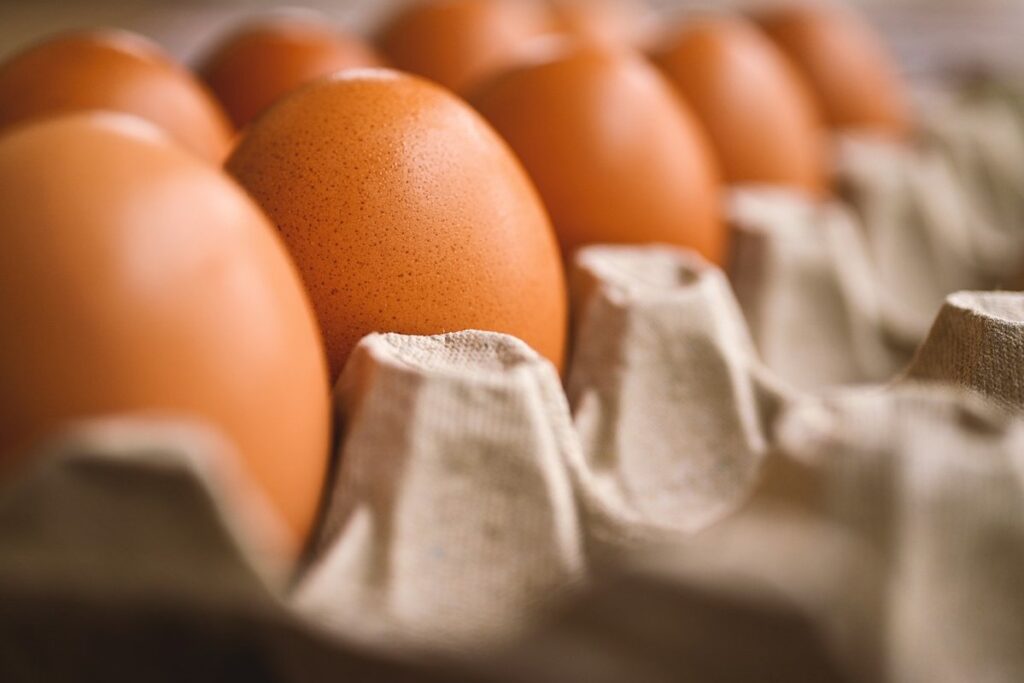
One of the most distinctive and appealing aspects of dark egg laying chickens is their unique egg colors and patterns. Dark-colored eggs not only add a pop of color to your breakfast plate but also offer potential health benefits. The rich, dark hues are often caused by high levels of pigments such as porphyrins or anthocyanins in the hen’s diet.
Some breeds, like Marans and Welsummers, produce chocolate-brown eggs with darker flecks or swirls, while others, like Barnevelders, lay dark brown eggs with a subtle speckling. These unique colors are not only visually stunning but also may contain higher levels of antioxidants and other beneficial compounds.
If you’re interested in raising your own dark egg laying chickens for their striking eggs, look for breeds known for their intense egg coloration. Keep in mind that egg color is influenced by genetics as well as diet, so a balanced and nutrient-rich feed can help enhance the colors even further.
Cold Hardiness and Adaptability
When it comes to cold hardiness and adaptability, some dark-egg laying breeds stand out from the rest. For instance, breeds like the Marans and the Welsummers are known for their ability to thrive in harsh winter conditions. These birds have evolved to withstand freezing temperatures, strong winds, and snow-covered landscapes.
In fact, studies have shown that dark-egg laying hens can tolerate temperatures as low as -20°F (-29°C) without suffering from any significant stress or discomfort. This is due to their thick feathering, compact bodies, and robust immune systems, which enable them to conserve heat efficiently.
If you’re planning to raise dark-egg laying chickens in a cold climate, there are several things to keep in mind. First, make sure they have access to dry shelter and adequate ventilation to prevent moisture buildup. You should also provide them with a balanced diet that includes nutrients essential for maintaining their immune system, such as vitamin E and omega-3 fatty acids.
Some chicken owners swear by supplementing their flock’s feed with probiotics and flaxseed during the winter months to keep them healthy and productive. By understanding the cold hardiness of dark-egg laying breeds, you can take steps to ensure your birds remain happy, healthy, and egg-laying well into the winter season.
Higher Egg Production Rates
Dark egg-laying breeds have long been favored for their high production rates. Research has consistently shown that certain dark-feathered breeds tend to outperform their lighter-colored counterparts when it comes to egg production. For instance, a study published in the Journal of Applied Poultry Research found that dark-egg laying hens produced an average of 280 eggs per year, compared to just 220 for their light-egg laying counterparts.
This increased productivity can be attributed to several factors, including genetics and nutrition. Dark-feathered breeds often have more efficient metabolisms, allowing them to convert feed into energy more effectively. Additionally, many dark egg-laying breeds are naturally more active and engaged in foraging behavior, which helps maintain their physical health and overall well-being.
If you’re looking to boost your flock’s productivity, consider introducing a few dark-egg laying breeds into the mix. With proper care and nutrition, these birds can provide a steady supply of fresh eggs year-round. Be sure to research specific breed requirements and tailor your feed accordingly to maximize their potential.
Health and Welfare Considerations for Dark Chickens
When keeping dark egg laying chickens, it’s essential to consider their unique health needs, from nutrition to parasite control, to ensure they thrive in your flock. Let’s explore these critical factors together.
Disease Resistance and Immune Systems
Dark-egg laying breeds have been selectively bred for their unique characteristics, including their ability to resist disease. Research has shown that certain genetic traits contribute to enhanced immune function and disease resistance in these birds.
For example, the Marans breed, a popular dark-egg layer, possesses a robust immune system due to its genetic makeup. Studies have demonstrated that this breed’s immune system is more effective at fighting off pathogens compared to lighter egg-laying breeds.
However, it’s essential to note that genetics are not the only factor influencing disease resistance in dark-egg layers. Environmental factors such as nutrition, living conditions, and stress levels can also impact a bird’s immune function.
To promote optimal health in your flock, ensure they receive a balanced diet rich in vitamins and minerals, provide adequate space for exercise and socialization, and minimize stress through regular management practices. By combining genetics with proper care and husbandry, you can help protect your dark-egg laying birds from disease and maintain their overall well-being.
By doing so, you’ll not only safeguard the health of your flock but also enjoy increased egg production and reduced losses due to illness.
Nutritional Requirements and Feed Options
Dark egg-laying chickens have specific nutritional requirements that must be met to ensure they stay healthy and produce high-quality eggs. A balanced diet is crucial for maintaining the integrity of their dark plumage, strong immune system, and consistent laying patterns.
Dark chickens require a slightly higher protein content in their feed compared to lighter breeds, typically around 16-18% protein. They also need more calcium to support strong eggshell production, especially during peak laying seasons. A nutrient-rich layer feed with added oyster shells or crushed eggs can help meet these needs.
When choosing a feed for your dark chickens, consider the following options:
• Whole grains like oats and barley provide essential fiber and B vitamins
• Leafy greens such as kale and spinach add vital nutrients like iron and calcium
• Fruits like berries and apples offer antioxidants and other beneficial compounds
Ensure you’re feeding a balanced diet by consulting with a veterinarian or poultry expert. They can help you determine the best feed mix for your flock’s specific needs, ensuring optimal health and egg production.
Housing and Environmental Considerations
When it comes to providing suitable living conditions for dark egg-laying chickens, their housing and environmental considerations are of utmost importance. As these birds are prone to heat stress due to their dark plumage, a well-ventilated and shaded coop is essential.
Consider the following factors when building or purchasing coops for your dark egg-laying flock:
* Ensure adequate ventilation by installing windows, vents, or screened areas that allow fresh air to circulate.
* Provide shade through overhead coverings such as tarps, awnings, or overhangs that block direct sunlight during peak hours (usually between 10am and 4pm).
* Incorporate insulation to regulate temperature extremes, reducing heat stress in summer and maintaining warmth in winter.
When selecting a coop, also consider the size and layout. Dark egg-laying chickens require more space per bird than their lighter counterparts due to their compact build and tendency to huddle together for comfort.
Raising Dark Egg Laying Chickens: Tips and Best Practices
When it comes to raising dark egg laying chickens, there are several best practices you should keep in mind to ensure their health and productivity. Here’s what you need to know.
Starting with Chicks vs. Pullets
When starting with dark egg laying chickens, you have two main options: beginning from scratch with day-old chicks or acquiring established pullets. Each approach has its pros and cons, which we’ll explore to help you decide what’s best for your flock.
Starting with chicks allows you complete control over their upbringing, from hatching to maturity. You can choose specific breeds known for their dark egg-laying capabilities, such as Marans or Welsummers. This method also gives you the opportunity to raise the chickens in a healthy and stress-free environment. However, it requires a significant investment of time, money, and resources.
On the other hand, acquiring pullets eliminates the need for lengthy incubation periods and allows you to get your flock up and running faster. Pullets are typically already vaccinated and have some experience with human interaction, making them easier to handle. Nevertheless, their initial cost is usually higher compared to buying chicks. Additionally, you’ll be limited to choosing breeds that are available as pullets, which might not always align with your desired breed.
Ultimately, the decision between starting with chicks or acquiring pullets comes down to personal preference and resources. If you’re willing to invest time and money in raising healthy chickens from scratch, chicks might be the way to go. However, if you prioritize convenience and a faster setup process, purchasing established pullets is a viable option.
Feeding and Nutrition Strategies
When it comes to feeding and nutrition strategies for dark egg laying chickens, providing optimal nutrients is crucial for their overall health and productivity. Dark-egg laying breeds like Marans and Barnevelders require a balanced diet that meets their unique nutritional needs.
To start, make sure you’re offering a high-quality layer feed that’s specifically formulated for your chicken’s breed and age. Look for feeds with a mix of protein sources (such as soybean meal or fishmeal) and calcium to support strong eggshell production.
However, many backyard chicken keepers choose to supplement their flock’s diet with treats like fruits, vegetables, and grains. This is where things can get tricky – too much supplementation can lead to nutritional imbalances. For example, overfeeding your chickens with high-calorie foods like nuts or seeds can lead to obesity and decreased egg production.
To strike the right balance, try offering small amounts of fresh produce as a treat (about 10% of their daily diet). Some excellent options include leafy greens like kale and spinach, which are rich in calcium and other essential minerals. Remember to also provide plenty of fresh water at all times to keep your chickens hydrated.
By paying attention to the nutritional needs of your dark-egg laying flock and making informed feeding choices, you can help them thrive and produce those beautiful dark eggs year-round.
Common Health Issues and Prevention Measures
Dark egg-laying breeds are generally hardy and resilient, but they can still be prone to certain health issues. One common problem is respiratory infections, which can be caused by poor ventilation or overcrowding in the coop. To prevent this, make sure your coop has adequate airflow and provide plenty of space for your birds to move around.
Mites and lice are also a concern for dark egg-layers, as they can lead to anemia and other health problems if left untreated. Regular cleaning and disinfecting of the coop, as well as monitoring for signs of infestation, can help prevent these issues. Additionally, providing a balanced diet that includes supplements like flaxseed oil or apple cider vinegar can support your birds’ overall health.
It’s also essential to monitor your dark egg-layers for signs of internal parasites, such as worms or coccidiosis. Regular fecal testing and using natural dewormers can help prevent these issues. By being proactive and taking steps to prevent common health problems, you can help keep your dark egg-laying flock healthy and thriving.
Egg Storage, Handling, and Marketing
When it comes to caring for your dark egg laying chickens, proper storage, handling, and marketing of their eggs is crucial to ensuring a healthy flock and selling them successfully. Let’s dive into some essential tips on how to handle this process with care.
Storing Dark Eggs: Tips and Tricks
When it comes to storing dark eggs, proper care and handling are crucial to maintaining their quality and appeal. Dark eggs are just as delicate as their lighter counterparts, so it’s essential to store them correctly.
To start, always handle dark eggs gently to prevent cracking or breakage. Place them in a carton or container that protects the eggs from impact and provides adequate ventilation. You can also use a paper egg carton specifically designed for storing eggs, which will help keep them clean and dust-free.
Another key factor is temperature control. Store dark eggs in the refrigerator at a consistent temperature below 40°F (4°C). Avoid placing them near strong-smelling foods or chemicals, as these odors can be easily absorbed by the eggshell. For longer storage, consider using a dehumidifier to maintain an optimal humidity level of around 50-60%.
When it comes time to sell your dark eggs, make sure they’re stored in a way that showcases their unique features. Consider displaying them in a decorative carton or basket, highlighting the rich colors and patterns on the eggshells. This will not only attract customers but also add an extra touch of personality to your products.
Handling and Displaying Dark Eggs
When showcasing dark eggs, it’s essential to highlight their unique visual appeal. Since these eggs lack the usual brown or pink tint of conventional eggs, you’ll want to emphasize their rich, deep colors and subtle sheen. Consider using decorative egg trays or stands that display the eggs at an angle, allowing the viewer to appreciate their full color range.
To further enhance their visual impact, consider adding some neutral-colored materials like wood, wicker, or natural fiber to your display setup. This will create a soothing contrast with the dark eggs and make them stand out even more. If you’re selling these eggs at a market or store, consider using window displays that showcase multiple eggs in different poses and lighting conditions.
Ultimately, the key is to let the beauty of the dark eggs speak for themselves. By presenting them in a clean, simple setting with minimal distractions, you’ll allow their unique charm to shine through and attract potential customers who appreciate the unusual.
Selling or Trading Dark Egg-Laying Chickens
When you’ve built up a flock of dark egg-laying chickens and they’re producing eggs to your liking, it’s natural to think about what to do with the birds themselves. Selling, trading, or bartering them can be a great way to recoup some of your investment in the flock, but where do you start?
First and foremost, make sure you have all necessary documentation, such as vaccination records and breed certificates, before attempting to sell or trade your chickens. This will help build trust with potential buyers and ensure that you’re getting fair value for your birds.
You can advertise your dark egg-laying chickens through local poultry shows, online classifieds, or social media groups dedicated to backyard chicken enthusiasts. Be clear about the birds’ breed, age, health status, and any notable characteristics when describing them.
When trading with other chicken keepers, consider offering a package deal that includes a rooster, hens, feed, and other related equipment. This can be an attractive option for those just starting out or looking to expand their flock.
Some poultry enthusiasts might also be interested in bartering, so don’t be afraid to think creatively about what you could offer in exchange for your birds – perhaps some fresh eggs, a batch of homemade chicken feed, or even a gardening service.
Conclusion: Embracing the Unique Qualities of Dark Egg Laying Chickens
Now that you’ve learned all about the fascinating world of dark egg laying chickens, it’s time to wrap up our guide and celebrate their unique qualities. Let’s explore why these birds are truly special.
Recap of Key Points and Takeaways
As you’ve made it through this comprehensive guide to dark egg laying chickens, let’s recap some of the key points and takeaways that will help you make the most of these unique birds.
Dark egg laying chickens are a type of poultry known for their distinctive appearance and robust egg-laying abilities. They come in a range of breeds, including Orpingtons, Wyandottes, and Brahma, each with its own set of characteristics and benefits. From their richly colored feathers to their impressive egg production, dark egg laying chickens offer something special for backyard chicken keepers.
Some key takeaways from this guide include the importance of providing a balanced diet that meets the nutritional needs of your flock, as well as creating a safe and healthy living environment that includes adequate space and shelter. Additionally, we discussed how to recognize signs of stress or illness in your birds, as well as how to maintain their overall health through regular check-ups and preventative care.
By incorporating these takeaways into your backyard chicken-keeping routine, you’ll be well on your way to enjoying the unique qualities and benefits that dark egg laying chickens have to offer.
Encouragement to Try Raising a Dark-Egg Laying Flock
As you’ve reached the end of this comprehensive guide to dark egg laying chickens, we hope you’re now inspired to experiment with raising a flock that’s as unique as it is rewarding. Dark egg laying chickens bring a special charm to backyard flocks and homesteads, thanks to their distinctive eggs, fascinating personalities, and rich histories.
We encourage you to take the next step and try raising your own dark egg laying chicken flock. Not only will you gain a deeper appreciation for these remarkable birds, but you’ll also have the opportunity to experience the satisfaction of collecting eggs from hens that are truly one-of-a-kind.
Start by selecting breeds like Marans, Welsummers, or Ayam Cemani, which are known for their dark egg laying abilities. Consider your climate and available space when choosing a breed, as some may be more suited to certain regions or living situations. Be prepared to adapt to the unique needs of these birds, including potential health issues and specialized feeding requirements.
With patience, dedication, and a willingness to learn, you can cultivate a thriving flock that will provide you with delicious, dark eggs for years to come. So why not take the leap and discover the joys of raising dark egg laying chickens?
Frequently Asked Questions
How can I determine if a dark egg laying breed is suitable for my climate?
Dark egg laying breeds are known for their cold hardiness, but it’s essential to consider other factors like humidity and wind resistance when choosing the right breed for your climate. Check the breed’s temperature tolerance, adaptability, and local recommendations from experienced farmers or breeders.
Can I raise dark egg laying chickens in a small backyard flock?
Yes! Dark egg laying breeds are perfect for small flocks due to their high egg production rates and manageable size. However, ensure you have enough space for your birds to roam and exercise, as they still require adequate living conditions.
What are the nutritional requirements for dark egg laying chickens, especially during breeding seasons?
Dark egg laying breeds need a balanced diet rich in protein, calcium, and other essential nutrients. During breeding seasons, provide additional calories and nutrients through layer feed or supplements. Consult with a veterinarian or poultry expert to determine the best feeding strategy for your flock.
How do I store dark eggs safely to preserve their quality and shelf life?
To maintain the quality of dark eggs, store them in a cool, dry place away from direct sunlight. Keep them pointed end down to prevent moisture absorption, and consider storing them in cartons or containers with ventilation holes. Check egg freshness by candling or weighing.
Can I cross-breed dark egg laying chickens with other breeds for unique characteristics?
Yes! Cross-breeding can be a great way to introduce new traits and characteristics into your flock. However, ensure you understand the genetic implications and potential health risks associated with cross-breeding. Research the breed combinations carefully and consult with experienced breeders or poultry experts to minimize risks.