
Are you looking to add some drama to your backyard flock? If so, you’re in luck because today we’re going to dive into the world of dark egg laying chicken breeds. These stunning birds are not only visually appealing but also pack a punch when it comes to egg production. With their richly hued feathers and impressive egg-laying abilities, it’s no wonder why many backyard chicken keepers are turning to these breeds.
In this article, we’ll be exploring the top dark egg laying chicken breeds, from the Marans to the Barnevelder. We’ll cover their unique characteristics, breeding requirements, and health considerations so you can make an informed decision when adding one (or two) of these stunning birds to your flock. Whether you’re a seasoned chicken keeper or just starting out, this guide will have you egg-static in no time!
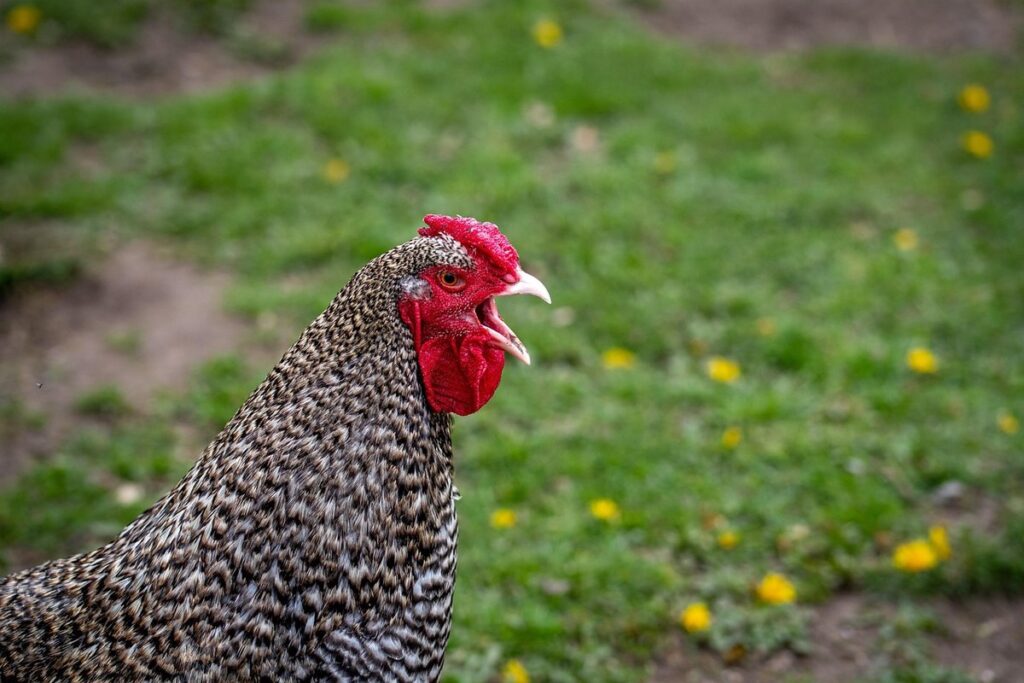
Introduction to Dark Egg Laying Chickens
Welcome to our guide on dark egg laying chicken breeds, where we’ll start by introducing you to some of the most popular varieties that are perfect for backyard flocks. These breeds offer a range of benefits and characteristics.
History and Origins of Dark Egg Layers
The origin of dark egg laying chickens dates back to ancient times when farmers sought breeds that could produce eggs with rich, deep colors. These early birds were valued for their ability to lay eggs that would not spoil easily, as the dark pigmentation acted as a natural preservative. Over time, selective breeding resulted in the development of various dark egg laying chicken breeds, each with its unique characteristics and advantages.
Some of these early breeds include the Marans, which originated in France and are known for their dark chocolate-brown eggs, and the Barnevelder, hailing from the Netherlands, which produces a range of brown to dark brown eggs. These birds were highly prized by farmers not only for their egg-laying abilities but also for their rich, meaty flavor.
Today, these breeds continue to be sought after by backyard chicken enthusiasts and commercial farmers alike for their ability to produce high-quality, nutritious eggs. By understanding the history and origins of dark egg laying chickens, breeders can better appreciate the significance of these birds in poultry farming.
Importance of Dark Egg Layers in the Market
In recent years, dark egg layers have gained immense popularity among backyard chicken keepers and commercial farmers alike. So, what’s behind their surge in demand? One major reason is the unique characteristics they bring to the table. Dark egg layers offer a range of benefits that cater to consumer preferences and meet market demands.
For instance, their eggs are often richer in dark pigment, which is a result of the chicken’s genetic makeup. This pigment, called porphyrin, has antioxidant properties that make dark eggs more nutritious than their lighter counterparts. Moreover, dark egg layers tend to produce fewer eggs per year compared to white or light breeds, but they’re more efficient at converting feed into meat and eggs.
As a result, consumers are increasingly looking for these birds as a way to ensure sustainability in their farms and homes. By choosing dark egg layers, farmers can enjoy higher egg quality and better profitability, while also reducing their environmental footprint. If you’re considering adding dark egg layers to your flock or farm, do your research to find the right breed that fits your needs and preferences.
Characteristics of Dark Egg Laying Chickens
Dark egg laying chickens have distinct characteristics that set them apart from their lighter counterparts, making them a popular choice for backyard flocks. Let’s take a closer look at what makes these breeds so unique.
Eggshell Color and Quality
When it comes to dark egg laying chicken breeds, the characteristics of their eggs are just as fascinating as the birds themselves. One notable aspect is the color and quality of the eggshells. Dark eggshells can range from a deep, rich brown to almost black, depending on the breed. In general, you can expect the eggshell color intensity to be more pronounced in dark-feathered breeds.
In terms of thickness and durability, dark eggshells tend to be slightly thicker than those laid by lighter-billed birds. This is due to the extra melanin present in the skin, which helps protect the egg from external factors like moisture and pressure. A thicker shell also means fewer instances of cracked or broken eggs during collection.
To assess the quality of your dark-laying chicken’s eggs, gently pick one up and give it a visual inspection. Look for any cracks or imperfections on the surface, paying attention to the overall texture and feel. If you notice any inconsistencies, make sure to separate those eggs from the rest and use them in cooking or baking as soon as possible.
Some breeds, such as Marans and Barnevelders, are particularly known for their dark eggshells and robust build. Their eggs may not be suitable for large-scale commercial production due to their larger size and thickness. However, they make excellent choices for backyard chicken keepers who prioritize taste and texture over sheer quantity.
By choosing breeds with desirable characteristics like these, you’ll not only get a steady supply of delicious dark eggs but also contribute to the preservation of rare and unique genetics within your flock.
Temperament and Feeding Requirements
When it comes to temperament and feeding requirements, dark egg laying chickens are known for their unique characteristics. Generally, these breeds are friendly, docile, and laid-back, making them an excellent choice for backyard flocks. However, some breeds can be more energetic or skittish than others, so it’s essential to research the specific breed you’re interested in.
In terms of nutrition, dark egg laying chickens require a balanced diet rich in protein, calcium, and other essential vitamins and minerals. A good quality layer feed should provide around 16-18% protein content, along with adequate calcium for strong eggshell production. It’s also crucial to ensure your flock has access to fresh water at all times.
Some breeds, such as the Marans, have a preference for foraging and may require more freedom to roam and explore their surroundings. Others, like the Australorp, are known to be prolific layers but can be prone to overeating if not monitored closely. By understanding your breed’s specific needs and preferences, you can provide the best possible care and encourage optimal egg production.
Top Dark Egg Laying Chicken Breeds
If you’re looking for a reliable source of dark eggs, here are some top-performing breeds that will meet your expectations and egg needs. Let’s dive into these exceptional fowl.
1. Marans Breed Overview
The Marans breed is one of the most sought-after dark egg laying chicken breeds among backyard keepers. Originating from France, this stunning bird boasts a distinctive appearance with its deep, rich plumage and gentle demeanor. As a popular choice for small-scale egg production, Marans are known for their impressive egg-laying capacity.
On average, a healthy Marans hen will lay around 150-180 large brown eggs per year, making them an excellent option for families or homesteaders seeking a reliable source of dark eggs. Their unique eggshell coloration is often described as “dark chocolate” or “ebony,” adding to their charm and allure.
Marans are relatively easy to care for and maintain, requiring minimal space and attention. However, they do thrive in cooler climates with access to fresh air and adequate shelter. With proper nutrition and regular health checks, Marans can live up to 8-10 years, providing you with a steady supply of delicious dark eggs for many seasons to come.
When selecting a Marans chicken, look for birds with well-developed legs, strong wings, and vibrant plumage. Be prepared to pay a premium price for these sought-after birds, as their popularity has driven up demand in recent years.
2. Welsummer Breed Overview
The Welsummer breed is one of the most recognizable and beloved dark egg laying chicken breeds. Originating from the Netherlands, this ancient breed has been prized for its exceptional egg-laying abilities and rich, dark brown eggs. With a history dating back to the 19th century, the Welsummer was bred specifically for its unique characteristics, including its robust build, striking feather patterns, and most notably, its ability to produce large, dark brown eggs.
One of the standout features of the Welsummer breed is its exceptional egg-laying capacity. On average, a mature Welsummer hen will lay around 200-220 large, dark brown eggs per year. Not only are these eggs an attractive addition to any household, but they also make a great choice for those looking to produce fertile eggs for hatching.
When it comes to caring for your Welsummer flock, it’s essential to provide them with plenty of space to roam and exercise. With their energetic nature, they require regular opportunities to scratch and peck at the ground. This not only helps keep them entertained but also ensures their overall health and well-being.
Health Considerations for Dark Egg Layers
When raising dark egg laying breeds, it’s essential to consider their unique health needs and potential vulnerabilities that can impact your flock’s overall well-being and productivity. We’ll cover some key health considerations for these birds in this section.
Common Health Issues Affecting Dark Egg Laying Chickens
As you work with dark egg laying chickens, it’s essential to be aware of the common health issues that can affect these birds. Respiratory problems are one such issue, caused by factors like humidity, ventilation, and air quality. Make sure to provide adequate ventilation in their coop and keep an eye out for signs like labored breathing or wheezing.
Parasites, particularly mites and lice, can also infest dark egg laying chickens. Regular cleaning of the coop and monitoring your birds’ behavior and plumage will help you catch any infestations early on. Keep a close eye out for excessive preening, irritation around the vents, or even skin lesions.
Egg binding is another concern that can arise in dark egg laying hens. This occurs when an egg gets stuck in the hen’s oviduct, causing discomfort and potentially leading to further complications. If you notice your hen straining while attempting to lay eggs or experiencing abdominal swelling, consult a veterinarian for assistance. Maintaining a balanced diet rich in calcium will also help prevent this issue.
Vaccination and Biosecurity Measures
When it comes to maintaining a healthy dark egg laying flock, vaccination protocols and biosecurity measures are crucial in preventing diseases. A robust vaccination program should be implemented at the hatchery level before introducing birds to your farm. This includes vaccinations against common poultry diseases such as Newcastle disease (ND), Infectious bronchitis (IB), and Infectious bursal disease (Gumboro).
To implement effective biosecurity, establish a strict visitor policy, requiring all visitors to wear personal protective equipment (PPE) and thoroughly disinfect their footwear and clothing before entering the farm. Regularly clean and disinfect all equipment, feeders, and waterers. Keep your flock isolated from wild birds and other animals that may carry diseases.
It’s also essential to maintain accurate records of vaccinations and health checks, including monitoring for signs of disease such as lethargy, loss of appetite, or changes in droppings. Consider implementing a robust parasite control program, using methods such as dust baths or integrated pest management (IPM).
Breeding and Raising Dark Egg Laying Chickens
When it comes to raising dark egg laying chickens, breeding them is an art that requires careful attention to detail. Understanding their unique needs will help you create a successful flock.
Selection and Crossbreeding Strategies
When selecting breeding stock for dark egg laying chickens, it’s essential to consider factors like fertility rates, egg-laying capacity, and growth rate. Look for birds that consistently produce high-quality eggs, have robust health, and exhibit desirable traits such as temperament and egg shell color.
Crossbreeding techniques can significantly improve egg-laying capacity in dark egg layers. A popular crossbreeding strategy is combining a prolific breed like the Australorp with a high-egg-yielding breed like the Marans. This blend combines the best of both worlds, producing birds that are not only robust but also extremely fertile.
To further improve egg-laying capacity, consider introducing genetics from breeds known for their exceptional laying ability. For instance, incorporating genes from the Plymouth Rock can significantly boost a flock’s overall egg production.
When crossbreeding, it’s crucial to maintain records on breeding performance, fertility rates, and offspring quality. This data will help you refine your selection process over time and ensure that you’re consistently producing high-quality birds with desirable traits.
Housing and Environmental Requirements
When it comes to raising healthy dark egg laying chickens, providing suitable housing and environmental conditions is crucial. Dark egg laying breeds require adequate space to roam, exercise, and engage in natural behaviors. A good rule of thumb is to provide at least 4-5 square feet of space per bird inside the coop, and an additional 8-10 square feet of outdoor run or fenced area.
Ventilation is also vital to prevent moisture buildup and ammonia fumes from accumulating in the coop. Ensure that your coop has adequate windows, vents, and airflow to maintain a healthy environment. Proper lighting is another essential aspect, as dark egg laying breeds thrive in environments with moderate light exposure. Natural daylight is ideal, but if this isn’t possible, consider using LED or fluorescent lighting to supplement natural light.
To keep your flock happy and healthy, remember to clean the coop regularly, remove soiled bedding materials, and disinfect feeding and watering areas. By providing a well-designed living space, you’ll be creating an optimal environment for your dark egg laying chickens to thrive and produce plenty of eggs.
Tips for Backyard Chicken Keepers
To ensure a happy and healthy flock, we’ve gathered some essential tips for backyard chicken keepers that will help you navigate the world of dark egg laying breeds.
Integrating Dark Egg Layers into Your Flock
Integrating new dark egg layer breeds into your existing flock can be a bit challenging, but with some careful planning and attention to detail, you can ensure a smooth transition. Before introducing newcomers, observe the social dynamics of your current flock to understand their hierarchy and personalities.
When bringing in new birds, start by keeping them separate from the main flock for a few days to allow them to get used to their new surroundings. Provide a familiar space with feeders, waterers, and perches that are identical to those found in the main coop. This will make it easier for them to adjust when they’re finally introduced.
To establish dominance hierarchies, monitor your birds’ behavior and intervene if necessary. Keep an eye out for aggressive behavior and separate any birds that seem to be vying for power. Introduce new birds gradually, allowing the flock to get used to their presence before adding more.
By following these steps, you can minimize stress on both your existing flock and the newcomers, ensuring a harmonious integration process.
Managing Dark Egg Layer Health in Small Flocks
As a backyard chicken keeper of small flocks, managing dark egg layer health is crucial to ensure the well-being and productivity of your birds. One key aspect of health management is monitoring for disease. Regularly inspect your flock’s droppings, eggs, and overall behavior for signs of illness. Keep an eye out for changes in appetite, energy levels, or unusual behaviors like excessive dust bathing.
Providing adequate space is also essential. Dark egg layers require a minimum of 2-4 square feet per bird inside the coop, and at least 8-10 square feet per bird in the run. Make sure your coop has proper ventilation to prevent ammonia buildup from droppings. A good rule of thumb is to provide enough space for each bird to stand comfortably with its wings spread.
Maintaining good biosecurity practices is also vital. Keep predators out by using secure fencing, locking coops at night, and regularly cleaning the run. Wash your hands before and after handling the birds or their equipment. Disinfect any tools or feeders that come into contact with the birds. By following these simple health management strategies, you can help prevent disease and ensure a healthy flock.
A well-managed small flock will also thrive by rotating pastures and giving them access to fresh forage. Consider incorporating perches and roosts to reduce stress on your birds’ joints. Regularly collect eggs daily to encourage hens to continue laying and promote health.
Frequently Asked Questions
Can I raise dark egg laying chickens in a small backyard or urban setting?
Yes, with proper planning and attention to their specific needs, you can successfully keep dark egg laying chickens in a small backyard or urban setting. Be sure to provide adequate space for them to move around, access to fresh air and sunlight, and follow local regulations regarding chicken keeping.
What are some common health issues that affect dark egg layers?
Dark egg laying chickens are generally hardy birds, but they can be prone to certain health issues such as Marek’s disease, fungal infections, and brooder pneumonia. To mitigate these risks, maintain good hygiene practices, ensure access to clean water and food, and consult with a veterinarian if you notice any signs of illness.
How do I integrate dark egg layers into an existing flock?
When introducing dark egg laying chickens to your existing flock, start by housing them separately for a few days to allow them to adjust. Monitor their behavior and watch for signs of stress or aggression. Once they seem comfortable with each other, you can gradually introduce them to the same enclosure.
What’s the best way to breed dark egg layers for optimal production?
To maximize egg production from your dark egg laying flock, focus on breeding birds that exhibit excellent temperament, robust health, and consistent egg-laying abilities. Select breeding stock based on their performance records and consider crossbreeding with other high-producing breeds to achieve desirable traits.
How do I ensure the quality of eggs produced by my dark egg layers?
To maintain eggshell color and quality, provide a balanced diet rich in calcium and vitamin D3. Ensure access to fresh water at all times, and keep their living area clean and free from disease. Regular health checks and vaccination programs can also help prevent diseases that affect egg production and quality.