
Are you ready to crack open the secret to the most vibrant, colorful eggs in your backyard? If you’re fascinated by Easter Egger hens and their incredible egg-laying abilities, you’re in luck! These unique birds are a delight for any chicken enthusiast, offering an exciting array of egg color varieties that will make your breakfast table shine. But have you ever wondered where these remarkable hens come from and how to care for them to maximize their colorful output? In this article, we’ll take you on a journey into the enchanting world of Easter Egger hens, exploring their origin, characteristics, and expert tips on how to raise them to get the most beautiful eggs. Whether you’re an experienced poultry farmer or just starting out, join us as we uncover the magic behind these incredible birds!
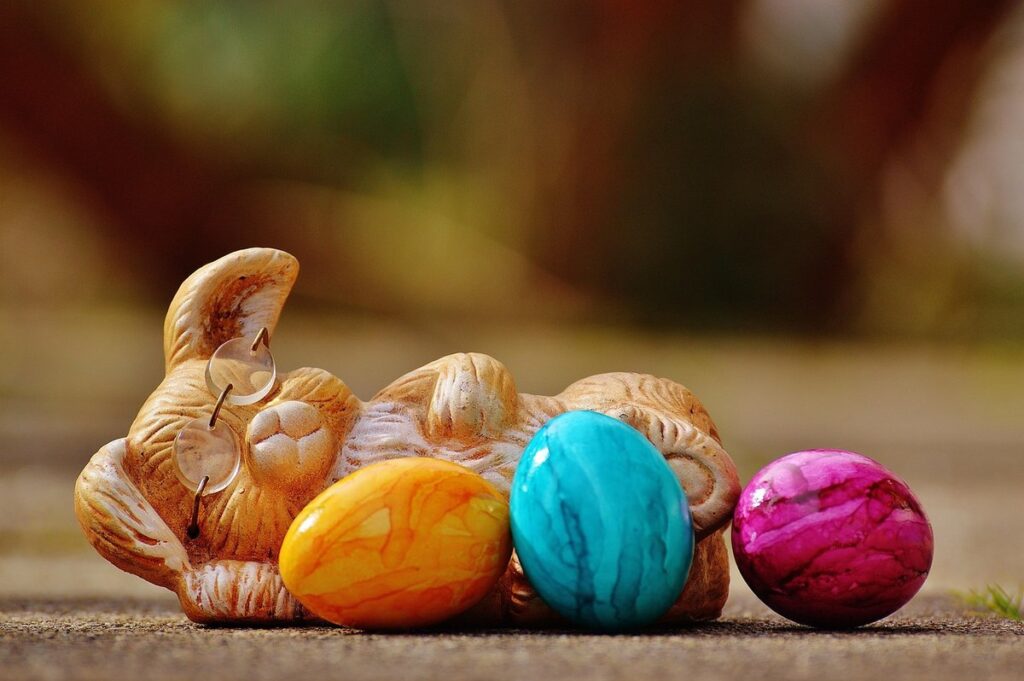
What Are Easter Egger Hens?
Let’s dive into the fascinating world of Easter Egger hens, whose genetic magic creates an incredible array of eggshell colors. This unique characteristic is what sets them apart from other chicken breeds.
Origin and History of Easter Eggers
Easter Egger hens have gained popularity among backyard chicken keepers due to their unique egg-laying abilities. These birds owe their existence to the combination of two distinct breeds: the Ameraucana and the Araucana, both originating from South America. The genetic trait responsible for producing blue eggs is a result of the production of oocyanin, a pigment that is not typically found in chicken eggs.
As it turns out, Easter Eggers are not a specific breed but rather a term used to describe any hen laying colored eggs due to the inheritance of genes from one of these two parent breeds. This mix and match approach makes it challenging for backyard keepers to predict which color eggs they will receive each season, adding an exciting element of surprise.
When acquiring Easter Egger chicks, you can increase your chances of getting a hen that lays blue or green eggs by purchasing from reputable breeders who have carefully selected birds carrying the required genetic traits.
Characteristics and Temperament of Easter Egger Hens
Easter Egger hens are not only prized for their colorful eggs but also admired for their unique characteristics and temperament. As a result of being hybrid birds, they tend to inherit the best traits from both parent breeds, making them an excellent choice for hobby farmers.
One of the standout features of Easter Eggers is their calm and gentle nature. They are generally laid-back and easy-going, which makes them perfect for backyard flocks or small farms with limited space. Their temperament also means they’re less prone to stress and anxiety, resulting in healthier birds overall. For example, if you notice your Easter Egger hen being stressed due to environmental changes, simply provide her a quiet sheltered spot, and she’ll likely bounce back quickly.
In terms of their physical characteristics, Easter Eggers come in various shapes and sizes depending on the breed combinations. Some may have feathers in shades of blue, black, white, or brown, which is carried over into the eggshell colors we adore. Their robust build and compact size also make them ideal for smaller spaces, ensuring you can raise multiple birds without feeling overwhelmed.
When introducing Easter Eggers to your flock, remember that they tend to be social butterflies. They love interacting with their human caregivers and will often follow you around the farm or yard. This trait is especially beneficial if you’re a beginner chicken keeper, as it makes handling and training easier.
The Science Behind Easter Egger Egg Color
Let’s crack open the fascinating science behind Easter Egger egg color, where genetics play a crucial role in producing these stunning hues. From blue to green and pink, it’s all about the mixing of traits!
Why Do Easter Eggers Lay Colored Eggs?
Easter Eggers lay colored eggs due to a fascinating combination of genetics and pigment production. To understand why their eggs are so vibrant, let’s dive into the science behind it.
The Easter Egger’s unique egg color is primarily attributed to its genetic makeup, specifically the presence of blue or green eggs from breeds like Araucana or Ameraucana. When these birds mate with other breeds, they can pass on their genetic trait to their offspring, resulting in colored eggs. The genetics of egg production are complex, but essentially, the Easter Egger’s genes code for the production of two pigments: porphyrins and protoporphyrins.
These pigments are responsible for the blue or green hues found in Easter Egger eggs. Porphyrins are produced in the oviduct, where egg yolk is formed, while protoporphyrins are created in the shell gland. The interaction between these two pigments determines the final color of the egg. For example, if an Easter Egger inherits the blue gene from its Ameraucana parent, it will produce eggs with a blue tint.
In simple terms, the unique combination of genetics and pigment production in Easter Eggers results in their remarkable colored eggs. If you’re looking to raise Easter Eggers for their colorful eggs, selecting breeds that are known to carry these genetic traits is essential.
How Does the Diet Affect Egg Color?
A hen’s diet plays a crucial role in determining the color of her eggs. The pigments responsible for eggshell coloration come from two main sources: the hen’s feed and her own metabolism. In the case of Easter Egger hens, their unique genetic makeup allows them to produce blue or green eggs, regardless of their breed.
When it comes to promoting healthy egg-laying in your flock, providing a balanced diet is essential. A diet rich in fruits, vegetables, and leafy greens will provide your hens with the necessary pigments to create vibrant egg colors. For example, adding blueberries to their feed can enhance the production of blue eggs due to the high levels of anthocyanins present in these berries.
However, it’s not just about feeding them a rainbow of fruits; ensuring they have access to calcium-rich foods like oyster shells or dark leafy greens is also vital for eggshell production. By paying attention to your hens’ diet and providing them with the necessary nutrients, you can encourage healthy egg-laying habits and enjoy a variety of colorful eggs in return.
Popular Easter Egger Colors: A Closer Look
Let’s take a closer look at some of the most stunning and sought-after egg colors from these amazing hens, including Blue, Green, Pink, and more!
Blue-Shelled Eggs from Easter Eggers
Blue-shelled eggs from Easter Egger hens are truly one of a kind. These beautiful eggs owe their signature blue hue to the unique genetic makeup of the hen that laid them. Easter Eggers, as you may know, are hybrid chickens that inherit their egg-laying characteristics from their Ameraucana or Araucana ancestors.
When it comes to blue-shelled eggs, there’s often confusion about what constitutes a “blue” egg. Some people assume it means a deep navy blue, but the truth is, Easter Egger blue eggs can range in color from pale sky blue to a rich cerulean hue. The beauty of these eggs lies not only in their vibrant color but also in their unique texture and consistency.
To increase your chances of getting blue-shelled eggs from your Easter Eggers, make sure to provide them with a balanced diet rich in omega-3 fatty acids and calcium. You can also try collecting the eggs regularly to encourage your hens to keep laying. With proper care and attention, you’ll be enjoying these stunning blue eggs in no time!
Green-Shelled Eggs from Easter Eggers
Easter egger hens are known for their unique ability to lay eggs with varying shades of green on their shells. One thing that’s often noticed about these green-shelled eggs is the range of color intensity they come in. Some may have a light, minty hue, while others can be a deeper, more vibrant green.
If you’re one of the lucky owners of an Easter egger hen, you might wonder what contributes to the varying shades of green on her eggshells. The truth is that it all comes down to genetics – specifically, the combination of genes inherited from the hen’s parents. This means that even two hens of the same breed can produce eggs with different levels of green pigment.
When it comes to the color intensity, some owners have reported noticing a correlation between the diet and eggshell color. For example, feeding your Easter egger hen a diet rich in iron can help deepen the green hue on her eggs. However, this is not a hard-and-fast rule, and individual results may vary.
Caring for Your Easter Egger Flock
Now that you’ve fallen head over heels for your Easter Eggers’ colorful eggs, let’s talk about keeping them happy and healthy so they can keep on laying those gorgeous omelet-makers. Proper care is essential to maintain their overall well-being.
Nutrition and Health Considerations for Easter Eggers
When it comes to ensuring the health and happiness of your Easter Egger hens, nutrition plays a crucial role. These birds require a balanced diet that meets their unique needs, particularly when it comes to laying eggs with such vibrant color palettes.
A high-quality layer feed is essential for supporting egg production, as well as maintaining overall health. However, it’s equally important to supplement their diet with fresh fruits and vegetables, which provide essential vitamins and minerals. Dark leafy greens like kale and spinach are excellent choices, while berries like blueberries and raspberries offer a boost of antioxidants.
But what about the eggs themselves? A healthy Easter Egger hen will lay an egg that is not only beautiful but also nutritious. Look for eggs with strong shells, indicating good calcium levels. The yolks should be firm and vibrant in color, reflecting the bird’s access to omega-3 rich foods like flaxseeds.
To support your flock’s nutritional needs, consider the following tips: provide a clean source of fresh water at all times, limit processed foods and treats, and offer a variety of fruits and vegetables daily. By doing so, you’ll be rewarded with happy, healthy hens that produce those enchanting eggs we love so much!
Housing and Environment Tips for Easter Egg Layers
When it comes to raising Easter Egger hens for their colorful eggs, creating an optimal living environment is crucial for maximizing egg production. A well-designed coop and enclosure can significantly impact the health and productivity of your flock. To begin with, consider the following key aspects: ventilation, lighting, and space allocation.
Ensure that the coop has adequate ventilation to maintain a healthy airflow, reducing the risk of respiratory issues and odors. Aim for at least 2-3 square feet per bird in the coop area, taking into account additional space required for feeding and nesting areas. Easter Eggers are active birds and require sufficient exercise; providing an attached fenced run or enclosed yard will allow them to engage in natural behaviors.
In addition to these housing considerations, it’s also essential to ensure a balanced diet that includes high-quality protein sources. As Easter Egger hens are prolific layers, they have specific nutritional needs to maintain their egg-laying abilities. Consult with a poultry expert or conduct research to determine the best feed options for your flock.
Breeds That Produce Easter Egger-Like Eggs
You might be wondering which breeds are capable of producing those stunning Easter Egger-like eggs, and you’re in luck because some popular hens will surprise you with their colorful omelets! Let’s explore these breeds together.
Other Chicken Breeds with Colored Eggs
If you’re captivated by the colorful eggs of Easter Egger hens, you might be interested to know that other chicken breeds can produce similar hues. While no other breed perfectly replicates the Easter Egger’s unique egg color palette, some come close.
Marans and Barnevelder chickens are notable for their dark chocolate-brown eggs. These birds have a genetic trait that causes the egg yolk to release more pigment than usual, resulting in an attractive brown color. You might be surprised by how well these eggs complement the colors of Easter Egger eggs.
Other breeds worth mentioning include Ameraucana and Araucana hens, which lay blue or green eggs due to their unique genetic makeup. While not as vibrant as some Easter Egger colors, their egg yolks are a lovely pale yellow. If you’re looking for a breed that produces a specific colored egg, consider adding one of these breeds to your flock.
Keep in mind that the egg color intensity can vary depending on individual bird genetics and diet. Consider introducing multiple breeds into your flock to create an array of colorful eggs.
Pros and Cons of Raising Non-Easter Egger Breeds for Colored Eggs
Raising non-Easter Egger breeds for their ability to lay colored eggs can be an exciting venture, but it’s essential to weigh the pros and cons before making a decision. On one hand, some popular breeds like Marans, Araucana, and Ameraucana are known for producing stunningly colored eggs without the genetic uncertainty of Easter Eggers.
These breeds offer a more predictable egg-laying schedule and often come with additional benefits such as friendly temperaments or low-maintenance care. For example, the Marans breed is prized not only for its dark chocolate-brown eggs but also for its gentle nature and hardiness in cold climates. On the other hand, these breeds may require specific dietary needs or specialized housing to bring out their egg-laying potential.
Additionally, some non-Easter Egger breeds can be more expensive than Easter Eggers, which might be a deterrent for smaller flocks. It’s also worth considering that while these breeds produce colored eggs regularly, they may not always match the unique hue of an Easter Egger’s eggs. Ultimately, choosing to raise non-Easter Egger breeds for colored eggs requires careful consideration of your resources and egg-laying goals.
Collecting, Storing, and Selling Your Easter Egger Eggs
Now that you have a collection of vibrant eggs from your Easter Egger hens, let’s talk about how to collect, store, and even sell them to maximize their beauty and value. This process requires some planning and organization.
How to Collect and Store Colored Eggs Safely
When collecting colored eggs from your Easter Egger flock, it’s essential to handle them gently to prevent cracking and breakage. This is especially important for colored eggs, as the vibrant hues can be easily damaged by rough handling.
To collect eggs safely, make sure to check on them frequently, ideally every few hours, to catch any that may have been laid while you were away. Use a clean and dry container or tray to gather the eggs, and avoid placing them directly on cold surfaces, as this can cause condensation and promote bacterial growth.
For storing colored eggs, it’s crucial to maintain a consistent temperature between 40°F and 45°F (4°C and 7°C) to slow down bacterial reproduction. Store them in a dry, ventilated area, away from direct sunlight and moisture. Consider investing in an egg carton or tray specifically designed for egg storage, as these usually have built-in ventilation and protection against breakage.
When storing eggs for extended periods, it’s also important to label them with the date they were collected, so you can keep track of their freshness.
Market Demand and Pricing for Colored Eggs
If you’re looking to sell your Easter Egger eggs, understanding market demand and pricing trends is crucial. Consumers are increasingly willing to pay a premium for unique, high-quality products, including artisanal eggs with vibrant colors.
On average, colored eggs can fetch anywhere from 10% to 20% more than conventional brown or white eggs at farmers’ markets. For example, a dozen blue-green Easter Egger eggs might sell for $4-$6, while a dozen standard brown eggs would cost around $3-$4.
To capitalize on this trend, consider the following strategies: Research local market demand by surveying potential customers and analyzing competitors’ pricing. Emphasize the uniqueness and health benefits of your Easter Egger eggs to justify higher prices. Consider offering value-added products, such as hand-painted or decorated eggs, which can command even higher premiums.
When setting your prices, remember that quality, presentation, and marketing all play a role in determining how much customers are willing to pay. By understanding market demand and pricing trends, you can confidently price your Easter Egger eggs to attract loyal customers and maximize profits.
Frequently Asked Questions
What’s the minimum number of Easter Egger hens I need to get a variety of egg colors?
To ensure you have a diverse range of eggshell colors, it’s recommended to start with at least three Easter Egger hens. This will increase the chances of getting blue, green, pink, or purple eggs. However, keep in mind that individual bird genetics play a significant role in determining egg color.
Can I breed Easter Eggers myself to create new colored egg varieties?
Yes, if you have experience with chicken breeding and are familiar with the genetic traits responsible for producing oocyanin, you can attempt to breed your own Easter Egger hens. However, be aware that this requires a deep understanding of genetics and may not guarantee the desired results.
How do I care for my Easter Eggers during extreme weather conditions?
Easter Eggers, like any other chicken breed, need proper shelter and protection from harsh weather conditions. Ensure your coop is well-ventilated, dry, and draft-free to keep them comfortable. Provide adequate shade, food, and water during hot summer months or heavy snowfall.
Can I mix Easter Egger hens with other breeds in my flock?
While it’s possible to integrate Easter Eggers into a mixed flock, consider the potential impact on egg color production. Other breeds may not carry the genetic trait for oocyanin production, which could affect the overall diversity of egg colors.
How do I store and handle colored eggs to maintain their freshness?
To preserve the quality and appearance of your Easter Egger eggs, store them in a cool, dry place or refrigerate at 40°F (4°C). Avoid washing the eggs before storing, as this can reduce their natural protective coating. Handle the eggs gently to prevent damage and always store them with the large end facing down to prevent moisture from entering through the air pocket.