
If you’re anything like me, there’s nothing quite like waking up to a surprise Easter Egger egg in your backyard. But have you ever wondered how this magical breed lays eggs in such a stunning array of colors? From blue to green, pink, and even purple, the possibilities are endless! As an Easter Egger owner or prospective breeder, it’s essential to understand not only these unique egg color variations but also the health considerations that come with raising this fascinating breed. In this article, we’ll take a closer look at the Easter Egger egg color chart, discussing how to manage your flock, identify potential health issues, and even provide tips for encouraging those gorgeous colored eggs. Whether you’re a seasoned chicken enthusiast or just starting out, this guide is here to help you make the most of your Easter Egger flock.
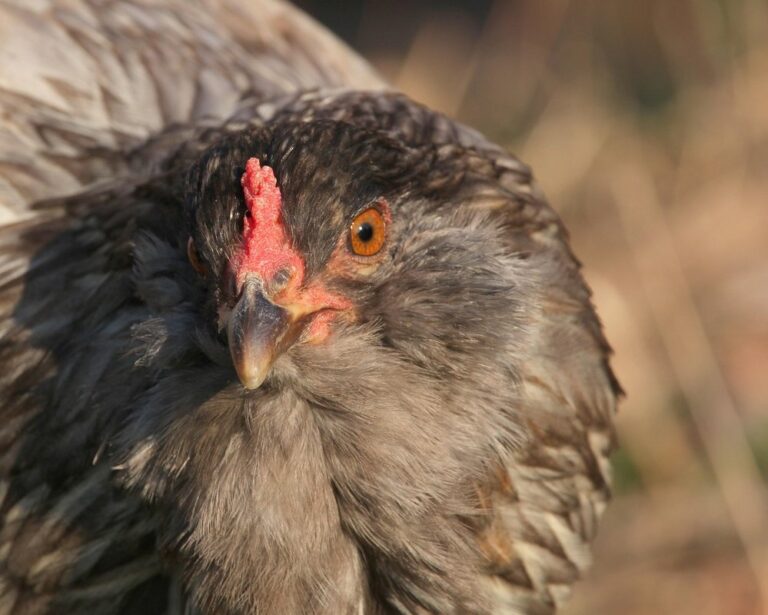
Understanding Easter Eggers
If you’re new to raising Easter Egger chickens, understanding their unique characteristics is crucial for a successful flock. Let’s dive into what makes these birds so special and why their eggs are such a delight.
What are Easter Eggers?
Easter Eggers are a fascinating and unique group of chickens that have gained popularity among backyard chicken enthusiasts. These birds owe their name to the fact that they lay eggs with an Easter egg-like coloration, often featuring hues such as blue, green, pink, or even purple.
One of the defining characteristics of Easter Eggers is their genetic makeup. Unlike other chicken breeds, which can produce a specific range of egg colors based on their breed alone, Easter Eggers owe their colorful eggs to the presence of an unknown gene that influences the coloration process in the hen’s oviduct. This means that two Easter Eggers can lay eggs of different colors, even if they’re related.
As a result, Easter Eggers are often described as “surprise” layers, and their egg-laying abilities can be unpredictable. However, this unpredictability is also part of their charm – you never quite know what color egg you’ll get from your Easter Egger each day!
History of Easter Eggers
Easter Eggers have become a staple among backyard chicken keepers due to their unique characteristic of laying eggs in various colors beyond the traditional brown and white. The origins of Easter Eggers date back to the 1960s when breeders began crossing Ameraucana and Araucana chickens with other breeds, such as Leghorns and Orpingtons.
These early crossbreeding efforts aimed to introduce the desirable trait of blue eggs into domestic flocks. However, it wasn’t until the 1990s that Easter Eggers started gaining popularity as a distinct breed in their own right. As backyard chicken keeping became more mainstream, enthusiasts began seeking out these birds for their colorful eggs and friendly personalities.
Today, Easter Eggers can be found in many backyard coops, with their owners often breeding them to create new color variations. If you’re considering adding an Easter Egger to your flock, look for reputable breeders who specialize in this unique breed. With proper care and management, Easter Eggers make wonderful additions to any backyard chicken keeping setup, providing a steady supply of colorful eggs and endless entertainment for their owners.
Characteristics of Easter Egger Eggs
Easter Egger eggs are known for their unique and varied colors, which can range from blue to green to pink and everything in between. Let’s take a closer look at what makes these eggs so special.
Egg Color Variations
Easter Eggers are renowned for their vibrant and diverse egg-laying abilities, producing an array of colors that can range from soft pastels to deep jewel tones. The most common shades of eggs laid by Easter Eggers include pink, blue, green, and yellow.
Pink eggs, often described as rose or salmon-colored, are a result of the chicken’s genetics combining to create this unique hue. Blue eggs owe their coloration to the presence of pigment oocyanin, which is responsible for the deep blue shade. Green eggs, although less common, occur when the oocyanin interacts with another pigment called protoporphyrin.
The most striking aspect of Easter Egger eggs is their incredible range of colors. For instance, some breeds may lay eggs that transition from a pale yellow to a vibrant orange or even a deep turquoise. The unpredictability and variety of eggshell colors make Easter Eggers an absolute delight for backyard chicken enthusiasts.
If you’re looking to breed your own Easter Eggers, remember that the key to producing these stunning eggs is to introduce Ameraucana or Araucana genetics into your flock.
Egg Size and Shape
Easter Egger eggs are known for their unique characteristics, and one of the most noticeable features is their size and shape. On average, Easter Egger eggs tend to be slightly larger than those laid by other breeds, with an average weight range of 2-3 ounces (57-85 grams). This is due in part to the fact that Easter Eggers are often crossed with Araucana or Ameraucana breeds, which are known for their large egg production.
However, it’s not uncommon for some Easter Egger hens to lay eggs on the smaller side, especially if they inherit traits from their Leghorn parent. Some breeders have reported egg sizes ranging from 1.5 to 4 ounces (43-113 grams), highlighting the variability within this breed.
In terms of shape, most Easter Egger eggs are relatively rounded, but some may be slightly oval or pointed at one end. The shell texture is often smooth and glossy, making them a delight to collect from your backyard coop. If you’re raising Easter Egggers, keep in mind that egg size can vary depending on factors such as feed quality, exercise, and overall health.
Creating an Easter Egger Egg Color Chart
Now that you have a flock of Easter Eggers, it’s time to track their unique egg-laying abilities and create a personalized color chart. This section will guide you through the process of documenting your hens’ egg colors.
Factors Affecting Egg Color
The color of an Easter Egger’s egg is influenced by a combination of genetics, nutrition, and environmental factors. When it comes to genetics, the color of the eggshell is determined by the interaction between two sets of genes: one from the mother (the Ameraucana or Araucana parent) and one from the father. This genetic combination can result in a wide range of colors, including blue, green, pink, yellow, and brown.
Nutrition also plays a role in egg color. For example, hens that eat more calcium-rich foods will produce eggs with stronger, darker shells. This is because calcium is an essential mineral for shell formation. In contrast, hens that don’t get enough calcium may produce eggs with softer or thinner shells.
Environmental factors can also impact egg color. Temperature and humidity levels, in particular, can affect the strength of the eggshell and its color. For example, if a hen is exposed to high temperatures, she may lay eggs with lighter-colored shells.
By understanding these factors, you can take steps to promote healthy egg production and encourage your Easter Eggers to produce their unique and colorful eggs. This might involve providing a balanced diet rich in calcium, ensuring optimal temperature and humidity levels, and selecting breeding pairs that will result in a variety of egg colors.
Recording and Tracking Egg Colors
When it comes to tracking egg colors from your Easter Egger flock, creating a chart is an excellent way to visualize and analyze the results. This will not only help you identify patterns but also make it easier to predict future egg-laying trends.
To start, choose a documentation method that suits you best. You can use a spreadsheet like Google Sheets or Microsoft Excel to create a table with columns for date, egg color, and any other relevant information. Alternatively, you can opt for a notebook or journal specifically designed for tracking egg colors. The key is to find a system that works for you and stick to it.
As you collect data, analyze the results to identify patterns and trends in your Easter Egger’s egg-laying habits. Look for correlations between factors such as breed, age, diet, and health. This will help you make informed decisions about your flock’s management and potentially improve egg production. For example, if you notice that a particular breed tends to lay blue eggs more frequently, you can adjust your breeding program accordingly.
When reviewing your chart, ask yourself questions like: What are the most common egg colors produced by my Easter Eggers? Are there any notable variations in egg color over time? How do different factors influence egg production and coloration? Answering these questions will give you valuable insights into your flock’s behavior and help you refine your approach to raising these unique chickens.
Breeding and Raising Easter Eggers
If you’re planning on breeding your own Easter Egger flock, learning how to breed and raise these unique chickens is crucial for success. We’ll walk you through the process of selecting the best parents and raising healthy chicks.
Choosing Healthy Breeders
When it comes to raising Easter Eggers, selecting healthy breeders is crucial for ensuring the overall health and fertility of your flock. Genetic diversity is key to maintaining a robust and resilient breeding program. Look for breeders that have bred multiple lines or strains within their flock to introduce new genes and reduce inbreeding.
Considerations for flock health are also vital when choosing breeders. Opt for breeders who prioritize health checks, vaccinations, and parasite control measures. Ask about the breeder’s experience with Easter Eggers specifically, as well as their knowledge of common health issues that affect this breed.
To evaluate potential breeders, research their reputation online, read reviews from other customers, and ask for references. Visit the breeder in person to assess the living conditions and observe the chickens’ behavior. A reputable breeder will be transparent about the genetics and health of their birds, and provide guidance on how to care for them.
Ultimately, choosing healthy breeders sets the foundation for a successful Easter Egger breeding program. By prioritizing genetic diversity and flock health, you’ll be well on your way to raising happy, healthy hens that produce a bounty of eggs in vibrant colors.
Tips for Raising Easter Egger Chicks
Raising Easter Egger chicks requires careful attention to their nutritional needs, vaccination schedule, and parasite control. When it comes to nutrition, make sure to provide a starter feed specifically formulated for young chickens. Aim to provide 18-20% protein content in the first few weeks of life, gradually reducing it to around 15-16% as they grow.
Some breeders recommend supplementing with crushed oyster shells or calcium-rich foods to support strong beak and skeletal development. However, ensure you’re not over-supplementing, as this can lead to kidney issues down the line.
For vaccinations, follow a standard poultry vaccination schedule, typically beginning at 1-2 weeks of age. Consult with a veterinarian for guidance on specific vaccinations required in your region.
Parasite control is crucial during the first few weeks of life, particularly against coccidiosis and respiratory infections. Use a broad-spectrum antibiotic powder according to label instructions, but be sure to rotate it periodically to prevent resistance. Monitor your flock regularly for signs of infection or stress.
Managing an Easter Egger Flock
Once you’ve got your Easter Egger flock established, it’s time to dive into the specifics of managing them for optimal egg production and overall health. This involves a few unique considerations that we’ll cover next.
Egg Production Expectations
As an Easter Egger flock owner, one of the most exciting aspects of raising these unique chickens is anticipating the variety of egg colors you’ll receive. However, it’s essential to have realistic expectations about their egg-laying abilities.
On average, Easter Eggers will produce between 180 and 280 large eggs per year, depending on factors such as breed mix, nutrition, and overall health. While this may seem like a decent yield, it’s crucial to remember that these birds are not as prolific as some other breeds, such as Leghorns or Plymouth Rocks.
One potential challenge you may face is inconsistent egg production. Some Easter Eggers may lay eggs for 5-7 years, while others may slow down significantly after just 2-3 years. This inconsistency can make it difficult to plan and manage your flock’s needs.
To minimize these challenges, focus on providing a balanced diet, ensuring access to fresh water, and maintaining a healthy environment. Regular health checks and vaccinations will also help prevent diseases that can impact egg production. By being aware of these expectations and taking proactive steps, you’ll be better equipped to manage your Easter Egger flock’s needs and enjoy the unique benefits they bring to your backyard.
Managing Flock Size and Space
Managing flock size and space is crucial for maintaining a healthy and happy Easter Egger flock. A general rule of thumb is to provide at least 4-5 square feet per bird inside the coop, and an additional 8-10 square feet in the run for exercise and foraging. For a smaller flock, this may seem feasible, but as your flock grows, so does the need for more space.
To determine the optimal flock size for your Easter Eggers, consider the breed’s temperament, energy level, and egg-laying capacity. A good starting point is 3-4 birds per person in your household, but be prepared to expand or adjust as needed. Remember that a crowded coop can lead to stress, disease, and decreased egg production.
Prioritize providing ample space for each bird to spread its wings, move around comfortably, and engage in natural behaviors like dust bathing and scratching. This will not only improve their well-being but also boost your flock’s overall productivity and longevity.
Health Considerations for Easter Eggers
When raising Easter Egger chickens, it’s essential to consider their unique health needs, particularly when it comes to egg production and possible genetic traits. This can impact both your flock’s well-being and your own lifestyle choices.
Common Health Issues
As an Easter Egger owner, it’s essential to be aware of the common health issues that can affect these unique chickens. Respiratory problems are a significant concern for Easter Eggers, especially during extreme weather conditions or if they’re exposed to drafts in their coop. Keeping a clean and well-ventilated environment can help prevent respiratory issues, such as bronchitis or pneumonia.
Parasites like mites, lice, and fleas can also infest Easter Eggers, causing discomfort and stress. Regular cleaning of the coop, monitoring for signs of parasites, and using preventative measures like diatomaceous earth can help keep these pests under control. Nutritional deficiencies are another common issue, especially if your chickens don’t have access to a balanced diet. Make sure to provide a high-quality layer feed or a mix of grains, fruits, and vegetables to ensure your Easter Eggers get all the necessary nutrients.
It’s also crucial to monitor your birds’ behavior and watch for signs of health issues, such as lethargy, loss of appetite, or changes in egg production. Regular check-ups with a veterinarian can help identify potential problems early on and prevent more severe complications.
Preventative Measures and Treatments
As an Easter Egger owner, it’s essential to be aware of common health issues and take preventative measures to ensure the well-being of your flock. One of the most significant concerns is internal parasites, such as worms and protozoa, which can lead to weight loss, lethargy, and even death if left untreated. Regular deworming with a product containing fenbendazole or ivermectin, ideally every 30 days during peak parasite season, can help prevent infestations.
Another critical aspect is maintaining good ventilation in your coop, as Easter Eggers are sensitive to ammonia buildup from their droppings. Ensure adequate airflow by installing windows, vents, or a fan to remove moisture and odors. Keep an eye out for signs of respiratory issues, such as labored breathing, coughing, or sneezing, and consult a veterinarian if you notice any unusual behavior.
In addition to these measures, make sure your flock has access to clean water, nutritious feed, and adequate space to roam. Regular vaccinations against diseases like Marek’s and infectious bronchitis can also help protect your Easter Eggers from illness.
Conclusion: Enjoying Your Easter Egger Egg Production
Now that you’ve identified your Easter Eggers’ egg color tendencies, it’s time to focus on enjoying their unique and colorful eggs throughout the year. This section shares tips for maximizing your flock’s production.
Celebrating Unique Eggs
As you continue to enjoy the bounty of your Easter Egger flock’s egg production, don’t forget to appreciate the unique characteristics of each and every egg. These chickens are known for their ability to lay eggs in a variety of colors, making each one a true treasure.
To celebrate this uniqueness, consider setting up an “egg display” in your kitchen or dining area. This can be as simple as placing a few of your favorite colored eggs in a decorative bowl or vase, and using them as a centerpiece for the table. You could also create a special “egg-of-the-month” club, where you feature one particularly stunning egg on display throughout the month.
Another way to showcase your Easter Egger’s unique eggs is by incorporating them into your cooking and baking projects. Consider using colorful eggs in recipes like deviled eggs, omelets, or frittatas – not only will they add a pop of color, but their rich flavors will also shine through. You could even host an “egg-themed” dinner party, where you feature a variety of dishes that highlight the beauty and versatility of your Easter Egger eggs.
If you’re feeling crafty, consider using your Easter Egger eggs as decorative elements in your home decor. Dyeing or painting eggs is a fun activity for adults and kids alike, and can add a personal touch to your holiday decorations. You could also use eggs as ornaments on the tree, or even create a beautiful egg-themed wreath for your front door.
Ultimately, celebrating the unique characteristics of your Easter Egger’s eggs is all about embracing their natural beauty and having fun with it. So go ahead, get creative, and enjoy the many ways you can showcase these one-of-a-kind treasures!
Frequently Asked Questions
Can I breed Easter Eggers with other chicken breeds to enhance their egg color variety?
No, it’s not recommended to cross-breed Easter Eggers with other breeds specifically for enhanced egg color variety. Their unique genetic makeup is responsible for the colorful eggs, and breeding them may disrupt this characteristic. Instead, focus on selecting healthy breeders and maintaining a diverse flock.
How often should I collect eggs from my Easter Egger flock to encourage consistent egg production?
Collecting eggs daily can help maintain a consistent laying schedule and prevent breakage. It’s also essential to provide adequate space, nutrition, and health care for your flock. Aim for at least 2-3 square feet per bird in the coop and 8-10 hours of light per day.
Are there any specific health considerations I should be aware of when raising Easter Eggers?
Yes, due to their genetic makeup, Easter Eggers are more prone to certain health issues, such as reproductive problems and egg-laying difficulties. Regular health checks, proper nutrition, and adequate space can help mitigate these risks. Consult with a veterinarian or experienced breeder for guidance.
Can I keep Easter Egger chicks in a coop with other chickens that aren’t Easter Eggers?
Yes, it’s possible to integrate Easter Egger chicks into an existing flock, but do so gradually and under close supervision. This will help prevent any conflicts between the birds. Make sure the coop is spacious enough for all the birds, providing adequate space and resources for each.
How can I record and track the unique egg colors produced by my Easter Eggers?
Consider using a spreadsheet or mobile app to record and track your flock’s egg production, including color variations. This will not only help you monitor their health but also provide valuable insights into their genetics and laying habits.