
If you’re an avid poultry enthusiast or just starting to build your backyard flock, chances are you’ve come across the fascinating Black Runner Duck breed. Originating from Europe in the 19th century, these ducks have gained popularity worldwide for their stunning appearance and energetic personalities. One of the most striking features of the Black Runner is its sleek black plumage, which makes them a standout addition to any waterfowl collection.
In this comprehensive guide, we’ll delve into the origins, physical characteristics, temperament, health considerations, and care requirements of the Black Runner Duck. Whether you’re a seasoned breeder or just learning about these captivating birds, this article is packed with essential information to help you understand what makes them thrive. We’ll cover everything from their unique traits to practical advice on providing optimal living conditions for your feathered friends. By the end of this journey, you’ll be well-equipped to decide if the Black Runner Duck is right for you and your poultry family.
History and Origins
The origins of the Black Runner Duck are steeped in history, dating back centuries to its development in Europe. Let’s explore how this breed came to be.
Early Breeding and Development
The black runner duck has its roots in ancient China, where it was bred for thousands of years as a working waterfowl. The breed was highly valued for its exceptional running ability and speed, making it an ideal choice for hunting and gathering. Chinese farmers would train their ducks to follow them on long journeys, providing entertainment and companionship along the way.
As European explorers traveled to Asia, they encountered the black runner duck and were impressed by its agility and endurance. They brought the breed back to Europe, where it quickly gained popularity as a beloved ornamental waterfowl. In the 19th century, British poultry enthusiasts developed the breed further, refining its characteristics and introducing new traits.
Today, we can appreciate the rich history behind this magnificent bird, with its glossy black feathers and impressive running ability. By understanding its origins, we can better care for and appreciate our own black runner ducks. Whether you’re a seasoned breeder or a newcomer to duck-keeping, learning from the breed’s storied past can help you build a stronger bond with your feathered friends.
Influence of European Poultry Keepers
European poultry keepers played a significant role in shaping the modern black runner duck. Their breeding practices, particularly in France and England, contributed to the bird’s distinctive appearance and temperament. By selectively breeding for desirable traits such as speed, agility, and vibrant plumage, European breeders created a unique strain of ducks that excelled in various aspects.
One notable influence on the development of the black runner duck was the French tradition of breeding waterfowl for hunting and exhibition purposes. French breeders prized birds with striking coloration and impressive physical characteristics, which led to the selection of ducks with glossy black feathers and long, slender bodies. In contrast, English poultry keepers focused more on developing breeds suited for farm use, such as egg production and meat quality.
The result of these breeding efforts is a duck that excels in both performance and appearance. Today’s black runner duck is renowned for its exceptional speed, reaching up to 30 miles per hour, making it an ideal choice for hunters and enthusiasts alike. Its sleek physique, combined with its vibrant plumage, has also made it a popular exhibit at poultry shows worldwide.
Physical Characteristics
When it comes to identifying a Black Runner Duck, there are several key physical characteristics you should look out for, including its plumage and beak shape.
Size, Weight, and Plumage
Black runner ducks are known for their striking appearance, and one of the first things you’ll notice is their impressive size. On average, males reach a height of 18-20 inches (45-50 cm) at the shoulder, while females typically top out at around 16-18 inches (40-45 cm). When it comes to weight, black runner ducks can range from 2.5 to 4 pounds (1.1 to 1.8 kg), with males generally being larger than their female counterparts.
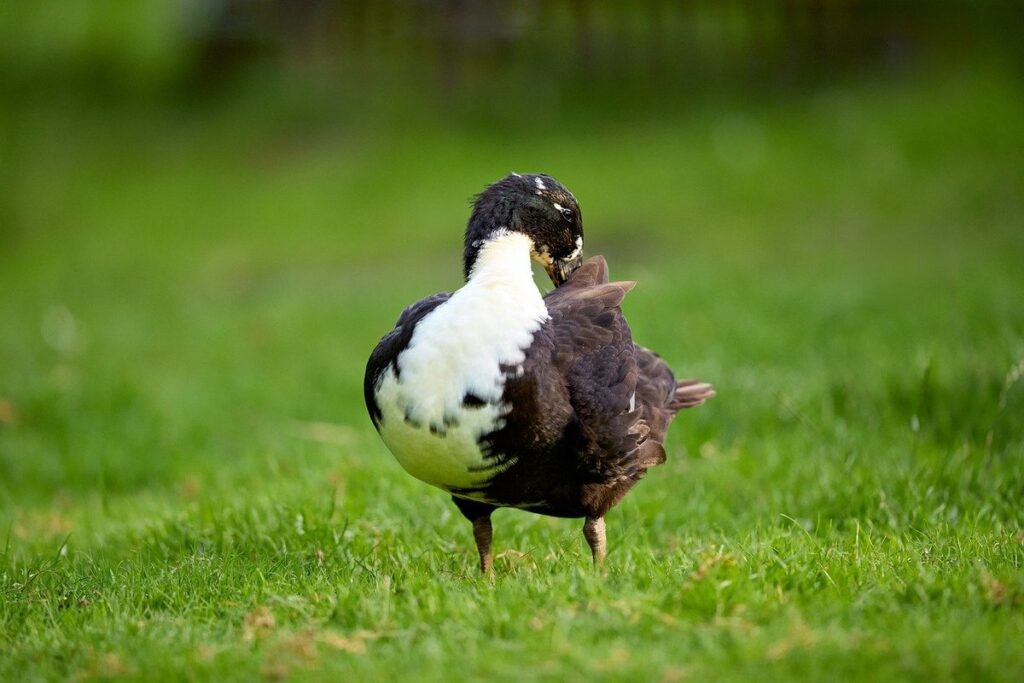
In terms of plumage patterns, the name “black runner” doesn’t lie – these birds are predominantly black with some subtle white markings on the wings and tail. However, breeders have worked tirelessly over the years to introduce a range of variations, from the classic “blue” variety featuring a lovely blue sheen to the more striking “muscovy” type, which boasts vibrant orange-red feathers on its head, neck, and breast.
Regardless of the specific variation, it’s worth noting that black runner ducks are naturally inclined towards having an impressive amount of feathering – particularly around their legs and belly.
Markings and Feather Patterns
Black runner ducks are known for their sleek and shiny feathers, which give them an irresistible glossy sheen. But what exactly do these markings and feather patterns look like? Let’s take a closer look.
One of the most distinctive features of black runner ducks is their iridescent plumage, which appears to change color depending on the angle of the light. In reality, this effect is caused by the structure of the microscopic crystals in the feathers themselves. This phenomenon is called “dichroism,” and it’s responsible for the shimmering, rainbow-like colors you see when light hits the duck’s feathers.
In terms of actual feather pattern, black runner ducks typically have a solid black coat with no white or other markings. However, some individuals may display subtle hints of blue or purple in their sheen due to the presence of microscopic pigment particles. If you’re looking to breed black runner ducks, it’s essential to examine your birds carefully and note any variations in feather pattern that might impact their breeding potential.
When selecting a black runner duck for breeding, look for individuals with deep, rich feathers and an intense glossy sheen. Avoid birds with dull or lackluster plumage, as these may be signs of underlying health issues or genetic defects.
Temperament and Behavior
Understanding your Black Runner Duck’s temperament is crucial, as it can greatly impact their interaction with you and other pets. This section explores the common behaviors and personality traits of this breed.
Docile Nature and Friendliness
One of the most delightful characteristics of black runner ducks is their docile nature and friendliness towards humans. These birds are known to form strong bonds with their owners, making them an excellent choice for families or individuals who want a low-maintenance yet affectionate pet.
In fact, black runner ducks are often described as “duck puppies” due to their playful and energetic personalities. They love to interact with people, follow commands, and even enjoy being cuddled! With proper socialization from an early age, your black runner duck will learn to trust and respond to you, making them a joy to be around.
When introducing a new black runner duck to your family, make sure to spend plenty of time with it, handling it gently, and letting it get accustomed to its surroundings. This will help establish a strong bond between you and your feathered friend. With patience and consistency, your black runner duck will become a loyal companion, providing hours of entertainment and affection.
Social Structure and Interaction with Other Birds
Black runner ducks are social birds that thrive in the company of others. In the wild, they can often be found in small flocks with other waterfowl species, such as mallards and geese. When kept in captivity, it’s essential to provide them with a suitable flock environment to ensure their emotional well-being.
One key aspect of their social structure is their hierarchical pecking order. Within a group, black runner ducks establish a dominant bird that leads the others during foraging and other activities. However, they are also known to form close bonds with specific individuals, often displaying affectionate behaviors like preening and quacking.
If you’re keeping black runner ducks as pets, it’s crucial to introduce them to other birds gradually to prevent stress and establish a harmonious flock dynamic. Provide enough space for each bird to have its own territory, and ensure that the enclosure is designed to promote social interaction, such as with communal pools and nesting areas.
In their natural habitat, black runner ducks can be seen interacting with various waterfowl species, including those that are much larger than themselves. This adaptability is a testament to their intelligence and ability to coexist peacefully with other birds.
Health and Nutrition
As a responsible black runner duck owner, it’s essential to ensure your feathered friend is receiving proper nutrition and staying healthy. This section covers key aspects of their dietary needs and health requirements.
Common Health Issues and Prevention
Black runner ducks are generally hardy birds, but they can be prone to certain health issues if not properly cared for. One common problem is respiratory infections, which can be caused by viruses, bacteria, or fungi. These infections can be triggered by poor ventilation, stress, and inadequate nutrition.
To prevent respiratory issues, it’s essential to provide a clean and well-ventilated living space for your black runner ducks. Make sure their enclosure has adequate airflow, and consider using a humidifier to maintain a healthy moisture level in the air. A balanced diet that includes plenty of fresh fruits and vegetables can also help boost their immune system.
Another health concern is parasites, such as lice, mites, and fleas, which can cause discomfort, stress, and even anemia. Regular cleaning of the enclosure, checking for signs of parasites on a daily basis, and treating any infestations promptly are crucial preventive measures. Additionally, keeping your black runner ducks’ living space free from standing water, where mosquitoes can breed, will also help reduce the risk of parasite-borne diseases.
A regular health check by a veterinarian experienced in poultry care is also recommended to ensure that your black runner ducks remain healthy and happy.
Dietary Requirements and Nutritional Needs
When it comes to providing optimal care for your black runner duck, their dietary requirements are crucial to maintaining their health and well-being. These ducks have high energy levels due to their active nature, making them require a balanced diet that meets their nutritional needs.
A key aspect of their diet is the need for high-quality protein sources. Black runner ducks thrive on a diet rich in protein, which can be obtained from various sources such as mealworms, crickets, and commercial duck pellets. It’s essential to provide a mix of these protein-rich foods to ensure they receive all the necessary amino acids.
In addition to protein, black runner ducks require access to fresh vegetables, fruits, and grains. Leafy greens like kale and spinach are excellent sources of fiber, vitamins, and minerals. Fresh fruits such as berries and citrus fruits provide essential vitamins and antioxidants. Whole grains like oats and barley offer a rich source of complex carbohydrates.
Ensure your duck’s water is clean and readily available at all times to prevent dehydration. A general rule of thumb for feeding black runner ducks is to provide 1-2% of their body weight in food daily, divided into two meals.
Breeding and Keeping Black Runner Ducks
If you’re planning to keep black runner ducks, learning how to breed them can be incredibly rewarding. In this section, we’ll cover everything you need to know about their breeding and care.
Establishing a Flock or Backyard Flock
When establishing a flock of black runner ducks, it’s essential to provide them with suitable habitats that cater to their specific needs. Start by choosing a location for your duck pond or pool that receives partial shade and has good air circulation. Black runners are active birds and require space to roam, so ensure you have enough room for them to exercise.
Consider the size of your flock when setting up housing and fencing. A good rule of thumb is to provide at least 2-3 square feet of outdoor space per bird. For a small backyard flock, this translates to a larger enclosure or paddock. If you’re planning to keep more than 5 birds, consider dividing them into smaller groups to prevent overcrowding.
When selecting fencing materials, choose durable options that can withstand harsh weather conditions and the occasional strong wind. A sturdy fence will also help protect your ducks from predators such as foxes and coyotes.
Care and Maintenance Requirements
Black runner ducks require regular attention to their housing, feeding, and health. To ensure they thrive, provide a spacious enclosure with adequate ventilation, ideally at least 2 square feet of space per duck. A secure, predator-proof coop is also essential for protecting them from external threats.
Diet-wise, black runners are omnivores and should be fed a balanced mix of grains, vegetables, and protein sources like mealworms or crickets. Fresh water and a calcium-rich supplement to support strong bone growth are also crucial. It’s recommended to provide a shallow pool of clean water for swimming, as they are natural-born swimmers.
Regular health checks are vital to prevent diseases in your flock. Monitor their behavior and look out for signs of illness, such as labored breathing or lethargy. Keep their living area clean by removing soiled bedding regularly and disinfecting any feeding equipment daily. By adhering to these care and maintenance requirements, you can create a happy and healthy environment for your black runner ducks.
Conclusion and Future Prospects
As we conclude our comprehensive guide to the majestic black runner duck, let’s take a look at what’s next for these beautiful birds and their enthusiastic owners. We’ll explore future prospects and possibilities.
Overview of Key Takeaways
In reviewing our comprehensive guide to the black runner duck, you now possess a deep understanding of this unique and fascinating breed. Let’s summarize the key takeaways that will enable you to confidently care for and raise your own black runners.
We’ve covered their origins, which date back to ancient Asia, and discussed how they were selectively bred to become an efficient meat producer. We also looked at their distinctive physical characteristics, including their shiny feathers and compact size. Additionally, we explored the specific needs of black runner ducks, including a balanced diet rich in protein, adequate living space, and regular exercise.
To recap, here are some essential tips for raising healthy and thriving black runner ducks:
* Ensure they have access to clean water and a well-ventilated coop with adequate space to roam.
* Provide a nutritious diet that includes a mix of commercial duck feed and fresh vegetables and fruits.
* Handle them gently but regularly to help build trust and promote socialization.
Potential for Breed Development and Conservation
As we conclude our comprehensive guide to the black runner duck, it’s essential to explore the potential for future breed development and conservation efforts. With their unique appearance and impressive foraging abilities, black runner ducks have captured the attention of many waterfowl enthusiasts. Breeders and conservationists can collaborate to develop new bloodlines that emphasize desirable traits such as egg-laying capacity, feather quality, or tameness.
Conservation efforts can also focus on preserving the genetic diversity of this breed. By establishing breeding programs with a diverse gene pool, we can ensure the long-term survival of the black runner duck. In fact, many zoos and wildlife sanctuaries have already begun breeding these ducks as part of their conservation initiatives. If you’re interested in contributing to the preservation of this breed, consider reaching out to local breeders or conservation organizations to learn more about opportunities for involvement.
By working together, we can not only develop new and exciting breeds but also safeguard the future of this remarkable waterfowl species.
Frequently Asked Questions
Can I keep a single Black Runner Duck as a pet, or do they require a flock?
Yes, while Black Runner Ducks are social birds that thrive with companionship, it’s possible to keep a single individual as a pet. However, you’ll need to provide plenty of attention and enrichment activities to prevent boredom and stress.
How do I introduce new Black Runner Ducks to an existing flock, especially if there are other breeds present?
When introducing new birds, start by keeping them in separate enclosures for a few days to allow them to get accustomed to each other’s presence. Then, begin supervised interactions under close observation, ensuring a peaceful transition.
What specific health checks should I perform on my Black Runner Ducks regularly to prevent common issues like respiratory problems?
Regularly inspect your ducks’ eyes, beaks, and feet for any signs of illness or injury. Also, monitor their droppings for consistency and color changes, which can indicate underlying health issues. Consult with a veterinarian experienced in waterfowl care if you notice any concerns.
Can Black Runner Ducks be trained to follow specific exercise routines or tasks, such as foraging or collecting eggs?
Yes, these ducks are highly intelligent and trainable. With consistent positive reinforcement and clear communication, you can teach them to perform various tasks and engage in enjoyable activities like foraging or even fetching items.
How do I ensure my Black Runner Ducks have access to a safe and clean water source throughout the year, particularly during winter months when water may freeze?
Provide your ducks with a shallow pool of water that’s easily accessible and protected from harsh weather conditions. Change the water frequently to maintain cleanliness, and consider using a heated birdbath or providing an indoor swimming area during extremely cold periods.