
Are you considering adding some vibrant color to your backyard flock or perhaps learning more about one of the most striking breeds in the chicken world? If so, let’s talk about Blue Laced Wyandottes. With their unique blue-green plumage and striking lacing pattern on their feathers, it’s no wonder why this breed is a favorite among poultry enthusiasts.
These stunning birds have been around for over a century, originating from the states of New York and Massachusetts. But what makes them so special? Whether you’re a seasoned breeder or just starting out, understanding the history, physical characteristics, breeding requirements, and showing guidelines will help you make informed decisions about this beautiful breed. In this article, we’ll cover everything you need to know about Blue Laced Wyandottes – from their roots to their show-stopping good looks.
History and Origins of the Blue Laced Wyandotte
The story of the Blue Laced Wyandotte begins with its origins, a fascinating tale that spans centuries and continents. In this next section, we’ll explore where this breed came from and how it developed over time.
Early Beginnings and Development
The Blue Laced Wyandotte‘s early beginnings are rooted in North America, where it emerged from the Silver Wyandotte breed. In the late 19th century, American poultry enthusiasts began to experiment with cross-breeding different fowl species to create new and unique breeds. The result was a stunning bird that would eventually become the Blue Laced Wyandotte.
Developed by crossing the Silver Wyandotte with other breeds such as the Plymouth Rock and the White Leghorn, this new breed quickly gained popularity for its striking appearance and impressive egg-laying abilities. One of the key characteristics of the early Blue Laced Wyandotte was its distinctive blue lacing pattern on its feathers, which gave it a unique and eye-catching appearance.
As the breed continued to evolve, poultry enthusiasts began to selectively breed birds with desirable traits such as improved egg production, hardiness, and temperament. This selective breeding process helped to refine the breed’s characteristics, resulting in the stunning Blue Laced Wyandotte we know today.
Breed Standardization Efforts
As breeders worked to establish the Blue Laced Wyandotte as a distinct breed, standardization efforts began in earnest. The American Bantam Association (ABA) was instrumental in developing the first breed standard for the Blue Laced Wyandotte, which emphasized the bird’s size, plumage, and egg-laying abilities.
However, not all stakeholders agreed on the breed standard. Some breeders argued that the ABA’s standard deviated too far from the original Wyandotte’s characteristics, while others believed it didn’t emphasize the breed’s unique blue lacing enough. These disagreements led to a period of debate and revision in the breed standard.
Despite these challenges, breeders continued to work towards standardization. By 2004, the ABA had revised its breed standard to better reflect the Blue Laced Wyandotte’s distinct features. Today, breeders and owners can refer to this established standard when selecting birds or breeding for specific traits. To ensure you’re working with a bird that meets the breed standard, look for documentation from reputable breeders who have followed the ABA’s guidelines.
Physical Characteristics of the Blue Laced Wyandotte
When it comes to identifying a Blue Laced Wyandotte, there are several key physical characteristics you should be aware of. Let’s take a closer look at what sets this breed apart visually.
Feathered Plumage and Coloration
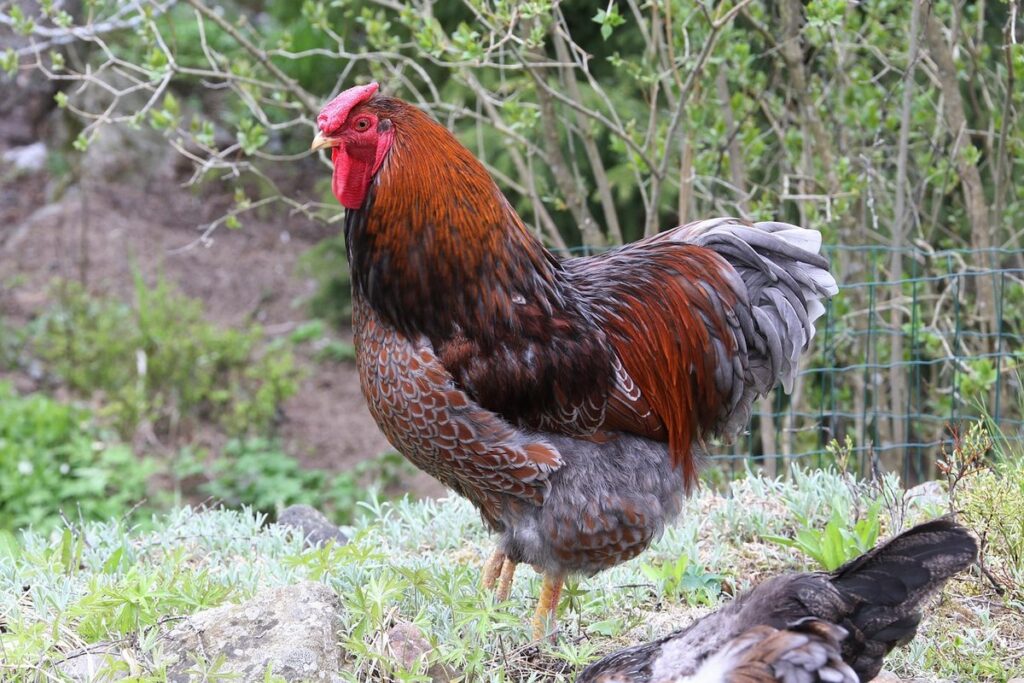
One of the most striking features of the Blue Laced Wyandotte is its unique feathering and coloration. The breed’s name “Laced” refers to the intricate, lace-like pattern on its feathers, which gives them a distinctive appearance. Unlike other breeds with solid-colored plumage, the Blue Laced Wyandotte’s feathers have a lacy, iridescent quality that shimmers in the light.
The breed’s coloration is equally impressive, with a beautiful blue sheen that covers most of its body. The blue can range from a pale sky blue to a deeper navy blue, and it’s often paired with white or black accents on the wings and tail feathers. This striking color combination makes the Blue Laced Wyandotte one of the most visually stunning breeds in the chicken world.
To showcase your Blue Laced Wyandotte’s unique features, consider adding some visual interest to their coop or run by incorporating natural elements like twigs, leaves, or flowers. You can also experiment with different lighting setups to bring out the breed’s iridescent colors. By highlighting these distinctive characteristics, you’ll be able to truly appreciate the beauty and charm of your Blue Laced Wyandotte.
Size and Build
The Blue Laced Wyandotte is a medium-sized breed of chicken, with males weighing between 7-10 pounds and females weighing around 6-8 pounds. In terms of build, the breed has a sturdy, compact frame that is well-suited to its egg-laying abilities. The overall size and weight of the Blue Laced Wyandotte make it an ideal choice for small backyard flocks or families with limited space.
One notable difference between males and females is their appearance. Males tend to have a more robust build and larger combs, while females are generally more refined in appearance. However, both sexes share the same striking blue lacing on their feathers, which gives the breed its distinctive name.
When choosing a Blue Laced Wyandotte for your flock, consider the space you have available and the level of egg production you require. These birds are friendly, docile, and relatively low-maintenance, making them a great choice for backyard chicken keepers.
Temperament and Personality of the Blue Laced Wyandotte
So, what does it take to be a perfect companion? In this section, we’ll dive into the friendly, curious nature that makes Blue Laced Wyandottes beloved pets.
General Temperament Traits
The Blue Laced Wyandotte’s temperament is one of its most charming qualities. Known for their friendly and outgoing nature, these birds are a delight to be around. They thrive on social interaction and love to engage with their owners, whether it’s through playtime or simply hanging out in the coop.
One of the standout features of the Blue Laced Wyandotte is their ability to get along with other pets. In fact, they’re often described as ” Velcro chickens” due to their strong attachment to their human family members. This makes them a great addition to households with existing pets, such as dogs or cats.
To bring out the best in your Blue Laced Wyandotte’s temperament, be sure to provide plenty of social interaction and mental stimulation. Engage them in activities like foraging games or obstacle courses to keep their minds active and engaged. With proper care and attention, these birds will reward you with loyal companionship and affection.
In many cases, Blue Laced Wyandottes have been known to form close bonds with their owners, even to the point of following them around the yard or into the house. This unique trait makes them an ideal choice for families or individuals looking for a loyal feathered companion.
Training and Socialization Needs
When it comes to training and socialization, Blue Laced Wyandottes require patience, consistency, and positive reinforcement. This breed can be strong-willed and independent, making it essential to establish a clear hierarchy and set boundaries early on. Start by introducing basic commands such as “come” and “sit,” using treats and praise to encourage good behavior.
As your BLW grows, it’s crucial to socialize them extensively to people, other animals, and new environments. This breed can be wary of strangers, so gentle exposure to various situations will help them become confident and calm in the presence of others. Introduce them to new sights, sounds, and experiences gradually, allowing them to process and adjust at their own pace.
Common behavioral issues in BLWs include dominant behavior, such as pushing or refusing to follow commands. To address this, establish a clear leadership role by being consistent and firm but gentle. Reward good behavior with treats and praise, while ignoring or redirecting unwanted actions. With time and effort, your Blue Laced Wyandotte will become a well-adjusted and loyal companion.
Health Considerations for the Blue Laced Wyandotte
When it comes to owning a Blue Laced Wyandotte, understanding their specific health needs is crucial. Let’s explore the potential health considerations you should be aware of as a responsible breeder or owner.
Common Health Issues Affecting the Breed
As you consider bringing home a Blue Laced Wyandotte, it’s essential to be aware of the breed’s common health concerns. Unfortunately, this stunning bird is prone to certain genetic disorders that can affect its quality of life and longevity.
One significant issue affecting the Blue Laced Wyandotte is their susceptibility to Angel Syndrome, also known as “Angel Wings.” This condition causes a chicken’s wings to grow abnormally large, making it difficult for them to fly. While not usually fatal, it can lead to mobility issues and make your bird more susceptible to predators.
Another issue affecting the breed is Spiking Fever or Marek’s Disease, a viral infection that affects the nervous system of chickens. It’s highly contagious and often spreads quickly through flocks. Regular vaccination and biosecurity measures are crucial in preventing this condition.
To minimize the risk of these health issues, it’s essential to work with reputable breeders who prioritize genetic diversity and have implemented robust health testing programs. Additionally, maintaining a clean coop, providing regular exercise, and adhering to proper husbandry practices can help keep your Blue Laced Wyandotte healthy and thriving.
Tips for Maintaining Optimal Health
Maintaining optimal health for your Blue Laced Wyandotte is crucial to ensure they live a long and happy life. A well-balanced diet is essential, and it’s recommended to provide high-quality layer feed that contains a mix of grains, proteins, and vitamins. You can also supplement their diet with fresh fruits and vegetables, but be sure to introduce new foods gradually to prevent digestive issues.
Regular veterinary check-ups are also vital in monitoring your bird’s health. Schedule annual check-ups with an avian veterinarian who can perform a thorough examination, take blood tests, and provide necessary vaccinations. Additionally, keep an eye out for signs of illness such as changes in appetite, droopy wings, or labored breathing, and seek veterinary attention immediately if you notice any unusual behavior.
To prevent health issues, make sure to provide plenty of space for your bird to exercise and engage in activities that stimulate their mind. A well-ventilated coop with adequate perches and nesting boxes will also help promote good health. By following these simple tips, you can help ensure your Blue Laced Wyandotte lives a long and healthy life.
Breeding and Raising Blue Laced Wyandottes
When it comes to raising Blue Laced Wyandottes, understanding their breeding requirements is essential for successful hatching and growth. This section will walk you through the process of selecting breeders and raising chicks.
Choosing the Right Breeder or Flock
When choosing a reputable breeder or flock for Blue Laced Wyandottes, there are several key factors to consider. First and foremost, research the breeder’s reputation by reading reviews, checking their ratings with organizations such as the American Bantam Association (ABA), and asking for referrals from other breeders or owners. Look for a breeder who is transparent about their breeding practices, health testing, and genetic diversity.
Additionally, consider the breeder’s experience and knowledge of the Blue Laced Wyandotte breed. They should be able to provide you with information on the bird’s lineage, temperament, and egg-laying abilities. Ask questions about their breeding program, such as how they select birds for breeding and what steps they take to ensure genetic diversity.
It’s also essential to visit the breeder in person to see the facilities and meet the birds. Look for clean living conditions, proper ventilation, and adequate space for the birds. A reputable breeder will be happy to answer your questions and provide you with a healthy bird that meets the breed standard.
Tips for Raising Chicks and Young Pullets
Raising healthy chicks and young pullets is a crucial step in developing strong, thriving Blue Laced Wyandottes. To ensure they receive optimal nutrition, provide a starter feed specifically formulated for young chickens, and supplement with calcium to support bone growth. A balanced diet should include a mix of grains, proteins, and vegetables.
Create a safe environment by providing ample space for exercise and socialization. Divide your brooder or coop into designated areas for feeding, drinking, and dust bathing to prevent overcrowding and stress. Ensure adequate ventilation and maintain a clean living space to reduce the risk of disease.
Socialization is also vital during this critical growth period. Introduce chicks to their flock at around 6-8 weeks old, allowing them to bond with other birds. Monitor their behavior and intervene if you notice any signs of aggression or stress. A well-socialized pullet will grow into a calm, confident adult Wyandotte.
By following these guidelines, you’ll be well on your way to raising robust, healthy Blue Laced Wyandottes that thrive in their environment.
Showing and Exhibiting the Blue Laced Wyandotte
When it comes time to showcase your stunning Blue Laced Wyandottes, understanding exhibition standards is crucial for success in the show ring. In this section, we’ll cover what you need to know.
Preparing Your Bird for Competition
When it’s time to show off your Blue Laced Wyandotte’s unique charm and characteristics, you’ll want to make sure they’re looking their absolute best. Preparing for a competition requires attention to detail, from grooming to handling techniques.
Start by getting your bird accustomed to being handled regularly. This will not only help them become more comfortable with human interaction but also enable you to inspect them more easily during the judging process. Practice gently lifting and supporting their wings, legs, and body to develop a sense of trust between you and your bird.
Next, focus on grooming techniques that accentuate your Blue Laced Wyandotte’s striking appearance. Trim any unruly feathers or beak growth carefully, taking care not to over-trim and cause stress. Also, ensure their feet are clean and well-groomed, as judges often inspect these areas closely.
Pay close attention to your bird’s diet and exercise routine in the weeks leading up to a competition. A balanced diet rich in nutrients will help maintain their vibrant plumage and overall health. Regular exercise will also keep them active and energetic during the show.
Understanding Show Standards and Rules
When entering your Blue Laced Wyandotte into competition, it’s essential to understand the show standards and rules governing this breed. The American Bantam Association (ABA) is one of the primary organizations that governs the showing of this breed, along with other poultry associations.
The ABA has established strict guidelines for judging, which include specific criteria such as comb type, beak shape, leg length, and feather quality. For example, judges look for a “well-set” tail on the male bird, while females should have a clean and well-defined saddle patch on their back.
To ensure you meet these standards, it’s crucial to familiarize yourself with the breed standard and practice handling your birds regularly. Practice posing your birds in front of a mirror or under different lighting conditions to get an idea of how they will be presented at a show.
When competing, make sure to adhere to all rules, including those regarding bird health, safety, and equipment. This includes ensuring your birds are properly vaccinated and tagged with identification. By following these guidelines and practicing regularly, you’ll be well-prepared to showcase your Blue Laced Wyandottes to their full potential.
Frequently Asked Questions
What is the ideal environment for raising Blue Laced Wyandottes?
Raising Blue Laced Wyandottes requires a suitable climate with moderate temperatures between 40°F to 80°F (-40°C to 27°C). Ensure your flock has adequate shelter, ventilation, and protection from extreme weather conditions.
How do I identify a reputable breeder or supplier of Blue Laced Wyandotte chicks?
When searching for a reputable breeder or supplier, research their experience with the breed, ask about their health testing protocols, and inspect their facilities. Look for breeders who prioritize bird welfare and transparency in their breeding programs.
Can Blue Laced Wyandottes thrive in small backyard flocks or are they best suited for larger commercial operations?
Blue Laced Wyandottes can adapt to both small backyard flocks and larger commercial operations, provided the flock has adequate space (about 2-4 square feet per bird) and a suitable coop with proper ventilation.
How long does it take for Blue Laced Wyandotte chicks to mature, and when can they start laying eggs?
Blue Laced Wyandottes typically reach maturity at around 20 weeks of age. However, egg production may vary depending on factors like nutrition, genetics, and individual bird health. Expect your hens to begin laying eggs between 24-30 weeks of age.
Can Blue Laced Wyandottes be kept with other breeds, or do they require separate housing?
Blue Laced Wyandottes can coexist with other breeds, but it’s essential to introduce them slowly and under close supervision to ensure a smooth integration. Providing adequate space, food, water, and shelter will help minimize conflicts between birds from different breeds.