
When you’re raising Jersey Giants, one of the most exciting aspects is the potential for your hens to lay eggs in a wide range of colors. From blues and greens to speckled and white, each egg is a unique treasure. But have you ever wondered what factors influence the color of your Jersey Giant‘s eggs? Is it something in their genetics or perhaps the food they eat and environment they live in?
In this article, we’ll delve into the fascinating world of Jersey Giant egg color, exploring how genetics and environmental factors work together to create these stunning eggs. We’ll also share some practical tips on how to encourage your hens to produce eggs with the desired traits you’re looking for. Whether you’re a seasoned chicken keeper or just starting out, this guide will help you understand the science behind Jersey Giant egg color and provide valuable insights into raising healthy hens that produce eggs you’ll love.
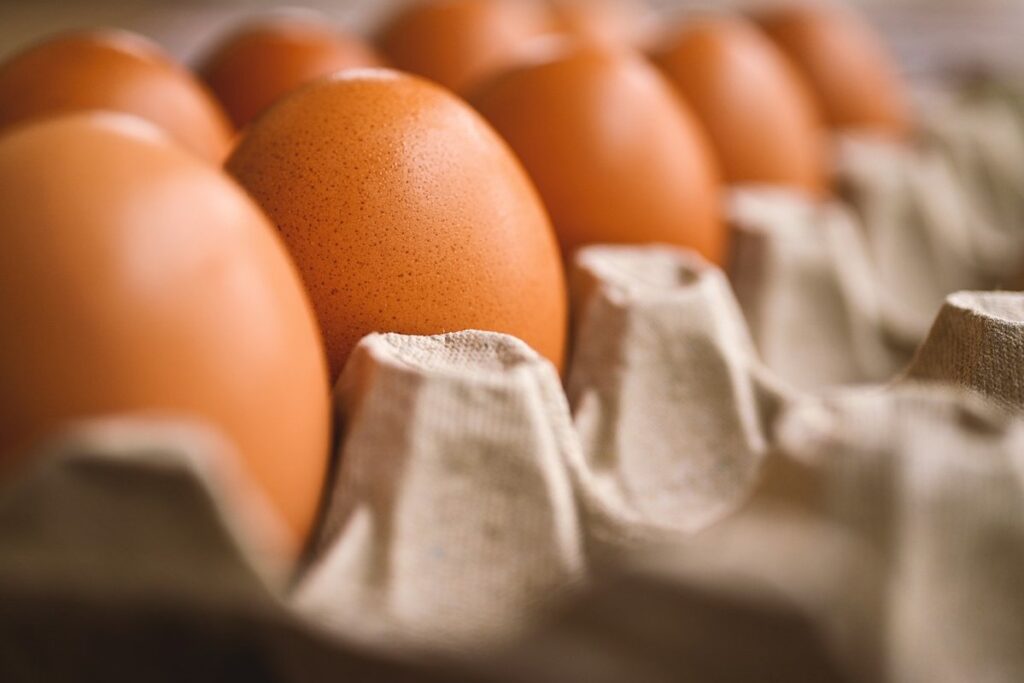
What Are Jersey Giant Eggs?
So, you’re wondering what makes a Jersey Giant egg so unique? Let’s start by understanding the basics: what are Jersey Giant eggs and how do they differ from other types of chicken eggs.
Origin and History of Jersey Giant Chickens
The Jersey Giant breed has its roots in the late 19th century, when large fowl were highly prized for their meat. In fact, the first recorded mention of the Jersey Giant was in 1871 by William Cook, a poultry breeder from New Jersey. Cook’s goal was to create a chicken that was both massive and prolific, producing plenty of eggs and meat.
To achieve this, Cook crossed various large breeds, including the Cochin, Brahma, and Langshan, to create a bird that would meet his standards. The resulting offspring were not only enormous but also surprisingly docile and easy-going. This made them an instant hit with farmers and backyard chicken keepers alike.
Today, the Jersey Giant is one of the most popular large fowl breeds kept for both eggs and meat. Their massive size – hens can weigh up to 12 pounds! – makes them a show-stopping addition to any flock. But what’s just as impressive is their ability to produce an astonishing 200-220 large brown eggs per year, making them a top choice for families and homesteaders looking for a reliable egg supplier.
Characteristics of Jersey Giant Hens
Jersey Giant hens are a large and striking breed, making them an excellent choice for backyard flocks. In fact, they’re one of the largest chicken breeds, with some roosters reaching up to 17 pounds or more! Their impressive size is matched by their equally impressive plumage.
One of the most distinctive features of Jersey Giant hens is their feathering. They have a soft, fluffy coat that’s often described as ‘fluffy’ and can range in color from white to brown, depending on the individual bird. In terms of plumage patterns, you’ll find everything from solid colors like black or blue to beautiful mottled patterns featuring shades of gold, red, and silver.
But it’s worth noting that Jersey Giants are not as high-maintenance as some other breeds when it comes to grooming. Their feathering is relatively easy to manage, especially if you’re comfortable with regular brushing and the occasional trim. Of course, every bird is different, so be prepared to spend a bit more time on your flock members’ coat care during molting season.
When it comes to egg-laying, it’s worth remembering that larger breeds like Jersey Giants tend to produce fewer eggs overall – but what they do lay are often much bigger and more impressive!
Egg-Laying Habits of Jersey Giants
When it comes to understanding egg color, knowing how often and under what conditions your Jersey Giant lays eggs is crucial. Let’s take a closer look at their egg-laying habits.
Average Daily Egg Production
When it comes to understanding the egg color of Jersey Giants, their daily laying habits are just as crucial. On average, a mature Jersey Giant hen will lay around 200-220 large brown eggs per year. That’s about 5-6 eggs per week, or roughly one egg every 26 hours.
Several factors can influence this daily production, including nutrition, health, and individual personality. For example, a well-balanced diet rich in protein and calcium will support optimal laying habits. Conversely, deficiencies in these essential nutrients can lead to reduced egg production and even fertility issues.
Another factor affecting egg production is the age of your Jersey Giant hen. Young birds will typically start laying eggs at around 18-24 months old, but it may take up to a year for their production to peak. Experienced breeders recommend providing adequate space, social interaction, and stress-free environments to support optimal laying habits in these large birds.
Keep in mind that individual variations can occur even within the same flock. Some Jersey Giants may lay more frequently or produce eggs of varying sizes. By understanding these factors, you’ll be better equipped to provide the care your hens need to thrive and produce those stunning brown eggs we all love!
Factors Affecting Egg Color in Jersey Giants
When it comes to egg color in Jersey Giants, several factors come into play. One of the most significant influencers is diet. A chicken’s diet affects the pigmentation of her eggs, with a balanced mix of vitamins and minerals playing a crucial role. For instance, a diet rich in beta-carotene will result in more orange or yellow undertones in the eggshell, while an iron deficiency can lead to lighter shades.
Another factor is age. Younger hens tend to lay eggs with lighter shells that gradually deepen in color as they mature. This is because their reproductive system takes time to develop and regulate. On average, it may take a Jersey Giant hen around 18-24 months to reach full egg-laying capacity, which includes optimal eggshell pigmentation.
Genetics also play a significant role in determining egg color. While breeders often look for desirable traits such as larger eggs or improved fertility, the genetics of eggshell color are complex and multi-faceted. Even within a single flock, you may notice variations in egg color due to genetic differences among individual hens.
The Genetics Behind Egg Color
Let’s dive into the fascinating world of genetics and explore how specific genes influence the unique colors you see in Jersey Giant eggs. Your genetics will play a starring role in determining your egg’s hue.
Inheritance of Egg Color Traits
When it comes to understanding the genetics behind egg color, specifically in Jersey Giant chickens, it’s essential to grasp the concept of inheritance. In simple terms, egg color is determined by a combination of genes inherited from both parents.
Eggshell color is influenced by two types of melanin: eumelanin and pheomelanin. Eumelanin produces black or dark brown pigmentation, while pheomelanin creates red or yellow hues. The interaction between these two types of melanin determines the final eggshell color.
In Jersey Giants, three genes are primarily responsible for eggshell color: B (black), C (brown), and I (white). These genes interact in various combinations to produce different colors. For example, a bird with the genotype BB will have black eggs, while BC will result in dark brown eggs.
To predict the eggshell color of your Jersey Giant chicks, you need to consider the genotype of both parents. If you’re breeding for specific traits, it’s crucial to understand how these genes interact and plan accordingly. By understanding the genetic aspects of egg color inheritance, you can make informed decisions about your flock and achieve the desired results in your egg-laying birds.
Understanding Dominant and Recessive Genes
When it comes to understanding egg color genetics, two key concepts come into play: dominant and recessive genes. To comprehend why Jersey Giant eggs may exhibit certain colors, you need to grasp the fundamental principles of these genetic elements.
Imagine a pair of alleles – alternative forms of a gene – that determine egg shell color. One allele is represented by the letter ‘B’, which codes for a brown pigment, while its counterpart is ‘b’ (lowercase), representing the absence of this pigment. Now, let’s consider how these genes interact: if both parents are carriers of the recessive ‘b’ allele, their offspring will likely inherit two copies – one from each parent – making them homozygous recessive for egg white color.
As a result, they’ll exhibit the ‘white’ trait since there’s no dominant influence to override it. Conversely, when an individual inherits at least one copy of the dominant ‘B’ allele, their offspring will express either the brown or possibly another intermediate shade depending on further interactions between other genes.
The combination of dominant and recessive alleles determines egg coloration in Jersey Giant chickens. To predict potential egg colors in your flock, you must identify which parents are carriers of dominant or recessive traits for specific pigmentations.
Environmental Factors Affecting Egg Color
Let’s explore how environmental factors such as diet, climate, and genetics influence the rich colors of Jersey Giant eggs. These external conditions play a significant role in determining egg coloration.
Diet’s Impact on Yolk and White Color
When it comes to the color of Jersey Giant eggs, many factors come into play. One crucial aspect is a chicken’s diet, which has a significant impact on both the yolk and white colors. A balanced diet rich in fruits, vegetables, and whole grains provides the necessary nutrients for egg production.
The yellow pigment in egg yolks comes from xanthophylls, specifically lutein and zeaxanthin, found in foods like marigold petals, alfalfa, and dark leafy greens. Chickens that have access to these pigments will produce eggs with more vibrant yellow yolks. On the other hand, a diet lacking in these nutrients can result in pale or washed-out yolks.
The white color of an egg is influenced by the hen’s diet as well. A high-protein diet rich in animal-based ingredients like meat, fish, and dairy products will produce eggs with a deeper, more saturated white. Conversely, a low-protein diet may lead to paler whites. To optimize your Jersey Giant’s diet for desirable yolk and white colors, consider incorporating nutrient-rich supplements or making changes to their regular feed.
By paying attention to the dietary needs of your chickens, you can influence the final color of their eggs.
Stress and Its Effect on Egg Color
When it comes to Jersey Giant egg color, stress is another environmental factor that can play a significant role. Stress can affect not only the chicken’s overall health but also the quality and appearance of its eggs. Chickens under stress may produce eggs with altered pigmentation, particularly noticeable in the yolk or white.
Stress-induced changes in egg color are often subtle but can be significant enough to impact the egg’s aesthetic appeal. For instance, a stressed Jersey Giant hen might lay an egg with a pale or washed-out yolk. This change in yolk pigmentation can be attributed to the chicken’s reduced production of lipochrome, a pigment responsible for giving yolks their characteristic yellow color.
On the other hand, stress can cause white eggs to appear more opaque or chalky due to changes in the cuticle (bloom) layer. This effect is usually temporary and resolves once the hen has been removed from the stressful environment. To mitigate stress-related egg color changes, it’s essential to provide Jersey Giants with a safe and comfortable living space, complete with adequate space for movement, social interaction, and nutritious food.
Tips for Raising Jersey Giants for Darker Egg Colors
If you’re looking to breed jersey giants with deeper, richer egg yolks, here are some valuable tips on how to raise them for optimal color production.
Selecting Breeding Stock for Desired Traits
When selecting breeding stock for darker egg colors in Jersey Giants, it’s essential to focus on birds that consistently produce eggs with the desired hue. A good starting point is to identify breeders who specialize in dark-egg-producing lines and learn from their experiences.
To begin, examine the breed history of your potential breeding stock. Look for ancestors known to lay darker eggs or those that have been selectively bred for this trait. Next, observe the egg-laying habits of the birds you’re considering, noting the frequency and consistency of darker-colored eggs.
Pay attention to the plumage coloration of your potential breeding stock as well, as certain feather colors can be linked to eggshell pigmentation. A bird’s overall health and genetic diversity are also crucial factors in ensuring they produce high-quality, consistently dark eggs. By carefully evaluating these traits, you’ll increase the chances of producing chicks that lay eggs with the desired darker coloration.
Nutritional Requirements for Healthy Egg Production
A well-balanced diet is essential for healthy egg production in Jersey Giants. When it comes to achieving those vibrant darker egg colors, nutritional requirements play a significant role. A deficiency in certain nutrients can affect not only the quality but also the color of the eggs.
Protein and Lysine are crucial components for egg production. Feed your flock a diet rich in these essential amino acids, which can be found in legumes such as beans or peas. Additionally, ensure they have access to calcium supplements to fortify their shells and promote stronger bone structure.
Micro-nutrients like iron, copper, and zinc also contribute to the overall health of your birds and, indirectly, the egg color. However, over-supplementation can be detrimental, so monitor levels carefully to avoid this risk. Consider incorporating dark-colored fruits and vegetables, such as berries or leafy greens, into their diet – these are rich in antioxidants that may help promote a deeper shell color.
A well-considered nutritional plan is key; consider working with a veterinarian or poultry expert to develop an optimal feeding strategy for your flock.
Conclusion: Unlocking the Secrets of Jersey Giant Egg Color
Now that we’ve explored the factors influencing Jersey Giant egg color, let’s summarize our findings and unlock the secrets you’ve been searching for. We’ll distill the key takeaways from this journey together.
Recap of Key Takeaways
In summary, we’ve covered the key factors influencing the vibrant colors of Jersey Giant eggs. Genetics play a significant role, with specific genes determining egg shell pigmentation. Research has identified multiple loci responsible for egg color variation, making it a complex trait influenced by both genetic and environmental factors.
To recap, here are the main takeaways:
• Genetic diversity: The Jersey Giant breed’s extensive gene pool contributes to its diverse range of egg colors.
• Environmental influences: Temperature, humidity, and nutrition can impact eggshell pigmentation, although their effects are generally subtle.
• Dietary considerations: A balanced diet rich in calcium, phosphorus, and other essential nutrients is crucial for maintaining healthy eggshell production and color.
By understanding the interplay between genetic and environmental factors, you can make informed decisions to optimize your Jersey Giant flock’s egg-laying performance. This knowledge will also help you identify potential issues affecting egg color and take corrective action to maintain a thriving flock.
Final Thoughts on Raising Healthy, Productive Chickens
As you’ve gained valuable insights into understanding jersey giant egg color, it’s time to put this knowledge into practice. If you’re a backyard chicken keeper looking to raise healthy, productive flocks with desirable traits, here are some final thoughts to keep in mind.
First and foremost, prioritize breed selection. Jersey Giants are known for their excellent laying abilities, but they can be prone to certain health issues if not properly managed. Research the specific needs of this breed and ensure you’re prepared to provide the necessary care.
Another crucial aspect is nutrition. A balanced diet rich in calcium and protein will support healthy egg production and overall flock well-being. Consider supplementing with grit and oyster shells to promote digestive health and prevent egg binding.
Don’t forget about regular health checks and parasite control measures to maintain a robust immune system within your flock. By combining these best practices, you’ll be well on your way to raising happy, healthy chickens that thrive in their backyard home. With dedication and attention to detail, your jersey giants will reward you with an abundance of high-quality eggs.
Frequently Asked Questions
Can I influence the color of my Jersey Giant’s eggs through their diet?
Yes, a balanced diet rich in omega-3 fatty acids can enhance yolk color, making it more vibrant and dark. However, it’s essential to note that dietary influences on egg color are subtle and genetics play a significant role. Focus on providing a nutritious feed that meets your hens’ nutritional needs.
How do I know if my Jersey Giant hen is laying eggs with desired traits due to genetics or environmental factors?
This distinction can be challenging, as both genetics and environment interact to produce the final egg color. Monitor your flock’s overall health, nutrition, and living conditions to ensure a balanced influence on their egg-laying abilities.
Can I breed my own Jersey Giants for specific egg colors?
To achieve desired traits through selective breeding, you’ll need to understand the inheritance patterns of egg color genes. Researching dominant and recessive genes will help you make informed decisions about selecting breeding stock with the characteristics you want to pass on.
What’s the ideal ratio of male to female Jersey Giant chicks for a small backyard flock?
For a manageable and harmonious flock, aim for at least 3-4 hens per rooster. This balance ensures social stability and reduces stress, which can negatively impact egg color.
How often should I collect eggs from my flock to encourage healthy production and desired traits?
Collecting eggs daily is crucial to maintain cleanliness and prevent breakage, which can introduce bacteria and affect egg quality. Regular collection also allows you to monitor your hens’ overall health and productivity.