
If you’re an aspiring chicken keeper or just curious about these magnificent birds, you’ve probably wondered about Jersey Giant chickens. These gentle giants are not only prized for their size and gentle nature but also for their unique egg-laying abilities. One of the most intriguing aspects of Jersey Giants is their distinct egg color pattern, which can vary from white to dark brown, depending on several factors – genetics being a significant one. But did you know that nutrition and health considerations also play a crucial role in determining the color and quality of your chicken’s eggs? In this article, we’ll delve into the fascinating world of Jersey Giant chickens’ egg color patterns, exploring the science behind it all. Whether you’re a seasoned farmer or just starting out, you won’t want to miss this informative guide!
Introduction to Jersey Giant Chickens
Let’s start by learning more about these incredible birds, one of the largest chicken breeds in the world, known for their gentle nature.
Brief History of the Breed
The Jersey Giant chicken breed has a rich history that dates back to the late 19th century. Originating in the United States, this massive bird was developed specifically for its meat production. The primary goal of breeding the Jersey Giant was to create a larger, more efficient chicken that could thrive on a farm and provide ample protein for the growing population.
To achieve this, breeders focused on selecting birds with impressive size, vigor, and fertility. The result was a robust chicken capable of laying around 200 large brown eggs per year, making them an ideal choice for commercial egg production. As their popularity grew, so did their reputation for being friendly, docile, and relatively low-maintenance.
Interestingly, the Jersey Giant’s large frame and impressive size came with some unexpected benefits – they also produced some of the most unique and beautiful egg colors in the industry. We’ll explore this fascinating topic further as we delve into the specifics of their egg color. Despite their intimidating size, these gentle giants are a delight to have on any farm or backyard flock, providing not only eggs but also companionship and entertainment.
Overview of the Breed’s Characteristics
The Jersey Giant chicken is a majestic breed known for its impressive size and gentle nature. One of the first things you’ll notice about this bird is its massive frame, with roosters weighing up to 13 pounds and hens reaching around 10 pounds. Their distinctive appearance is also marked by their soft feathers, which come in a range of colors including white, black, and various shades of brown.
But size isn’t the only remarkable aspect of the Jersey Giant. These birds are known for being friendly and docile, making them an excellent choice for families with children or for backyard farmers who want to raise chickens that are easy-going. They’re also relatively quiet compared to other breeds, laying around 200 large white eggs per year. With their gentle nature and impressive size, it’s no wonder the Jersey Giant has gained popularity among chicken enthusiasts.
Their temperament is perhaps one of the most notable traits of this breed, as they’re often described as laid-back and easy-going. This makes them a great choice for those new to raising chickens or looking for a low-maintenance option. However, be aware that their size can make them more prone to health issues if not properly cared for, so regular check-ups with a veterinarian are essential.
Some owners have reported that Jersey Giants are relatively easy to handle and train, particularly when it comes to egg production. With proper care and attention, they’ll thrive in your backyard flock and provide you with an abundance of fresh eggs.
Understanding Egg Color in Jersey Giants
When it comes to identifying the egg-laying ability of your Jersey Giant, understanding their unique egg color is crucial for breeders and backyard enthusiasts alike. This includes recognizing variations in shell hue.
Genetics of Eggshell Color
When it comes to the genetics of eggshell color, we’re diving into some fascinating science. Jersey Giants, like all chickens, inherit their eggshell color from their parents through a process called epistasis, where multiple genes interact to produce the final color. This is why different breeds lay eggs in various shades, from pale blue to deep brown.
Think of it like a recipe: you need a dash of red pigment (porphyrins) and a pinch of yellow pigment (carotenoids) to make a golden-brown eggshell. But with a slight variation in the recipe – perhaps more porphyrins or carotenoids – you get a darker, richer brown or even a speckled pattern.
Some breeds, like Araucanas and Ameraucanas, have an extra gene that allows them to produce blue eggs due to a pigment called biliverdin. Jersey Giants, however, are not among these breeds. Their eggshell color is determined by the usual mix of porphyrins and carotenoids, resulting in their characteristic light brown or tan hue.
Understanding this genetic basis can help you predict what colors your own Jersey Giant flock will lay – a fun experiment that’s sure to delight both backyard farmers and enthusiasts alike!
Factors Influencing Egg Color Intensity
The color intensity of an eggshell can be influenced by several environmental and nutritional factors. For instance, the availability of certain minerals like calcium and iron can impact the depth of color. A Jersey Giant chicken’s diet should therefore prioritize these essential nutrients to ensure optimal eggshell production.
A study on laying hens revealed that a calcium-to-phosphorus ratio plays a significant role in determining eggshell color intensity. When this ratio is out of balance, it can result in lighter or more pale-colored eggs. To avoid such issues, feed your Jersey Giant chickens a balanced diet rich in calcium and moderate in phosphorus.
Other environmental factors like temperature and humidity levels also play a part in eggshell coloration. A well-ventilated coop with adequate light can promote healthy production of darker pigments responsible for richer colors. Conversely, exposure to extreme temperatures or damp conditions can compromise eggshell quality.
In conclusion, providing your Jersey Giant chickens with a nutrient-rich diet and maintaining an optimal living environment can significantly impact the intensity of their egg color.
Common Egg Colors Produced by Jersey Giants
When it comes to egg color, Jersey Giant chickens are known for producing a variety of colors, including some beautiful and unexpected hues. Let’s take a closer look at some of the most common colors you can expect from these gentle giants.
Brown Eggs from Jersey Giants
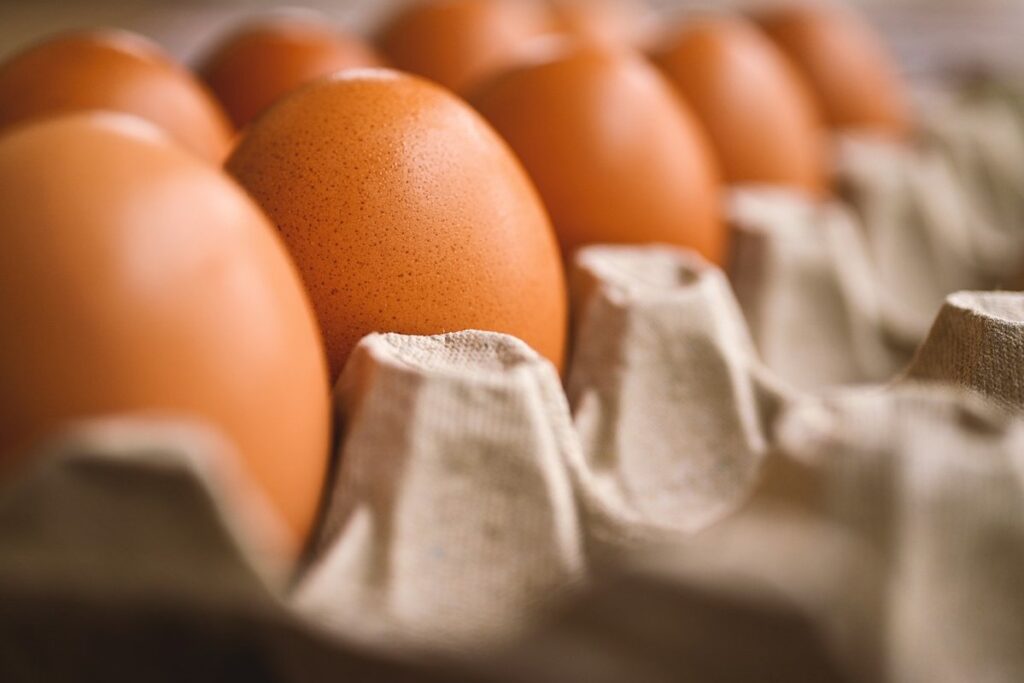
When it comes to brown eggs from Jersey Giant hens, you can expect a rich, earthy hue that’s both beautiful and nutritious. The shell texture is often described as smooth and even, with a subtle sheen that hints at the richness inside. Brown eggs from these birds are typically larger than those produced by other breeds, with an average size of around 2.5-3 inches long and 1.75-2 inches wide.
Many reputable breeders and flocks have successfully raised Jersey Giants to produce high-quality brown eggs. For instance, the renowned Heritage Breed Poultry Farm in New York is known for its exceptional egg-laying Jersey Giants, which produce large, dark-brown eggs with a rich, creamy yolk. If you’re interested in raising your own Jersey Giants, look for breeders who prioritize genetic diversity and healthy breeding practices to ensure that your birds are producing the best possible eggs.
When it comes to selecting a flock or breeder, don’t be afraid to ask about egg production rates, as well as the overall health and happiness of their birds. By choosing high-quality stock, you’ll not only be getting delicious brown eggs but also supporting sustainable farming practices.
Blue-Green Eggs from Jersey Giants
Blue-green eggs are a rare and unique trait found in some Jersey Giant chickens. These eggs owe their distinctive color to the way the pigments break down under light. As a result, they can appear anywhere from a soft blue to a vibrant green hue.
One notable breeder of blue-green egg-laying Jersey Giants is [Breeder’s Name], who has successfully bred flocks that consistently produce these extraordinary eggs. According to this breeder, achieving the right combination of genetics and nutrition is key to bringing out the blue-green coloration in the eggs.
To increase your chances of hatching a blue-green egg layer from your existing flock, you should look for individuals with the following traits: high egg production rates, an active foraging behavior, and a diet rich in omega-3 fatty acids. Additionally, ensure that your flock’s living conditions are well ventilated, as this can also affect eggshell coloration.
Keep in mind that blue-green eggs are still relatively rare among Jersey Giants, so it may take some time to find the right combination of genetics within your flock. However, with patience and dedication, you too can join the ranks of breeders who have successfully cultivated these unique birds.
Health Considerations for Jersey Giant Chickens Laying Eggs
When it comes to collecting eggs from your Jersey Giant flock, there are some health considerations to be aware of to ensure a safe and healthy harvest for both you and your birds. This section addresses those concerns.
Nutrition and Eggshell Color
A balanced diet is crucial for maintaining healthy eggshell color and overall well-being of Jersey Giant chickens. The key to a nutritious diet lies in providing essential vitamins and minerals that promote strong eggshell production. Vitamin D3, calcium, and phosphorus are among the most critical nutrients required for healthy eggshells.
These minerals work together to form a sturdy shell that protects the egg from damage during laying. A deficiency in any of these nutrients can lead to weakened shells, making eggs more susceptible to breakage. For instance, if your flock is not receiving adequate calcium, you may notice an increase in soft-shelled or cracked eggs.
To ensure your Jersey Giants are getting the necessary nutrients, consider supplementing their diet with a balanced feed that contains a mix of vitamins and minerals. You can also provide fresh fruits and vegetables daily to boost their nutrient intake. For example, offering dark leafy greens like kale and spinach will provide an extra dose of calcium and other essential minerals.
Remember, every flock is different, so it’s crucial to monitor your birds’ eggshell quality regularly and adjust their diet accordingly. By doing so, you’ll be able to optimize their egg production and enjoy the unique benefits of their stunning egg colors for years to come.
Environmental Factors Affecting Egg Quality
When it comes to raising Jersey Giant chickens for their unique egg color, environmental factors play a crucial role in determining the quality and appearance of their eggs. Light exposure is one such factor that significantly affects egg quality. Chickens require adequate light to produce eggs with strong, healthy shells. A study by the University of California showed that hens laying eggs under sufficient lighting conditions have a 20% higher egg production rate compared to those without sufficient light.
Temperature and humidity also impact egg quality. Jersey Giants prefer temperatures between 40°F and 80°F (4°C and 27°C), with optimal temperature ranging around 70°F (21°C). When the environment is too hot or cold, eggshell production can suffer, leading to weak shells and poor egg appearance. Maintaining a stable humidity level, ideally between 50-60%, will help prevent dehydration of the eggs and promote healthy shell development.
By providing your Jersey Giants with optimal light exposure, temperature, and humidity conditions, you can ensure they lay high-quality eggs with vibrant colors that meet your expectations.
Tips for Raising Healthy Jersey Giant Chickens for Egg Production
To ensure your Jersey Giants thrive and produce a steady supply of eggs, we’ll cover some essential tips for raising healthy birds. This includes nutrition, habitat, and health considerations to keep them in top shape.
Breeding Programs and Selection
When it comes to breeding programs and selection for Jersey Giant chickens, there are several key considerations to keep in mind if you want to emphasize desirable traits such as consistent eggshell color. One of the most important factors is selecting breeding stock with a proven track record of producing eggs with a uniform color.
To achieve this, look for breeders who have selectively bred their flock over time to enhance specific characteristics. This can be done through various methods, including linebreeding and inbreeding, which involve mating birds that are closely related but still produce offspring with desirable traits. For instance, if you’re looking for chickens that lay eggs with a distinctive green or blue tint, seek out breeders who have focused on developing this trait over several generations.
Another essential aspect of breeding programs is genetic diversity. While it may seem counterintuitive to prioritize diversity when selecting breeding stock, it’s crucial for maintaining the overall health and resilience of your flock. This means choosing birds from different lines or even breeds that are known for their eggshell color consistency. By incorporating diverse genetics into your breeding program, you’ll be better equipped to handle potential challenges and ensure a steady supply of high-quality eggs.
Management Strategies for Optimal Egg Production
To maximize egg production from your Jersey Giant flock, you must prioritize their health, nutrition, and living conditions. A balanced diet is essential for optimal egg-laying, so ensure your birds have access to a high-quality layer feed that meets their nutritional needs. You can supplement their diet with fresh fruits and vegetables, but avoid overfeeding as this can lead to health issues.
Provide a clean, spacious living environment by maintaining regular cleaning schedules and ensuring adequate ventilation. A well-organized coop will reduce stress on your birds, promoting overall health and productivity.
Consider implementing some egg-friendly strategies such as providing oyster shells for calcium supplementation and incorporating dust baths into their routine to stimulate natural behaviors and maintain hygiene.
Regular flock checks can also help you identify any potential issues early on. Monitor egg production daily, looking out for signs of stress or illness that could be impacting your birds’ ability to lay eggs regularly.
Case Studies: Notable Breeders or Flocks Producing High-Quality Eggs from Jersey Giants
Let’s take a look at some real-life examples of top-notch breeders and flocks successfully producing stunning eggs from their Jersey Giant hens. You’ll see how they achieve this remarkable result in the following case studies.
Best Practices and Lessons Learned
When it comes to raising Jersey Giant chickens for their unique egg color, there are several notable breeders and flocks that have achieved significant success. One such example is Sunny Meadows Farm, a family-owned operation in the Pacific Northwest that has been breeding Jersey Giants for over two decades.
Sunny Meadows Farm’s founder, Sarah Johnson, attributes her flock’s success to a combination of careful selection and attention to detail. “We’ve been working with this breed for so long that we’ve developed a keen eye for identifying the individuals with the most vibrant egg color,” she says. To achieve this, Johnson notes that they focus on selecting birds with high-quality conformation, strong immune systems, and optimal nutrition.
Another key strategy employed by Sunny Meadows Farm is providing their flock with a diverse and nutrient-rich diet. “We use a custom blend of grains, fruits, and vegetables to ensure our girls get everything they need to lay the most beautiful eggs possible,” Johnson explains. This approach has resulted in an average egg color score of 9/10, with some birds laying eggs that are truly show-stopping.
However, Johnson also acknowledges the challenges she’s faced over the years. “One of the biggest hurdles we’ve encountered is managing parasite loads and maintaining a clean living environment,” she admits. To combat this issue, Sunny Meadows Farm has implemented strict biosecurity protocols, including regular cleaning and disinfecting of coops and runs.
For aspiring breeders looking to replicate Sunny Meadows Farm’s success, Johnson offers the following advice: “Start by selecting high-quality birds from reputable sources, and be prepared to invest time and effort into building a strong foundation for your flock. Pay attention to every detail – from diet to living conditions – as these factors will greatly impact the quality of your eggs.”
Ultimately, achieving success with Jersey Giant chickens requires dedication, patience, and a commitment to producing high-quality birds that meet the breed’s unique standards. By studying the approaches used by experienced breeders like Sunny Meadows Farm, aspiring flock owners can learn valuable lessons and apply them to their own operations.
In terms of specific tips for managing parasite loads and maintaining optimal health, Johnson recommends:
* Regularly monitoring your flock’s health and taking prompt action if you notice any signs of illness or stress
* Implementing a robust sanitation program that includes daily cleaning and disinfecting of coops and runs
* Providing access to fresh water, nutritious food, and adequate shelter for your birds
By following these best practices and staying committed to producing high-quality birds, you can join the ranks of successful breeders like Sunny Meadows Farm and enjoy the satisfaction of raising Jersey Giants that lay truly unique and beautiful eggs.
Frequently Asked Questions
Can I breed my own Jersey Giant chickens for egg production?
Yes, breeding your own Jersey Giants can be a rewarding experience, but it requires careful planning and consideration of genetics, nutrition, and health factors to ensure optimal egg quality. Research reputable breeders, understand the importance of genetic diversity, and prioritize health considerations when selecting birds for your flock.
How do I ensure my Jersey Giant chickens are getting the necessary nutrients for healthy egg production?
Nutrition plays a vital role in determining egg color and quality. Provide a balanced diet rich in calcium, protein, and essential vitamins, including vitamin D3. Consider supplementing with probiotics or other additives to promote gut health and optimize nutrient absorption.
Can Jersey Giant chickens produce eggs of different colors if I introduce new birds to the flock?
Yes, introducing new birds can lead to genetic diversity, which may result in varied egg colors. However, ensure that all birds are healthy and well-acclimated before introducing them to your existing flock. Monitor their adaptation and adjust feeding strategies as needed to promote optimal egg production.
How do I manage the environmental factors affecting my Jersey Giant chickens’ egg quality?
Environmental factors like temperature, humidity, and light exposure can impact egg quality. Ensure adequate ventilation, maintain a comfortable temperature range (around 50-70°F), and provide a balanced light-dark cycle to simulate natural conditions. Regularly inspect your flock’s living quarters for potential health risks.
Can I use any eggs laid by my Jersey Giant chickens in cooking or baking?
While it’s tempting to use fresh eggs from your own flock, it’s essential to ensure they’re safe for consumption. Wash your hands thoroughly before handling eggs, and store them properly to prevent contamination. Be aware of local regulations regarding backyard egg sales or sharing, and prioritize food safety guidelines when using eggs in cooking or baking.