
If you’re raising Rhode Island Reds for their signature eggs, chances are you’ve noticed that their shells come in a variety of colors. From deep brown to speckled whites and even olive green, each egg is unique. But did you know that by creating an egg color chart, you can track the genetic traits of your flock and make informed decisions about breeding? It may seem like a simple task, but understanding the nuances of Rhode Island Red egg colors can be a game-changer for backyard chicken keepers looking to maximize their flock’s potential. In this article, we’ll show you how to create an effective egg color chart, including tips on recording and interpreting egg colors, selecting for desired traits, and unlocking your flock’s full potential.
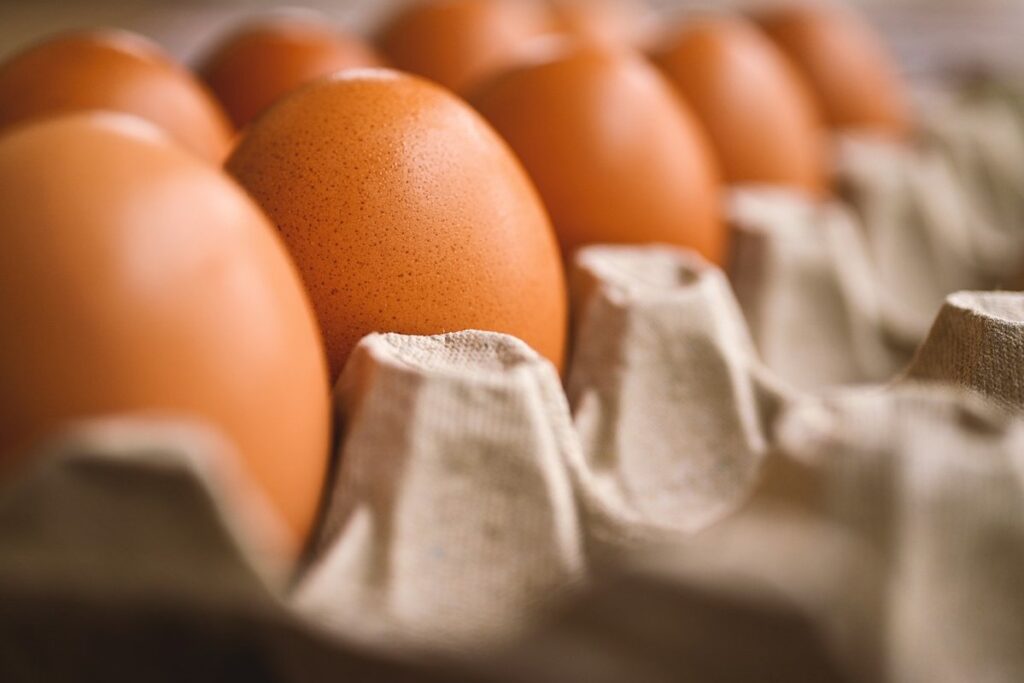
Understanding Rhode Island Red Chickens
Rhode Island Red chickens are known for their rich egg-laying abilities, but have you ever wondered why the eggs come in such a variety of colors? Let’s take a closer look at what influences the color of your Rhode Island Red chicken‘s eggs.
Origin and History of the Breed
The Rhode Island Red breed has a rich and fascinating history that spans over 150 years. Originating from the small island of Aquidneck, off the coast of New England in the United States, this hardy and versatile bird was first bred in the mid-19th century. Initially developed for its exceptional laying abilities, the Rhode Island Red quickly gained popularity among farmers due to its high egg production and strong constitution.
By the early 20th century, the breed had spread across the globe, becoming one of the most sought-after chicken breeds worldwide. Today, you can find Rhode Island Reds on farms and in backyards from the United States to Australia, Europe, and Asia. This widespread popularity is largely due to their remarkable egg-laying abilities, with some hens producing up to 200 brown eggs per year.
Despite its global reach, the Rhode Island Red remains closely tied to its New England roots, where it was first bred. Its enduring reputation as a reliable and hardy breed has made it a favorite among backyard chicken keepers and commercial farmers alike.
Characteristics of Rhode Island Reds
Rhode Island Reds are one of the most popular breeds among backyard farmers and commercial producers due to their exceptional characteristics. They have a distinctive appearance, with rich chestnut-brown feathers and a golden sheen that gives them a warm, sun-kissed look.
In terms of temperament, Rhode Island Reds are known for being friendly, docile, and easy-going. They’re a great choice for families or small farms where interaction is desired. However, they can also be quite energetic, requiring regular exercise to keep them happy and healthy.
When it comes to egg-laying abilities, Rhode Island Reds are prolific producers, laying an average of 200-220 brown eggs per year. This makes them an excellent choice for those looking for a reliable source of fresh eggs. To maximize their egg-laying potential, ensure they have access to a balanced diet, plenty of fresh water, and adequate space to roam.
Their robust health and high fertility rates also make them a favorite among producers. By understanding these characteristics, you can better prepare yourself to care for your Rhode Island Reds and reap the rewards of their exceptional egg production.
Egg Colour Variations in Rhode Island Reds
Rhode Island Red eggs come in a range of fascinating colours, and understanding these variations is crucial for any chicken keeper or breeder. Let’s dive into the beautiful egg colour spectrum of this beloved breed.
How Egg Colour is Determined
Egg colour is determined by a combination of genetic, nutritional, and environmental factors. Genetics play a significant role, with specific breeds like Rhode Island Reds inheriting their characteristic brown egg colour from their ancestors. However, even within the same breed, individual birds can produce eggs with varying shades of brown due to genetic variations.
Nutrition also influences egg colour. Hens that consume diets rich in certain pigments, such as beta-carotene and lutein, tend to lay eggs with deeper, more vibrant colours. For example, a diet supplemented with marigold petals has been shown to increase the intensity of egg yolks. On the other hand, deficiencies in these nutrients can result in lighter or more washed-out egg colours.
Environmental factors also come into play. Exposure to sunlight and UV radiation can cause egg whites to become thicker and more opaque, leading to a lighter egg colour. Conversely, hens raised indoors without natural light may produce eggs with paler yolks. By understanding the interplay between genetics, nutrition, and environment, breeders and owners can work together to optimize egg production and colour in Rhode Island Reds.
Common Egg Colour Shades in Rhode Island Reds
When it comes to egg colour variations in Rhode Island Reds, one of the most notable aspects is the range of brown shades. In fact, you can expect to find eggs in light brown, medium brown, dark brown, and even speckled varieties.
The light brown eggs are often described as a pale golden brown or beige hue. These eggs tend to be produced by hens that have a slightly cooler temperament or are less exposed to sunlight. Medium brown eggs, on the other hand, are the most common variety among Rhode Island Reds. They range from a rich chocolate brown to a darker walnut colour and are often associated with healthy hens.
Dark brown eggs are typically laid by hens that are more mature or have been fed a diet rich in omega-3 fatty acids. These eggs can appear almost black, but don’t worry – they’re still perfectly safe for consumption. As for speckled eggs, these unique variations usually result from genetic combinations that create small patches of lighter brown on the eggshell.
When it comes to predicting which shade your Rhode Island Red will lay, consider factors like diet, environment, and genetics. While there’s no foolproof way to guarantee a specific colour, you can encourage healthy laying habits by providing a balanced diet rich in nutrients and offering plenty of space for exercise.
Factors Affecting Egg Colour Intensity
When it comes to Rhode Island Red eggs, several factors can influence their colour intensity, including the hen’s age and nutrition. Let’s take a closer look at what affects these vibrant colours.
Nutritional Influences on Egg Colour
When it comes to the vibrant colour of Rhode Island Red eggs, their diet plays a significant role in determining the intensity of that colour. Carotenoids, particularly lutein and zeaxanthin, are responsible for the orange and yellow hues you see in those eggs. These pigments are derived from plants rich in beta-carotene, such as leafy greens like kale and spinach, as well as carrots and sweet potatoes.
A balanced diet that includes a mix of these carotenoid-rich foods will ensure that your Rhode Island Reds produce eggs with the most intense colour possible. Vitamin E also plays a crucial role in maintaining healthy egg yolks and intensifying their colour. It helps protect the yolk from oxidation, which can lead to duller, less vibrant colours.
To boost the carotenoid content in your flock’s diet, consider adding free-range or pasture-raised options to their feed mix. This will allow them to forage for a variety of nutrient-rich plants and insects that are packed with beta-carotene and other essential vitamins and minerals.
Environmental Factors Impacting Egg Colour
As you explore the unique characteristics of Rhode Island Red egg colour, it’s essential to consider the environmental factors that can impact their hue. You may notice variations in egg colour depending on the age of the hen, with younger birds producing lighter eggs and mature hens laying darker ones. This phenomenon is due to the increase in pigment production as the bird matures.
Lighting conditions also play a crucial role in influencing egg colour. Hens exposed to natural light tend to lay eggs with deeper, richer colours compared to those kept in dimly lit environments. For instance, eggs laid by Rhode Island Reds kept outdoors will often display more vibrant shades than those from birds confined indoors.
Temperature fluctuations can also affect egg colour, with some breeders noticing a change in hue during different seasons. While these variations may seem subtle, they’re worth noting when tracking the egg colour patterns of your Rhode Island Red flock.
Creating an Egg Colour Chart for Your Flock
Now that you have a better understanding of what Rhode Island Red eggs can look like, it’s time to create your own egg colour chart for your flock. This will help you track any changes over time and breed consistency.
Why Use an Egg Colour Chart
Tracking egg colours can be a crucial aspect of maintaining the health and well-being of your Rhode Island Red flock. By monitoring changes in colour intensity, shade, and pattern, you may identify potential issues before they become major problems.
For instance, pale or washed-out eggs could indicate a nutritional deficiency, such as a lack of calcium or vitamin D. On the other hand, dark or irregularly coloured eggs might suggest an underlying health issue, like an infection or disease. By regularly checking your flock’s egg colours, you can take proactive steps to address any potential problems.
To get started, it’s essential to create a reference chart with distinct colour shades and patterns associated with optimal versus suboptimal egg production. This will enable you to quickly identify any deviations from the norm. You can use online resources or consult with experienced breeders to develop an accurate chart tailored to your flock’s needs.
By using an egg colour chart, you’ll be better equipped to detect issues early on and take corrective action, ultimately leading to a healthier and more productive flock.
Tips for Recording and Interpreting Egg Colours
Recording and interpreting egg colours is an essential part of creating a comprehensive Rhode Island Red egg colour chart. To start, you’ll need to collect data on the egg colours laid by each bird. This can be done by individually marking each hen’s eggs with a unique identifier, such as a number or letter combination.
Next, take note of the following characteristics for each egg:
* Overall colour: Describe the dominant colour of the egg in terms of hue (e.g., pink, yellow, brown) and intensity (e.g., light, medium, dark).
* Colour distribution: Note whether the colour is evenly distributed across the egg or if there are any notable markings or patches.
* Speckling: Record the number and size of speckles present on the egg.
When interpreting this data, look for patterns and trends within your flock. For example, do certain hens lay eggs with consistent colour characteristics? Are there any correlations between egg colour and age, breeding history, or environmental factors?
Regularly monitoring and recording egg colours will help you identify any changes or anomalies in your flock’s production. This information can be invaluable for making informed decisions about breeding, nutrition, and overall flock health.
Using an Egg Colour Chart for Breeding Purposes
When breeding Rhode Island Reds, knowing how to identify and interpret egg color variations is crucial. This section will walk you through using an egg colour chart effectively in your breeding program.
Selecting for Desired Traits in Your Flock
When selecting for desired traits in your flock using an egg colour chart, it’s essential to understand that consistent egg color is not solely determined by genetics. Factors such as diet, environment, and individual bird characteristics can also influence the appearance of eggs. For instance, a high-quality layer feed can enhance egg yolk pigmentation.
To identify Rhode Island Red chickens with desirable traits, use an egg colour chart to track patterns in your flock’s egg-laying habits. Look for birds that consistently produce dark-brown or chocolate-brown eggs, as these colors are typically associated with higher fertility rates and better overall health.
By focusing on the most productive and consistent layers, you can breed Rhode Island Reds that excel in multiple areas, including egg production, fertility, and temperament. Regularly monitoring your flock’s performance and adjusting your breeding strategy accordingly will help you achieve your goals more efficiently.
Recording and Analyzing Genetic Data
Recording and analyzing genetic data is crucial when breeding Rhode Island Reds. By tracking egg coloration, you can make informed decisions about which birds to breed together, helping you achieve your desired traits. Start by keeping a record of each bird’s egg color – note the intensity, pattern, and any variations. This will give you valuable insights into their genetic makeup.
When analyzing this data, look for patterns and trends. For instance, if multiple eggs from a particular rooster exhibit a specific color or pattern, it may indicate that he is contributing to those traits in his offspring. Conversely, if most of the eggs are light-colored, it could suggest that the rooster is passing on genes that dilute egg color intensity.
Consider using software like Pedigree Analyzer or BreedLogic to help you manage and analyze your data. These tools allow you to track individual bird performance, including egg color, over multiple generations. By doing so, you’ll be better equipped to make informed decisions about which birds to breed together to achieve your desired breeding goals.
Conclusion: Maximizing Your Flock’s Potential
Now that you’ve learned about the different egg colors your Rhode Island Reds can produce, let’s discuss how to maximize their potential and get the most from your flock.
Putting it all Together – A Holistic Approach
As you’ve navigated this comprehensive guide on Rhode Island Red egg color chart, it’s essential to remember that each element we’ve discussed is interconnected. When working with your flock, it’s not just about understanding the various eggshell colors and their characteristics; it’s also about creating an environment that supports optimal health and productivity.
To put it all together, consider a holistic approach when managing your Rhode Island Red hens. This means taking into account factors such as nutrition, living conditions, and individual bird personalities. A balanced diet rich in essential vitamins and minerals will directly impact the quality of eggs produced by your flock. For instance, adequate calcium intake is crucial for strong eggshell production.
Moreover, the living environment plays a significant role in your Rhode Island Reds’ overall well-being. Ensure that your coop provides sufficient space, ventilation, and protection from harsh weather conditions. This can help minimize stress levels within the flock, leading to improved productivity and better egg quality.
In terms of individual bird characteristics, it’s worth noting that some hens may naturally produce more vibrant or diverse eggs than others. By understanding and appreciating these unique traits, you can work with your flock’s natural tendencies rather than against them.
To maximize your Rhode Island Red flock’s potential, incorporate the following tips into your daily routine:
* Monitor and adjust their diet based on individual needs
* Maintain a clean and well-ventilated coop to minimize stress levels
* Provide adequate space for exercise and socialization
* Encourage natural behavior by allowing hens to forage and engage in activities they enjoy
Frequently Asked Questions
What if I have a small flock with mixed breeds? Can I still use an egg color chart to track their genetic traits?
Yes, you can still use an egg color chart for your mixed-breed flock. While it may be more challenging to identify specific genetic traits, the chart will help you track and compare the egg colors of different birds, allowing you to make informed decisions about breeding. Keep in mind that you’ll need to consider multiple variables when selecting for desired traits.
How often should I record and update my egg color chart?
Regularly recording and updating your egg color chart is essential to tracking changes in your flock’s genetic traits. Try to record egg colors at least once a week, ideally during the peak laying season (around 18-24 weeks of age). Update your chart as new eggs are laid, taking note of any significant changes or patterns.
Can I use an egg color chart for other breeds besides Rhode Island Reds?
While this article focuses on Rhode Island Reds, the principles of using an egg color chart can be applied to other breeds. However, you’ll need to research and understand the unique characteristics and traits specific to your breed. Be aware that some breeds may have fewer genetic variations in egg color.
How do I know which egg colors are desirable for breeding purposes?
Desirable egg colors will depend on your specific breeding goals and preferences. Research the ideal egg color characteristics for your desired breed or trait, such as dark brown eggs with lighter speckles. Use your egg color chart to track these traits and make informed decisions about selecting birds for breeding.
Can I use an egg color chart to predict future egg production?
An egg color chart can provide valuable insights into your flock’s genetic potential, but it won’t directly predict future egg production. However, by tracking egg colors and identifying patterns, you may be able to infer the health and fertility of your birds, which can indirectly influence their ability to lay eggs.