
If you’re raising Rhode Island Red chickens, chances are you’ve noticed their eggs come in a variety of colours. But have you ever wondered what influences these eggshell hues? From genetics to nutrition, and breed history to environmental factors, there’s more at play than meets the eye. If you want to optimize your flock’s diet and select for desirable traits like vibrant orange or brown eggs, understanding how these variables interplay is crucial.
In this article, we’ll delve into the Rhode Island Red chicken egg colour chart, exploring the key factors that determine your hens’ eggshell colours. We’ll discuss how you can use genetics to predict your birds’ potential eggshell hues and provide tips on how to influence their diet to enhance egg quality. Whether you’re a seasoned breeder or just starting out, this guide will help you better understand and manage the variables affecting your Rhode Island Red chickens’ eggs.
Understanding Rhode Island Red Chickens
When it comes to understanding Rhode Island Red chickens, one of the most fascinating aspects is their ability to lay eggs in a wide range of colors. Let’s dive into what influences these eggshell hues.
Origin and History of the Breed
The Rhode Island Red breed has a rich and fascinating history that dates back to the early 19th century. Originating from New England, specifically in Little Compton, Rhode Island, this hardy and versatile bird was developed by crossing various breeds such as the Cochin, Malay, and Dominique. The breed’s unique characteristics, including its vibrant red plumage, high egg production, and robust build, made it an instant favorite among farmers.
By the mid-1800s, the Rhode Island Red had become a staple in American poultry farming, prized for its ability to thrive in harsh weather conditions and produce an impressive number of eggs. In fact, it’s said that a single Rhode Island Red hen could lay up to 300 eggs per year! This remarkable productivity, combined with their friendly and docile nature, made them an ideal choice for backyard farmers and homesteaders.
Today, the Rhode Island Red remains one of the most popular chicken breeds worldwide, and its egg-laying prowess is still unmatched.
Key Characteristics of Rhode Island Reds
Rhode Island Reds are one of the most popular backyard chicken breeds for good reason. Their exceptional egg-laying abilities are influenced by a combination of physical and temperamental traits that make them an ideal choice for many chicken keepers.
Physically, Rhode Island Reds are medium to large-sized birds with a sturdy build and broad wingspan. This robust frame enables them to produce large eggs consistently throughout their laying cycle. They also have a double-layered feathering system, which helps regulate body temperature and promotes overall health.
Temperamentally, Rhode Island Reds are known for their friendly and docile nature, making them an excellent choice for families with children or first-time chicken keepers. Their calm demeanor allows them to coexist peacefully with other birds in a flock, reducing stress and promoting a harmonious environment. This balance of physical and temperamental characteristics contributes significantly to their impressive egg-laying abilities, which can range from 200 to 300 brown eggs per year.
By understanding these key characteristics, you’ll be better equipped to provide your Rhode Island Reds with the optimal conditions for maximum egg production.
Factors Influencing Egg Colour in Rhode Island Reds
Egg colour can vary significantly among Rhode Island Red hens, influenced by factors such as age, nutrition, and breed consistency. Let’s explore these key influences together.
Genetics and Heredity
Genetics play a significant role in determining eggshell color in Rhode Island Reds. The breed’s eggs can display a range of colors due to the interaction between dominant and recessive traits.
In simple terms, when it comes to genetics, each trait is represented by a pair of alleles – one from each parent. If both parents contribute the same allele, that trait will be expressed. However, if they contribute different alleles, one will dominate the other. For eggshell color in Rhode Island Reds, the dominant gene for brown eggs is B, while the recessive gene for white eggs is b.
Understanding these genetic principles can help you predict eggshell colors based on your birds’ lineage. For instance, a hen that’s BB or Bb (where ‘B’ represents the dominant brown gene) will lay brown eggs, whereas one that’s bb (with two recessive genes) will produce white eggs. This knowledge is particularly useful when breeding Rhode Island Reds for specific eggshell colors. By selecting birds with desirable traits, you can increase the chances of your flock producing eggs with consistent coloration.
Nutrition and Diet
When it comes to egg colour, nutrition plays a significant role in determining the pigmentation of both the yolk and shell. As a Rhode Island Red chicken owner, understanding how different vitamins and minerals affect egg production can help you make informed decisions about your flock’s diet.
Vitamins A and E are crucial for maintaining healthy egg yolks and shells. These antioxidants protect cells from damage, which in turn affects pigmentation. For example, vitamin A deficiency has been linked to pale or washed-out yolk colouration. On the other hand, a balanced intake of vitamin E can result in deeper yellow or orange hues.
Minerals like iron and copper also impact egg colour. Iron is essential for transporting oxygen throughout the body, which affects the production of haemoglobin – an essential component in red blood cells that gives eggs their characteristic colour. Similarly, copper plays a role in melanin synthesis, contributing to the formation of darker pigments in the yolk.
Providing a balanced diet rich in these nutrients will help you optimize your Rhode Island Red’s egg colour. Ensure they have access to fresh vegetables, fruits, and high-quality grains. A general rule of thumb is to allocate 15-20% of their daily calorie intake towards vegetables and fruits.
Egg Colour Chart for Rhode Island Reds
If you’re raising Rhode Island Reds, knowing what their eggs will look like is crucial. In this section, we’ll outline the typical colours and patterns of RI Red chicken eggs.
Stage 1: Broody and First Eggs
When you first bring home your Rhode Island Red chicks, it’s not uncommon for them to be broody and start laying eggs soon after. At this stage, their egg-laying process is just beginning, and the colours may vary from white to brown or other hues.
As a general rule, Rhode Island Reds typically take around 18-24 weeks (4-6 months) to mature and start laying eggs consistently. However, some females might lay their first eggs earlier, around 16-17 weeks. When this happens, you’ll likely notice that the eggs are white or very light brown in colour.
It’s essential to note that the egg-laying process can be a gradual one, with the colours changing over time. As your Rhode Island Reds mature, you can expect the eggs to darken and become more uniformly brown. On average, it takes around 2-3 months for the eggs to reach their full colour intensity.
If you’re concerned about the initial egg-laying process or notice any irregularities in your flock’s behaviour, be sure to consult with a veterinarian or poultry expert for guidance.
Stage 2: Established Layers
As your Rhode Island Reds reach maturity around 18-24 weeks, you’ll start to notice their egg colours stabilizing. This is a crucial period where the eggs will begin to take on their characteristic shade and pattern. At this stage, the eggs will likely be more consistent in colour, making it easier to predict what to expect from your flock.
In general, Rhode Island Red hens tend to lay eggs that are a range of brown shades, with some having distinctive speckles or freckles. As they mature, their egg colours will become less unpredictable and more uniform. For example, you might find that one hen lays eggs with dark chocolate-brown shells, while another produces eggs with lighter beige or tan undertones.
To ensure consistent egg production during this stage, make sure your girls are getting enough protein-rich feed to support their developing reproductive systems. Adequate calcium intake is also essential for maintaining strong eggshell quality. By providing a balanced diet and regular access to fresh water, you’ll be well on your way to enjoying a steady supply of beautiful, brown eggs from your Rhode Island Red hens.
Breed Variations and Egg Colour Differences
As you’ve likely noticed, Rhode Island Reds can come in a range of eggshell colours, including variations that affect their shade. We’ll dive into these differences next.
Subtle Shades of Brown
One of the most interesting aspects of Rhode Island Red chickens is the subtle variations in eggshell color that can occur within the breed. While the eggs are predominantly brown, they can also range from light-brown to dark-brown, and even exhibit other hues such as olive or golden tones.
If you’re a breeder or owner of Rhode Island Reds, it’s essential to understand these differences, not only for aesthetic reasons but also to identify potential health issues. For instance, eggs with an unusual color may indicate a nutritional imbalance or an underlying health problem.
To distinguish between the various shades of brown, look for the following characteristics:
• Light-brown eggs: These have a pale, golden hue and are often laid by younger hens.
• Dark-brown eggs: These have a rich, chocolate-like color and are typically laid by mature hens.
• Olive or greenish-brown eggs: These can occur when the hen’s diet is high in certain minerals, such as copper.
By recognizing these subtle variations, you’ll be better equipped to provide optimal care for your flock and ensure their health and well-being.
Rare or Unusual Colours
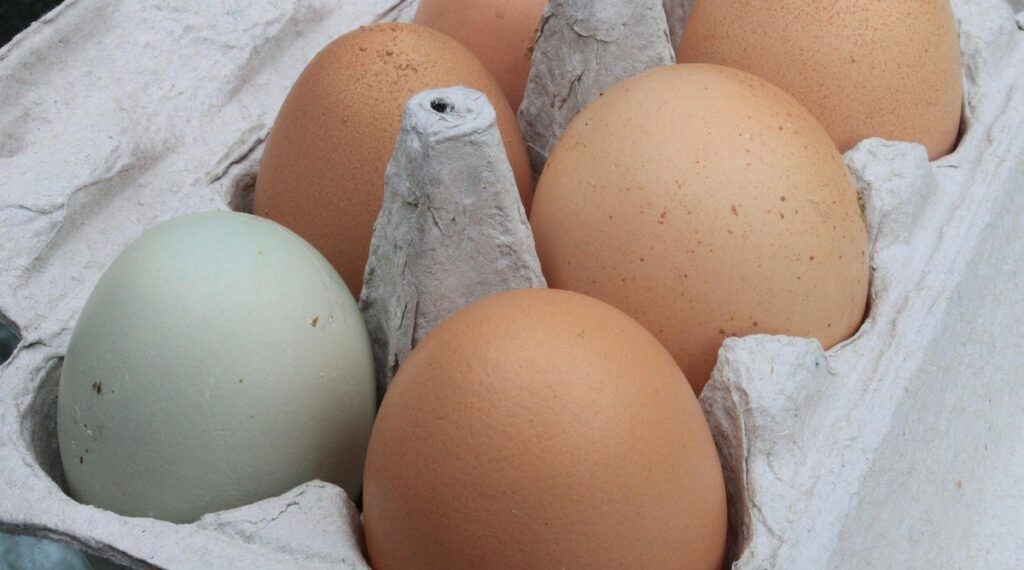
While Rhode Island Reds are known for their rich, reddish-brown eggs, some hens may surprise you with rare and unusual egg colours. These unique eggs can be a delightful bonus for backyard chicken keepers, but they’re not entirely uncommon.
One of the most striking examples is blue eggs. This is due to a genetic variation that affects the production of pigment in the hen’s ovaries, resulting in an eggshell that appears blue-grey or slate-like. Green eggs are another rare occurrence, often caused by the interaction of two specific genes that influence eggshell pigmentation.
Speckled eggs, on the other hand, can occur when tiny particles of pigment accumulate on the surface of the shell during formation. These specks may be white, pink, or even brown, depending on the individual hen’s genetic makeup.
If you’re lucky enough to own a Rhode Island Red that lays unusual-coloured eggs, consider this a sign of her unique genetic profile. While it’s impossible to predict which hens will produce rare eggs, regular egg collection and observation can help you identify any unusual patterns or colours in your flock.
Managing Egg Colour in Your Flock
When managing egg colour in your flock, it’s essential to understand how different factors can affect the appearance of your Rhode Island Red eggs. Let’s dive into what you can do to optimize their colour.
Tips for Optimizing Nutrition
Providing optimal nutrition for your Rhode Island Red flock is crucial to maintaining healthy egg-laying habits. A balanced diet will not only promote vibrant plumage but also support the production of high-quality eggs. One essential aspect to focus on is calcium intake, as it plays a vital role in eggshell formation.
Ensure that you’re offering a mix of dark leafy greens like kale and spinach, which are rich in calcium, along with oyster shells or crushed eggshells to supplement their diet. You can also add dried mealworms or sunflower seeds for added protein and nutritional benefits.
In addition to these dietary recommendations, consider the importance of vitamin D3 and B12 in maintaining healthy egg-laying habits. Include sources like alfalfa hay or meal, as well as scratch grains, to support your flock’s overall health.
When introducing new foods, do so gradually to prevent digestive upset. Monitor your birds’ responses closely and make adjustments accordingly. By prioritizing the nutritional needs of your Rhode Island Red flock, you’ll be well on your way to promoting vibrant egg-laying habits and healthy egg production.
Breeding and Selection Strategies
Selective breeding is a crucial aspect of managing eggshell colour in your flock. By carefully selecting birds with desirable traits, you can influence the eggshell colour of your Rhode Island Red chickens. This is particularly important for breeders who want to maintain consistency and quality in their flocks.
When it comes to eggshell colour, certain genetic factors come into play. The genetics that control eggshell colour are complex and influenced by multiple genes. By selectively breeding birds with specific traits, you can increase the likelihood of passing on desired characteristics to your offspring. For example, if you want to breed chickens with brown eggs, you would select birds that lay brown eggs as parents.
It’s essential to note that selection for eggshell colour should be done carefully and in conjunction with other desirable traits, such as fertility and hatchability. By balancing these factors, you can create a flock that not only produces eggs of the desired colour but also maintains overall health and productivity.
Frequently Asked Questions
What are the chances of my Rhode Island Red chickens laying rare or unusual egg colours?
Your hens’ potential to lay rare or unusual colours is influenced by their genetics, diet, and breed history. While it’s impossible to predict with certainty, you can select for desirable traits through breeding strategies. Focus on introducing genetic diversity and providing a balanced diet rich in essential nutrients. This will increase the likelihood of your flock producing unique eggshell hues.
Can I influence my Rhode Island Red chickens’ egg colours by adjusting their nutrition?
Yes, dietary factors play a significant role in determining eggshell colour. Ensure your hens receive a well-balanced diet rich in vitamins A and E, calcium, and phosphorus. These nutrients will promote healthy egg production and contribute to vibrant eggshell colours.
How do I know which Rhode Island Red chickens are most likely to produce eggs with specific hues?
Consult the breed’s genetic profile and consider your flock’s overall health and nutrition. Look for birds that have consistently produced eggs with desirable traits in their parents or grandparents. This will give you an idea of their potential eggshell colour.
Can I expect my Rhode Island Red chickens’ egg colours to change over time as they mature?
Yes, your hens’ eggshell colours may change slightly as they age and become established layers. Typically, eggs produced by young birds (in Stage 1: Broody and First Eggs) are lighter in colour than those from mature birds (in Stage 2: Established Layers). Monitor your flock’s egg production and make adjustments to their diet or breeding program accordingly.
How can I manage egg colour variations in my Rhode Island Red flock?
To maintain consistency, breed for desirable traits through strategic selection. Encourage genetic diversity by introducing new bloodlines while maintaining a balanced diet rich in essential nutrients. This will help minimize variations in eggshell colours and promote overall health within your flock.