
If you’re an avid chicken keeper or just starting out, you’ve likely heard that Rhode Island Reds are known for their impressive egg-laying abilities. But did you know that these birds are also famous for producing a stunning range of eggshell colors? From light brown to dark chocolate, the egg color range of Rhode Island Reds can be quite varied. As it turns out, nutrition, health, and management strategies all play a significant role in determining the color of their eggs. In this article, we’ll delve into the fascinating world of Rhode Island Red chicken eggshell colors, exploring what influences them and why they’re so important to consider as a backyard chicken keeper.
Introduction to Rhode Island Red Chickens
If you’re new to raising Rhode Island Reds, understanding their unique egg-laying characteristics is essential for getting the most out of these hardy hens. Let’s dive into what makes them so special when it comes to egg color!
Origin and History of the Breed
The Rhode Island Red’s rich history is deeply intertwined with its success as one of the most popular breeds in the world. Originating in the mid-1800s in Little Compton, Rhode Island, this breed was developed by crossing various local fowl with Asiatic chickens. The primary goal was to create a hardy, heat-resistant bird that could thrive in New England’s challenging climate.
The breed quickly gained popularity for its exceptional egg-laying abilities, producing an average of 200-300 brown eggs per year. This impressive output caught the attention of poultry enthusiasts and farmers alike, leading to widespread adoption across the United States. By the early 20th century, the Rhode Island Red had become a staple in American backyard flocks and commercial farms.
As we explore the egg color variations of this iconic breed, it’s essential to understand the breed’s history and development. The Rhode Island Red’s origins have contributed significantly to its robust health, high egg production, and diverse color range – all factors that will be crucial in understanding the various shades you’ll encounter as we delve into the world of Rhode Island Red chicken eggs.
Key Characteristics of the Breed
The Rhode Island Red chicken breed is renowned for its striking appearance and impressive egg-laying abilities. One of the breed’s most distinctive features is its feather pattern, characterized by a rich reddish-brown plumage with black tails and wing bars. The beak shape of the Rhode Island Red is also noteworthy, being relatively straight and strong. These physical characteristics make them easily recognizable in any backyard flock.
When it comes to egg-laying, Rhode Island Reds are renowned for their high productivity. They are capable of laying around 200-220 large brown eggs per year, making them an excellent choice for small-scale farmers and backyard chicken keepers alike. One key aspect of the breed’s egg-laying abilities is its consistency – they tend to lay eggs regularly throughout the year, with a peak production period typically occurring between March and September.
It’s worth noting that while Rhode Island Reds are prolific layers, their egg size can vary slightly depending on individual bird characteristics and diet.
Egg-Laying Patterns and Productivity
Rhode Island Red chickens are prolific layers, but their egg-laying patterns can vary significantly from one bird to another. In this section, we’ll explore what influences their productivity.
Average Daily Egg Production
When it comes to egg production, Rhode Island Reds are known for their impressive productivity. On average, a healthy Rhode Island Red hen will lay around 200-220 brown eggs per year, which translates to about 5-6 eggs per week or roughly 1 egg per day.
However, factors such as nutrition, health, and living conditions can significantly influence an individual bird’s egg-laying patterns. For instance, a well-fed Rhode Island Red on a balanced diet will likely lay more eggs than one that’s malnourished or lacking essential nutrients.
Climate also plays a significant role in determining egg production. In ideal temperatures between 40°F and 80°F (4°C to 27°C), your Rhode Island Red is more likely to produce consistently. Conversely, extreme heat or cold can impact their overall productivity.
It’s worth noting that individual birds may have varying levels of egg production due to genetics and other factors. Experienced breeders often record and track the performance of their birds to identify patterns and optimize feeding and care strategies accordingly.
Factors Affecting Egg Laying in RIRs
Egg laying in Rhode Island Reds (RIRs) can be significantly impacted by various factors. Nutrition plays a vital role, and ensuring that your flock receives the right balance of protein, calcium, and other essential minerals is crucial for maintaining egg production. A diet rich in oyster shells or crushed eggs provides the necessary calcium to support strong shell formation.
Light exposure also affects egg laying, with most breeds requiring around 14 hours of daylight to maintain optimal production. However, RIRs are known to be relatively cold-hardy and can tolerate shorter days without a significant drop in egg production.
Maintaining good health is essential for continued egg laying. Factors such as disease, parasites, and stress all contribute to reduced egg output. Regular vaccinations, parasite control measures, and monitoring for signs of illness or distress will help minimize the impact of these factors on your flock’s overall productivity.
By paying attention to nutrition, light exposure, and health, you can promote optimal egg laying in your Rhode Island Reds.
Egg Color Range: From Light Brown to Dark Chocolate
When it comes to Rhode Island Red chicken eggs, you might be surprised by the wide range of colors they can come in. In this section, we’ll explore the various shades you can expect from your RIR hens’ eggs.
Genetic Basis for Eggshell Color
The genetic basis for eggshell color variations in chickens is quite fascinating. You see, the color of an eggshell is determined by two types of melanin: eumelanin and pheomelanin. Eumelanin produces brown and black pigments, while pheomelanin creates red and yellow hues. The combination and concentration of these melanins on the eggshell determine its final color.
Research has shown that multiple genes contribute to the regulation of melanin production in chickens. For example, the OCA2 gene is responsible for controlling eumelanin production, while the TYRP1 gene affects pheomelanin production. The interaction between these genes and other genetic factors determines the eggshell’s color.
In Rhode Island Reds, the genetics that control eggshell color are a result of breeding programs aimed at creating birds with specific traits. Breeders have selectively bred for desirable characteristics, such as the distinctive brown eggs produced by this breed. By understanding the genetic mechanisms behind eggshell color, you can better appreciate the complexities involved in developing chicken breeds like Rhode Island Reds.
Describing the Spectrum of Egg Colors
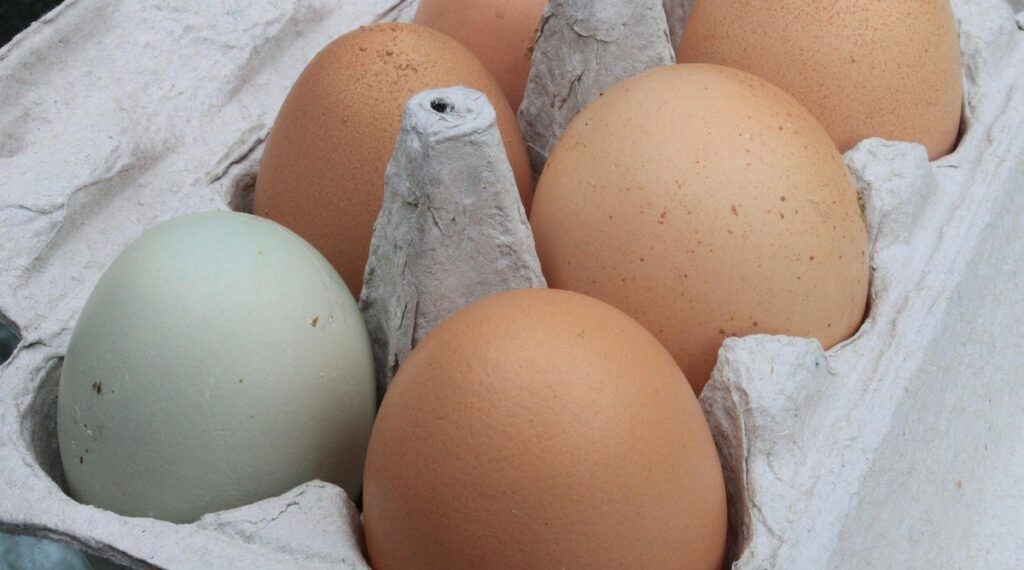
When it comes to egg color, Rhode Island Reds are renowned for their rich brown hue. But did you know that the range of colors can vary significantly? From light brown to dark chocolate, each shade has its unique characteristics.
Light brown eggs, often described as “toast” or “caramel,” have a soft, gentle appearance. They’re produced when the pigment protoporphyrin is present in lower concentrations during egg formation. You might notice these lighter eggs more frequently during spring and summer months.
As you move towards the medium end of the spectrum, you’ll encounter richer, warmer tones. These “mocha” or “chocolate” eggs have a deeper, more pronounced color due to increased protoporphyrin levels. This is especially true for hens over two years old who’ve reached their prime egg-laying stage.
At the darker end of the spectrum, you’ll find the deep, velvety chocolate hue. These eggs often resemble dark cocoa powder or espresso, making them stand out on your kitchen counter. Darker eggs typically signal a hen’s optimal health and egg production capabilities.
Each shade within this brown egg range is not only visually distinct but also reflective of the hen’s individual characteristics.
Factors Influencing Egg Color Intensity
Egg color intensity is influenced by a combination of genetic and environmental factors, including age, nutrition, and breed characteristics. Let’s explore how these factors impact the Rhode Island Red chicken egg color range.
Nutrition and Diet Effects
A chicken’s diet plays a significant role in determining the intensity of its eggshell color. Carotenoids, specifically lutein and zeaxanthin, are pigments responsible for orange and yellow hues in eggs. These compounds are derived from plant-based foods such as marigold flowers, alfalfa meal, or vegetables like sweet potatoes and carrots.
Chickens with access to a balanced diet rich in carotenoids tend to produce eggs with more vibrant colors. For instance, if you’re raising Rhode Island Reds, supplementing their feed with dried marigold petals can enhance the orange tones of their eggshells. However, be cautious not to overdo it, as excessive amounts can lead to discoloration.
Other nutrients like beta-carotene and anthocyanins also contribute to eggshell color intensity. Beta-carotene, found in dark leafy greens, helps deepen red hues, while anthocyanins, responsible for the pigment’s blue-red spectrum, are present in fruits like berries and grapes.
To encourage a healthy diet that supports richly colored eggs, ensure your flock has access to a diverse range of vegetables, fruits, and grains. A well-balanced feed supplemented with carotenoid-rich additives can make all the difference in achieving those coveted deep orange tones.
Health and Stress Factors
When it comes to Rhode Island Reds, health issues and stress can significantly impact eggshell color intensity. If your hens are under stress or experiencing health problems, their eggs may take on a duller, washed-out appearance, rather than the vibrant tones you’d expect from this breed.
Stress is a major culprit when it comes to affecting egg color. Prolonged stress can lead to an increase in melatonin production, which in turn can reduce the amount of pigmentation in the eggshell. For example, if your hens are experiencing heat stress during a hot summer, their eggs may become lighter and less intense in color.
Health issues such as respiratory problems, parasites, or nutritional deficiencies can also impact egg color intensity. For instance, a hen with a vitamin B deficiency may produce eggs with pale, washed-out yolks and shells that lack the typical rich brown color of Rhode Island Red eggs.
To minimize the impact of stress and health issues on your hens’ egg color, ensure they have access to clean water, nutritious feed, and regular veterinary check-ups. By keeping your flock healthy and happy, you can enjoy consistently vibrant and intense-colored eggs from your Rhode Island Reds. Regularly monitoring their overall health and adjusting their living conditions as needed can also help mitigate any negative effects on egg color intensity.
Comparison with Other Chicken Breeds
Let’s compare Rhode Island Red eggs to those of other popular chicken breeds, including Leghorns and Barred Rocks, to see how they stack up in terms of color.
Similarities and Differences in Egg Color Range
When it comes to egg color range, Rhode Island Reds are often compared to other popular chicken breeds. Let’s take a closer look at how their egg color compares to that of Leghorns, Plymouth Rocks, and Australorps.
Leghorns, for example, are known for laying white eggs, but it’s worth noting that some Leghorn varieties can lay light brown or tinted eggs due to genetic variations. On the other hand, Rhode Island Reds typically lay dark brown eggs with a reddish tint. Compared to these breeds, Plymouth Rocks tend to lay medium-brown eggs with minimal variation in color.
Australorps are another popular breed that lays brown eggs, but their egg color tends to be more uniform and less variable than that of the Rhode Island Red. If you’re looking for a breed with a more consistent egg color, Australorps might be a good choice. However, if you prefer the unique characteristics of the Rhode Island Red’s dark brown eggs, this breed may still be worth considering.
When choosing a chicken breed based on egg color, it’s essential to research and understand the genetic traits that influence the color of their eggs.
Implications for Breeders and Farmers
When comparing the egg color range of Rhode Island Red chickens with other breeds, breeders and farmers can gain valuable insights to improve their operations. One key takeaway is that some breeds produce eggs with more vibrant colors due to genetic variations. For instance, Marans eggs are known for their dark, chocolate-brown hue, while Easter Egger eggs can range from pale blue to green.
This diversity in egg color can inform breeding programs and selection decisions. Breeders may choose to introduce new genetics that enhance the production of desirable egg colors or explore crossbreeding to create unique combinations. Farmers, on the other hand, can use this knowledge to cater to specific market demands, such as selling eggs with a particular color appeal.
By studying the egg color ranges across breeds, breeders and farmers can also identify potential areas for improvement in their own operations. For example, if another breed’s eggs consistently exhibit a more appealing color, it may be worth investigating how to replicate this trait in Rhode Island Red chickens. By embracing crossbreeding or genetic manipulation, breeders and farmers can create new products that command higher prices in the market, thereby increasing their competitiveness.
Tips for Encouraging Desired Egg Color in Your Flock
If you’re looking to promote a certain egg color from your Rhode Island Red flock, don’t worry – we’ve got some practical tips to help achieve your desired results.
Breed Selection and Management Strategies
When selecting a breed to achieve desired egg colors, consider breeds like the Golden Comet, which lays brown eggs with an orange tint. Alternatively, you could choose a breed that already exhibits the color variation you want, such as the Easter Egger, which can lay blue or green eggs.
If you’re working with existing Rhode Island Reds, you can also manage their egg production to influence color. For example, feeding them a diet high in lutein and zeaxanthin, carotenoids found in leafy greens like kale and spinach, may lead to more orange-toned eggs. Providing access to calcium-rich foods like crushed oyster shells or dark-colored sand can also impact the intensity of their egg yolks.
However, it’s essential to note that true-breeding strains will always prioritize their breed’s standard traits over any potential genetic variations that might influence egg color. If you’re aiming for specific colors, be prepared to experiment and potentially adjust your flock management strategies accordingly.
Nutrition and Health Considerations
When it comes to promoting healthy and consistent egg production in your Rhode Island Red flock, nutrition and health considerations play a crucial role. A well-balanced diet is essential for maintaining the overall health of your birds, which in turn affects the quality and consistency of their eggs.
Provide access to clean water at all times, as dehydration can negatively impact egg production. Ensure that you’re offering a balanced feed specifically formulated for laying hens, with adequate protein (15-18%) and calcium content. You can also supplement their diet with fresh fruits and vegetables, like leafy greens or carrots, but avoid giving them too many treats that can throw off their nutrient balance.
Maintain good hygiene in the coop by regularly cleaning the nesting boxes, perches, and run areas to prevent disease spread. Provide enough space for your birds to move around comfortably, as overcrowding can lead to stress, which affects egg production. Consider implementing a probiotic supplement or adding oyster shells to their feed to support gut health and strong eggshell development.
Conclusion: Rhode Island Red Chicken Egg Color Range Summary
Now that we’ve explored the factors influencing Rhode Island Red egg color, let’s summarize the possible range of colors you can expect from your hens.
Recap of Key Points
In summary, we’ve covered the fascinating world of Rhode Island Red chicken egg color range. To recap, this breed is known for its striking appearance and impressive egg-laying abilities. Key characteristics of the breed include their rich red plumage, friendly temperament, and high egg production.
We explored how factors such as genetics, diet, and environmental conditions influence the color and quality of Rhode Island Red eggs. You learned that egg color can range from pale pink to deep terracotta, depending on individual bird variations. Furthermore, we discussed the importance of providing a balanced diet rich in nutrients to support optimal egg production.
For breeders and farmers, our discussion provided valuable insights into selecting breeding stock with desirable traits. We also highlighted the significance of maintaining a clean and healthy coop environment, as well as introducing forage and supplementing their diets to boost fertility.
Future Research Directions
Further research is needed to fully understand the complex interplay of genetics and environmental factors influencing eggshell color in Rhode Island Reds. A deeper exploration of the genetic mechanisms controlling eggshell pigmentation could provide valuable insights for breeders seeking to optimize their flocks’ egg quality.
For instance, studies have shown that certain genetic variants can impact the production of porphyrins, which are responsible for eggshell color. Further investigation into these genetic factors would help identify potential avenues for improving eggshell color consistency and intensity in Rhode Island Reds.
Additionally, environmental factors such as diet, lighting, and management practices also play a significant role in determining eggshell color. Research has shown that changes to feed composition can impact eggshell pigmentation, with certain nutrients and supplements influencing the production of porphyrins. Conducting more studies on these environmental factors would provide valuable guidance for breeders seeking to optimize their flocks’ egg quality.
By examining both genetic and environmental influences, researchers can develop more targeted strategies for improving eggshell color in Rhode Island Reds, ultimately leading to higher-quality eggs with greater consistency and appeal.
Frequently Asked Questions
Can I influence the egg color of my Rhode Island Reds through nutrition?
Yes, you can affect the eggshell color by providing a balanced diet rich in calcium, vitamin D3, and other essential nutrients. A diet high in grains or plant-based feed may result in lighter-colored eggs, while a mix of grains and vegetables might produce darker eggs.
Are there any health risks associated with unusual egg colors?
No, unless the change is sudden and drastic, unusual eggshell colors are generally not a cause for concern. However, if you notice a significant deviation from your flock’s normal egg color or production rate, consult with a veterinarian to rule out underlying health issues.
Can I breed Rhode Island Reds specifically for desired eggshell colors?
While it is theoretically possible, breeding for specific eggshell colors can be challenging due to the complex genetic factors involved. Instead, focus on selecting hens that consistently produce eggs within your preferred color range and work with reputable breeders who share your goals.
How do environmental factors impact Rhode Island Red eggshell color?
Environmental stressors like heat, humidity, or changes in lighting can influence eggshell color. For example, high temperatures might result in lighter-colored eggs due to increased water absorption during shell formation. Maintaining a stable and comfortable environment will help minimize these effects.
Can I expect consistent egg color throughout the year with Rhode Island Reds?
While Rhode Island Reds are known for their remarkable egg-laying abilities, their eggshell colors may fluctuate depending on factors like nutrition, health, and environmental conditions. You can encourage consistency by maintaining a stable diet, providing adequate care, and minimizing stress within your flock.