
If you’re raising Rhode Island White chickens for their prized eggs, chances are you’ve noticed that their eggs aren’t just any ordinary white. You might have wondered if there’s something special behind these distinctive shells. As it turns out, the genetics of eggshell color is a fascinating topic in poultry breeding.
Rhode Island Whites have been renowned for their exceptional laying abilities and striking white eggs for over a century. But did you know that this breed has undergone careful selection to produce eggs with specific characteristics? From understanding the breed’s history and the science behind eggshell color, to exploring practical applications in backyard flocks and commercial operations – we’ll delve into it all.
In this article, we’ll explore the world of Rhode Island White chicken egg color.
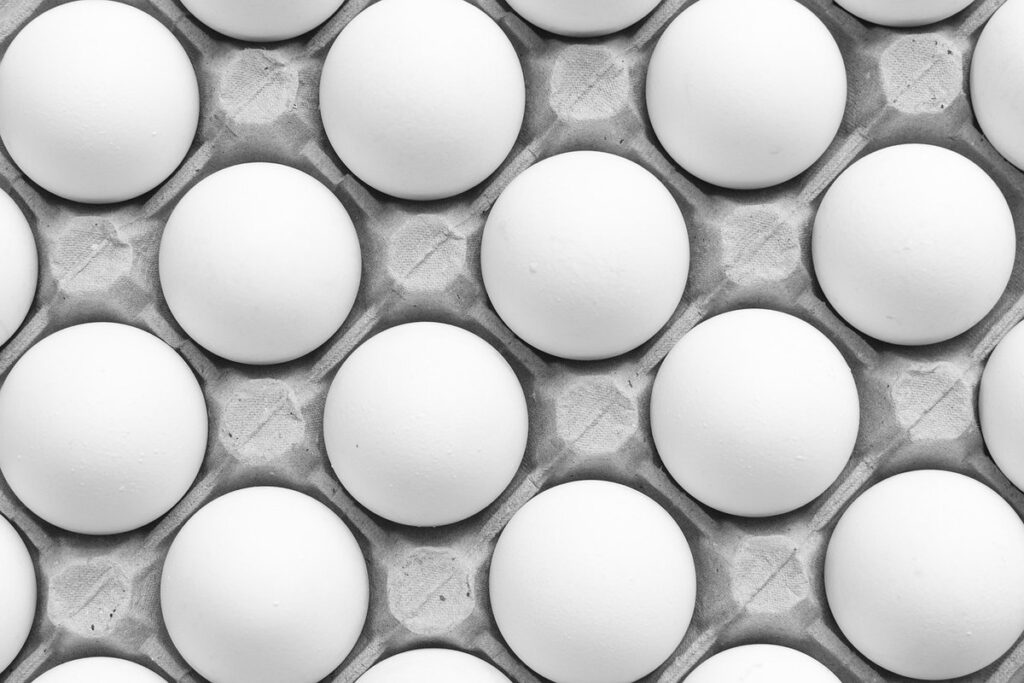
Characteristics and Origin of Rhode Island Whites
So, what makes Rhode Island Whites so unique? Let’s dive into their fascinating characteristics and origins that have led to their striking egg color.
Breed History and Development
Rhode Island Whites have a rich history that dates back to the early 20th century. They were developed by crossing White Leghorns with other breeds to create a bird that excelled at egg production. One of their most distinctive characteristics is their pure white feathers, which are not only aesthetically pleasing but also serve as a unique identifier for the breed.
Their egg-laying abilities are another key trait that set Rhode Island Whites apart from other breeds. They were bred specifically to produce an abundance of large, white eggs, making them a popular choice for backyard chicken keepers and commercial farmers alike. In fact, Rhode Island Whites can lay up to 200 large brown eggs per year, although it’s worth noting that they are technically classified as laying white eggs.
The breed’s history is also closely tied to its egg color. As the name suggests, Rhode Island Whites lay pure white eggs, a trait that was highly valued by farmers who sold their eggs at market. The breed’s developers worked tirelessly to refine this characteristic, selecting for birds that consistently produced white eggs with minimal spotting or blemishes.
Genetic Factors Contributing to Egg Color
When it comes to understanding the unique egg color of Rhode Island White chickens, genetics play a crucial role. The eggshell color is determined by the interaction of two types of melanin: eumelanin and pheomelanin. Eumelanin produces black and dark brown pigment, while pheomelanin produces red and yellow pigment.
The combination and concentration of these two melanins influence the eggshell color. In Rhode Island Whites, the genetic makeup is such that the eumelanin production is suppressed, resulting in a lighter eggshell color. This is because the breed has a specific genetic mutation that reduces the activity of the TYR gene, which codes for the enzyme responsible for producing eumelanin.
As a result, the eggs laid by Rhode Island Whites tend to have a white or cream-colored shell with occasional light brown or pink undertones. The genetics behind this unique egg coloration are fixed in the breed’s genome, making it a consistent characteristic of Rhode Island White chickens. If you’re breeding these birds, understanding the genetic factors contributing to their eggshell color can help you predict and reproduce this trait consistently.
The Science Behind White Egg Color
Let’s dive into the fascinating science behind why Rhode Island White chickens lay eggs with such a distinctive white color. This unique trait has its roots in genetics and biology.
Pigmentation and Melanin
When it comes to the distinctive eggshell color of Rhode Island White chickens, pigmentation plays a crucial role. Melanin, a pigment produced by cells called melanocytes, is responsible for coloring the eggs. The production and distribution of melanin in the oviduct determine the final eggshell color.
Melanin is synthesized from an amino acid called tyrosine through a series of enzymatic reactions. The amount and type of melanin present influence the intensity of the egg’s color. In Rhode Island Whites, the absence of melanin or its reduced production results in light-colored eggs.
The oviduct, where eggshell formation occurs, has different regions that produce specific types of melanin. The isthmus region is responsible for producing eumelanin, which contributes to darker colors. However, in Rhode Island Whites, the limited presence of eumelanin leads to a predominantly light-colored eggshell.
The unique genetic makeup of Rhode Island White chickens ensures they have a natural resistance to dark pigmentation. This characteristic results in their signature white or lightly tinted eggs, making them an attractive choice for backyard chicken keepers and commercial producers alike.
Other Factors Affecting Egg Color
While we’ve explored the genetics behind Rhode Island White (RIW) chicken egg color, other factors can also influence their appearance. Let’s dive into some of these variables.
Diet plays a significant role in determining egg color. For instance, if your RIW hens are consuming a diet rich in plant-based pigments such as beta-carotene or lycopene from leafy greens and tomatoes, their eggs may take on a slightly yellowish tint. On the other hand, a diet lacking these nutrients can result in paler, more washed-out eggs.
Age is another critical factor affecting egg color. As RIW hens mature, their egg yolks tend to deepen in color, often becoming darker brown or even nearly black. This change occurs due to an increase in yolk pigmentation with age. However, it’s essential to maintain a balanced diet throughout your flock’s lives to prevent any nutrient deficiencies that could impact egg quality.
Health issues can also influence the appearance of RIW chicken eggs. For example, some medical conditions may cause discoloration or irregularities on the eggshell. Regular veterinary check-ups and maintaining good health practices will help you identify any potential issues early on.
Breeding for Specific Traits
To breed Rhode Island White chickens that lay a specific egg color, you’ll need to understand how genetics play a role and which traits are most influential. This affects not only their eggs but also their overall health and development.
The Importance of Linebreeding in Rhode Island Whites
When it comes to maintaining the distinctive egg color of Rhode Island White chickens, breeders rely on a crucial technique called linebreeding. This breeding practice involves selecting and mating individuals with desirable traits, including egg shell color, to reinforce their characteristics over time. By doing so, breeders can ensure that future generations exhibit the same egg-laying qualities they’ve worked hard to develop.
Linebreeding allows breeders to concentrate on specific traits by focusing on the genetic makeup of individual birds. For instance, if a breeder wants to emphasize the pale blue-green egg color characteristic of Rhode Island Whites, they’ll select roosters and hens that exhibit this trait consistently and breed them together. This repeated selection process tightens up the genetics related to egg color, making it easier to predict the color of future offspring.
The goal of linebreeding is not to introduce new traits but to refine existing ones. By concentrating on desirable characteristics like egg color, breeders can produce birds that excel in specific areas, such as production and consistency. To try this approach yourself, focus on selecting Rhode Island Whites with the exact shade of egg color you want to emphasize. Once you’ve identified a bird or two with the desired trait, carefully plan their mating schedule to maximize the chances of passing down those characteristics to their offspring.
Artificial Selection in Poultry Breeding
Artificial selection has played a pivotal role in shaping the characteristics of various chicken breeds, including the Rhode Island White. This selective breeding process involves intentionally choosing and breeding individuals with specific traits to pass them on to their offspring. The goal is to emphasize desirable qualities while minimizing or eliminating undesirable ones.
In poultry development, artificial selection is used to create birds that excel in various areas such as egg production, meat quality, and temperament. For instance, breeds like the Leghorn are bred for high egg production due to their ability to lay large numbers of eggs per year. Similarly, the Rhode Island White’s unique characteristics have been honed through generations of selective breeding.
Selective breeding is a time-consuming process that requires patience, dedication, and a deep understanding of genetics and poultry biology. If you’re interested in incorporating artificial selection into your own chicken-keeping endeavors, start by researching the breed you wish to work with. Identify the specific traits you want to emphasize and develop a breeding plan tailored to your goals.
Practical Applications and Uses for RIW Chickens
If you’re considering raising Rhode Island Whites on your farm or homestead, understanding their unique characteristics is crucial to making the most of these amazing birds. Let’s explore some practical ways to use their eggs and personalities.
Backyard Flocks and Small-Scale Egg Production
If you’re considering starting a backyard flock or small-scale egg production operation, Rhode Island Whites are an excellent choice. These gentle birds have been bred for their friendly and docile nature, making them perfect for family-friendly farms.
Their temperament is one of the key reasons many homesteaders and small-scale farmers opt for RIW chickens. They’re relatively quiet, easy-going, and can thrive in a variety of living situations, from tiny backyards to larger farm settings. In terms of egg-laying capacity, Rhode Island Whites are prolific layers, producing an average of 200-220 brown eggs per year.
However, it’s worth noting that RIW chickens have specific care requirements to optimize their egg production and overall health. They need access to a balanced diet, plenty of fresh water, and regular exercise to stay happy and healthy. A minimum of 4 square feet of space per bird is recommended to ensure they can move around comfortably.
Regular flock rotation, where older birds are retired and younger ones take over, can help maintain peak egg production and prevent exhaustion. By following these simple care tips, you can enjoy a bountiful harvest of beautiful brown eggs from your Rhode Island White backyard flock.
Commercial Poultry Operations and Large-Scale Egg Production
Commercial poultry operations and large-scale egg production rely heavily on Rhode Island White (RIW) chickens for their unique characteristics that make them an ideal breed for these settings. One of the key reasons RIWs are popular among commercial producers is their exceptional laying performance, with some hens producing up to 300 eggs per year.
In terms of nutritional needs, RIWs require a balanced diet that includes adequate protein and calcium to support eggshell production. Feed manufacturers often formulate specialized feed for RIWs to meet these specific requirements. Management practices in large-scale operations typically involve providing plenty of space for the birds to move around and engage in natural behaviors, which helps maintain their overall health and productivity.
Interestingly, many commercial producers have reported that RIWs are less prone to stress-related issues compared to other breeds, which translates to lower mortality rates and higher egg production. For example, one large-scale operation in the US reported a 25% increase in egg production after switching to RIW chickens. By understanding the specific needs of RIWs in commercial settings, producers can optimize their operations for maximum efficiency and profitability.
Eggshell Color Variations in Rhode Island Whites
One of the most interesting aspects of Rhode Island White chicken eggs is the range of colors they can display, from soft pastels to rich jewel tones. In this section, we’ll explore these unique variations in more detail.
Causes of Deviation from Standard White Egg Color
While Rhode Island Whites are known for their stunning white eggs, it’s not uncommon to see some deviation from this standard color. You might notice eggs with a slightly darker or lighter tone than usual. So, what causes these variations? Let’s dive into the possible reasons behind darker or lighter eggshells in RIW chickens.
Environmental factors can significantly impact the color of your Rhode Island White chicken’s eggs. For instance, a diet rich in beta-carotene from leafy greens can give the eggs a yellowish tint. Similarly, excessive sunlight exposure can cause the eggs to darken due to oxidation. On the other hand, a lack of access to fresh water or an unbalanced diet can result in lighter-colored eggs.
Genetic variations and health issues can also contribute to eggshell color deviations. For example, some RIW chickens might naturally lay eggs with a creamier or blue-ish tint due to genetic predisposition. In addition, conditions like hypothyroidism or nutritional deficiencies can cause changes in eggshell color. Regular health checks and maintaining a balanced diet are crucial to identifying potential issues early on.
It’s essential to keep an eye out for any unusual patterns or colors in your RIW chicken’s eggs. If you notice significant deviations from the standard white color, consult with a veterinarian or experienced breeder to rule out any underlying health concerns. By being aware of these possible causes and taking proactive measures, you can ensure your RIW chickens continue to thrive and produce those beautiful white eggs we all love.
Management Strategies to Prevent Color Variations
To minimize the occurrence of abnormal egg colors in Rhode Island White chickens, breeders and farmers can implement several management strategies. First and foremost, maintaining a balanced diet is crucial. Ensure that hens have access to a nutrient-rich feed that includes essential vitamins and minerals such as omega-3 fatty acids, calcium, and vitamin D3. A diet lacking these nutrients can lead to egg color variations.
Regular health monitoring is also vital. Check for any signs of illness or stress in the flock, as these can cause abnormal egg colors. For example, a deficiency in iodine can result in pale eggs, while high levels of sulfates can cause dark or greenish discoloration. Monitor feed intake and adjust the diet accordingly.
Other practical tips include providing adequate lighting and ensuring proper ventilation within the coop. Stress caused by overcrowding or poor living conditions can also lead to abnormal egg colors. By implementing these management strategies, breeders and farmers can help minimize color variations and produce eggs with a consistent Rhode Island White hue.
Conclusion: The Significance of Rhode Island White Egg Color
In conclusion, the unique egg color of Rhode Island White chickens is not just a visual characteristic, but also a significant aspect of their overall appeal. As we’ve discussed throughout this article, their creamy white eggs are a standout feature that sets them apart from other breeds. This distinct trait makes them an attractive choice for backyard chicken keepers and small-scale farmers looking to add some variety to their egg-laying flock.
In practical terms, the significance of Rhode Island White egg color lies in its ability to command a premium price at market. If you’re planning to sell your eggs or use them as a selling point for your farm or homestead, this is definitely something to consider.
Frequently Asked Questions
Can I breed Rhode Island Whites with other breeds to enhance egg color diversity?
Yes, but it’s essential to understand that introducing new breeds can introduce unpredictable genetic factors, potentially altering the desired white egg color. It’s recommended to maintain a purebred flock or carefully select and crossbreed breeds to preserve the unique characteristics of Rhode Island Whites.
How do I prevent deviations from standard white egg color in my backyard flock?
Regularly monitoring your flock’s health, providing a balanced diet, and maintaining good biosecurity can help minimize deviations. Additionally, culling birds that produce eggs with unusual colors can aid in maintaining the desired trait. Consider consulting a poultry expert or taking a course on breed management.
Are Rhode Island Whites suitable for small-scale egg production, or do they require large commercial operations?
Rhode Island Whites are an excellent choice for both backyard flocks and commercial operations due to their high egg-laying abilities and adaptability to various settings. With proper care and management, they can thrive in smaller or larger scale production environments.
Can I still achieve white eggs if my Rhode Island White chickens have some genetic predisposition towards darker pigmentation?
Yes, while genetics play a significant role in determining eggshell color, environmental factors like diet and nutrition also influence the final product. Providing a balanced diet rich in essential nutrients can help counteract any potential genetic influences on eggshell pigmentation.
How often should I replace my Rhode Island White flock to maintain consistent white egg production?
The frequency of replacing your flock depends on several factors, including breeding goals, management strategies, and the overall health of the birds. It’s generally recommended to replace 10-20% of your flock annually through linebreeding or selecting for desired traits. This can help preserve genetic diversity while maintaining consistency in egg color and quality.