
If you’re raising Rhode Island Whites or considering adding them to your flock, chances are you’ve noticed their beautiful eggs. But have you ever wondered about the unique characteristics that make these eggs so special? From their vibrant white color and delicate texture to their impressive egg-laying habits, Rhode Island White chicken eggs are a standout among backyard flocks. But breeding for specific colors can be a challenge, and health issues can arise if not properly managed. In this comprehensive guide, we’ll delve into the fascinating world of Rhode Island White chicken eggs, covering their genetic makeup, egg-laying habits, and tips for successful breeding and management. Whether you’re an experienced breeder or just starting out, this article is packed with valuable insights to help you get the most from your Rhode Island Whites.
The Origins and Characteristics of Rhode Island White Chickens
The Rhode Island White chicken breed has a rich history, originating from 19th-century America where they were prized for their egg-laying abilities. Let’s delve into their origins and characteristics that make them unique.
History and Development of the Breed
The Rhode Island Red breed has an interesting history that spans centuries and continents. This popular chicken variety actually originated from a different breed altogether – the Old English Game Fowl. In the 17th century, English farmers selectively bred these birds for their distinctive red plumage, which made them stand out in fields.
As the name suggests, Rhode Island Whites are not directly related to the Rhode Island Reds. However, they were developed from cross-breeding the Rhode Island Red with other breeds, including the White Leghorn and the Java Fowl. This mixing of bloodlines led to the creation of a chicken that was both hardy and prolific egg-layer.
The development of the Rhode Island White breed in the United States during the 19th century saw these chickens become highly sought after for their ability to thrive in various climates and environments. Today, they remain one of the most popular breeds globally, prized not just for their egg-laying abilities but also for their friendly temperament and attractive appearance.
Physical Characteristics and Temperament
The Rhode Island White chicken is a beloved breed among backyard chicken keepers, and it’s easy to see why. Their physical characteristics are just as endearing as their temperament. These birds typically weigh between 7-9 pounds and stand about 19-21 inches tall, making them a compact yet sturdy addition to any flock.
One of the most distinctive features of the Rhode Island White is its snow-white plumage, which is incredibly clean and free of feather dust. Their combs are red and medium-sized, adding a pop of color to their otherwise all-white appearance. But it’s not just their looks that make them special – their temperament is equally charming.
Rhode Island Whites are known for being friendly, docile, and social birds. They’re naturally curious and love to explore their surroundings, making them entertaining to watch. However, they can also be a bit noisy, so if you live in close proximity to your neighbors, you may want to consider this when deciding on a breed. With proper care and attention, Rhode Island Whites make wonderful pets for families or first-time chicken keepers.
Egg-Laying Habits and Production
When it comes to egg-laying habits, Rhode Island Whites are known for their impressive productivity, producing an average of 200-220 large white eggs per year. Let’s take a closer look at how they achieve this remarkable feat.
Average Egg Size and Color Variations
When it comes to egg size and color variations from Rhode Island White chickens, there are some interesting facts to share. On average, a large breed like the Rhode Island White lays medium to large-sized eggs that typically weigh between 50-60 grams. However, it’s not uncommon for them to produce slightly smaller or larger eggs depending on factors such as nutrition, living conditions, and genetics.
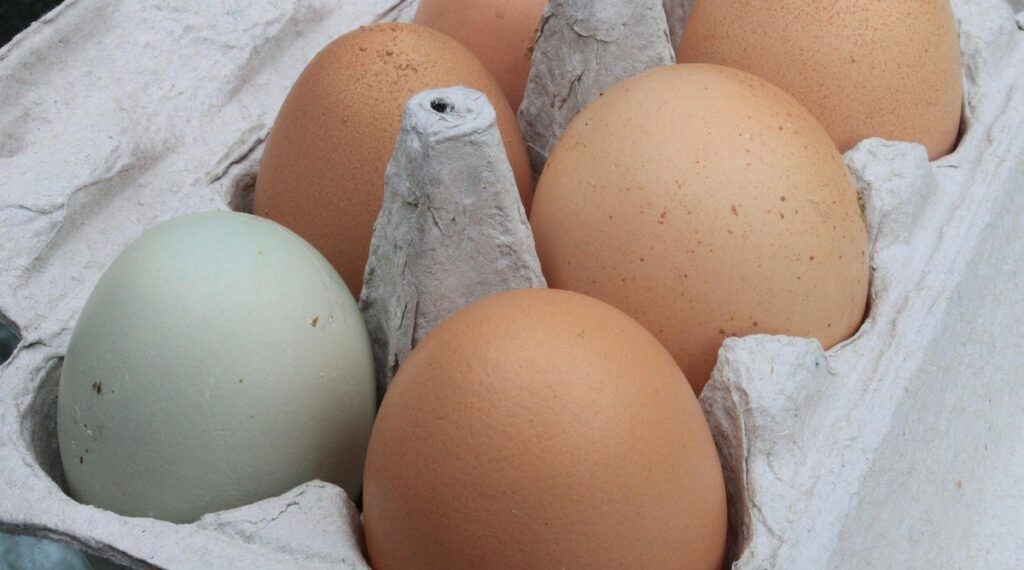
As far as eggshell color goes, Rhode Island Whites are known for their clean and white eggs. In fact, about 90% of their eggs will have a pure white shell, while the remaining 10% may display a slight tint or creaminess due to individual variations. Shell quality is also impressive, with an average thickness of around 0.38-0.45 mm.
While it’s essential to monitor egg size and color consistency in your flock for potential health issues, most Rhode Island Whites are generally healthy birds that lay consistent eggs throughout their breeding cycle.
Factors Affecting Egg Production
When it comes to egg-laying abilities, Rhode Island Whites are highly regarded for their high productivity. However, several factors can influence a chicken’s capacity to lay eggs, and understanding these can help you optimize your flock’s performance.
A well-balanced diet is essential for maintaining peak egg production in Rhode Island Whites. Ensure they have access to a mix of grains, proteins, and fiber-rich foods. Provide calcium supplements, as this nutrient plays a crucial role in eggshell development. A study by the University of California found that hens receiving adequate calcium produced eggs with thicker shells.
The age of your chickens also affects their egg-laying capabilities. Rhode Island Whites typically reach peak production at 18-20 weeks and will continue to lay eggs efficiently until around 2 years old. However, individual birds may vary depending on genetics and overall health.
Maintaining good health is critical for maximizing egg output. Ensure your flock receives regular vaccinations, has clean living conditions, and adequate ventilation. Monitor their behavior and body language to catch any potential issues before they become severe. Regularly inspect your chickens’ droppings and consult a veterinarian if you notice any unusual patterns or colors.
Remember that individual birds will always have varying egg-laying capacities regardless of the factors mentioned above. However, by providing optimal care and conditions, you can encourage your Rhode Island Whites to reach their full potential and lay eggs consistently throughout their productive years.
Understanding the Genetics of Eggshell Color
When it comes to eggshell color, genetics play a crucial role. Let’s dive into how your Rhode Island White chicken’s breed and individual traits influence its eggshell hue.
The Science Behind Eggshell Coloration
The Rhode Island White chicken’s eggshell coloration is determined by a complex interplay of genes and pigments. At its core, eggshell coloration is influenced by the oocyanin pigment, which is responsible for producing blue and green hues. However, oocyanin doesn’t act alone – it interacts with other genes to produce a wide range of colors.
When oocyanin combines with the pigment protoporphyrin, it creates a brown or reddish tint on the eggshell. This interaction can result in various shades of brown, from light tan to dark chocolate. The genetics behind this process are relatively well-understood and involve the presence or absence of specific genes that regulate oocyanin production.
In the case of Rhode Island White chickens, their eggshells tend to be a pale blue-green due to the dominance of the oocyanin pigment. However, breeding programs can introduce new genetic combinations, leading to variations in eggshell coloration. By understanding the genetics behind eggshell coloration, breeders and enthusiasts can predict and cultivate desired traits, such as darker or lighter eggshells.
Dominant and Recessive Traits in Eggshell Color
In Rhode Island White chickens, eggshell color is determined by two types of traits: dominant and recessive. The dominant trait is the expression of the white eggshell color that you’d typically expect from this breed. However, the recessive trait can influence the intensity or shade of the white color.
The genetics behind it are relatively simple. Each chicken has two genes: one for the white eggshell color (B) and another that codes for a lighter or darker shade (b). If a Rhode Island White hen inherits the dominant BB genotype, she’ll express the expected pure white eggshell color. However, if she carries the recessive gene (bb), her eggs may have a faint yellow or cream tint.
Keep in mind that multiple factors can influence the intensity of the white eggshell color. For example, genetics isn’t the sole determining factor – nutrition and overall health can also play a role. If you’re experiencing inconsistent eggshell colors from your Rhode Island Whites, it’s worth examining their diet to ensure they’re getting all necessary nutrients.
To predict the potential for eggshell color variation, examine your flock’s ancestry and genetic makeup. This will give you an idea of which recessive genes may be present.
Breeding for Specific Eggshell Colors
If you’re looking to create a flock that lays eggs in specific colors, breeding Rhode Island White chickens is a great place to start. This section will explore how to achieve your desired eggshell hue.
The Role of Artificial Selection in Eggshell Color Variation
Artificial selection has played a significant role in shaping the Rhode Island White breed’s diverse eggshell color palette. Through selective breeding, farmers and breeders have been able to accentuate desirable traits, including various shades of white, light blue, pink, and even green-tinged eggs.
To understand how artificial selection contributes to eggshell color variation, consider this: each generation, breeders focus on identifying and amplifying specific characteristics in their flock. For instance, they might prioritize eggs with a subtle blue tint or those with a more pronounced white hue. By repeatedly selecting for these traits, the population gradually shifts towards the desired characteristic.
This process of gradual selection can be observed in the various eggshell colors that have emerged within the Rhode Island White breed. For example, some lines now produce eggs that range from pale pink to deep blue-green, while others remain true to their original white shell. By acknowledging the role of artificial selection in shaping these variations, you as a breeder or enthusiast can better understand how to cultivate and refine your flock’s unique characteristics.
Potential Issues with Selective Breeding
Selective breeding has been instrumental in developing the distinctive eggshell colors of Rhode Island White chickens. However, it’s crucial to acknowledge the potential risks associated with this practice.
One concern is that selective breeding can lead to decreased fertility in birds. This may occur when breeders prioritize characteristics such as eggshell color over other essential traits like reproductive health. For instance, research has shown that some breeds of chicken exhibit lower fertility rates due to intense selection for specific characteristics.
Another issue is the increased susceptibility to disease that can arise from selective breeding. When breeders focus on a narrow range of genetic characteristics, they may inadvertently reduce the bird’s ability to fight off pathogens. A study found that intensively bred chickens are more prone to certain diseases due to their compromised immune systems.
As you consider breeding your Rhode Island Whites for specific eggshell colors, be aware of these potential risks and take steps to mitigate them. Regular health checks and proper management practices can help minimize the negative effects of selective breeding.
Health Considerations for Rhode Island Whites
When it comes to keeping Rhode Island White chickens, there are some essential health considerations to be aware of, including their susceptibility to certain diseases. Let’s take a closer look at these key factors.
Common Health Issues in the Breed
As you delve into the world of Rhode Island Whites, it’s essential to be aware of the common health issues that can affect this breed. One such issue is Marek’s disease, a viral illness that can weaken the immune system and lead to various complications. The symptoms include swelling around the eyes, drooping wings, and difficulty breathing. Another concern is Megabacteria, which causes an imbalance in gut bacteria, leading to diarrhea, lethargy, and weight loss.
Another health issue affecting Rhode Island Whites is Ascites, a condition where fluid accumulates in the abdomen due to liver or heart problems. This can be caused by genetics, diet, or other environmental factors. It’s crucial to identify these issues early on and take prompt action to prevent further complications.
To minimize the risk of these conditions, it’s recommended to maintain a healthy lifestyle for your Rhode Island Whites, including a balanced diet, regular exercise, and plenty of space to roam. Regular health check-ups with a veterinarian can also help detect potential issues before they become severe. By being aware of these common health concerns and taking proactive steps, you can ensure the well-being of your Rhode Island Whites.
Strategies for Preventing and Managing Health Problems
Preventing and managing health problems is crucial for maintaining the well-being of Rhode Island White chickens. Nutrition plays a significant role in this process. Ensure that they have access to high-quality feed that meets their nutritional needs, supplemented with fresh fruits and vegetables as treats.
Parasite control is also vital. Regularly check your flock for signs of internal parasites such as worms or mites. Use safe and effective deworming methods according to the manufacturer’s instructions. Keep the coop clean and well-ventilated to prevent the buildup of ammonia from droppings, which can contribute to respiratory issues.
Vaccinations are another critical aspect of health management. Consult with a veterinarian to determine the best vaccination schedule for your flock based on local disease prevalence and other factors. Always follow proper vaccination procedures and record keeping to ensure accurate tracking.
By implementing these strategies, you’ll be better equipped to prevent and manage common health issues in your Rhode Island White chickens, ensuring they remain healthy and productive layers of eggs with vibrant colors.
Frequently Asked Questions
How can I ensure my Rhode Island Whites are laying eggs with the desired color?
Ensure your flock’s genetics are suitable for eggshell color production by selecting birds from proven lines that display the desired trait. Monitor their diet and environment to prevent nutritional deficiencies or stress, which can affect eggshell color.
What are common mistakes breeders make when trying to breed Rhode Island Whites for specific egg colors?
Common mistakes include inadequate understanding of genetics, failure to consider the complexity of multiple traits, and neglecting to manage health issues that may arise from selective breeding. Regularly monitor your flock’s health and adapt your breeding strategy accordingly.
How can I balance my desire for high-quality eggs with the potential risks associated with artificial selection?
Prioritize selecting birds with a balanced set of desirable traits, rather than focusing solely on a single characteristic like eggshell color. Also, maintain a diverse gene pool to minimize the risk of inbreeding and health issues.
What should I do if my Rhode Island Whites experience a decline in egg production?
Consider factors such as nutrition, lighting, and flock dynamics when addressing a drop in egg production. Ensure your birds have access to adequate feed, proper lighting, and sufficient space to reduce stress.
Can I crossbreed Rhode Island Whites with other breeds for improved eggshell color?
While crossbreeding can introduce new traits, it may also complicate the genetics of your flock and lead to unpredictable outcomes. Proceed with caution, carefully evaluating potential benefits against risks to your breeding program’s stability.