
If you’re an avid backyard chicken keeper or simply fascinated by the diverse world of egg-laying breeds, chances are you’ve heard of the Rhode Island White. But did you know that this popular breed produces eggs with distinct characteristics and benefits? One key aspect to consider is the unique color chart associated with Rhode Island White eggs, which can vary in shade and intensity depending on various factors.
In this article, we’ll delve into the world of Rhode Island White egg colors, exploring their breed-specific traits, advantages, and ideal care requirements. You’ll also discover a comprehensive color chart to help you identify and appreciate these beautiful eggs. Additionally, our expert advice will guide you through proper handling and storage techniques to ensure your Rhode Island Whites’ hard-earned treasures remain fresh and intact. By the end of this read, you’ll be equipped with the knowledge to make informed decisions about your flock’s health and egg quality.
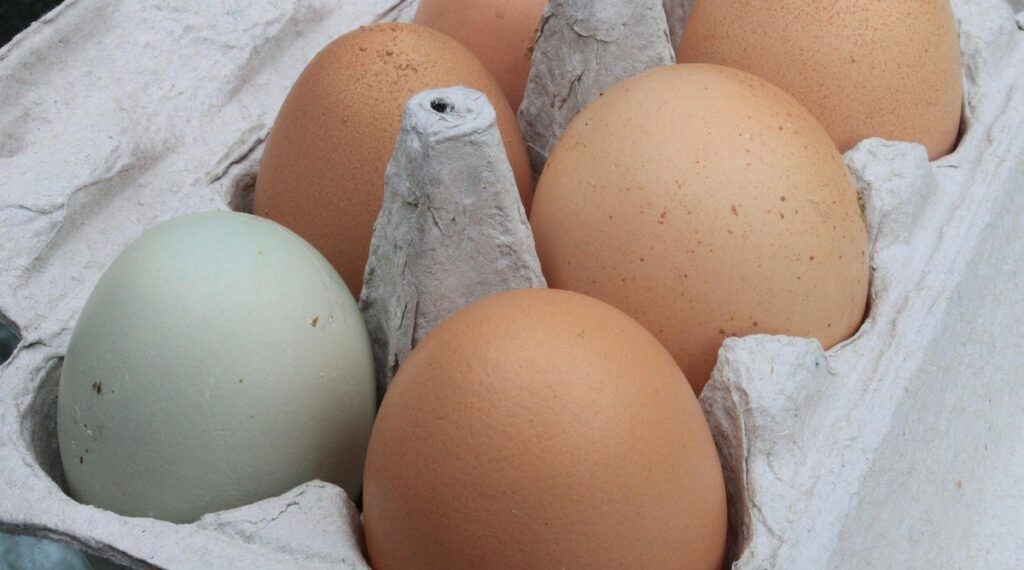
Understanding Rhode Island White Eggs
When it comes to identifying Rhode Island White eggs, understanding their unique characteristics is crucial for accurate identification. Let’s dive into what sets these eggs apart from others in this classic breed.
What are Rhode Island White Chickens?
The Rhode Island White chicken breed has its roots dating back to 1840s America. Hailing from the New England region, these chickens were initially bred for their exceptional egg-laying abilities and hardiness. The breed’s name ‘Rhode Island’ does not imply that they originated specifically in Rhode Island but rather is a nod to their American heritage.
In terms of physical characteristics, Rhode Island Whites are relatively small birds with a sturdy build, weighing around 6-8 pounds. Their plumage is pure white and features a gentle sheen in the right light. One distinctive feature of these chickens is their calm demeanor – they’re known for being docile and friendly, making them an excellent choice for families or those new to raising backyard chickens.
Their temperament is also characterized by their high level of intelligence and adaptability, allowing them to thrive in a variety of settings. As such, they are often sought after by chicken enthusiasts looking for easy-going birds that will not only provide eggs but also entertain with their curious nature.
Benefits of Keeping Rhode Island Whites as Pet Chickens
If you’re considering adding Rhode Island Whites to your backyard flock, you’ll find they make wonderful pets. These gentle birds are known for their friendly and docile nature, making them an excellent choice for families with children or for those new to raising chickens. One of the main advantages of keeping Rhode Island Whites as pets is their ability to thrive in a variety of environments. They are relatively low maintenance, requiring less space and care than some other breeds.
Their egg-laying abilities are another significant benefit, producing an average of 200-220 brown eggs per year. This steady supply of fresh eggs is not only a delight for cooks but also provides a sense of accomplishment from watching your birds contribute to your household’s self-sufficiency. In addition, Rhode Island Whites are hardy and adaptable, capable of tolerating a range of temperatures and weather conditions.
Key Characteristics of Rhode Island White Eggs
When it comes to Rhode Island White eggs, several key characteristics set them apart from other breeds. One of the most notable features is their size, which tends to be on the smaller side. On average, a Rhode Island White egg measures around 2 ounces, making them ideal for smaller households or those who prefer a more manageable egg-laying experience.
In terms of shape, Rhode Island White eggs are typically oval in shape, with a smooth and clean appearance. The color, as mentioned earlier, is a pure white, with no markings or brown speckles. This lack of pigmentation is due to the breed’s genetic makeup, which results in an eggshell that is not only aesthetically pleasing but also resistant to dirt and stains.
The texture of Rhode Island White eggs is another distinguishing factor. They tend to be firm and smooth, with a slight sheen that indicates their high-quality composition. This makes them well-suited for a variety of cooking methods, from boiling and frying to baking and making omelets.
The Science Behind Egg Color
So, what makes Rhode Island White eggs come in such a variety of colors? Let’s dive into the fascinating science behind eggshell coloration and how it affects this breed.
Pigmentation and Egg Shell Composition
When it comes to the characteristic Rhode Island White egg color, pigmentation plays a significant role. The color and appearance of an eggshell are determined by the pigments deposited onto its surface during the laying process. In the case of the Rhode Island White breed, the eggshell is predominantly white due to the presence of a pigment called porphyrin. This pigment is produced in the oviduct’s shell gland, where it reacts with other substances to create the characteristic white color.
Interestingly, the amount and distribution of pigments can vary between individual hens, resulting in subtle variations in eggshell color. For instance, some Rhode Island White eggs may exhibit a slightly blue or green tint due to the presence of small amounts of biliverdin, another pigment produced during the laying process. Understanding the role of pigmentation in determining eggshell color can help you appreciate the unique characteristics of your flock’s eggs and take steps to promote optimal health and nutrition for your hens.
Factors Influencing Eggshell Color Variation
When it comes to Rhode Island White eggs, their characteristic pale blue-green color can vary slightly due to various environmental and genetic factors. One of the primary influences on eggshell color is diet. A hen’s nutritional intake can affect the pigmentation of her eggs, with a diet rich in yellow or orange pigments causing the eggs to appear more golden or brown.
Age also plays a role in determining the shade of blue-green hue on Rhode Island White eggs. As hens mature and reach their prime laying years (around 2-3 years), their eggshell color tends to deepen and become more vibrant. On the other hand, younger birds may produce eggs with lighter shades due to their developing reproductive systems.
Genetics also contribute to eggshell color variation within the Rhode Island White breed. Even though they are a purebred line, genetic diversity can lead to subtle differences in eggshell pigmentation among individual hens.
Debunking Common Myths About Egg Color
Egg color has long been shrouded in misconceptions. One common myth is that egg color is an indicator of nutritional content. The truth is, egg color has no direct correlation with the nutritional value of eggs. White and brown eggs are produced by the same hens, and the difference lies solely in genetics. A study published in the Journal of Agricultural and Food Chemistry found no significant difference in nutrient levels between white and brown eggs.
Another myth surrounding egg color is that it affects the taste or quality of the eggs. This couldn’t be further from the truth. Egg taste and texture are determined by factors such as diet, breed, and handling practices – not egg color. In fact, a study conducted by the University of California found no difference in consumer preference between white and brown eggs.
When it comes to choosing eggs, look beyond the color and focus on other factors that truly matter, like cage-free or organic production methods, which can impact nutrient levels and animal welfare. By separating fact from fiction, we can make more informed choices about our egg purchases.
Rhode Island White Egg Color Chart: A Visual Guide
Get a clear picture of the expected eggshell colors for your Rhode Island White chickens with our easy-to-use color chart. Compare these visuals to what you see in your own flock.
Overview of the Breed-Specific Color Patterns
The Rhode Island White breed is known for its stunning egg-laying abilities and unique color patterns. One of the most distinctive characteristics of this breed is its eggshell coloration. When it comes to Rhode Island Whites, there are several breed-specific color patterns that can give you a clue about the overall health and fertility of your flock.
For instance, eggs from Rhode Island Whites typically have a pink or brown tint around the bloom, which is the cuticle on the eggshell. This is due to the presence of porphyrins, which are pigments produced by the hen’s body as a result of its diet. The intensity and distribution of these color patterns can vary depending on several factors, including the hen’s age, nutrition, and overall health.
In general, eggs with a more intense pink or brown tint tend to be from hens that are between 18-24 months old, while younger birds may lay eggs with a lighter or less pronounced coloration.
Comparison with Other Breeds’ Eggs
When it comes to egg color, Rhode Island Whites aren’t the only breed with unique characteristics. Let’s compare their eggs to those of some other popular breeds.
For instance, Leghorn eggs have a slightly different sheen and are often more oval in shape than Rhode Island White eggs. However, both breeds lay white eggs that range from a pale cream to a bright snow-white hue. In contrast, Easter Egger eggs are known for their vibrant colors and patterns, but they can also lay white eggs, just like Rhode Island Whites.
On the other hand, some breeds, such as Orpingtons and Sussex, tend to lay more tinted or brown-tinged eggs. These eggs often have a warmer tone than Rhode Island White eggs, which remain consistently pale in color. If you’re looking for a breed that lays white eggs with a slightly yellow or pink tint, you might consider the Wyandotte.
Ultimately, the egg color and quality can vary depending on several factors, including diet, living conditions, and genetics. However, if you’re looking for a reliable source of pure white eggs, Rhode Island Whites are an excellent choice.
Tips for Interpreting Eggshell Colors
When interpreting eggshell colors, it’s essential to consider them as an indicator of your flock’s overall health and nutrition. A consistent and vibrant egg color is a sign that your birds are receiving the right balance of nutrients.
Here are some key things to look out for:
* Rich browns often indicate that your hens are getting enough protein in their diet, particularly from high-quality feed or supplements.
* Deep greens can be a sign of an iron-rich diet, but excessive amounts may lead to yellowing of the egg whites. Monitor this closely and adjust your bird’s intake accordingly.
* Pasty or thick, dark colors, on the other hand, may indicate dehydration, poor ventilation, or stress within your flock.
Take note that individual birds can have naturally varying eggshell colors due to genetics. However, if you notice a significant change in color across multiple eggs from multiple hens, it’s likely related to diet or environmental factors. Keep an eye out for these changes and make adjustments as needed to ensure the health and happiness of your flock. Regular monitoring will help you pinpoint potential issues before they become severe.
Collecting and Storing Rhode Island White Eggs
When collecting and storing your Rhode Island White eggs, it’s essential to keep them safe from breakage and contamination, so we’ll cover some practical tips on handling and storage.
Safe Handling and Storage Practices
When handling Rhode Island White eggs, it’s essential to adopt safe practices that prevent breakage and contamination. To begin with, always handle eggs gently and carefully, supporting them from underneath rather than stacking them on top of each other. This will help reduce the risk of cracking or breaking.
It’s also crucial to store Rhode Island White eggs in a cool, dry place away from direct sunlight and moisture. A temperature range between 35°F and 45°F (2°C and 7°C) is ideal for storing eggs safely. Avoid storing them near strong-smelling foods, as the odors can be absorbed by the eggs.
When transporting Rhode Island White eggs, use a sturdy container with ventilation to prevent moisture buildup. Pack eggs carefully in a single layer, making sure they’re not touching each other or the sides of the container. Consider using a paper bag or carton specifically designed for egg storage and transportation. By following these safe handling and storage practices, you’ll help preserve the quality and integrity of your Rhode Island White eggs.
Factors Affecting Egg Quality and Longevity
When it comes to collecting and storing Rhode Island White eggs, understanding the factors that affect their quality and longevity is crucial. One of the most significant influences on egg quality is storage conditions.
Proper storage involves keeping the eggs at a consistent refrigerated temperature below 40°F (4°C). This helps slow down bacterial growth, which can cause egg spoilage. It’s essential to store eggs in their original carton or container, as this protects them from shock and maintains humidity levels. You should also store them in the coldest part of the refrigerator, usually the bottom shelf.
Temperature fluctuations can also impact egg quality. Avoid placing eggs near ovens, radiators, or direct sunlight, as these sources of heat can cause temperature changes that may compromise egg freshness. Handling methods are another critical factor; always handle eggs gently to prevent cracking, which can lead to moisture loss and subsequent bacterial growth.
By storing Rhode Island White eggs correctly, you’ll be able to enjoy their rich flavor and versatility for a longer period.
Creative Ways to Showcase Your Fresh Eggs
When it comes to showcasing your fresh Rhode Island White eggs, you don’t have to limit yourself to just storing them in the fridge. In fact, displaying and preserving eggs can be a fun and creative way to appreciate their beauty and add a touch of sustainability to your home decor.
One idea is to use egg cartons or crates as decorative planters for small plants or herbs. Simply place the carton on a shelf or mantel and fill it with soil and your chosen greenery. This not only adds some color and texture to your space but also provides a functional way to reuse and recycle old egg packaging.
Another option is to create a beautiful egg display using a wooden or glass vase or container. Fill the vessel with fresh eggs, then add decorative elements like twigs, flowers, or ribbons around them. This makes for a stunning centerpiece that’s perfect for any room in your home.
You can also consider dyeing your Rhode Island White eggs to create unique and colorful decorations for Easter or other special occasions. Use natural dyes like beets, turmeric, or coffee to give the eggs a beautiful, speckled look.
Conclusion: Embracing the Beauty of Rhode Island White Eggs
Now that you’ve learned how to decode the unique shades of our beloved Rhode Island Whites, let’s take a moment to appreciate their natural beauty in our lives.
Recap of Key Takeaways
As you conclude your journey through our comprehensive guide to Rhode Island White egg color chart, let’s recap the key takeaways to ensure you’re well-equipped to choose and care for these beautiful eggs.
You now know that Rhode Island White eggs come in a variety of shades, from pure white to cream-colored or speckled. This diversity is due to factors such as age, breed, nutrition, and environment. We highlighted the importance of understanding egg color characteristics, not just for aesthetic purposes but also to gauge their overall health and well-being.
From our discussion, you should recall that Rhode Island White eggs offer numerous benefits, including high fertility rates, large egg size, and a calm temperament in hens. To maximize these advantages, we emphasized the significance of providing optimal living conditions, a balanced diet, and regular veterinary check-ups.
To put your new knowledge into practice, remember to monitor your flock’s egg-laying habits, adjust their nutrition accordingly, and maintain a clean and healthy coop environment. By following these simple yet effective tips, you’ll be well on your way to enjoying the beauty and benefits of Rhode Island White eggs.
Encouragement to Explore More About Your Flock’s Egg-Laying Abilities
As you’ve made it through this comprehensive guide to Rhode Island White egg colors, we hope you’ve gained a deeper appreciation for the unique characteristics of your flock. It’s time to take this newfound knowledge and encourage your birds to show off their true potential! Start by observing and recording the different egg-laying patterns among your hens. This will help you identify any trends or anomalies that might be worth exploring further.
Consider keeping an egg-laying journal, where you can track everything from shell colors and patterns to the time of day and season when eggs are most frequently laid. Not only will this provide valuable insights into your flock’s habits, but it can also inspire creative ways to showcase their individuality through art or photography projects.
By embracing the diversity within your flock, you’ll not only foster a deeper connection with your birds but also cultivate a sense of wonder and curiosity about the natural world. So go ahead, get egg-cited (pun intended!), and start exploring the unique characteristics that make each of your Rhode Island Whites truly special.
Frequently Asked Questions
Can I use the Rhode Island White Egg Color Chart for any other breed?
The chart is specific to Rhode Island Whites due to their unique eggshell characteristics. However, you can still use it as a reference point for comparison purposes with other breeds. Keep in mind that each breed has its distinct egg-laying traits, so consult with a breeder or expert if you need guidance on identifying eggs from another breed.
How do I know if my Rhode Island White eggs are of high quality?
High-quality eggs are typically characterized by firm, clean shells and fresh contents. Look for eggs with no cracks, soft spots, or visible dirt. Also, check the egg’s weight and size; heavier eggs usually indicate better nutrition and more water content.
What happens to the Rhode Island White egg color if I provide a balanced diet?
A well-balanced diet that includes essential nutrients will not significantly affect the eggshell color. However, it can influence other aspects like egg size and quality. For instance, providing adequate calcium will promote strong eggshells, regardless of their color.
Can I dye my Rhode Island White eggs for decorative purposes?
Yes, you can dye your eggs for decorative purposes using food-grade dyes or natural pigments. Just ensure that the dyes do not compromise the egg’s safety and quality. Additionally, always handle the dyed eggs gently to avoid damaging the shells.
How should I store my Rhode Island White eggs to maintain their freshness?
To keep your eggs fresh, store them in a cool, dry place away from direct sunlight and heat sources. The ideal storage temperature is around 40°F (4°C). You can also consider storing them in a refridgerator at the same temperature. Make sure the container is clean, ventilated, and covered to prevent moisture buildup.