
If you’re an enthusiast of backyard chickens or simply curious about the fascinating world of eggshells, understanding the Rhode Island White breed’s unique characteristics is essential. But have you ever stopped to consider why some eggs appear more vibrant than others? The answer lies in the RO scale measurements and factors affecting eggshell color. In this article, we’ll delve into the Rhode Island White breeds’ eggshell color chart range, providing a comprehensive overview of what to expect from these beautiful birds. We’ll explore how the RO scale measures eggshell colors and discuss various factors influencing the final result. By the end of our discussion, you’ll be equipped with the knowledge to create your own custom egg color chart and appreciate the distinct features of Rhode Island White breeds’ eggs.
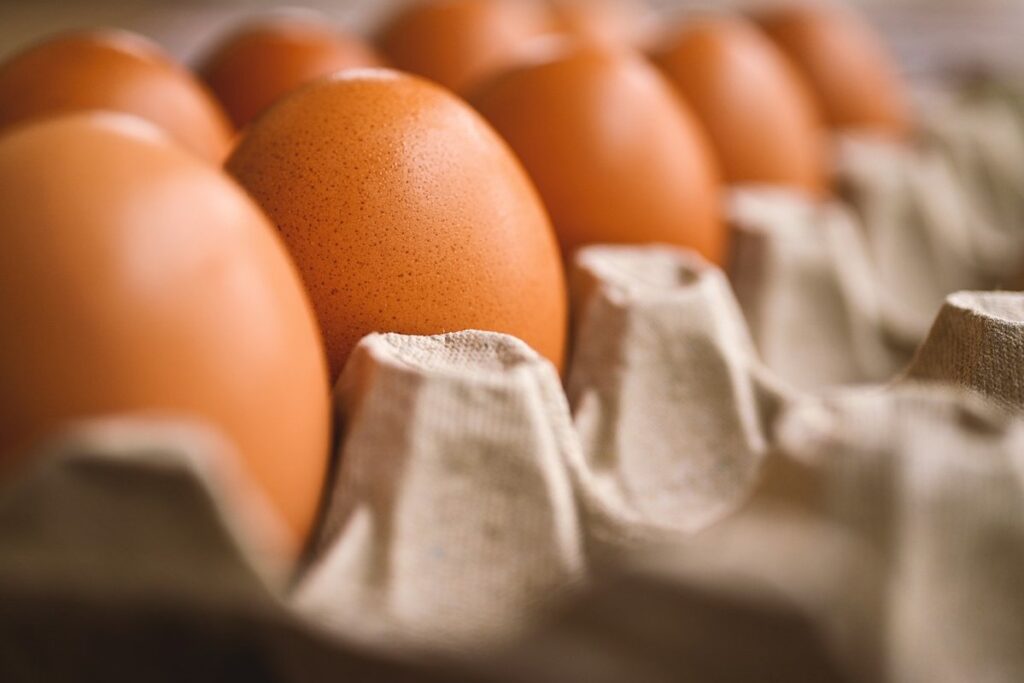
Understanding the Basics
Let’s start by understanding the basics of Rhode Island White egg color chart range, which can be a bit confusing at first glance. This section will break down the fundamentals for you.
The Importance of Eggshell Coloration
Eggshell coloration is more than just a cosmetic trait; it plays a significant role in determining egg quality and fertility. As you’re likely familiar with Rhode Island White chickens, which are known for their pure white eggs, understanding the importance of eggshell coloration can help you better care for your flock.
Research has shown that lighter eggshells tend to be more fertile than darker ones. This is because light-colored eggs have a thinner shell membrane, making it easier for sperm to penetrate and fertilize the yolk. In fact, studies have found that eggs with lighter shells have a 10-15% higher fertility rate compared to those with darker shells.
Not only does eggshell color impact fertility, but it can also be an indicator of breed characteristics. For example, pure white eggs are often associated with hybrid breeds like the Rhode Island White. The consistent eggshell color is not only aesthetically pleasing but also a reliable indicator that your flock is healthy and thriving.
Types of Eggshell Colors
When it comes to eggshell colors, you’ll find that Rhode Island White eggs are part of a broader range of hues. While the Rhode Island White color chart range is our main focus, understanding other types of eggshell colors can help you appreciate the unique characteristics of this breed.
Let’s start with the most common eggshell colors: white, brown, and blue. These three colors are often found in backyard chicken flocks and commercial farms alike. Within these categories, there are various shades and ranges to consider:
* White eggs come in a range of shades from pure snow white to creamy off-white.
* Brown eggs can be light beige or dark chocolate brown, with some breeds producing eggs that are almost black.
* Blue eggs owe their color to the pigments in the hen’s diet and can range from pale sky blue to deep navy.
But that’s not all – you’ll also find green and olive-colored eggs, which are produced by certain heritage breeds like Araucanas and Ameraucanas. These colors may seem unusual, but they’re a result of natural genetic variations within these bird populations.
Keep in mind that eggshell color is determined by genetics, so it can be challenging to breed chickens that produce eggs with specific colorations. However, for backyard chicken keepers, understanding the different types of eggshell colors can help you appreciate the diversity and uniqueness of your flock’s eggs.
Rhode Island White Breed Overview
The Rhode Island White breed is a purebred chicken known for its friendly and docile nature, laying large, white eggs. Let’s take a closer look at their unique characteristics.
Origin and History
The Rhode Island White breed has a rich history that dates back to the 19th century. Developed in the state of Rhode Island, USA, this breed was created by crossing local fowl with birds from England’s Orpington and Plymouth Rock breeds. The resulting bird was bred for its unique characteristics: hardiness, high egg production, and a pure white plumage.
One of the defining features of the Rhode Island White is its striking appearance. With a pure white coat that can range in shade from a bright snow-white to a creamy ivory, this breed stands out among others. Its compact build, friendly demeanor, and gentle nature have made it a favorite among backyard chicken enthusiasts.
In terms of egg production, Rhode Island Whites are known for their high fertility rate and consistent laying schedule. They typically begin laying eggs at around 20 weeks of age and continue to produce an impressive number of eggs throughout the year.
Egg-Laying Ability
The Rhode Island White breed is renowned for its exceptional egg-laying ability, making it a popular choice among backyard chicken keepers and commercial farmers alike. On average, a healthy Rhode Island White hen will lay around 200-220 brown eggs per year, with some individuals producing as many as 280 eggs annually.
In terms of fertility rates, Rhode Island Whites have an impressive 95% or higher hatch rate when fertilized by a rooster. This means that out of every 100 eggs laid, around 95 will be fertile and capable of incubation.
To maximize your Rhode Island White’s egg-laying potential, it’s essential to provide them with a nutritious diet, plenty of fresh water, and a safe, stress-free living environment. A balanced layer feed supplemented with fruits, vegetables, and probiotics can help support their reproductive health and ensure optimal egg production.
Regular health checks and vaccinations will also play a crucial role in maintaining your flock’s overall well-being and fertility rates. By following these simple tips, you’ll be able to enjoy an abundance of delicious, brown eggs from your Rhode Island Whites for years to come.
The Perfect White: Eggshell Color Variations
When it comes to eggshell color variations, Rhode Island Whites offer a beautiful range of subtle shades. Let’s explore some popular eggshell colors that complement this classic hue perfectly.
Understanding the RO Scale
The RO (Rooster Operator) scale is a widely used and accepted method for measuring eggshell color. To determine the shade of an eggshell using the RO scale, you need to evaluate its appearance under certain lighting conditions. The RO scale ranges from 0 to 9, with 0 being the darkest brown and 9 being pure white.
When evaluating an eggshell’s color on the RO scale, it’s essential to consider the following key points:
* Light exposure: Observe the eggshell in both natural light and artificial lighting conditions.
* Color consistency: Check if the color is consistent across the entire surface or if there are any variations.
* Pigmentation: Note the intensity of the pigment on the eggshell, as it can affect the overall shade.
For example, an eggshell with a RO value of 5 will have a moderate brown tint. If you want to achieve a specific shade within the Rhode Island White color range, use the RO scale to identify the ideal RO value for your desired outcome. By understanding how to apply the RO scale effectively, you can select eggs that match your needs and preferences more accurately.
Common Shades of White in Rhode Island Whites
When it comes to Rhode Island White eggs, you’ll often notice that they display various shades of white. While some may appear pure and snow-white, others might have a creamy or pale yellow undertone. These subtle variations are entirely normal and can be attributed to the breed’s genetic makeup.
You’re likely to encounter three common shades within this range: cream, pale yellow, and pure white. Cream-colored eggs tend to have a warm, beige-like hue that adds depth to their appearance. On the other hand, pale yellow eggs often have a slightly brighter or more golden tone, while still being relatively light in color.
Keep in mind that even among the same flock, eggshells can exhibit varying shades of white due to factors like age and nutrition. However, this diversity is what makes Rhode Island Whites so fascinating and charming. If you’re collecting eggs from your backyard hens or purchasing them from a local farmer’s market, be sure to inspect each egg carefully for any visible cracks or imperfections before using them in the kitchen.
Factors Affecting Eggshell Color
Let’s dive into what affects those beautiful eggshell colors, from genetics and nutrition to environmental factors that influence the Rhode Island White breed’s signature hues.
Genetics and Breeding
Genetics play a crucial role in determining the eggshell color of Rhode Island Whites. Breeders can influence this trait by selecting and breeding birds with desirable characteristics. The genetics behind eggshell coloration are complex, but understanding them is essential for creating uniformity in flocks.
Eggshell color is determined by multiple genes working together. In Rhode Island Whites, two main genes control the eggshell color: the brown pigment gene (B) and the white pigment gene (W). The interaction between these genes determines the final eggshell color. Breeders can manipulate this genetic combination to produce birds that lay eggs with a range of shades.
To breed for uniform eggshell color, it’s essential to start with a flock of birds known to lay eggs within a specific shade range. Gradually introduce new birds to the flock and select those that consistently lay eggs matching the desired color. Monitor the results over several generations to refine your breeding program. By doing so, you can develop a flock that produces eggs with consistent, predictable eggshell colors.
Nutrition and Diet
Adequate nutrition plays a vital role in maintaining healthy eggshell production, which directly affects the color and quality of eggs. When it comes to Rhode Island White chickens, their diet can significantly impact the appearance of their eggs. A well-balanced diet rich in calcium, phosphorus, and other essential nutrients is crucial for producing strong, colored eggshells.
Calcium, in particular, is essential for building and maintaining the integrity of eggshell membranes. Laying hens require around 3-4 grams of calcium per day to produce a healthy eggshell. Foods high in calcium, such as oyster shells, crushed eggshells, or dark leafy greens like kale and spinach, should be included in their diet.
A good rule of thumb is to provide your Rhode Island White chickens with a mix of pellets specifically formulated for laying hens, supplemented with fresh fruits and vegetables. For example, adding apple slices or carrot tops can provide an extra boost of calcium while also adding fiber and other essential nutrients to their diet.
Collecting and Recording Data
When collecting and recording data, it’s essential to follow a systematic approach to ensure accuracy and reliability. We’ll outline the steps to achieve consistent results in your observations of Rhode Island White egg color chart range.
Creating an Egg Color Chart
When tracking and analyzing eggshell color for Rhode Island White chickens, it’s essential to have a systematic approach. Creating an accurate egg color chart is crucial to ensure consistent and reliable data collection. Start by deciding on the parameters you want to measure. This includes the specific shades of brown or other colors present, as well as any notable characteristics like streaks or speckles.
For a comprehensive chart, consider creating separate columns for different aspects of eggshell color, such as:
* Dominant color
* Secondary color
* Intensity level (e.g., light, medium, dark)
* Presence and pattern of markings (e.g., stripes, spots, etc.)
To make your chart user-friendly, choose a format that allows for easy sorting and filtering. This can be achieved through the use of tables in a spreadsheet or by setting up separate sections within a graph. For instance, you might create a table with each row representing an individual egg and columns for different color parameters.
Remember to include space for note-taking, as this will allow you to document any observations or anomalies that may arise during data collection. This thoughtful approach will enable you to track patterns and trends in your Rhode Island White eggs’ coloration over time.
Tips for Accurate Measurement
When collecting data for your Rhode Island White egg color chart range, it’s essential to ensure that your measurements are accurate. One way to do this is by using the RO scale correctly. The RO scale measures the percentage of red and orange pigmentation in an eggshell, with a range from 0 (no red or yellow) to 18 (extreme red). To use the RO scale accurately:
* First, make sure you have a reliable color chart or reference point for comparison.
* Next, carefully examine each eggshell under good lighting conditions. Consider using a magnifying glass if necessary.
* Then, compare the eggshell’s color to the corresponding RO scale value on your color chart.
To take it a step further, consider using multiple observers to verify measurements and data. This can help ensure that any discrepancies are caught and corrected before recording. Regularly reviewing and updating your data collection methods will also help maintain accuracy over time.
Putting it All Together: Creating Your Own Egg Color Chart Range
Now that you’ve mastered the Rhode Island White egg color chart range, let’s create your own customized version at home. Here’s a step-by-step guide to help you put it all together.
Step-by-Step Instructions
To create your own Rhode Island White egg color chart range, follow these step-by-step instructions. Start by collecting initial data on the eggs you’ll be working with. This includes taking note of their shell color, shape, and size. Record this information in a spreadsheet or database to make it easy to analyze later.
Next, gather data on the egg’s internal qualities such as yolk color, white height, and weight. Take precise measurements for these characteristics to ensure accurate data collection. Consider using a high-quality camera to capture images of each egg from multiple angles, allowing you to visualize and compare their colors more effectively.
Once you have all your data collected, it’s time to analyze the results. Use statistical software or spreadsheets to identify patterns and trends in your data. Look for correlations between different characteristics, such as how shell color affects yolk color. This will help you refine your egg color chart range and ensure it accurately reflects the diversity of Rhode Island White eggs.
Finally, apply what you’ve learned by refining your egg color chart range based on your findings. Make adjustments to include more accurate and representative colors, ensuring that your chart is a valuable resource for breeders and enthusiasts alike.
Interpreting Results and Making Informed Decisions
Now that you have collected data on your Rhode Island White egg color chart range, it’s time to interpret the results and make informed decisions for future breeding programs or hatching plans. This is where careful analysis comes into play.
Start by reviewing your egg color chart and looking for trends in the data. For example, are there specific combinations of genes that consistently produce desirable colors? Are certain breeders producing more consistent results than others? Consider factors such as hatch rate, fertility rates, and chick quality when evaluating the success of each combination.
Identify patterns in the data to make informed decisions about which breeding pairs or individual birds to use in future programs. For instance, if one breeder consistently produces high-quality chicks with a specific egg color, it may be worth incorporating their genetics into your own program.
Ultimately, the goal is to create a cohesive and consistent look within your Rhode Island White flock. By analyzing data and making informed decisions, you can refine your breeding program and achieve the desired results.
Frequently Asked Questions (FAQs)
We’ve compiled a list of frequently asked questions and their answers to help you better understand Rhode Island White egg color chart ranges and their nuances. Below, you’ll find our most common queries addressed.
Addressing Common Concerns
Many readers may have concerns about eggshell color, particularly when it comes to genetics, nutrition, and environmental factors. We understand that these factors can be confusing, but rest assured that we’ll address the most common questions and provide you with a better understanding of what affects eggshell color.
Genetically, Rhode Island White chickens are known for their consistent eggshell production, with some owners reporting almost identical colors across multiple hens. However, it’s essential to note that genetics can influence the intensity or brightness of the shell rather than its overall color. For instance, a hen may produce lighter-colored eggs in the summer due to increased feed intake.
Nutrition plays a crucial role in determining eggshell color. Chickens that are fed high-quality feed with adequate calcium levels will typically lay eggs with vibrant colors. A diet rich in dark leafy greens, fruits, and vegetables can enhance the production of carotenoid pigments responsible for yellow and orange hues on the shell.
Environmental factors like exposure to sunlight, humidity, and temperature fluctuations can also impact eggshell color. Chickens exposed to direct sunlight may produce eggs with a more pronounced blue or green tint due to increased carotenoid synthesis. Conversely, hens kept in shaded areas may lay eggs with less vibrant colors.
To ensure consistent eggshell color, it’s crucial to maintain optimal living conditions for your Rhode Island White chickens. This includes providing adequate lighting, ensuring proper ventilation, and monitoring their feed intake. Regular health checks can also help identify potential nutritional deficiencies that might affect eggshell color.
By understanding the interplay between genetics, nutrition, and environmental factors, you’ll be better equipped to manage expectations and appreciate the unique characteristics of your Rhode Island White hens’ eggs. With a little patience and attention to detail, you can enjoy consistent and varied eggshell colors from your flock.
Frequently Asked Questions
How can I ensure accurate measurement of eggshell color when creating my own custom chart?
Accurate measurement is crucial for an effective egg color chart range. To ensure accuracy, use a high-quality RO scale or consult with experienced breeders. Additionally, record multiple readings per egg to account for potential variations in shell thickness and pigmentation.
What factors should I consider when interpreting the results of my egg color chart?
When analyzing your egg color chart data, take into account factors such as nutrition, genetics, and breeding practices. This will help you identify patterns and correlations that might not be immediately apparent. For example, a high concentration of certain minerals in their diet could affect eggshell pigmentation.
Can I use my egg color chart to compare the egg quality across different breeds?
Yes, your custom egg color chart can serve as a valuable tool for comparing egg quality among various breeds. However, keep in mind that each breed has its unique characteristics and genetic makeup. Be sure to consider these factors when interpreting your results.
How do I handle inconsistent or irregular eggshell colors within my flock?
Consistency is key when maintaining an accurate egg color chart range. If you notice inconsistent or irregular eggshell colors, consult with a veterinarian or experienced breeder to rule out any underlying health issues. Regular monitoring of your flock’s nutrition and living conditions can also help minimize these inconsistencies.
Can I use the RO scale measurements to predict future changes in my Rhode Island White breed’s egg color?
While the RO scale provides valuable insights into current eggshell pigmentation, it may not accurately predict future changes. Factors such as genetic drift, nutritional shifts, or environmental influences can all impact eggshell color over time. Regularly update your chart and adapt to any observed changes in your flock’s characteristics.