
Are you a backyard chicken keeper or an aspiring one? If so, you’re probably curious about the Rhode Island White chicken breed, known for its friendly nature and impressive egg-laying abilities. But have you ever stopped to think about the color of their eggs? As it turns out, the Rhode Island White egg color range is quite unique, making them a popular choice among homesteaders and farmers alike.
In this article, we’ll delve into the characteristics of Rhode Island White chickens, covering not only their egg-laying prowess but also the nutritional benefits of their eggs. We’ll discuss health considerations to keep in mind when raising these birds, as well as provide tips on how to collect and store their eggs with vibrant, long-lasting shells. By the end of this article, you’ll have a better understanding of what makes Rhode Island White eggs so special.
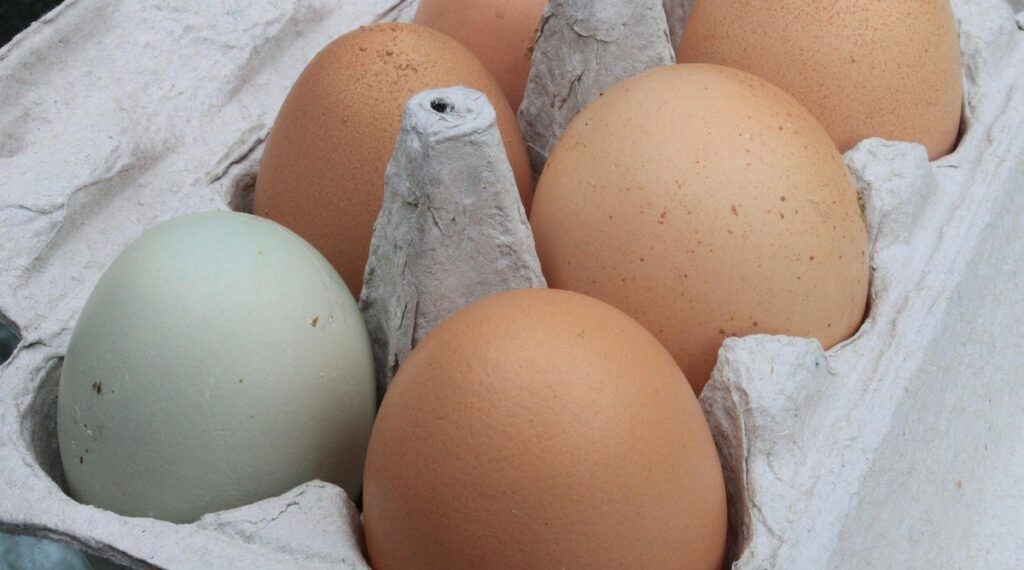
Understanding Rhode Island White Eggs
Let’s take a closer look at what makes Rhode Island White eggs unique and how their color range can impact your cooking experience.
Origin and History of Rhode Island White Breed
The Rhode Island White breed has its roots in 19th-century America, specifically in New England. Its development is closely tied to the creation of other dual-purpose breeds like the Plymouth Rock and the Dominique. The goal was to produce a hardy bird that excelled at both egg-laying and meat production.
As early as the 1830s, farmers were experimenting with crossbreeding different fowl species to create birds that could thrive in harsh New England weather conditions. The resulting Rhode Island White breed became known for its high fertility rate and its ability to produce an average of 200-300 eggs per year. One key factor contributing to this success was the breed’s genetic makeup, which included a mix of European fowl species such as the English Leghorn and the Dorking.
Today, the Rhode Island White remains one of the most recognizable egg-laying breeds due in part to its distinctive white eggs. The purebred Rhode Island White is prized for its ability to produce high-quality eggs with minimal waste or variation.
Characteristics of Rhode Island White Chickens
Rhode Island White chickens are known for their distinctive characteristics that make them a popular choice among backyard chicken keepers. One of the most notable features is their striking white plumage, which can vary from pure white to have some golden or cream-colored flecks. In terms of temperament, Rhode Island Whites are friendly, docile birds that are easy-going and adaptable.
When it comes to egg-laying abilities, these chickens are prolific producers, laying an average of 200-220 eggs per year. Their eggs are large to extra-large in size and have a light-brown to creamy white color. One key thing to note is that the egg color can vary depending on diet and living conditions.
In terms of specific characteristics, Rhode Island Whites tend to be medium-sized birds, weighing between 6-8 pounds. They also have a relatively high fertility rate when it comes to hatching eggs, making them a great choice for those looking to raise chicks. With proper care and management, these chickens can live up to 8-10 years or more.
The Color Range of Rhode Island White Eggs
When it comes to the color range of Rhode Island White eggs, you’ll find a stunning palette that adds visual appeal to your baking creations. Let’s explore the beautiful shades this breed offers in more detail.
Eggshell Colors: From Cream to Ivory
When it comes to Rhode Island White eggs, you can expect a range of beautiful white shades, from soft and creamy to pure and brilliant. One of the most notable variations is cream-colored eggs, which have a subtle warmth and gentle undertones. These eggs often appear more yellowish-white or beige-like in certain lighting conditions.
On the other end of the spectrum, some Rhode Island White hens produce ivory-colored eggs, characterized by their delicate, soft sheen and slight warmth. While still white, these eggs tend to be slightly darker than pure whites and have a hint of creaminess.
In addition to cream and ivory, you may also encounter pure white eggs from Rhode Island Whites. These eggs are incredibly clean and bright, with no noticeable undertones or warmth. Pure whites are often preferred by bakers and cooks due to their neutral color and clean appearance.
Factors Affecting Eggshell Color
When it comes to the color range of Rhode Island White eggs, several factors can influence their appearance. One of the most significant contributors is diet. The hens’ feed plays a crucial role in determining the intensity and uniformity of eggshell colors. For example, eggs laid by hens on an all-grass diet tend to have a richer, more vibrant color compared to those fed commercially produced pellets.
Age also affects eggshell color. As Rhode Island White hens mature, their egg production increases, but so does the likelihood of variations in shell color. It’s not uncommon for young pullets to lay eggs with soft or pale shells, which darken as they grow older.
The health of the hen is another critical factor influencing eggshell color. Stress, nutritional deficiencies, and other health issues can cause a range of visual abnormalities on the eggshell, from dullness to discoloration. Monitoring your flock’s diet and ensuring their overall well-being can help minimize these effects and promote consistent eggshell colors. Regular checks for any signs of illness or stress will also enable you to take corrective action promptly.
Nutrition and Diet for Healthy Eggshell Production
To ensure your Rhode Island Whites are producing their signature blue-green eggs, it’s essential to fuel them with a balanced diet rich in nutrients. A well-planned nutrition plan can make all the difference.
Importance of Balanced Diets for Laying Hens
A balanced diet is essential for laying hens to produce high-quality eggs with vibrant eggshells. Just like humans, chickens require a well-rounded diet that meets their nutritional needs to maintain optimal health and productivity. A diet rich in fiber, vitamins, and minerals helps support healthy digestion, immune function, and energy production.
For Rhode Island White hens specifically, a balanced diet can make a significant difference in eggshell quality. For instance, a study found that hens fed with a diet high in calcium produced eggs with stronger shells compared to those on a low-calcium diet (1). Similarly, a well-balanced diet can also reduce the risk of eggshell thinning and breakage.
To ensure your Rhode Island White hens receive a balanced diet, focus on providing them with:
* A mix of fresh fruits, vegetables, and whole grains
* High-quality commercial layer feed that meets their nutritional needs
* Access to clean water at all times
* Regular rotation of pasture to provide essential vitamins and minerals
By following these guidelines, you can promote healthy eggshell production in your Rhode Island White hens.
Examples of Nutrient-Rich Foods for Rhode Island Whites
Rhode Island Whites are prolific layers, and their eggshell production is directly related to their diet. To promote healthy eggshell production and vibrant egg color, it’s essential to feed them nutrient-rich foods. Include a variety of fruits, such as berries (strawberries, blueberries, raspberries), citrus fruits (oranges, lemons, limes), and apples in their diet. These fruits are rich in vitamins A and C, potassium, and fiber.
Vegetables like leafy greens (spinach, kale, collard greens), broccoli, carrots, and sweet potatoes are also excellent additions to their feed. These veggies are packed with calcium, vitamin K, and other essential minerals that promote strong bones and eggshell production.
Grains like oats, barley, and wheat provide energy for Rhode Island Whites. However, it’s crucial to balance grains with high-quality protein sources like mealworms, crickets, or laying pellets specifically formulated to meet their nutritional needs.
When introducing new foods, start with small amounts to prevent digestive upset and ensure they’re processed correctly by the birds’ system.
Tips for Collecting and Storing Eggs
To get the most out of your Rhode Island White eggs, it’s essential to collect and store them properly to maintain their freshness and quality. Let’s dive into some expert tips for collecting and storing these beautiful eggs!
Best Practices for Cleaning and Handling Eggs
When collecting eggs from your Rhode Island White hens, it’s essential to handle them gently to prevent damage and contamination. Start by carefully grasping the egg at the large end, where the air cell is located, rather than holding it by the narrow end. This helps distribute the weight of the egg evenly and reduces the risk of cracking.
When collecting eggs from multiple birds, make sure to collect them in a clean container or tray lined with paper towels or a soft cloth to prevent breakage and contamination. Always wash your hands before handling eggs, and avoid touching the eggshell as much as possible to minimize the risk of introducing bacteria.
To further reduce the risk of contamination, consider collecting eggs frequently, especially during peak production periods. This can help prevent eggs from sitting in the coop for extended periods, which can increase the risk of bacterial growth. By following these simple tips, you can help ensure that your Rhode Island White eggs are collected and handled safely.
Storage and Handling Methods for Maximum Freshness
When it comes to storing and handling Rhode Island White eggs for maximum freshness, proper storage is crucial. You can store them in cartons or boxes specifically designed for egg storage, making sure to keep the eggs pointed end down to prevent moisture from seeping in.
Refrigeration is also essential to maintain egg quality. Store the eggs in the coldest part of your refrigerator at a consistent temperature below 40°F (4°C). It’s best to place them in their original carton or packaging to protect them from other strong-smelling foods, as eggs can absorb odors easily.
If you have an abundance of Rhode Island White eggs and want to store them for longer periods, freezing is an option. Crack the eggs into an airtight container or freezer bag, making sure to remove as much air as possible before sealing. Label the container with the date and contents, then store it in your freezer at 0°F (-18°C) or below.
Remember to use frozen eggs within six months for best quality. Always thaw them in the refrigerator or under cold running water before using.
Health Considerations for Rhode Island Whites
When raising Rhode Island White chickens, it’s essential to consider their health needs, especially given their unique characteristics and potential vulnerabilities. This section addresses common health concerns specific to this breed.
Common Health Issues Affecting Eggshell Quality
When it comes to maintaining a healthy flock of Rhode Island Whites, eggshell quality is crucial. Unfortunately, certain health issues can compromise the quality and appearance of eggs. Respiratory problems, such as bronchitis and pneumonia, can weaken a hen’s immune system, leading to irregularities in eggshell formation. These conditions often arise from poor ventilation, inadequate nutrition, or exposure to disease.
Parasites like mites, lice, and fleas can also negatively impact egg production and quality. Infestations can cause stress, discomfort, and even nutrient deficiencies, all of which can be reflected in the appearance of eggs. For instance, a hen infested with internal parasites may produce eggs with rough or uneven shells.
Nutrient deficiencies are another common issue affecting Rhode Island Whites’ eggshell quality. Inadequate calcium intake, for example, can lead to brittle or weak shells. To prevent such problems, it’s essential to provide your flock with a balanced diet rich in minerals and vitamins. Regular health checks, proper sanitation, and monitoring of nutrient levels can also help mitigate the risk of these issues affecting eggshell quality.
Preventative Measures for Healthy Flock Management
Maintaining a healthy flock is crucial for producing eggs with consistent color range and quality. Regular veterinary check-ups are essential to monitor the health of your Rhode Island Whites. Schedule annual visits to detect potential issues early on, such as internal parasites or respiratory problems.
Sanitation is another critical aspect of flock management. Ensure your coop and run are cleaned regularly to prevent disease transmission. Remove soiled bedding, disinfect feeders and waterers, and maintain a clean and dry environment for your birds.
Nutrition planning is also vital for healthy egg production. Provide a balanced diet that meets the nutritional needs of your Rhode Island Whites. Consider consulting with a veterinarian or poultry expert to determine the best feeding schedule for your flock. A well-nourished flock will not only lay eggs with consistent color range but also remain healthy and productive.
Remember, preventative measures are key to maintaining a thriving flock. By prioritizing regular veterinary check-ups, sanitation, and nutrition planning, you’ll be well on your way to raising happy, healthy Rhode Island Whites that produce high-quality eggs.
Benefits of Eating Eggs from Rhode Island White Chickens
When it comes to enjoying eggs from Rhode Island White chickens, there are numerous benefits that set them apart from other egg-laying breeds. Let’s dive into what makes these eggs a nutritious and delicious choice for you.
Nutritional Value of Rhode Island White Eggs
Rhode Island White eggs are renowned for their exceptional nutritional value, making them an excellent choice for those seeking high-quality protein and essential vitamins and minerals. These eggs are an outstanding source of protein, containing approximately 6-7 grams per large egg. The protein found in Rhode Island White eggs is considered complete, meaning it contains all nine essential amino acids necessary for human health.
In addition to their high protein content, Rhode Island White eggs are also rich in various vitamins and minerals, including vitamin D, B12, and iron. Vitamin D is crucial for maintaining strong bones and immune function, while vitamin B12 plays a vital role in the production of red blood cells. Iron is essential for transporting oxygen throughout the body.
To maximize the nutritional benefits of Rhode Island White eggs, it’s recommended to consume them as part of a balanced diet that includes a variety of other whole foods. For example, pairing an egg with spinach or avocado can provide an excellent source of iron and healthy fats. When choosing eggs from Rhode Island White chickens, look for labels that guarantee the presence of omega-3 fatty acids, which are also beneficial for heart health.
The Role of Local and Sustainable Farming in Food Security
When you purchase eggs from local farmers like those who raise Rhode Island Whites, you’re not just getting a delicious and nutritious product – you’re also supporting food security and community development. Local and sustainable farming practices play a vital role in ensuring that communities have access to fresh, healthy food.
By choosing locally sourced eggs, you’re reducing your reliance on industrial agriculture, which often prioritizes efficiency over sustainability. Industrial farms can be miles away from the consumer, making it difficult for people in urban or rural areas to access fresh produce. Local farmers, on the other hand, are more likely to sell their products directly to consumers through farmers’ markets, community-supported agriculture programs (CSAs), or online.
This direct-to-consumer model has a number of benefits. Not only does it provide consumers with fresher eggs, but it also helps to build strong relationships between farmers and their communities. Many local farms offer educational workshops, farm tours, and volunteer opportunities that allow customers to get involved in the farming process. By investing in your local food system, you’re not only ensuring a steady supply of fresh eggs but also contributing to the well-being of your community.
Frequently Asked Questions
Can I expect consistent eggshell color from my Rhode Island White hens?
Consistent eggshell color can vary depending on individual bird characteristics, genetics, and nutrition. While Rhode Island Whites are known for their predominantly white eggs, it’s not uncommon to see slight variations in shell color. Factors like diet, health, and breed traits can all influence the final eggshell color.
How often should I collect eggs from my Rhode Island White flock?
Collecting eggs regularly is essential to maintain a healthy flock and prevent breakage or contamination. Consider collecting eggs at least once daily, making sure not to overcrowd your nesting boxes. This frequency will also help you monitor for any signs of illness or stress.
Are there specific nutritional requirements for Rhode Island Whites to produce high-quality eggs?
Yes, providing a balanced diet rich in calcium and protein is crucial for healthy eggshell production. Include nutrient-rich foods like oyster shells, leafy greens, and insects in their diet. Also, ensure access to fresh water at all times to prevent dehydration.
Can I raise Rhode Island Whites in colder climates or do they require warmer temperatures?
Rhode Island Whites are relatively hardy birds but can adapt better to temperate climates with moderate winters. They may struggle in extremely cold conditions, so provide adequate shelter and protection from harsh weather if raising them in colder areas.
How long do Rhode Island White eggs typically last before spoilage, and what’s the best way to store them?
Eggs from Rhode Island Whites can last up to 5 weeks when stored properly. Store them in a cool, dry place away from direct sunlight. Consider using cartons or egg boxes to prevent breakage and maintain freshness. Always check eggs regularly for signs of spoilage or damage.