
When it comes to backyard chickens, one of the most fascinating aspects is the unique characteristics of their eggs. For Rhode Island White chicken owners, you’re likely curious about the color range of your flock’s eggs. Do they lay pure white eggs or something in between? The answer lies in understanding eggshell pigmentation and what factors influence it.
Rhode Island Whites are known for their beautiful cream to white eggs, but have you ever wondered why some eggs might be lighter or darker than others? In this article, we’ll explore the color range of Rhode Island White eggs, including the genetics behind their creamy hue. We’ll also discuss how diet, nutrition, and other factors can impact eggshell pigmentation, so you can better understand what’s normal for your flock.
Understanding Rhode Island White Eggs
When it comes to Rhode Island White eggs, you might be wondering how their color can vary despite being called “white.” Let’s break down what affects their eggshell hues.
Origin and History of Rhode Island Whites
The Rhode Island White chicken breed has its roots in the early 20th century when poultry enthusiasts began developing dual-purpose breeds. These birds were designed to excel in both egg production and meat quality. As a result, the Rhode Island White emerged as a popular choice for small-scale farms and backyard flocks.
Originally known for their high egg-laying capacity, with an average of 200-220 brown eggs per year, Rhode Island Whites quickly gained popularity among farmers. Their sturdy build, friendly temperament, and low maintenance requirements only added to their appeal. In fact, by the mid-20th century, they were one of the most widely kept breeds in the United States.
Their dual-purpose nature made them an excellent choice for small-scale farms and homesteads. Farmers could rely on Rhode Island Whites for both a steady supply of fresh eggs and meat for the family table. Today, while their popularity may have waxed and waned over the years, Rhode Island Whites remain a beloved breed among chicken enthusiasts for their rich history, hardiness, and versatility.
Characteristics of Rhode Island White Chickens
The Rhode Island White chicken breed is renowned for its exceptional qualities that make them an excellent choice for small farms and backyard flocks. Physically, they are a medium-sized bird with a gentle appearance, characterized by their white plumage, clean legs, and beak. A distinguishing feature of this breed is their ability to maintain their white feathers throughout the year, making them a stunning addition to any flock.
In terms of temperament, Rhode Island Whites are known for their friendly and docile nature. They are social birds that thrive in the company of humans and other chickens. They are also relatively quiet, which makes them suitable for backyard flocks where noise is a concern. When it comes to egg-laying abilities, Rhode Island Whites are prolific layers, producing an average of 200-220 large white eggs per year.
One of the primary reasons they’re ideal for small farms and backyard flocks is their hardiness and adaptability. They can tolerate cold climates and are relatively low-maintenance, making them a great choice for beginner chicken keepers.
Eggshell Color Variations
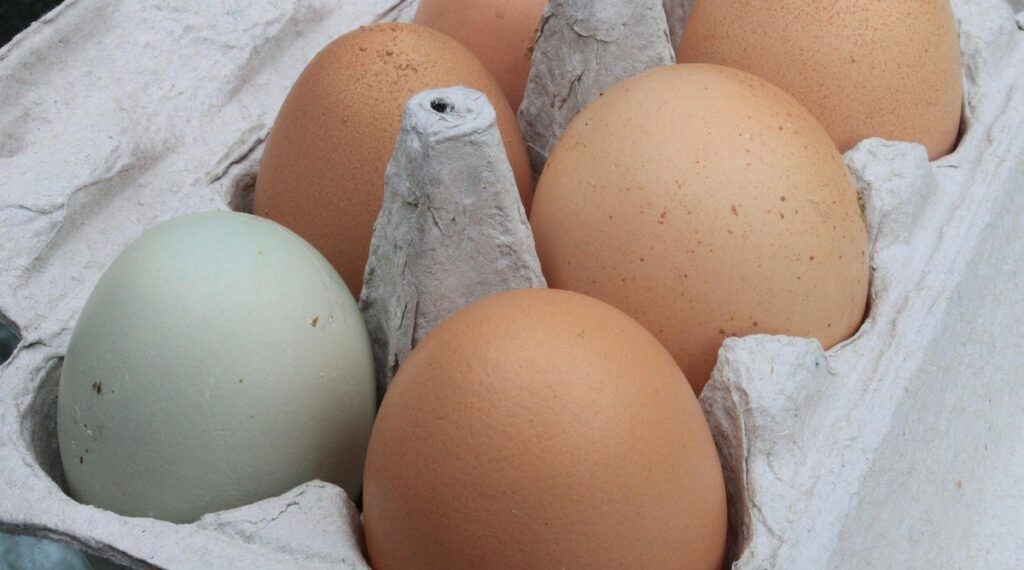
When it comes to Rhode Island White eggs, you’ll notice a lovely range of colors on the eggshells themselves, from soft creams to warm beiges. Let’s take a closer look at these variations in more detail.
Cream to White: The Normal Range
When you crack open a Rhode Island White egg, you’ll typically find a beautiful, creamy white shell. But did you know that these eggs can sometimes appear slightly off-white or even have a light brown tint? The reason for this variation lies in the complex process of eggshell pigmentation.
Factors like diet, genetics, and age can all influence the color range of Rhode Island White eggs. For example, hens that are fed a high-quality, nutrient-rich diet may lay eggs with a more vibrant white shell, while those on a less nutritious diet may produce eggs with a slightly off-white or yellowish tint.
But what about eggs that fall outside this cream-to-white range? Are they still safe to eat and of good quality? Absolutely! The color of the eggshell doesn’t affect its nutritional content or edibility. In fact, Rhode Island White eggs are prized for their rich, buttery flavor and high-quality protein, regardless of shell color.
To determine if your Rhode Island White eggs fall within the normal range, look for a creamy white shell with no visible yellow or brown tint. If you’re unsure, simply check the egg’s appearance against photos of typical Rhode Island White eggs online to get an idea of what to expect.
Darker or Lighter Shades: What’s Normal?
When it comes to Rhode Island White eggs, breeders and consumers often notice variations in eggshell color. While some may expect a uniform white hue, the acceptable range for this breed includes darker or lighter shades. In general, eggshells can vary from a pale creamy white to a slightly darker beige tone.
For breeders, it’s essential to understand that these color variations are a natural result of genetics and environmental factors. A darker shell may indicate a bird’s exposure to certain pigments in its diet, while a lighter shell could suggest a more alkaline environment. However, these differences don’t impact the egg’s nutritional value or quality.
As consumers, it’s worth noting that slightly darker shells can be an indicator of better eggshell strength and thickness. On the other hand, very light shells might be more prone to cracking. When purchasing Rhode Island White eggs, look for breeders who prioritize maintaining a consistent standard in their flock, even if it means occasional variations in shell color.
Factors Affecting Eggshell Color
When it comes to Rhode Island White eggs, many people wonder what influences their distinctive shell color. Several key factors contribute to this unique characteristic.
Genetics and Breed Characteristics
When it comes to the Rhode Island White chicken breed, their eggshell color is primarily determined by genetics. Specifically, two types of genes play a significant role: dominant and recessive genes.
Rhode Island Whites are known for producing white eggs due to a dominant gene that codes for the production of tyrosinase, an enzyme necessary for melanin synthesis. However, this dominant gene doesn’t always guarantee a completely white eggshell. A combination of genetic variations and environmental factors can influence the final color outcome.
In the case of Rhode Island Whites, even with the presence of the dominant gene, there’s still a small chance that some eggs may exhibit slight pigmentation. This often occurs due to the interaction between the dominant gene and other genes present in the flock.
To give you an idea of just how genetics can impact eggshell color, consider this: research has shown that Rhode Island Whites with a specific genetic combination are more likely to produce darker brown or speckled eggs.
Nutrition and Health Implications
When it comes to the nutrition and health implications of eggshell color, particularly in Rhode Island White chickens, several factors come into play. A chicken’s diet plays a significant role in determining the color intensity and uniformity of their eggs. For instance, a balanced diet rich in calcium and phosphorus is essential for maintaining strong bones and shell production.
A study found that hens fed a higher protein diet produced eggs with a darker pigment, whereas those on a lower protein diet had lighter-colored eggs. Similarly, the age of the chicken can also impact eggshell color. Research indicates that younger hens tend to produce eggs with more intense pigmentation due to their higher reproductive potential.
The health status of the hen is another critical factor influencing eggshell color. Stress and disease can cause a decrease in egg production and quality, including reduced shell coloration. To promote optimal nutrition and health, it’s essential to provide your Rhode Island White chickens with access to fresh water, a balanced diet, and regular veterinary check-ups. Additionally, maintaining a clean coop environment and ensuring adequate space for exercise can also contribute to healthier hens and more vibrant eggs.
Importance of Eggshell Color Range
When it comes to Rhode Island White eggs, their color range is not just a matter of aesthetics, but also carries significance for both breeders and consumers. Let’s dive into why this color variation matters.
Breeder Selection and Marketing
When selecting breeds to market, breeders consider multiple factors, including eggshell color range. For Rhode Island Whites, a diverse and vibrant eggshell color palette can be a major selling point. To capitalize on this, breeders may select flocks that naturally produce eggs with varying shades of white, cream, or light brown.
To identify desirable traits in their flock, breeders can use techniques such as sorting by eggshell color, tracking individual bird performance, and monitoring the overall health of their birds. For instance, if a breeder notices that a particular hen consistently lays eggs with a unique, creamy undertone, they may choose to breed from her.
When marketing their flocks, breeders can highlight the diversity of eggshell colors as a key selling point. They can use photographs or videos showcasing the variety of eggshell colors in their flock and emphasize how this range adds value for consumers looking for specific characteristics in their eggs.
Consumer Preferences and Expectations
When it comes to choosing eggs, many consumers pay attention to more than just the farm’s reputation and egg quality. The color range of an eggshell can be a deciding factor for some buyers. Some may prefer a uniform white eggshell, while others might be drawn to eggs with slight variations in color.
In reality, eggshell color is largely determined by breed and genetics, but it’s also influenced by factors such as age, diet, and living conditions. For instance, young hens tend to lay pale blue or greenish eggs due to their still-developing pigments.
Buyers looking for a specific shade of white may be driven by aesthetics. Some consumers might find darker or lighter eggshells unappealing, while others appreciate the uniformity of Rhode Island White’s consistently pale color. Understanding these preferences is crucial for farmers seeking to cater to the market. By acknowledging and accommodating consumer desires, producers can increase their customer base and sales.
For buyers interested in eggs with unique colors, there are many alternatives available. However, those prioritizing a pure white eggshell may find Rhode Island White eggs an appealing choice due to their consistent color range and high-quality production standards.
Tips for Breeders and Keepers
If you’re a breeder or keeper of Rhode Island Whites, this section is for you – we’ll share valuable tips to help you showcase their stunning egg colors.
Selecting for Desired Traits
When selecting breeding stock for Rhode Island White eggs, it’s essential to focus on traits that will produce the desired range of eggshell colors. As a breeder or keeper, you want to ensure that your birds are producing eggs with the variety of color tones you’re aiming for.
To achieve this, look for individuals in your flock that exhibit the characteristics you want to pass on to their offspring. For example, if you’re looking to produce more blue-green eggs, identify hens that lay these colors and breed them with roosters that have a similar trait. On the other hand, if you prefer a more white-dominated egg range, choose parents that consistently lay pale, creamy whites.
When selecting breeding stock, also consider factors such as fertility rates, hatchability, and overall health. This will help ensure that your birds are producing healthy offspring with the desired traits. Keep detailed records of your flock’s performance to identify patterns and make informed decisions about future breedings. By doing so, you’ll be well on your way to cultivating a diverse range of eggshell colors from your Rhode Island White hens.
Managing Nutrition and Health
As a Rhode Island White breeder or keeper, you want to ensure that your flock is not only producing eggs with their signature white color but also staying healthy and thriving. A balanced diet and regular health checks are crucial for maintaining the overall well-being of your birds.
A nutrient-rich layer feed should be the main staple of your hens’ diet. This feed typically includes essential vitamins, minerals, and proteins that support egg production. It’s also important to provide access to fresh water at all times and a calcium supplement can help maintain strong eggshells.
Regular health checks are vital in preventing diseases and detecting any potential issues early on. Monitor your flock’s behavior, appetite, and droppings regularly. Ensure they have enough space to roam and exercise, as this will help reduce stress and promote overall health.
By providing the right nutrition and regular health checks, you’ll not only be promoting healthy egg-laying but also ensuring that your Rhode Island White eggs maintain their desirable white color.
Conclusion
Now that we’ve explored the fascinating color range of Rhode Island White eggs, let’s summarize our findings and take away some key insights from this journey.
Recap of Key Points
Understanding the color range of Rhode Island White eggs is crucial for breeders, keepers, and consumers alike. As we’ve explored throughout this post, these eggs come in a variety of colors, including white, brown, tan, and even blue-green.
We discussed how the Rhode Island White breed’s unique genetics contribute to its diverse egg color range. This trait makes it an attractive option for backyard chicken keepers looking to add some visual interest to their flock. For breeders, understanding this characteristic can help them make informed decisions when selecting birds for their flocks.
It’s also essential to note that the color of a Rhode Island White egg does not affect its nutritional value or taste. Whether you’re collecting white eggs from your backyard coop or purchasing them at the grocery store, rest assured that they’re just as delicious and nutritious as any other type of egg.
For those looking to breed Rhode Island Whites, it’s crucial to understand how to identify and promote desirable traits in their birds. This includes recognizing signs of healthy genetics, proper nutrition, and environmental conditions that contribute to a strong immune system and optimal egg production.
Ultimately, the Rhode Island White’s versatility is one of its most significant strengths. Its adaptability to different environments and ability to thrive under various management practices make it an excellent choice for a wide range of producers and consumers. By recognizing and appreciating this breed’s unique characteristics, we can better appreciate the beauty and diversity of backyard chicken-keeping and egg production.
Frequently Asked Questions
What factors contribute to the darker or lighter shades of eggs within my Rhode Island White flock?
In addition to genetics, diet and nutrition play a significant role in determining eggshell color variations. A balanced diet rich in calcium, vitamin D3, and other essential nutrients can influence eggshell pigmentation. Monitor your flock’s diet and ensure they have access to clean water and a well-rounded feed.
Can I expect all eggs from my Rhode Island Whites to be pure white?
No, it’s common for Rhode Island White chickens to lay eggs with varying shades of cream or off-white hues. This natural variation is due to the breed’s genetic makeup, which can result in lighter or darker eggshell colors.
How do I manage nutrition and health factors that may impact eggshell color in my flock?
To minimize potential issues, maintain a clean and well-ventilated coop, ensure access to fresh water, and provide a balanced diet rich in essential nutrients. Regular health checks, vaccinations, and parasite control can also help prevent health problems that might affect eggshell quality.
What if I notice significant deviations from the normal range of eggshell colors for my Rhode Island Whites?
Consult with a veterinarian or poultry expert to rule out any underlying health issues. They can help you identify potential causes and provide guidance on addressing any nutritional or environmental factors contributing to the problem.
Can I use eggshell color as an indicator of the fertility and quality of eggs produced by my Rhode Island White flock?
Yes, in general, healthier hens with better nutrition tend to produce higher-quality eggs, including those with more vibrant or consistent eggshell colors. However, it’s essential to remember that other factors like genetics, age, and health can also impact eggshell color, so don’t rely solely on this as an indicator of overall egg quality.