
Are you looking for a reliable source of fresh eggs from your backyard flock? The Rhode Island White chicken breed is a popular choice among egg enthusiasts, known for its exceptional laying abilities and high-quality eggs. But have you ever wondered about the color range of their eggs? From light brown to creamy white, the color of Rhode Island White eggs can vary significantly. In this article, we’ll delve into the science behind the color range, size, shape, and strength of their eggs. We’ll also discuss the key characteristics, care, and management tips for optimal egg production from these remarkable birds. Whether you’re a seasoned farmer or just starting out, understanding the Rhode Island White’s unique traits will help you get the most out of your flock.
Introduction to Rhode Island Whites
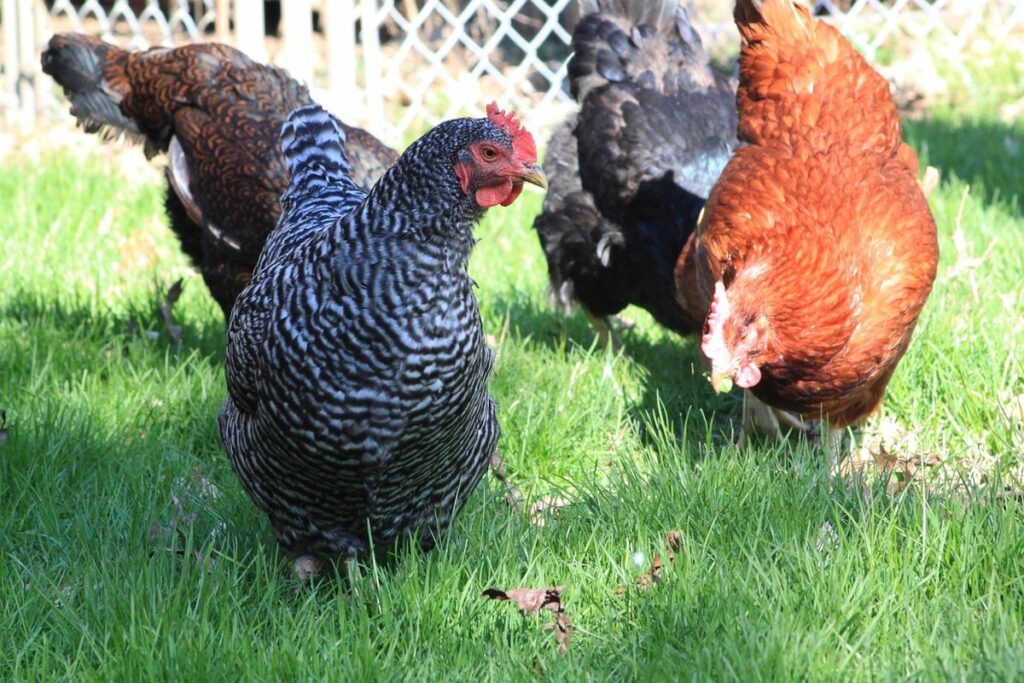
Let’s start by exploring the beautiful characteristics of Rhode Island White chickens, a popular breed known for their gentle nature and stunning white feathers.
Origin and History of the Breed
The Rhode Island White breed has its roots dating back to 1844 when it was developed from a cross between Light Brahma and White Leghorn chickens. This new breed quickly gained popularity among farmers due to its hardiness, high egg production, and friendly temperament. By the late 1800s, the Rhode Island White had become a staple in many farmyards across America.
One of the key factors that contributed to the breed’s success was its unique combination of characteristics. Rhode Island Whites were known for producing an average of 200-220 brown eggs per year, making them one of the most prolific egg-laying breeds of their time. Additionally, they were relatively easy to care for and could thrive in a variety of living conditions.
Today, the Rhode Island White remains a beloved breed among chicken enthusiasts due to its rich history and charming personality. If you’re considering adding this breed to your flock, be sure to look for birds that are true to type and have been raised with good breeding practices. With proper care, a Rhode Island White can provide you with years of delicious eggs and entertainment.
Physical Characteristics of Rhode Island Whites
The Rhode Island White is a medium-sized breed of chicken that weighs between 6-8 pounds. They are known for their clean and compact appearance, making them an ideal choice for backyard flocks. Their plumage is white with no feathering on the legs or face, giving them a sleek and refined look. One distinctive characteristic of the Rhode Island White is its small beak shape, which is well-suited to scratching and pecking at grain.
In terms of physical appearance, Rhode Island Whites have a relatively broad chest and a medium-length neck. Their wings are strong and well-fitted, allowing them to take flight with ease if needed. The breed’s size and proportions make it an excellent choice for small farms or homesteads where space is limited. One key factor to consider when raising Rhode Island Whites is their egg-laying capacity – they are prolific layers, producing around 200-220 eggs per year.
Understanding Egg Coloration in Rhode Island Whites
Let’s dive into the unique egg color characteristics of Rhode Island Whites, including their most common and less typical shades. You’ll be surprised by the diversity of colors!
The Science Behind Eggshell Pigmentation
Eggshell pigmentation is determined by two main factors: genetics and nutrition. Genetics play a significant role in determining egg color, with some breeds producing eggs of specific colors due to their genetic makeup. For example, the Rhode Island Red breed produces brown eggs due to its dominant brown pigment gene.
However, even within breeds that are known for producing white eggs, such as the Rhode Island White, genetics can influence eggshell pigmentation to a lesser extent. Nutrition also plays a crucial role in determining egg color, with certain nutrients and minerals affecting the production of pigments. For instance, a diet rich in beta-carotene can produce a yellow or orange tint on the eggshell.
In the case of Rhode Island Whites, their genetics predispose them to producing white eggs. However, it’s essential for breeders to ensure that these birds receive a balanced diet to maintain the purity of their egg color. This can be achieved by feeding them high-quality layers feed and providing access to fresh fruits and vegetables rich in nutrients.
In general, eggshell pigmentation is a complex process influenced by multiple factors. Understanding the role of genetics and nutrition can help breeders and owners achieve consistent egg colors and maintain the integrity of their flock.
Factors Influencing Egg Color Range in RIWs
The egg color range of Rhode Island Whites is influenced by several key factors. One significant consideration is diet, as it can impact the production of pigments responsible for eggshell coloration. For instance, a diet rich in beta-carotene from leafy greens or yellow vegetables can result in eggs with a richer, more vibrant tone.
The age of the chicken also plays a role in determining the final hue. Younger hens tend to lay eggs with paler shells due to their developing reproductive system. As they mature and reach full production, egg color may deepen or change slightly.
Health status is another crucial factor affecting eggshell pigmentation. Chickens experiencing stress, illness, or nutritional deficiencies can produce lighter or more irregularly colored eggs. Conversely, well-cared-for birds tend to lay eggs with consistent, richer colors.
By being aware of these factors and making adjustments as needed, you can promote a healthy and robust flock that produces consistently attractive eggs.
Characteristics of Rhode Island White Eggs
Rhode Island White eggs are prized for their unique characteristics, including a predominantly white appearance and some subtle variations in color. Let’s take a closer look at what to expect from these eggs.
Size, Shape, and Shell Strength
When it comes to the physical characteristics of Rhode Island White eggs, several key factors come into play. One of the most noticeable aspects is their size and weight. On average, a large egg from a Rhode Island White chicken weighs around 55-60 grams (1.94-2.12 oz) and measures approximately 58 mm (2.3 in) long by 39 mm (1.54 in) wide.
Another characteristic of these eggs is their shape, which is often described as being slightly pointed at one end. While this may not seem like a significant detail, it can actually be an indicator of the egg’s quality and freshness. A well-formed egg with a smooth curve from top to bottom indicates proper calcium absorption during its formation.
In terms of shell strength, Rhode Island White eggs are known for their robust exterior. The shell is generally thicker than average, which makes them more resistant to breakage and spoilage during storage or transportation. This added protection not only benefits the consumer but also reflects positively on the overall health and well-being of the laying hens themselves.
Cracking Performance and Ease of Handling
When it comes to cracking performance and ease of handling, Rhode Island White (RIW) eggs hold their own against other popular breeds. One notable feature is that RIW hens tend to lay slightly smaller eggs compared to some other heritage breeds, which makes them relatively easy to crack open without worrying about eggshell fragments getting into the bowl.
In practical terms, this translates to a lower risk of accidental breakage during food preparation or when cooking with whole eggs. This ease of handling is particularly beneficial for home cooks who value convenience and efficiency in their kitchen routines. Additionally, RIW eggs tend to have a more rounded shape than some other breeds, which also contributes to their relative ease of cracking.
Overall, the combination of size and shape makes RIW eggs an excellent choice for those prioritizing practicality and ease of use in their egg-laying chickens. If you’re planning on raising RIWs or considering them for your backyard flock, take note: these birds are known to be prolific layers with relatively low maintenance needs.
Care and Management for Optimal Egg Production
To get the most out of your Rhode Island Whites, it’s essential to understand how to care for them properly to ensure optimal egg production. Proper nutrition and health management are key factors in achieving peak performance from these prolific layers.
Nutrition and Diet Requirements for RIWs
To produce high-quality eggs, Rhode Island White chickens require a balanced diet rich in essential nutrients. As egg-layers, they need a significant amount of protein to support muscle growth and repair. A minimum of 16% crude protein is recommended, but some experts suggest up to 18-20% for optimal performance.
Calcium is also crucial for strong eggshell production, with a daily intake of 3-4% calcium carbonate recommended. This can be achieved through high-quality layer feed or supplementing their diet with crushed oyster shells or dark leafy greens like kale and broccoli.
In addition to protein and calcium, Rhode Island White chickens require other essential nutrients such as vitamins D3, E, and B12 for overall health and immune function. A balanced commercial layer feed that meets these nutritional requirements should be the foundation of their diet. However, providing fresh fruits and vegetables as treats can also enhance their nutrient intake and egg quality.
A general rule of thumb is to provide 2-3% of a chicken’s body weight in feed per day, so for example, a 5-pound Rhode Island White would require about 1/4 pound of feed daily.
Health Considerations and Biosecurity Measures
Rhode Island White (RIW) flocks are prone to certain health issues that can impact egg production and overall flock health. One of the most common problems is Respiratory Syncytial Virus (RSV), which can cause coughing, sneezing, and a drop in egg production. To prevent the spread of disease, it’s essential to implement robust biosecurity measures.
Start by isolating new birds for 30 days before introducing them to the main flock. This allows you to monitor their health status and reduce the risk of disease transmission. Regular cleaning and disinfection of coops, runs, and equipment are also crucial in maintaining a healthy environment. Ensure that all visitors wash their hands thoroughly and wear protective clothing when interacting with your birds.
Additionally, maintain a strong focus on nutrition by providing high-quality feed that meets your flock’s needs. A balanced diet can help boost the immune system and reduce the risk of disease. Regular health checks, including monitoring for signs of illness and stress, will also enable you to catch any potential problems early.
Breeding and Raising Rhode Island Whites
To successfully breed and raise these stunning birds, it’s essential to understand their unique characteristics and needs, which we’ll cover in this next part of our guide. Let’s dive into the specifics of breeding and raising Rhode Island Whites.
Tips for Selecting Healthy Chicks or Pullets
When selecting healthy chicks or pullets for your Rhode Island White flock, it’s essential to inspect them carefully for potential health issues. Start by looking for signs of good feathering and plumage. Healthy chicks should have smooth, shiny feathers with no bare spots or missing patches. Check their beaks and legs for any signs of malformation or injury.
Next, examine the chick’s overall posture and movement. A healthy chick will stand upright and move freely without stiffness or lameness. Look for bright, alert eyes with no signs of discharge or redness. Check the vent area (where the tail meets the body) for any signs of infection or irritation.
To ensure proper growth and development, make sure the chicks are receiving adequate nutrition and care. A balanced diet rich in protein, vitamins, and minerals will help support healthy growth and development. Keep an eye out for any chicks that seem lethargic or reluctant to move, as these may be indicative of nutritional deficiencies or underlying health issues.
When selecting pullets (young hens), look for signs of maturity such as a well-developed comb and wattle, as well as a full, rounded breast. A healthy pullet should also have a clean, shiny appearance with no signs of mites, lice, or other parasites. By carefully inspecting your chicks and pullets, you can help ensure the health and well-being of your Rhode Island White flock.
Management Strategies for Flock Productivity
When it comes to managing your Rhode Island White (RIW) flock for optimal egg production, there are several key strategies to keep in mind. First and foremost, providing adequate space is crucial. RIWs are a medium-sized breed that requires about 3-4 square feet per bird inside the coop, as well as plenty of room outside to roam. This will help prevent overcrowding and stress-related issues that can negatively impact egg production.
In addition to space, proper ventilation is also essential for maintaining a healthy flock. Make sure your coop has adequate airflow by installing windows or vents, and consider using a fan to circulate air on hot days. A clean environment is also vital; make sure to scoop out droppings daily and provide a dust bath area for your birds to keep their feathers in good condition.
By implementing these simple management strategies, you’ll be well on your way to optimizing egg production from your RIW flock. Regularly cleaning the coop, monitoring bird health, and adjusting feeding schedules as needed can also have a significant impact. With a little attention to detail and proper planning, you can look forward to a bountiful harvest of delicious Rhode Island White eggs!
Comparing Rhode Island Whites with Other Breeds
If you’re considering adding a Rhode Island White to your flock, understanding how their egg-laying abilities compare to other breeds is essential. We’ll examine their performance in relation to popular egg layers.
Egg Production Comparison with Other Popular Breeds
When it comes to egg production, Rhode Island White chickens are often compared to other popular breeds. Let’s take a closer look at their performance in comparison to Leghorns, Australorps, and Barred Rocks.
One of the most significant differences is in egg size. Rhode Island Whites typically lay medium-sized eggs, while Leghorns produce some of the largest eggs among all breeds. If you’re looking for maximum egg quantity, Leghorns might be a better choice. However, if you prioritize egg quality and want more consistent sizes, Rhode Island Whites could be the way to go.
Australorps, on the other hand, are known for their prolific laying abilities but often produce larger eggs than Rhode Island Whites. They require less space per bird due to their compact size, making them an excellent option for backyard flocks with limited space.
Barred Rocks, while not as prolific as some of these breeds, still offer a consistent egg-laying performance and are known for their friendly, docile nature. If you’re looking for a breed that’s easy to handle and provides a steady supply of eggs, Barred Rocks could be an excellent choice.
Ultimately, the decision between these breeds depends on your specific needs and preferences. Consider factors like space availability, desired egg size, and your level of experience with chickens before making a final decision.
Suitability for Backyard or Commercial Flocks
When considering adding Rhode Island White (RIW) chickens to your flock, whether for backyard hobbyists or commercial operations, it’s essential to evaluate their suitability based on specific needs. These birds are known for their impressive egg-laying capabilities, with some breeds producing over 300 large white eggs per year. However, RIWs do require a moderate amount of space, approximately 2-4 square feet per bird inside the coop and 8-10 square feet in the run.
In terms of noise levels, RIWs are relatively quiet, making them an excellent choice for backyard flocks or urban areas where loud chickens can be a concern. Their docile nature also makes them easy to handle and integrate with other breeds. For commercial operations, their high egg production rate and adaptability to various climate conditions make them a valuable addition.
When planning your flock, consider the space you have available and ensure it meets RIWs’ needs. If space is limited, consider pairing RIWs with smaller breeds that require less square footage. This will not only optimize space usage but also create a harmonious and thriving flock environment.
Frequently Asked Questions
How do I determine the ideal diet for my Rhode Island White chickens to maximize egg production?
To optimize nutrition, consider consulting with a poultry expert or conducting research on specific nutrient requirements for your flock’s age, sex, and productivity stage. A balanced diet rich in protein (18-20%), calcium (2-3%), and phosphorus (1-2%) is crucial for eggshell development and overall health.
Can I breed Rhode Island Whites with other breeds to create a hybrid that inherits their desirable traits?
Yes, breeding RIWs with other hardy, high-producing breeds can produce hybrids with improved characteristics. However, careful selection of compatible breeds and consideration of genetics are essential to avoid sacrificing the unique strengths of either parent breed.
How often should I clean and disinfect the coop to maintain egg production and prevent disease?
Aim for regular cleaning (every 1-2 weeks) and thorough disinfection every 4-6 months, focusing on areas prone to moisture buildup, droppings accumulation, or stress on birds. This will help minimize bacterial loads and fungal growth that can impact your flock’s health.
What are some common issues I should watch for when managing a Rhode Island White flock?
Monitor for signs of heat stress, particularly in warm climates; ensure adequate ventilation, shade, and hydration to mitigate this risk. Regularly inspect your birds’ overall condition, watching for symptoms like respiratory distress, lethargy, or appetite changes that could indicate underlying health issues.
Can I keep Rhode Island Whites as backyard pets even if they’re prolific layers?
Yes! RIWs are known for their friendly nature and can make wonderful pets in addition to providing a steady supply of fresh eggs. With proper care, attention, and enrichment, your flock will thrive, and you’ll enjoy the rewards of backyard egg production while having delightful companions.