
As an egg enthusiast, you’re likely curious about the Rhode Island White eggs color chart. But have you ever wondered how the beautiful shades of brown or pink on your eggs are determined? The answer lies in a combination of genetic and environmental factors that can influence not only the appearance but also the nutritional content of your eggs. A Rhode Island White eggs color chart can help you better understand this process, ensuring you’re getting the best possible eggs for your family’s table. In this article, we’ll delve into the world of eggshell colors, exploring the key factors that affect them and providing tips on how to optimize health and productivity in your flock.
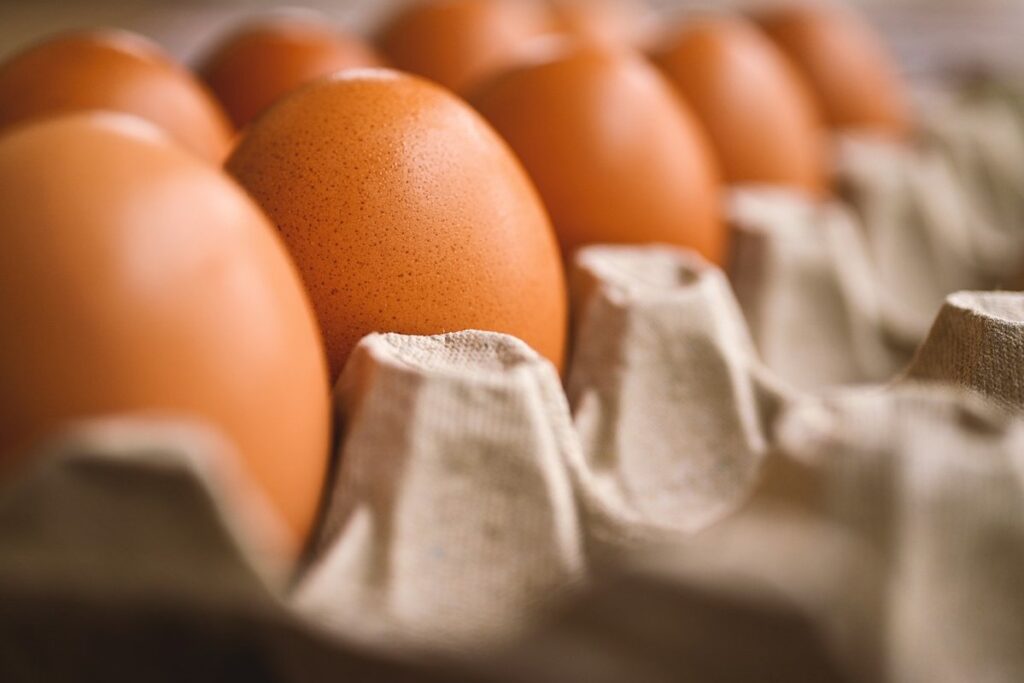
Understanding Rhode Island White Eggs
Rhode Island White eggs are a popular choice for backyard chicken keepers, known for their clean and efficient production. In this next part, we’ll break down their unique characteristics.
Origins and Characteristics of R.I. Whites
The Rhode Island White breed is one of the oldest and most iconic egg-laying breeds in the world. Originating in the United States in the 1800s, this hardy and adaptable bird has been prized for its exceptional egg-laying abilities and gentle nature.
One of the unique characteristics of the Rhode Island White is its ability to produce an astonishing number of eggs per year. On average, a healthy Rhode Island White hen will lay around 200-220 large white eggs per year. This makes them an excellent choice for backyard chicken keepers looking to supplement their family’s egg needs.
In addition to their impressive egg production, Rhode Island Whites are also known for their friendly and docile nature. They are relatively easy to handle and make great pets for families with children. Their calm demeanor also makes them a popular choice for small farms and homesteads.
Their eggs, of course, are another key characteristic that sets them apart from other breeds. Pure Rhode Island White eggs have a clean, white shell with no visible markings or blemishes. This is due to the breed’s unique genetics, which produce an exceptionally high-quality eggshell.
Key Factors Influencing Eggshell Color
When it comes to Rhode Island White eggs, you might be wondering why their shells come in such a range of colors. The truth is that genetics, nutrition, and environment all play a role in determining the final color of an eggshell. Let’s break down each of these factors.
Genetics is the biggest contributor to eggshell color variations. Just like how humans inherit traits from their parents, chickens pass on their shell color genes to their offspring. Rhode Island White hens can produce eggs with shells that range from pure white to a creamy or pale yellow tint due to genetic variations.
Nutrition also has an impact, but it’s more about what happens in the hen’s gut rather than what she eats directly. For example, if your R.I. Whites are eating foods rich in beta-carotene (like leafy greens), their eggs might develop a deeper yellow or orange hue due to the pigment being converted into lutein and zeaxanthin.
Environmental factors also come into play. Lighting, humidity, and even stress levels can influence eggshell color. For instance, hens exposed to intense sunlight may lay eggs with darker, more pigmented shells, while those in low-light conditions might produce lighter eggs.
Eggshell Color Variations: Shades and Patterns
Let’s take a closer look at some of the beautiful eggshell color variations found in Rhode Island White eggs, including different shades and patterns. From gentle buffs to rich creams, we’ll explore them all!
Light Brown and Beige Shells
Light brown and beige shades are two of the most sought-after colors for Rhode Island White eggs. These warm, earthy tones evoke a sense of natural elegance and can add a unique touch to your kitchen decor.
Within this category, you’ll find a range of subtle variations that cater to different tastes. Light golden brown is a soft, creamy shade reminiscent of sand or honey. It’s perfect for those who want a gentle warmth without being too bold.
Beige, on the other hand, offers a more neutral tone with hints of taupe and camel. This versatile color pairs well with various kitchen styles, from rustic to modern. Some eggs may display a slightly darker beige with undertones of gray or brown, while others will have a lighter, almost ivory-like appearance.
When selecting Rhode Island White eggs for your egg collection, consider the overall aesthetic you’re aiming for in your kitchen. If you prefer a more subtle look, light golden brown might be the better choice. However, if you want to add some warmth without overpowering other design elements, beige is an excellent option.
Dark Brown and Speckled Shells
Dark brown and speckled shells are two distinct patterns found on Rhode Island White eggs. These variations occur due to the natural pigmentation of the hen’s genetics and environmental factors. The frequency of dark brown and speckled patterns can vary, but it is relatively common to see a mix of both.
One of the most noticeable characteristics of Rhode Island Whites with dark brown or speckled shells is the presence of dark spots or patches. These markings can be small and scattered or large and prominent, depending on individual bird traits. The eggs themselves remain white, while the shell exhibits these unique patterns. While not as common as solid white shells, dark brown and speckled patterns are still a desirable feature for many backyard chicken keepers.
If you’re interested in hatching chicks with these distinctive characteristics, it’s essential to note that breeding Rhode Island Whites specifically for these traits can be challenging. However, by selecting birds with desirable shell patterns and providing them with optimal living conditions, you may be able to increase the likelihood of producing eggs with dark brown or speckled shells.
Factors Affecting Eggshell Color: Nutrition and Environment
The color of your Rhode Island White eggs can be influenced by two key factors: nutrition and environment, which we’ll dive into in detail below. Let’s explore how these elements impact eggshell pigmentation.
Impact of Diet on Egg Color
A chicken’s diet plays a significant role in determining the color and quality of its eggs. A well-balanced diet rich in essential nutrients is crucial for optimal egg production. However, nutrient deficiencies can lead to changes in eggshell color.
For instance, a lack of calcium can cause pale or washed-out eggshells, while an excess of it may result in overly dark or blue-green shells. Similarly, inadequate intake of vitamins A and E can cause the eggs to appear dull or lackluster. This is because these nutrients are essential for maintaining healthy eggshell production.
To ensure that your Rhode Island White hens produce high-quality eggs with vibrant colors, make sure their diet includes a balanced mix of grains, fruits, vegetables, and supplements. Provide them with access to fresh water and calcium-rich foods like crushed oyster shells or dark leafy greens like kale and spinach. Regularly monitoring their feed and making adjustments as needed can also help maintain optimal eggshell color and quality.
Role of Light Exposure and Climate
Light exposure plays a significant role in determining the color of Rhode Island White eggs. The eggshell’s appearance can change from a pale blue to a deeper blue or even a pinkish tint depending on the amount and intensity of light it receives. This phenomenon is not unique to R.I. Whites, as other breeds also exhibit similar behavior.
Temperature and humidity levels in the chicken coop also influence the coloration process. For instance, eggs laid during periods of high temperature and low humidity may have a more pronounced blue or purple tint due to the increased concentration of porphyrins in the shell membranes. Conversely, eggs produced under cooler temperatures and higher humidity may exhibit a lighter, more pastel hue.
It’s essential for Rhode Island White breeders to provide optimal environmental conditions that promote consistent eggshell coloration. This can be achieved by maintaining a stable temperature between 60°F to 70°F (15°C to 21°C) and ensuring adequate ventilation to regulate humidity levels. By doing so, you’ll be able to enjoy more uniform and aesthetically pleasing eggs from your R.I. White flock.
Health Implications of Eggshell Color
Did you know that the color of your Rhode Island White eggs’ eggshells can have a direct impact on your health? Let’s take a closer look at what this means for you and your family.
Potential Health Risks Associated with Darker Shells
When it comes to eggshell color, there’s more to consider than just aesthetics. Research has shown that darker eggshells may pose some health risks, especially for consumers who prioritize nutrition and wellness.
Darker eggs often contain higher levels of pigments like porphyrins, which can be indicative of oxidative stress in the hen. This means the hen is producing more antioxidants as a defense mechanism against environmental stressors, such as pollution or disease. While these antioxidants are beneficial to humans when consumed through food sources, excessive amounts can have negative effects.
Consumers should note that darker eggs typically contain less omega-3 fatty acids and vitamin D than their lighter counterparts. However, some breed-specific characteristics may contribute to varying nutritional profiles. For instance, pasture-raised chickens tend to produce eggs with higher levels of beneficial compounds, including antioxidants like lycopene and zeaxanthin.
If you’re concerned about the potential health risks associated with darker eggshells, consider opting for eggs from hens that are fed a balanced diet and have access to outdoor grazing. This can help minimize the risk of excessive antioxidant intake while still providing nutritional benefits.
Nutritional Benefits of Lighter Shelled Eggs
Research has shown that lighter shelled eggs often contain higher levels of omega-3 fatty acids, which are essential for heart health and brain function. These healthy fats are particularly important for individuals who follow a vegetarian or vegan diet, as they rely on plant-based sources of nutrition.
In comparison to darker shelled eggs, lighter shelled eggs tend to have a more favorable fatty acid profile. Studies have found that lighter egg yolks contain significantly higher amounts of alpha-linolenic acid (ALA), the most common omega-3 fatty acid in plant-based foods. A study published by the Journal of Agricultural and Food Chemistry found that light-brown egg yolks contained 45% ALA, while dark-brown egg yolks contained only 28%.
When selecting eggs for their nutritional benefits, it’s essential to look for lighter shelled options, particularly if you’re an omega-3 enthusiast. Additionally, incorporating eggs into your diet can provide a more balanced intake of essential fatty acids, especially for those who consume limited amounts of fish and seafood.
Collecting and Storing Rhode Island White Eggs
Collecting fresh eggs from your flock is a daily delight, but storing them properly requires some planning to keep their quality intact. In this next part of our guide, we’ll cover collecting and storing Rhode Island White eggs.
Factors to Consider When Collecting Fresh Eggs
When collecting fresh Rhode Island White eggs from your backyard coop, it’s essential to prioritize their safety and freshness. Always handle eggs gently to avoid cracking the shells, which can lead to bacterial contamination.
Proper storage is crucial for maintaining egg quality. Store eggs in a cool, dry place with consistent temperature between 40°F and 45°F (4°C and 7°C). Avoid direct sunlight, moisture, and heat sources like ovens or radiators.
In the fridge, store them in their original carton or a covered container to prevent moisture buildup. Keep them away from strong-smelling foods, as eggs can absorb odors easily.
A general rule of thumb is to consume eggs within 7-10 days of collection for optimal flavor and texture. If you won’t be using them immediately, consider storing them in the freezer at 0°F (-18°C) or below. When freezing, it’s best to crack the eggs into airtight containers or freezer bags, label, and date them.
Remember to regularly clean and disinfect your coop and egg collection area to prevent bacterial contamination. Cleanliness is key to producing fresh, healthy Rhode Island White eggs for consumption.
Tips for Extending Egg Shelf Life
When it comes to storing Rhode Island White eggs, proper refrigeration is key to extending their shelf life. To maximize the freshness of your R.I. White eggs, it’s essential to keep them chilled at a consistent temperature below 40°F (4°C). This will slow down bacterial growth and help prevent spoilage.
To store your R.I. White eggs in the refrigerator:
* Place them in a carton or container with airholes to maintain airflow
* Store them on a middle or upper shelf, away from strong-smelling foods that might affect their flavor
* Keep the eggs pointed end down to prevent moisture from entering through the pores
You can also store R.I. White eggs in the freezer for longer-term storage. To freeze:
* Place eggs in an airtight container or freezer bag, making sure to remove as much air as possible
* Label and date the container, then store it at 0°F (-18°C) or below
Remember, even with proper storage, R.I. White eggs typically last around 5-6 weeks from the packing date. Always check for visible signs of spoilage before consuming your stored eggs.
Conclusion: Harnessing the Full Potential of Rhode Island Whites
Now that you’ve learned how to identify and understand the colors of your Rhode Island White eggs, let’s explore how to harness their full potential in cooking.
Optimizing Eggshell Color through Breeding and Nutrition
Selective breeding and nutritional optimization can significantly impact the color of Rhode Island White eggs. In terms of selective breeding, eggshell color is a complex trait influenced by multiple genes. However, breeders have successfully identified key loci that contribute to eggshell color. For example, research has shown that chickens with the white egg gene (W) are more likely to produce brown or tan-colored eggs.
To optimize eggshell color through breeding, focus on selecting birds with desirable traits such as high egg production and good fertility. Crossbreeding can also be an effective strategy to introduce new genetic diversity into a flock, potentially leading to improved eggshell colors. However, it’s essential to maintain careful records of your breeding program to monitor progress and make informed decisions.
Nutritional optimization is another critical factor in achieving consistent eggshell color. A balanced diet rich in calcium and other essential minerals can support healthy shell production.
Maximizing Productivity with Healthy Hens
Maintaining healthy hens is crucial to maximize their productivity and overall well-being. A balanced diet rich in nutrients such as protein, calcium, and vitamins is essential for egg-laying Rhode Island Whites. Ensure that your flock has access to clean water at all times and a varied diet that includes fresh fruits and vegetables.
Considerations such as parasite control, vaccinations, and regular health checks are also vital to prevent diseases and maintain the overall health of your hens. A good rule of thumb is to spend about 10% of your budget on healthcare and nutrition for each hen. Some key nutrients include calcium, which helps build strong eggshells, and omega-3 fatty acids, which promote healthy skin and feathers.
Regular exercise and mental stimulation through activities such as scratching posts and foraging areas can also boost productivity by up to 20%. Monitoring the health of your flock regularly will enable you to catch any issues before they become major problems.
Frequently Asked Questions
Can I use a Rhode Island White egg color chart to predict the exact shade of brown or pink my eggs will be?
Yes, a Rhode Island White egg color chart can give you an idea of the possible range of shades and patterns your eggs may display. However, it’s essential to remember that individual birds can exhibit unique characteristics, making actual colors vary from expected ranges.
How do I ensure my Rhode Island Whites are getting the optimal diet for healthy eggshell color?
To optimize the nutritional content and appearance of your Rhode Island White eggs, provide a balanced diet rich in calcium, vitamins, and minerals. Include dark leafy greens, oyster shells, or crushed eggshells to support strong bone health and shiny eggshells.
Can I use artificial lighting to influence my Rhode Island Whites’ eggshell color?
While light exposure does affect eggshell pigmentation, relying on artificial lighting alone might not be the most effective approach. Instead, consider incorporating natural light sources during specific times of day or using a combination of artificial and natural light for more consistent results.
What’s the best way to store Rhode Island White eggs to maintain their nutritional value and shelf life?
Store your fresh Rhode Island White eggs in a cool, dry place with consistent temperatures below 40°F (4°C). Keep them pointed end down on a flat surface or in a carton to prevent breakage. For longer storage, consider refrigerating or freezing them, but always follow safe food handling practices.
Can I breed my own Rhode Island Whites specifically for eggshell color preferences?
Yes, with careful selection and breeding strategies, you can influence the traits of your flock, including eggshell color. However, keep in mind that excessive selective breeding might compromise other desirable characteristics, like fertility or disease resistance.