
Are you fascinated by the majestic appearance and gentle nature of large bird breeds? Look no further than the incredible Brahma breed, with its ancient roots in India dating back centuries. These magnificent birds have not only captivated poultry enthusiasts but also gained popularity as beloved pets or show birds. If you’re intrigued by their massive size, stunning plumage, and calm demeanor, you’re in for a treat.
In this article, we’ll delve into the fascinating world of Brahma breed, exploring their origins, distinctive characteristics, and specific care requirements. From their unique appearance to their temperament, we’ll cover everything you need to know about these gentle giants. Whether you’re an experienced poultry breeder or just starting your bird-keeping journey, this guide will provide valuable insights into the world of Brahmahs.
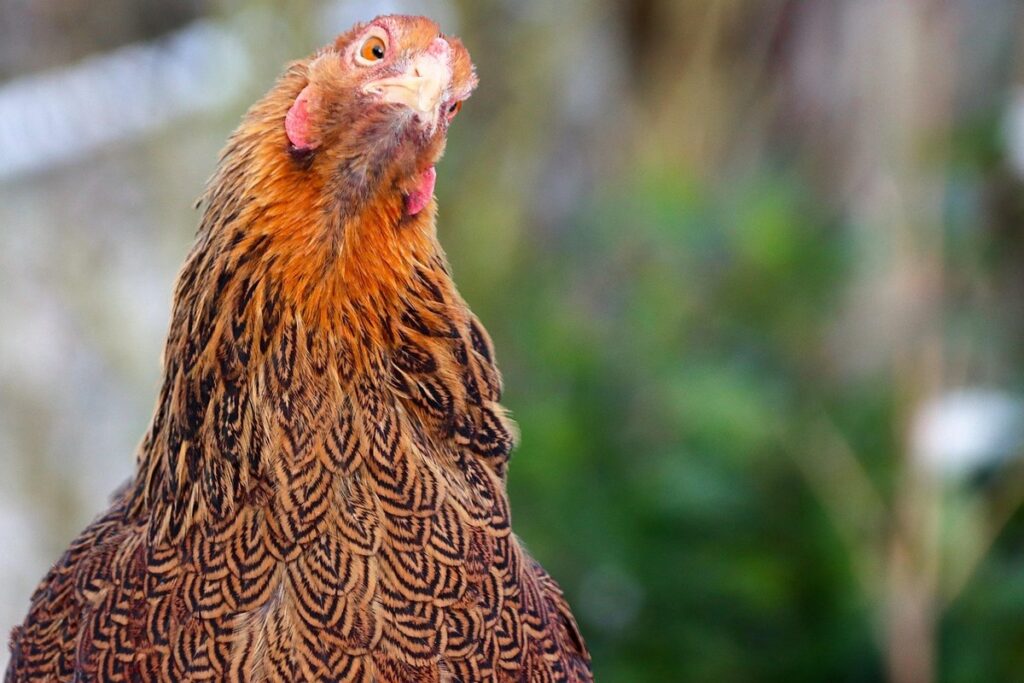
Origins and History of the Brahma Breed
Let’s take a step back in time and explore the fascinating origins and history of the Brahma breed, which dates back thousands of years. This unique heritage has shaped the characteristics we love today.
Ancient Roots in India
In ancient India, the Brahma breed has its roots in Hindu mythology. The bird is considered to be a symbol of good luck and prosperity. According to legend, Brahma, the creator god, was said to have created the universe from his mind, and it’s believed that the Brahma chicken was a gift from him.
The earliest recorded history of the breed dates back to 500 AD in India, where they were prized for their impressive size and docile nature. They were used as temple sacrifices and considered sacred animals by the Hindu community. The breed’s large size made them an ideal choice for festivals, where they would be decorated with ornaments and fed expensive grains.
It’s essential to note that while the Brahma breed has its roots in India, it was later introduced to other parts of the world through trade routes and colonization. Today, the breed is celebrated worldwide for its unique characteristics and gentle nature, making them a popular choice among backyard chicken keepers and farmers alike.
Introduction to Brahmas in the West
In the mid-19th century, Brahmas were introduced to the Western world by Robert Bakewell, an English breeder and scientist. Initially, they were imported from India as a novelty for British aristocrats. However, it wasn’t long before their impressive size, gentle nature, and striking appearance made them a sought-after breed among poultry enthusiasts.
As a result of selective breeding, Brahmas began to gain popularity in the Western world, particularly in North America. They quickly became a favorite among farmers and homesteaders due to their hardiness and ability to thrive in various climates. The breed’s adaptability, intelligence, and docile temperament soon made them an attractive addition to many backyard flocks.
One of the key factors contributing to Brahmas’ popularity was their impressive size. Roosters can weigh up to 18 pounds, while hens reach a remarkable 12-14 pounds. This grandeur, combined with their gentle nature, has captivated many bird enthusiasts worldwide, making the Brahma breed one of the most beloved and recognizable in the Western world today.
Early Breeding Efforts and Standardization
The early breeding efforts of the Brahma breed were focused on standardizing its massive size and distinctive characteristics. In the mid-19th century, British breeders began experimenting with crossing local fowl with larger breeds from Asia to create a bird that could thrive in the cool climate of the UK. They sought to develop a chicken that was not only enormous but also robust and hardy.
One of the pioneers in this endeavor was Mr. Cox, who successfully bred a flock of giant chickens in 1845. These birds were not only larger than any others in England at the time but also had a unique docile temperament. Cox’s breeding program laid the foundation for the modern Brahma breed.
The key to standardizing the breed lay in selecting and breeding only those individuals with consistent size, feather pattern, and plumage quality. Breeders worked tirelessly to eliminate unwanted characteristics and promote desirable traits, such as the breed’s iconic beard-like feathers on their faces.
Physical Characteristics and Types
The Brahma breed boasts several distinct physical characteristics, including its impressive size, soft feathers, and unique beak shape. Let’s take a closer look at these defining features.
Size and Weight Variations
One of the most distinctive features of the Brahma breed is its incredible size variation. Within this breed, you’ll find three main types: Light, Medium, and Heavy. While they share many characteristics, each type has unique physical traits that set it apart.
The Light Brahma typically weighs between 8-12 pounds (3.6-5.4 kg) and stands about 16-20 inches (40-50 cm) tall at the shoulder. This smaller type is often preferred by backyard chicken keepers due to its manageable size and gentle nature. However, it’s essential to remember that even Light Brahmas require regular exercise and a balanced diet to maintain their health.
The Medium Brahma falls in between the other two types, weighing around 12-18 pounds (5.4-8 kg) and standing about 20-24 inches (50-60 cm) tall. This type is often considered the most popular among hobbyists due to its impressive size without being overwhelming.
Heavy Brahmas are truly massive, with some birds reaching weights of up to 25 pounds (11 kg) or more. They stand between 24-28 inches (60-70 cm) tall and require extra space, food, and care. While they’re a sight to behold, it’s crucial to ensure you can provide the necessary resources for these gentle giants.
Regardless of size, all Brahmas share a calm demeanor and are generally easy-going. With proper care and attention, even the largest birds can thrive in your backyard flock.
Plumage and Feather Patterns
Brahmas are renowned for their stunning plumage, which comes in an array of patterns and feather types. These can be broadly categorized into five main categories: light, dark, and intermediate varieties, each with its own unique characteristics.
In terms of feather length, Brahmas have a range of styles to choose from, including the popular ‘Light’ and ‘Dark’ varieties, which are characterized by their short and fluffy feathers respectively. Intermediate breeds, on the other hand, often exhibit longer feathers, but tend to be less common than their shorter counterparts.
The texture of Brahma feathers can also vary significantly, with some exhibiting a soft, silky quality while others appear more coarse and crisp. Certain breeds, such as the ‘Soft Feathered’ Brahma, boast exceptionally long, fluffy plumage that makes them look almost like miniature versions of their larger cousins. When selecting a Brahma for your flock or personal collection, it’s essential to consider both the feather pattern and texture in order to make an informed decision about which breed will best suit your needs.
Head Shape and Beak Structure
Brahmas are easily recognizable by their unique head shape and beak structure. The breed’s distinctive features set them apart from other chicken breeds. A Brahma’s head is typically massive, with a broad, flat forehead and a prominent facial crest. This crest is made up of long, curved feathers that grow out of the bird’s crown, giving it a majestic appearance.
The beak itself is short, stout, and slightly rounded at the tip. It’s a key characteristic of the breed and serves as an important identifier for Brahma enthusiasts. In terms of function, the sturdy beak helps protect the eyes from debris and branches when foraging on the ground. The beak structure also plays a role in eating, allowing Brahmas to efficiently tear through tough plant material.
While these features can make Brahmas look somewhat comical at first glance, they are actually an integral part of the breed’s overall design. They enable Brahmas to thrive in their environment and serve as a testament to the breed’s impressive size and robust build.
Temperament and Personality
Brahmas are known for their gentle giant reputation, but each bird’s personality is unique, making understanding their temperament essential to providing proper care. Let’s explore what makes a Brahma tick.
Docile Nature and Friendly Behavior
One of the most endearing qualities of Brahmas is their docile nature, making them an ideal choice for families with children or as pets for anyone looking for a friendly companion. These gentle giants are often described as laid-back and easy-going, adapting well to new environments and situations. Their calm demeanor makes them a pleasure to be around, and they’re known to form strong bonds with their owners.
In fact, Brahmas are so docile that they’re often used in educational settings, such as schools and universities, to help students learn about responsibility and animal care. They’re also popular show birds due to their friendly behavior, which makes them a joy to handle and interact with.
If you’re considering bringing a Brahma into your home, be prepared for the attention – they love people and will often follow their owners around the house in search of affection. To ensure a harmonious relationship, establish clear boundaries and routines, and provide plenty of space for your feathered friend to roam and exercise. With proper care and handling, Brahmas can thrive as beloved pets or show birds, bringing joy and companionship to many families around the world.
Handling and Training Requirements
Brahmas are known for their gentle giant nature, but this doesn’t mean they can be taken lightly when it comes to handling and training. They require patience, consistency, and positive reinforcement to build trust and develop good behavior.
When interacting with Brahmas, it’s essential to move slowly and calmly, as sudden movements can startle them. Start with short sessions and gradually increase the duration as they become more comfortable with your presence. Socialization is also crucial in this breed; introduce them to various people, environments, and experiences from an early age to help them develop good manners and confidence.
Brahmas are intelligent birds, but their stubbornness can make training a challenge. Use positive reinforcement techniques, such as offering treats or praise when they perform desired behaviors, rather than punishment or negative reinforcement. Consistency is key; establish clear rules and expectations, and stick to them to avoid confusing the bird.
In terms of responsiveness to training, Brahmas are generally slow learners but can be quite persistent once they’ve set their minds on something. With time, patience, and positive reinforcement, you can teach your Brahma to perform a variety of tasks, from simple tricks to more complex behaviors like flying or playing fetch.
Family-Friendly Traits
When it comes to family dynamics, the Brahma breed truly shines. One of their most endearing qualities is their gentle nature around children. These gentle giants are naturally patient and tolerant, making them an excellent choice for families with little ones. Whether it’s a toddler trying to climb onto their lap or a rowdy kid playing fetch, Brahmas take it all in stride.
Their ability to adapt to household environments is also noteworthy. With proper training, they can thrive in even the most chaotic of homes. Their calm demeanor helps to create a sense of balance and stability, making them an excellent addition to families with multiple pets or young children. In fact, many Brahma owners report that their birds are more like Velcro chickens – sticking close by and enjoying human interaction.
To make the most of your Brahma’s family-friendly traits, remember to socialize them well from an early age. This will help them become confident and calm in the presence of noise, crowds, and other stimuli. With a little patience and effort, you can enjoy years of happy, harmonious interactions with your Brahma flock.
Health Considerations and Care
When caring for a Brahma, it’s essential to consider their specific health needs due to their large size and potential breed-specific issues. Regular veterinary check-ups can help prevent common problems in these gentle giants.
Common Health Issues in Brahmas
Brahmas are prone to several common health issues that can affect their overall well-being. One of the most significant concerns is obesity, which can lead to a range of secondary problems such as diabetes and joint strain. This is often due to overfeeding, so it’s essential for Brahma owners to monitor their bird’s food intake carefully.
Respiratory problems are another issue that Brahmas may face. Their large size means they require more oxygen than smaller breeds, which can put a strain on their respiratory system. To mitigate this risk, provide your Brahma with plenty of space to roam and exercise, as well as a clean, dry environment to live in.
Joint issues are also prevalent in Brahmas due to their weight and rapid growth rate. Regular exercise and a balanced diet can help to strengthen their joints and prevent problems from developing. It’s recommended that you provide your Brahma with activities such as foraging or walking on a perching bar to maintain mobility.
Dietary Requirements and Nutrition
When it comes to feeding your Brahmas, providing a well-balanced diet is essential for their overall health and well-being. Brahmas are large birds that require a significant amount of protein and fiber in their diet to maintain their size and energy levels.
A good quality layer feed or starter feed should be the main staple of your Brahma’s diet. However, it’s also important to supplement their diet with fresh fruits and vegetables. Dark leafy greens like kale and spinach are excellent sources of fiber, while carrots and sweet potatoes provide essential vitamins and minerals. Fresh corn is also a great treat for Brahmas.
It’s estimated that Brahmas require around 1-2% of their body weight in food per day. For example, if your Brahma weighs 15 pounds, they will need around 3-6 ounces of feed per day. Be sure to provide fresh water at all times and consider offering a small amount of probiotics to support digestive health.
Remember, every bird is different, so be prepared to adjust their diet based on individual needs and preferences.
Housing and Environmental Needs
When it comes to providing the best possible life for your Brahma, their housing and environmental needs cannot be overstated. These gentle giants require ample space to roam and exercise, making a large backyard or enclosed area essential. A minimum of 1/4 acre of land is recommended, but more is always better.
In terms of climate adaptations, Brahmas are surprisingly tolerant of heat, but they can suffer in extreme cold. If you live in an area with harsh winters, it’s crucial to provide shelter and protection from the elements. This might involve building a three-sided shed or providing a heated coop. On the other hand, if you reside in a hot climate, ensure that your Brahma has access to shade and adequate ventilation.
Adequate space also allows for the implementation of enrichment activities and toys, which are vital for maintaining your Brahma’s mental health and preventing boredom. Provide at least 10 square feet per bird, and consider adding features like a dust bath area or a designated “play zone” with climbing structures and scratching posts.
Showing and Breeding
When it comes to raising Brahmas, many enthusiasts are interested in showing their birds’ potential. We’ll cover essential tips for selecting breeding stock and preparing your Brahma for a show.
Breed Standards and Show Preparation
When it comes to showing Brahmas, understanding breed standards is crucial for success. The American Bantam Association (ABA) and the American Brahma Club (ABC) are two prominent organizations that establish breed standards for Brahmas. According to these standards, a show Brahma should have a sturdy build, with males weighing between 12-20 pounds and females between 10-16 pounds. Their feathers should be soft, clean, and well-groomed.
To prepare your Brahma for the show ring, start by conditioning them through regular exercise and a balanced diet. Aiming for 14 hours of light exposure per week can also help improve their feather quality. Regular grooming is essential to keep their feathers in top condition. Clean their coop daily, removing any soiled bedding or debris. Brush their feathers weekly with a soft-bristled brush to prevent matting and tangling.
In the days leading up to the show, practice handling your Brahma to help them become more comfortable with being touched and handled by strangers. This will not only reduce stress but also make them easier to manage during the judging process.
Breeding Goals and Selection Criteria
When breeding Brahmas, the primary goal is to preserve the unique characteristics that make this breed so endearing. Breeders focus on maintaining the size, temperament, and feathering that are hallmarks of the Brahma breed.
To achieve these goals, selection criteria play a crucial role in choosing suitable breeding stock. Here are some key factors breeders consider:
* Size: Brahmas should be large enough to meet the breed standard, with males weighing between 17-20 pounds (7.7-9 kg) and females weighing between 14-16 pounds (6.3-7.2 kg).
* Temperament: Brahmas are known for their gentle nature, making them an excellent choice for families or as show birds. Breeders look for birds with calm and docile personalities.
* Feathering: The Brahma breed is prized for its stunning feathers, which should be soft, fluffy, and well-developed. Breeders select birds with the most attractive feather patterns and quality.
When selecting breeding stock, it’s essential to consider the bird’s overall health, vigor, and fertility. A healthy bird with good conformation and a high-quality coat is more likely to produce offspring that excel in these areas as well.
Tips for New Breeders and Exhibitors
As you embark on the exciting journey of breeding and exhibiting Brahmas, it’s essential to remember that experience is key. New breeders and exhibitors often make mistakes due to a lack of understanding about the breed’s unique characteristics, temperament, and needs.
To avoid common pitfalls, start by doing your research. Read extensively about the Brahma breed’s history, genetics, and growth patterns. Understand the American Bantam Association (ABA) or the American Poultry Association (APA) standards for Brahmas to know what judges are looking for in a show bird.
Keep accurate records of your birds’ lineage, health, and performance. This will not only help you track progress but also provide valuable information when sharing your knowledge with others or discussing your flock with veterinarians or other breeders. Networking is vital in the poultry community; attend local shows, join online forums, and connect with experienced breeders to learn from their experiences and gain insights.
Remember, breeding and exhibiting Brahmas requires patience, dedication, and a willingness to learn. By doing your homework and staying connected with others in the industry, you’ll be well on your way to developing a successful breeding program and showcasing your beautiful birds at local and national events.
Frequently Asked Questions
How can I determine if a Brahma is suitable for my family with small children?
When introducing Brahmas to families with young kids, consider the breed’s gentle nature and large size. Ensure you have enough space for your bird to roam safely, and teach children how to interact with them gently. Supervise interactions closely to prevent accidental harm or injury.
What specific health issues should I be aware of when caring for a Brahma?
Brahmas are prone to obesity, so maintain a balanced diet and regular exercise routine. Be cautious of respiratory problems due to their large size and possible breathing difficulties. Regular veterinary check-ups can help identify potential health concerns early on.
How do I ensure my Brahma gets enough space and exercise, especially in small backyards?
Providing an adequate coop or enclosure with ample ventilation is crucial for Brahmas. Allocate at least 4-6 square feet of space per bird inside the coop and consider adding a large run for outdoor exercise. Rotate toys and enrich activities to keep your bird engaged and stimulated.
Can I breed my Brahma for show, even if it’s not a purebred?
While some characteristics like size and plumage can be developed through selective breeding, true Brahmas exhibit specific physical traits that make them stand out in the show ring. If you’re new to breeding or showing, consider starting with established bloodlines and seeking guidance from experienced breeders.
How do I care for my Brahma’s stunning feathers during molting season?
During molting, Brahmas may lose their vibrant plumage temporarily. To promote healthy feather growth, provide a balanced diet rich in protein and ensure access to clean water and regular dust baths. Avoid over-bathing or using harsh chemicals that can damage your bird’s sensitive skin.