
Are you looking to add some sunshine to your backyard with a stunning flock? Look no further than the Golden Wyandotte, a breed that’s sure to captivate even the most seasoned poultry enthusiast. This beautiful bird has been delighting owners for centuries with its unique combination of striking looks and charming personality.
But what makes the Golden Wyandotte so special? In this detailed guide, we’ll delve into the history of the breed, exploring how it came to be one of the most beloved varieties among backyard farmers and chicken keepers. We’ll also take a closer look at the physical characteristics that make it stand out – from its golden feathers to its bright, inquisitive eyes. Whether you’re a seasoned expert or just starting your poultry journey, this article will give you everything you need to know about caring for and enjoying these amazing birds.
History and Origins of the Golden Wyandotte
The story of the Golden Wyandotte began over a century ago, when breeders sought to create a stunning bird with a golden luster. Let’s take a closer look at its fascinating history and origins.
Early Development of the Breed
The Golden Wyandotte breed has its roots in the American Game breed, which was developed in the 19th century. As one of the original breeds to emerge from this lineage, the Golden Wyandotte’s early development is a fascinating story. In the late 1800s, breeders began crossing various game fowl breeds to create a bird that excelled in speed, agility, and feather quality.
One of the key characteristics of the American Game breed was its ability to withstand harsh weather conditions and thrive on minimal food and water. Breeders selectively bred these birds to emphasize desirable traits such as size, plumage, and egg-laying capacity. The Golden Wyandotte’s unique golden coloration is a result of this selective breeding process.
The early development of the Golden Wyandotte was heavily influenced by its purpose: exhibition and competition. Breeders sought to create a bird that would stand out in the show ring, with striking plumage and impressive physical attributes. This focus on aesthetics has contributed significantly to the breed’s distinctive appearance today.
Key Figures in the Breed’s Development
One of the most fascinating aspects of the Golden Wyandotte breed is its rich history, shaped by the contributions of pioneering poultry enthusiasts. Among these visionaries was William Cook, an American breeder and enthusiast who played a pivotal role in developing the breed’s distinctive characteristics.
In 1873, Cook founded the Wyandotte Breeders’ Association, which aimed to standardize breeding practices and promote the breed throughout the country. Through his tireless efforts, he introduced the Golden Wyandotte variety to the public, carefully selecting birds that combined the stunning plumage of the Golden Penciled Wyandotte with the desirable traits of other breeds.
The results of Cook’s endeavors were nothing short of remarkable: the Golden Wyandotte emerged as a breed renowned for its striking golden feathers, impressive size, and robust constitution. His dedication to poultry breeding served as an inspiration to generations of enthusiasts, who built upon his foundation to create even more exceptional strains.
In the late 19th century, other influential breeders such as E.L. Fitch and William E. Lingnan continued to refine the Golden Wyandotte, introducing new bloodlines and characteristics that have become hallmarks of the breed. By honoring these pioneers’ contributions, we can better appreciate the intricate history behind this majestic bird, while also gaining insight into the art of poultry breeding itself.
Important Milestones in the Breed’s History
The Golden Wyandotte breed has been shaped by several significant events throughout its history. One of the most notable milestones was the first exhibition of the breed at the 1888 American Poultry Association show, where it won the award for Best Feather Legged Fowl.
In the early 20th century, the breed gained popularity and was exhibited at various poultry shows across the country. The 1910 National Poultry Show in New York City was a particularly notable event, as it showcased the Golden Wyandotte’s impressive plumage and temperament.
The breed’s popularity waned slightly in the mid-20th century due to the rise of other breeds, but its loyal following ensured that it remained a staple among backyard poultry enthusiasts. The 1970s saw a resurgence in interest for heritage breeds, which led to the Golden Wyandotte experiencing a renewed surge in popularity.
Today, breeders are working hard to preserve and promote the breed’s unique characteristics, making it easier than ever for new owners to find high-quality stock.
Physical Characteristics of the Golden Wyandotte
When it comes to identifying a Golden Wyandotte, there are several key physical characteristics you’ll want to look out for. This includes their distinctive plumage and overall body type.
Plumage and Feathering
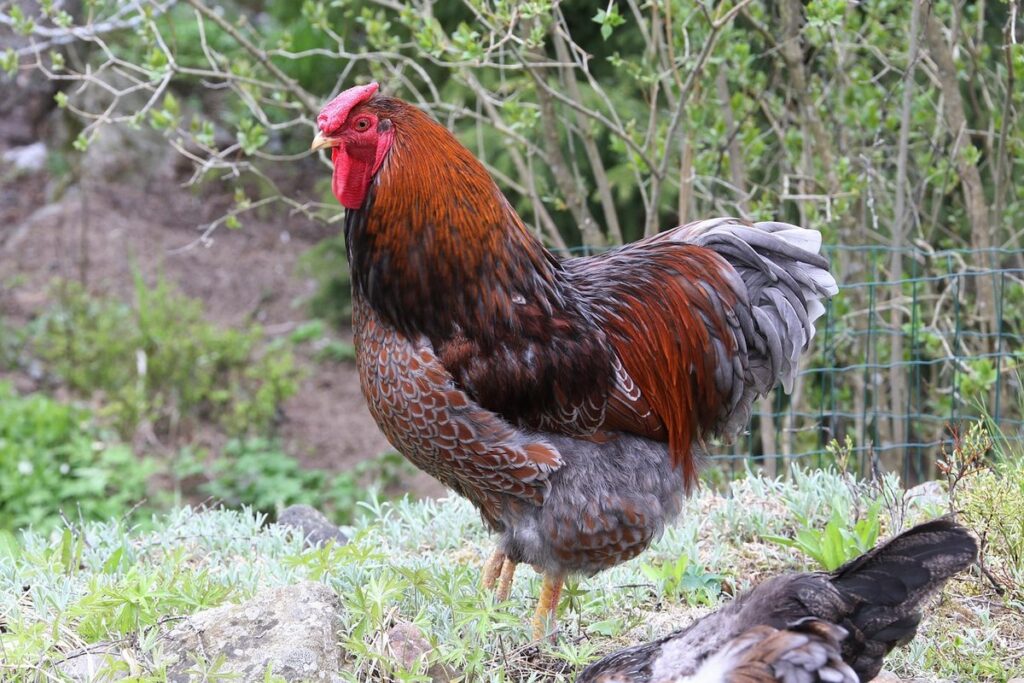
One of the most striking features of the Golden Wyandotte is its stunning golden plumage and feathering patterns. The breed’s feathers are a rich, burnished gold that gradates to a darker hue on the wings and tail, creating a beautiful contrast effect.
The Golden Wyandotte has a distinctive frill around the neck, known as an “ear tuft,” which adds to its overall elegance. The ear tufts are long, flowing feathers that give the bird a regal appearance. The breed’s hackle feathers – those on the back of the neck and shoulders – are also long and flowing, adding to the overall sense of drama.
When it comes to feathering patterns, the Golden Wyandotte has several distinct features. The saddle feathers – those on the back between the wings – have a distinctive white or cream-colored stripe running through them, giving the bird a unique appearance. The breast feathers are also beautifully patterned, with a soft golden sheen that catches the light.
If you’re lucky enough to own a Golden Wyandotte, be sure to provide plenty of opportunities for your bird to show off its stunning plumage. Provide regular grooming sessions to keep its feathers clean and well-maintained, and consider offering toys or activities that encourage it to stretch and preen.
Size and Weight Standards
When it comes to the physical characteristics of the Golden Wyandotte, size and weight are crucial factors to consider. Both males and females should meet specific standards to ensure they are healthy and well-proportioned birds.
For males, the acceptable size range is between 22-24 inches in length, with a weight ranging from 3 pounds 8 ounces to 4 pounds 2 ounces. Females, on the other hand, typically reach lengths of 20-23 inches, with weights ranging from 3 pounds to 3 pounds 12 ounces. It’s essential to note that these standards can vary slightly depending on the breeder and bloodline.
To determine if your Golden Wyandotte meets these size and weight standards, measure its length from the tip of the beak to the end of the tail, and weigh it regularly as it grows. Keep in mind that size and weight alone do not guarantee a bird’s overall health or quality, so regular check-ups with a veterinarian are crucial.
Remember, every Golden Wyandotte is unique, but meeting these size and weight standards will give you an idea of whether your bird is developing into a stunning specimen of the breed.
Beak and Leg Shape
The beak and leg shape of the Golden Wyandotte are distinctive features that set this breed apart from others. The beak is medium-sized, slightly curved, and has a slight upward tilt at the tip. This unique shape allows for efficient pecking at seeds and grains, making it well-suited to its heritage as an egg-laying bird.
In terms of leg conformation, Golden Wyandottes have sturdy, well-feathered legs that are set back slightly under their bodies. The feet are large and strong, with a good-sized toe spread that provides stability on uneven ground. This combination of size, strength, and feathering makes for a durable and hardy lower half that can withstand the demands of everyday life.
One notable aspect of Golden Wyandottes is their ability to thrive in a variety of environments, from backyards to barns. Their sturdy build and adaptable leg shape make them well-suited to a range of living situations, as long as they have access to adequate space to move around.
Temperament and Personality Traits
When it comes to the Golden Wyandotte, understanding their temperament and personality traits is key to forming a lifelong bond. In this next part of our guide, we’ll delve into what makes them tick.
Friendly Nature and Docile Temperament
One of the most endearing qualities of the Golden Wyandotte is its friendly nature and docile temperament. This breed has earned a reputation for being approachable and affectionate, making them an excellent choice as family pets or companions for those who live alone.
Golden Wyandottes are known to be gentle with children and other animals, which makes them a great addition to households with multiple pets. They are also highly social birds that thrive on interaction, requiring regular attention and playtime to keep them happy and healthy.
In fact, studies have shown that Golden Wyandottes can form strong bonds with their owners, often becoming incredibly attached to specific family members. This loyalty is just one of the many reasons why this breed has captured the hearts of so many bird enthusiasts.
When introducing a Golden Wyandotte to your home, it’s essential to establish trust and set clear boundaries. Provide a safe and nurturing environment that allows them to feel secure and comfortable. With patience, consistency, and positive reinforcement, you’ll be rewarded with a loving companion that will bring joy and laughter into your life for years to come.
Trainability and Intelligence
One of the most endearing qualities of the Golden Wyandotte is their trainability and intelligence. These birds are known to be one of the easiest breeds to train, making them an excellent choice for new owners who want a low-maintenance yet rewarding companion.
When it comes to training your Golden Wyandotte, consistency is key. Start by establishing a daily routine that includes regular feeding times, exercise sessions, and playtime. This will help your bird get used to following a schedule and make learning new tricks a breeze. Begin with simple tasks like whistling or performing specific behaviors on command.
Tips for successful training include using positive reinforcement techniques such as offering treats and praise when your bird performs the desired behavior. Avoid scolding or punishing your Golden Wyandotte, as this can lead to fear and mistrust. With patience and persistence, you’ll find that your Golden Wyandotte is eager to please and will quickly pick up even complex commands.
Keep in mind that every Golden Wyandotte is unique, so be prepared to adapt your training approach as needed. With the right combination of love, attention, and consistency, your Golden Wyandotte will thrive under your care and become a beloved member of your family.
Interaction with Other Animals
When introducing a Golden Wyandotte to other pets in the household, it’s essential to consider their temperament and personality traits. As a breed known for being friendly and social, they tend to get along well with other animals, especially if introduced properly. However, every bird is an individual, and some may take longer than others to adjust to new companions.
To ensure a smooth introduction, start by keeping the birds in separate rooms or aviaries while you familiarize them with each other’s presence. You can do this by placing their cages near each other, allowing them to become accustomed to the sights, sounds, and smells of one another without the risk of an immediate face-to-face encounter.
Once they seem comfortable with each other’s presence, it’s time for a supervised meeting in a neutral area. Begin with short sessions and reward calm behavior with treats. With patience and consistency, your Golden Wyandotte should be able to live harmoniously alongside its new feathered or furry friends.
Health Considerations and Common Issues
As you consider bringing a Golden Wyandotte into your family, it’s essential to be aware of potential health concerns that may arise, such as feather pecking and obesity. We’ll explore these issues in more detail below.
Genetic Predispositions
As you consider bringing home a Golden Wyandotte, it’s essential to be aware of the genetic predispositions that can affect this stunning breed. Research has shown that Golden Wyandottes are prone to certain health issues, primarily due to their genetic makeup.
One of the most significant concerns is their susceptibility to heart problems. According to the American Association of Feline Practitioners (AAFP), about 1 in 5 Golden Wyandottes are born with a genetic condition called hypertrophic cardiomyopathy (HCM). This condition can lead to heart failure and sudden death, making regular check-ups with your veterinarian crucial.
Another health concern is hip dysplasia, a genetic issue that affects the joint between the femur and pelvis. The Orthopedic Foundation for Animals (OFA) recommends that Golden Wyandottes undergo hip evaluations to identify potential issues early on. Regular exercise and a balanced diet can help mitigate this condition.
To minimize the risk of these health issues, make sure to work with reputable breeders who prioritize genetic testing and responsible breeding practices. By doing so, you’ll be taking the first step towards ensuring your Golden Wyandotte lives a long, healthy life.
Nutritional Requirements
When it comes to feeding your Golden Wyandotte, it’s essential to provide a balanced diet that meets their unique nutritional requirements. As a breed, they are known for their friendly and outgoing personalities, but when it comes to food, they have specific needs that should be addressed.
Golden Wyandottes are considered a hardy breed, but they still require a high-quality feed that is rich in protein and calcium. A good rule of thumb is to provide a starter or grower feed until your bird reaches 12-18 months old, at which point you can transition them to a layer feed. However, if you plan on breeding your Golden Wyandotte, you’ll want to consult with a veterinarian or poultry expert to determine the best diet for your flock.
In terms of supplements, it’s essential to provide your Golden Wyandotte with grit and oyster shells to help support their digestive health and strong beak growth. Fresh fruits and vegetables should also be introduced as treats to ensure they receive a balanced intake of vitamins and minerals. A good starting point is to offer 1-2 tablespoons of fresh veggies per pound of body weight daily, with a focus on leafy greens and colorful options like carrots and bell peppers.
Common Health Issues in the Breed
As with many breeds, the Golden Wyandotte is not immune to certain health issues. It’s essential for prospective owners to be aware of these potential problems and take proactive steps to prevent them. Some common health concerns affecting this breed include heart conditions, specifically aortic stenosis and cardiomyopathy. Responsible breeding practices have significantly reduced the incidence of these issues in recent years.
Another issue that may affect Golden Wyandottes is obesity, which can lead to secondary complications such as diabetes and joint problems. Regular exercise and monitoring food intake can help mitigate this risk. Additionally, hip dysplasia, a common issue in many breeds, has been observed in some Golden Wyandottes. Maintaining a healthy weight through diet and exercise can also help reduce the likelihood of this condition.
Regular veterinary check-ups are crucial for detecting any potential health issues early on. Breeders should prioritize genetic testing to identify carriers of recessive genes that could lead to inherited disorders. By being informed about these potential health problems, you can take steps to ensure your Golden Wyandotte leads a long and healthy life.
Breeding and Showing the Golden Wyandotte
If you’re ready to bring home your very own Golden Wyandotte, learning how to breed them is crucial for success. This guide will walk you through the ins and outs of breeding and showing this stunning breed.
Best Practices for Breeding the Breed
Breeding healthy, well-tempered Golden Wyandottes requires careful selection and mating practices. When choosing birds for breeding, look for individuals with excellent temperament, strong feathering, and good egg-laying ability. Consider the bird’s overall health, including its beak shape, comb condition, and plumage quality.
When selecting a breeder pair, prioritize compatibility and genetic diversity to avoid inbreeding. Aim to breed birds that are at least two generations apart from each other to minimize the risk of inherited disorders. For example, if you’re breeding a rooster with a particular beak shape, select a hen with a different beak shape to ensure genetic variation.
Mating should take place when both birds are around 12-18 months old and in peak health. Keep an eye on body language during courtship, as aggressive or fearful behavior can indicate underlying issues. Once mated, provide the breeding pair with a quiet, stress-free environment, complete with nutritious food and regular veterinary check-ups.
Remember to record detailed information about each breeding event, including parental lineage, mating date, and hatch date. This data will help you track the success of your breeding program and make informed decisions for future matings.
Showing at Poultry Exhibitions
When showing a Golden Wyandotte at poultry exhibitions, it’s essential to prepare the bird meticulously. Start by ensuring your bird is healthy and well-fed, as a sick or malnourished bird can affect its appearance and performance.
Grooming is also crucial; brush your Golden Wyandotte regularly to maintain a lustrous plumage and prevent matting. Pay particular attention to the feathers around the vent area, as this is one of the most scrutinized areas during judging.
On show day, arrive early to acclimate your bird to its surroundings, providing it with plenty of space to move about. Keep in mind that Golden Wyandottes are known for their bold and active nature, so be prepared to handle them gently yet firmly.
When presenting your bird to the judge, ensure you have all necessary documentation, including breed standard certificates and any relevant registration papers. Practice handling and presenting your bird beforehand to build confidence and composure, ultimately enhancing its chances of winning in competition.
Maintaining Breed Standards
When breeding or showing the Golden Wyandotte, it’s essential to adhere to the breed standards set forth by reputable organizations such as the American Bantam Association (ABA) and the Wyandotte Club. These standards ensure that your birds conform to the ideal characteristics of the breed, which includes a rich golden plumage, clean legs, and a well-proportioned body.
To maintain breed standards, you’ll want to carefully select breeding stock that exemplifies the desired traits. This involves not only evaluating the bird’s physical appearance but also its temperament, egg-laying ability, and overall health. A good breeder will also consider the genetics of their birds, aiming to produce offspring with balanced characteristics.
It’s crucial to note that deviating from breed standards can result in birds that are unhealthy or unattractive. For instance, if a Golden Wyandotte is bred for an excessive amount of feathering on its face, it may lead to respiratory problems or eye irritation. By adhering to the breed standards, you’ll not only preserve the integrity of the Golden Wyandotte but also produce birds that are both stunning and healthy.
Care and Management Tips
To keep your Golden Wyandotte happy and healthy, it’s essential to understand their specific care and management needs. Proper attention to these details will bring out the best in your bird.
Housing and Environment Requirements
When it comes to providing the best life for your Golden Wyandotte, their housing needs cannot be overlooked. These birds require a substantial amount of space to roam and exercise, making a spacious aviary or large flight cage essential. A minimum recommended size is 2x3x4 feet per bird, but bigger is always better, especially if you plan on keeping multiple Golden Wyandottes together.
Climate considerations are also crucial for this breed. Golden Wyandottes can tolerate a range of temperatures, but they do best in temperatures between 60°F and 80°F (15°C and 27°C). Avoid placing their enclosure near drafty windows or doors, as this can cause stress and discomfort. Additionally, ensure that the aviary or flight cage is well-ventilated to prevent ammonia buildup from droppings.
In terms of specific housing requirements, consider the following: a solid bottom, such as wood or concrete, instead of wire mesh, which can be hazardous for their feet. Also, provide a variety of perches and toys to keep them engaged and stimulated. This will help prevent behavioral issues that often arise from boredom and lack of exercise.
Feeding and Nutrition Advice
When it comes to feeding and nutrition, Golden Wyandottes require a balanced diet that meets their high energy needs. A good quality layer feed should be the main staple of their diet, but supplementing with fresh fruits and vegetables is also essential for maintaining their health and vitality.
As a general rule, Golden Wyandottes need around 16-18% protein in their diet to maintain muscle mass and support egg production. You can choose between medicated or non-medicated feeds, depending on the health status of your flock. For example, if you’re keeping your hens for eggs, medicated feed will help control internal parasites.
In terms of feeding schedule, it’s best to divide their daily ration into two portions – morning and evening. This allows them to have access to food at all times and reduces competition among the birds. A good starting point is 120-150g per bird per day, but this may vary depending on factors such as age, size, and egg production.
When introducing new foods or supplements, do so gradually to prevent digestive upset. For example, adding a small amount of fresh kale or spinach can provide essential vitamins and minerals without causing any adverse effects.
Health Monitoring and Maintenance
Regular health check-ups and preventative measures are essential for maintaining the overall well-being of your Golden Wyandotte. Start by scheduling annual vaccinations to protect your bird from diseases such as avian influenza and Newcastle disease. Consult with a veterinarian experienced in caring for birds to determine the best vaccination schedule for your region.
In addition to vaccinations, parasite control is crucial for keeping your Golden Wyandotte healthy. Regularly inspect your bird’s droppings for signs of internal parasites like worms or protozoa. Treat any infestations promptly and follow a de-worming program as recommended by your veterinarian. Be sure to also keep an eye out for external parasites like mites, lice, and feather plucking.
Provide a clean and safe environment for your Golden Wyandotte by regularly cleaning its cage, replacing bedding materials, and disinfecting food and water containers. Offer a balanced diet rich in nutrients, including high-quality pellets and fresh fruits and vegetables daily. Make sure to also provide a source of calcium, such as crushed eggshells or cuttlebone, to support your bird’s strong beak and skeletal growth.
Lastly, monitor your Golden Wyandotte’s behavior for signs of illness or stress, such as changes in appetite, droppings, or feather condition. Consult with your veterinarian at the first sign of any issues to ensure prompt treatment and prevent long-term health problems.
Frequently Asked Questions
How do I introduce a Golden Wyandotte to my existing flock?
Introducing new birds to an existing flock can be challenging, but with patience and proper planning, it can be done successfully. Start by keeping the Golden Wyandottes separate for a few days to allow them to adjust to their new surroundings. Once they seem comfortable, you can introduce them to the rest of the flock under close supervision. Monitor their behavior closely and intervene if necessary.
Can I keep a single Golden Wyandotte as a pet?
Yes, it’s absolutely possible to keep a single Golden Wyandotte as a pet. However, these birds are social creatures that thrive on interaction with others, so you’ll need to provide plenty of attention and stimulation to prevent boredom and loneliness. Consider pairing them up with another bird or providing ample exercise and playtime.
How often should I clean the coop for my Golden Wyandottes?
The frequency of cleaning the coop depends on several factors, including the size of your flock, the amount of bedding material used, and the climate where you live. As a general rule, aim to clean the coop at least once a week, replacing old bedding and removing any droppings or debris.
What are some common health issues I should be aware of in Golden Wyandottes?
Common health issues that can affect Golden Wyandottes include respiratory problems, mites, lice, and internal parasites. Regular monitoring and maintenance can help prevent many of these issues. Also, keep an eye out for signs of illness or injury, such as changes in appetite, drooping wings, or unusual vocalization.
Can I breed the Golden Wyandotte with other breeds to create new varieties?
While it’s technically possible to crossbreed the Golden Wyandotte with other breeds, this can be a complex and time-consuming process. To maintain the integrity of the breed standards, it’s recommended that you work with experienced breeders or follow established guidelines for breeding programs.