
Effective hatchery biosecurity practices are crucial for maintaining the quality and health of your aquatic products. With so many potential risks lurking in the waters, from disease outbreaks to water quality management issues, it’s essential to have a solid defense system in place. As a responsible aquaculture operator, you want to ensure that your egg and fry production remains healthy and free from contamination.
In this article, we’ll delve into the world of hatchery biosecurity practices, exploring the most effective ways to safeguard your operations and prevent costly downtime. From routine cleaning and disinfection protocols to water quality management strategies and disease prevention measures, we’ll cover it all. By the end of this guide, you’ll be equipped with the knowledge to implement robust hatchery biosecurity practices that protect your business, your products, and your reputation.
Understanding the Importance of Hatchery Biosecurity
Biosecurity is a top concern for hatcheries, and understanding its importance is crucial to maintaining egg and fry quality. Let’s dive into why biosecurity measures are essential for your operation.
Defining Biosecurity in Aquaculture
Biosecurity is a critical component of maintaining healthy fish populations and preventing disease outbreaks within aquaculture hatcheries. When we talk about biosecurity, we’re referring to the measures taken to prevent or minimize the introduction, spread, and impact of disease-causing agents such as bacteria, viruses, and parasites.
In aquaculture, poor biosecurity can lead to significant losses in egg and fry quality, ultimately affecting the overall health and productivity of fish populations. When diseases are introduced into a hatchery, they can quickly spread through contact with contaminated water, equipment, or personnel, resulting in costly consequences such as reduced growth rates, increased mortality rates, and decreased fertility.
To put this into perspective, consider a study by the World Organisation for Animal Health (OIE) which reported that fish diseases are responsible for up to 30% of total losses in aquaculture. By prioritizing biosecurity practices within hatcheries, producers can reduce the risk of disease introduction and spread, protecting their investments and ensuring the long-term sustainability of their operations.
In practical terms, this means implementing robust cleaning and disinfection protocols, controlling water quality, and monitoring for signs of disease. It also involves maintaining a strict protocol for incoming personnel, equipment, and materials to prevent unauthorized access or contamination. By taking these measures, hatchery operators can significantly reduce the risk of biosecurity breaches and ensure that their eggs and fry remain healthy and robust.
Common Biosecurity Threats Facing Hatcheries
Hatcheries face numerous biosecurity threats that can compromise egg and fry production. One of the primary concerns is disease-causing pathogens such as infectious pancreatic necrosis (IPN), enteric redmouth disease (ERM), and koi herpesvirus (KHV). These diseases can spread rapidly through contaminated water, equipment, or personnel, leading to significant losses in terms of time, money, and resources.
Parasites like gill worms and eye flukes also pose a significant threat to hatchery biosecurity. These parasites can weaken fish, making them more susceptible to disease and affecting their overall quality. Furthermore, contaminants like bacteria, viruses, and fungi can contaminate water and equipment, creating an ideal environment for disease-causing pathogens to thrive.
It’s essential to identify and address these risks proactively by implementing robust biosecurity measures. Regular monitoring of water quality, sanitation protocols, and personnel hygiene practices can help prevent the introduction and spread of diseases. Additionally, maintaining accurate records of egg and fry production, as well as monitoring for signs of disease, can aid in early detection and prompt action to mitigate the risk.
Developing a Comprehensive Biosecurity Plan
Now that you have a solid understanding of hatchery biosecurity basics, let’s dive into developing a comprehensive plan to protect your operation from disease and contamination. This crucial step will help ensure egg and fry quality remains high.
Conducting a Risk Assessment
Conducting a thorough risk assessment is an essential step in developing a comprehensive biosecurity plan for your hatchery. This process helps identify potential vulnerabilities that could compromise egg and fry quality. To begin, evaluate your infrastructure, including the design of your facility, drainage systems, and equipment layout.
Consider factors such as air circulation, lighting, and temperature control. Poor ventilation can lead to moisture buildup, creating an ideal environment for bacterial growth. Conversely, a well-designed facility with adequate airflow can significantly reduce the risk of disease transmission.
Water quality is another critical aspect to assess. Regularly test your water supply for bacteria, viruses, and other contaminants that could harm eggs or fry. In addition to infrastructure and water quality, examine personnel practices within your hatchery. Ensure employees understand and adhere to proper hygiene protocols, including hand sanitizing, wearing personal protective equipment (PPE), and reporting any signs of disease.
Documenting these findings will provide a clear picture of potential biosecurity threats within your hatchery. This information will inform the development of targeted interventions aimed at reducing risks and protecting egg and fry quality.
Implementing Physical Barriers and Access Controls
Implementing physical barriers and access controls is a critical aspect of a comprehensive biosecurity plan for a hatchery. Secure entry points are essential to prevent unauthorized individuals from entering the facility. This can be achieved by installing secure doors, gates, and fencing around the perimeter of the building. Electronic keypads or card readers can be used to control access, ensuring that only authorized personnel have access to restricted areas.
Restricted areas within the hatchery should also be clearly defined and marked. This may include areas where sensitive equipment is located, such as water treatment systems or incubators. Procedures for managing visitors and contractors are equally important. These individuals should be escorted at all times while on site, and their activities should be closely monitored to prevent potential contamination.
Adequate signage and clear communication can also help maintain biosecurity in restricted areas. For example, signs indicating restricted access or warning of potential hazards can deter unauthorized entry. Regular training for employees and visitors on hatchery procedures and protocols can further enhance compliance with biosecurity measures.
Water Quality Management
Effective water quality management is crucial to prevent contamination and disease outbreaks in hatcheries, making it a top priority for biosecurity practices. Let’s dive into some essential strategies for ensuring clean water supplies.
Monitoring and Testing Water Parameters
Monitoring water quality is crucial in maintaining biosecurity at hatcheries. Water can be a breeding ground for bacteria and pathogens that can compromise egg and fry quality. Regular monitoring of common parameters such as pH, ammonia levels, nitrite, and nitrate helps identify potential issues before they become major problems.
pH levels should be between 6.5 and 8.5 to prevent stress on fish. Ammonia levels should be zero or near-zero, while nitrite and nitrate levels should be below acceptable limits. Failing to maintain optimal water quality can lead to reduced growth rates, increased susceptibility to disease, and even death.
Interpreting test results requires attention to detail. For example, a sudden spike in ammonia levels may indicate inadequate water circulation or overfeeding. Conversely, low pH levels could be due to insufficient aeration or an imbalance in the nutrient profile. By monitoring water parameters regularly, hatcheries can prevent these issues and ensure optimal conditions for healthy fish growth.
This is achieved by setting up a robust water quality testing program that includes routine sampling and analysis.
Maintaining Cleanliness and Sanitation Practices
Maintaining cleanliness and sanitation practices is crucial within the hatchery’s water systems to prevent contamination and ensure egg and fry quality. Regular cleaning and disinfection of equipment, piping, and storage areas should be a priority. This includes daily scrubbing and sanitizing of nets, buckets, and other equipment used in water changes.
To manage wastewater effectively, it’s essential to have a proper waste management plan in place. This may include installing a wastewater treatment system that can handle the volume of water generated by the hatchery. Additionally, implementing a strict record-keeping system for water usage and quality will help identify any potential issues early on.
Regular maintenance of water circulation systems is also vital to prevent bacterial growth and contamination. This includes ensuring proper functioning of pumps, aerators, and other equipment that circulates and oxygenates the water. A well-designed filtration system can also help remove impurities and maintain water clarity.
To ensure compliance with regulations, hatcheries should maintain detailed records of cleaning schedules, chemical usage, and water quality tests. By implementing these cleanliness and sanitation practices, you can significantly reduce the risk of waterborne diseases and ensure a healthy environment for your fish to grow.
Staff Training and Education
To ensure egg and fry quality, it’s essential that hatchery staff are well-trained on proper biosecurity protocols to minimize risks of disease transmission. Let’s explore how effective staff training can be achieved.
The Role of Personnel in Biosecurity
Personnel play a vital role in maintaining hatchery biosecurity. Their actions can either inadvertently introduce pathogens into the facility or help prevent contamination. Effective training and education on biosecurity protocols are essential to ensure staff adhere to best practices.
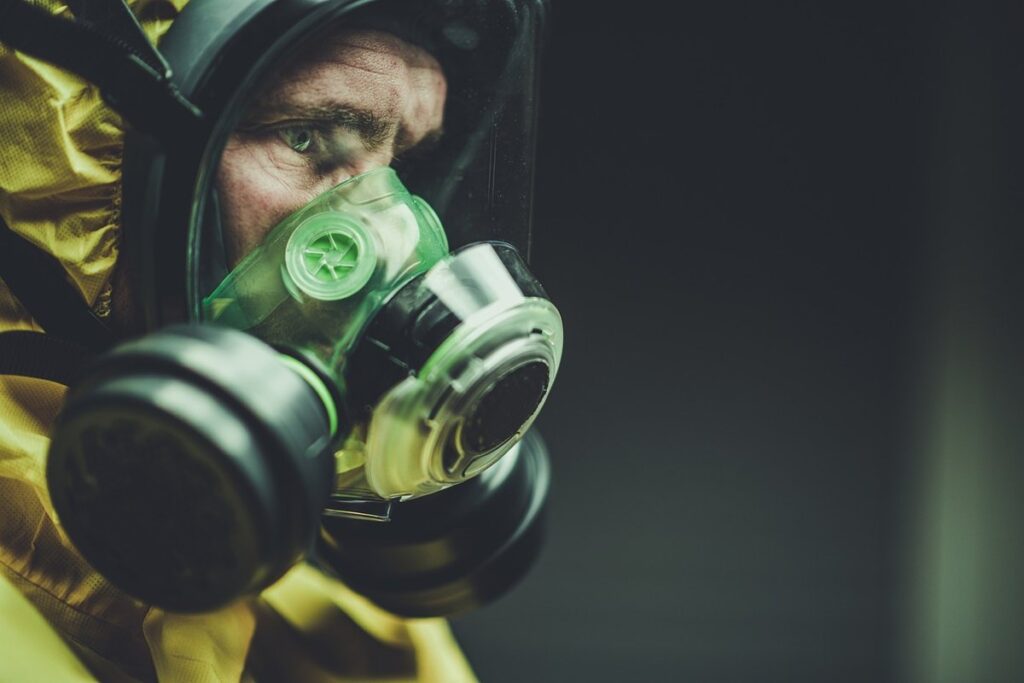
Training programs should cover proper use of personal protective equipment (PPE), such as gloves, masks, and eye protection. Staff must understand how to put on and remove PPE correctly to minimize the risk of contamination. Regular hygiene practices, like washing hands and disinfecting equipment, are also crucial.
A good training program should include regular drills and exercises to ensure staff can respond effectively in emergency situations. For instance, a mock outbreak simulation can help identify areas for improvement and encourage staff to ask questions about biosecurity protocols.
To make training more engaging and effective, consider incorporating interactive elements like quizzes or video modules. This can help reinforce key concepts and increase staff’s confidence in their ability to maintain a secure hatchery environment. By investing time and resources into staff education, hatcheries can significantly reduce the risk of disease outbreaks and ensure egg and fry quality.
Best Practices for Managing Visitors and Contractors
Managing visitors and contractors within the hatchery is an essential aspect of maintaining biosecurity. When outsiders enter the facility, there’s a risk that they may unintentionally introduce pathogens, compromise equipment, or disrupt operations. To minimize these risks, it’s crucial to implement strict procedures for managing visitors and contractors.
Pre-screening visitors beforehand can help identify potential security threats. This involves asking about their history of working with poultry or other animals, recent travel, and any health conditions that may pose a biosecurity risk. Restrict access to sensitive areas by providing escorted tours only to authorized personnel and limiting the number of individuals in these zones.
Conducting post-visit follow-up is also vital. This involves verifying that all visitors adhered to the established protocols and reporting any observed non-compliance. Regular training for employees on biosecurity best practices can further enhance the effectiveness of visitor management procedures. By following these steps, hatchery managers can ensure a safer working environment and reduce the risk of disease introduction.
Record Keeping and Biosecurity Auditing
Effective record keeping and biosecurity auditing are crucial to maintaining a hatchery’s integrity, ensuring accurate tracking of procedures and identifying areas for improvement. This includes monitoring water quality, sanitation practices, and personnel hygiene.
The Importance of Accurate Record Keeping
Accurate record keeping is a cornerstone of hatchery biosecurity practices. It’s not just about tracking water quality parameters, personnel training, and incidents – it’s about maintaining a transparent and auditable history of all biosecurity-related activities within the hatchery.
Documentation should include regular checks on water temperature, pH levels, and bacterial counts, as these can significantly impact egg and fry quality. Personnel training records must also be up-to-date, detailing any courses or workshops attended by staff, including handling and biosecurity protocols. In the event of an incident or outbreak, thorough documentation is crucial for swift response and prevention of future occurrences.
Consider implementing a dedicated record-keeping system, whether digital or manual, that allows easy access to historical data. Regular audits should be conducted to ensure records are complete, accurate, and compliant with regulatory requirements. By prioritizing accurate record keeping, hatchery managers can identify trends, make informed decisions, and maintain a robust biosecurity framework – ultimately safeguarding the health and quality of their eggs and fry.
Conducting Regular Biosecurity Audits
Conducting regular biosecurity audits is an essential aspect of maintaining a robust hatchery biosecurity program. These audits help assess the effectiveness of existing measures and identify areas for improvement, ultimately contributing to egg and fry quality.
To conduct an effective audit, start by establishing clear criteria for evaluation. This can include parameters such as sanitation protocols, equipment maintenance, personnel training, and supply chain management. Consider using a scoring system or checklists to ensure thoroughness and consistency across audits.
During the audit process, inspect all areas of the hatchery, including production facilities, laboratories, and administrative spaces. Look for signs of pests, contamination, or other biosecurity breaches. Document any deficiencies or concerns, along with corrective actions needed to address them.
It’s also crucial to involve personnel from various departments in the auditing process, ensuring that everyone is aware of their role in maintaining hatchery biosecurity. Regular audits can be conducted quarterly or biannually, depending on the hatchery’s specific needs and resources. By incorporating these assessments into your routine, you’ll be better equipped to identify vulnerabilities and make targeted improvements to strengthen your overall biosecurity program.
Conclusion
In conclusion, implementing effective hatchery biosecurity practices is crucial for ensuring the quality of eggs and fry. By following the guidelines outlined in this article, you can significantly reduce the risk of disease outbreaks and maintain a healthy environment for your fish population. Regular cleaning and disinfection of equipment and facilities, proper handling and storage of feed and supplies, and employee training on biosecurity protocols are all essential components of a robust hatchery biosecurity program. By prioritizing biosecurity, you’ll not only protect the health of your fish but also maintain the integrity of your operations and reputation in the industry. Remember, prevention is key, so stay vigilant and committed to maintaining the highest standards of biosecurity at every level.
Frequently Asked Questions
How can I prioritize my biosecurity measures for a small-scale hatchery with limited resources?
Prioritizing is crucial when resources are scarce. Focus on implementing physical barriers, access controls, and maintaining cleanliness and sanitation practices as these are essential for preventing disease outbreaks and contamination. Regularly review your risk assessment to identify areas that need improvement.
What should I do if I’m not sure about the correct disinfection protocols for my hatchery?
It’s always best to consult a professional when unsure about disinfection protocols. Reach out to your local aquaculture association or a certified aquatic pathologist for guidance on developing a customized disinfection plan tailored to your specific operations and water quality conditions.
How often should I conduct regular biosecurity audits in my hatchery?
Regular biosecurity audits are essential to identify vulnerabilities and areas for improvement. Schedule audits at least quarterly, after any major changes to the facility or during peak production periods when risk is higher. Use these opportunities to review record-keeping, staff training, and equipment maintenance.
Can I use automated water quality monitoring systems in place of manual checks?
While automated systems can provide real-time data, they shouldn’t replace manual checks entirely. Regular manual checks help ensure that sensors are functioning correctly and detect any anomalies that may not be caught by the automated system. Use both methods to maintain comprehensive oversight over your water quality.
How do I communicate biosecurity best practices effectively to new staff members?
Effective communication is key when introducing new staff members to your biosecurity protocols. Develop a comprehensive onboarding program that includes training sessions, interactive quizzes, and hands-on experience with critical procedures. Ensure all new employees understand the importance of their role in maintaining hatchery biosecurity.