
If you’re looking to add some serious meat or egg-laying power to your backyard flock, you’ll want to consider introducing some heavy-hitting chickens into the mix. Heavy chicken breeds like Jersey Giants and Brahmas are known for their impressive size and weight, making them ideal for larger families or farms that need a steady supply of meat. But these birds aren’t just about quantity – they also bring their own unique set of characteristics and temperaments to the table. In this article, we’ll be taking a closer look at some of the most popular heavy chicken breeds, including Orpingtons, and exploring their benefits for both meat production and egg-laying purposes. Whether you’re a seasoned poultry enthusiast or just starting out, keep reading to learn more about these incredible birds and how they can help take your flock to the next level.
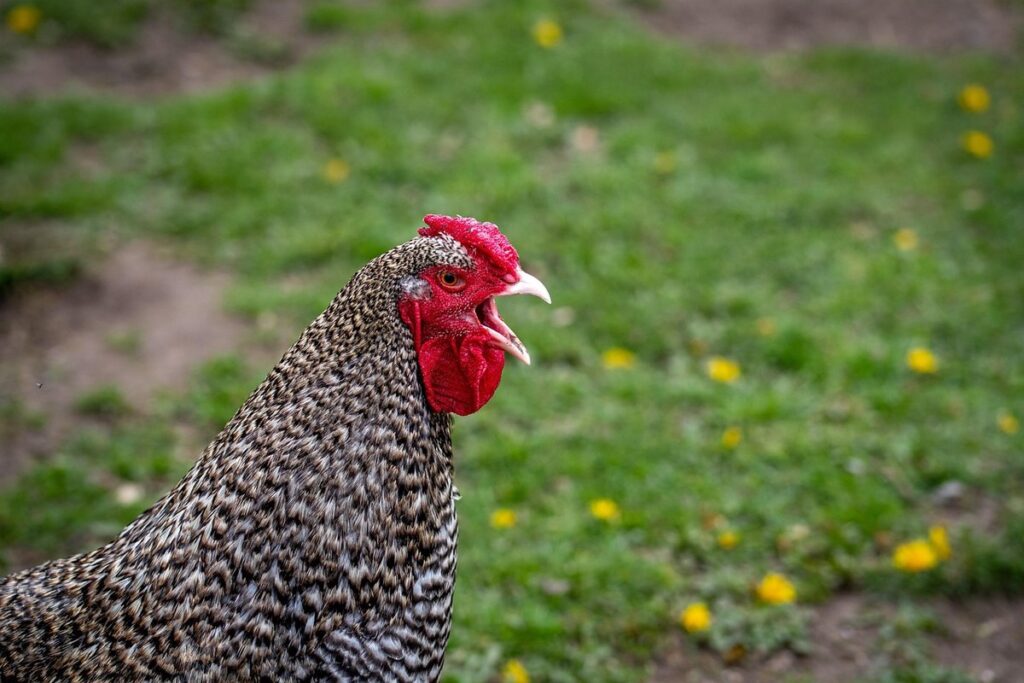
Characteristics of Heavy Chicken Breeds
Let’s take a closer look at what makes heavy chicken breeds stand out, including their impressive size, egg-laying capabilities, and unique characteristics that set them apart.
Physical Traits and Body Types
When it comes to heavy chicken breeds, one of the most noticeable differences from lighter breeds is their physical traits. Heavy breeds are characterized by their sturdy build, which allows them to carry and produce more eggs.
In terms of body shape, heavy breeds often have a broad, deep chest and a well-sprung ribcage, which enables them to pack on weight without sacrificing mobility. They also tend to be taller and longer than lighter breeds, with some varieties reaching heights of over 30 inches (76 cm).
Another key physical characteristic of heavy breeds is their feathering. While many breeds have a moderate amount of feathers, heavy breeds often sport more extensive plumage, particularly around the legs and tail. This extra layer of insulation helps them stay warm in cold climates.
In terms of body types, you’ll find several subcategories within heavy breeds. Some popular examples include:
• The Orpington: Known for their soft, fluffy feathers and gentle nature.
• The Brahma: A towering breed with a broad chest and impressive wingspan.
• The Cochin: Characterized by their long, flowing feathers and sturdy build.
These body types serve as a starting point for selecting the right heavy chicken breed for your needs. By understanding the unique characteristics of each breed, you’ll be better equipped to provide the best possible care and conditions for your flock.
Temperament and Disposition
Heavy chicken breeds are often misunderstood when it comes to their temperament and disposition. Contrary to popular belief, these birds are not just gentle giants; they have distinct personalities that can range from docile to aggressive. Factors such as breeding history, genetics, and environment play a significant role in shaping the temperament of heavy breeds.
Some popular heavy chicken breeds like Orpingtons and Brahmas are known for their friendly and calm nature, making them ideal for families with children or for backyard flocks where social interaction is key. However, others like Cochins and Wyandottes can be more assertive and may require careful handling to prevent aggression. If you’re new to raising heavy breeds, it’s essential to research the specific needs of your flock.
To ensure a harmonious household, start by observing your birds’ behavior and identifying any signs of aggression or stress. Provide a spacious coop with adequate ventilation, and make sure to introduce new chickens slowly to prevent conflicts. By understanding and catering to their social needs, you can create a peaceful coexistence between humans and heavy chicken breeds.
Popular Heavy Chicken Breeds
If you’re looking for the heaviest chicken breeds, we’ve got you covered! Here are some popular varieties that can grow to impressive sizes and lay plenty of eggs.
1. Jersey Giant
The Jersey Giant is one of the heaviest chicken breeds, originating from the United States in the late 19th century. Developed by William Tripp, this massive bird was bred to be a dual-purpose breed, providing both meat and eggs for the home farm. The Jersey Giant’s impressive size can grow up to 13 pounds, making it one of the largest commercial chicken breeds.
One of the standout characteristics of the Jersey Giant is its egg-laying ability. Despite its massive size, hens will produce an average of 150-200 brown eggs per year. While not as prolific as some other breeds, their large eggs make up for the lower production numbers.
In terms of temperament, the Jersey Giant is known to be friendly and docile, making it a great breed for backyard chicken keepers who want a gentle giant. However, they do require plenty of space to roam, so if you’re considering adding this breed to your flock, ensure you have enough room for them to move around comfortably.
Their large size also means they can tolerate cold temperatures better than other breeds. If you live in an area with harsh winters, the Jersey Giant’s hardiness makes it a great choice.
2. Brahma Chicken
The Brahma chicken is one of the largest and most majestic heavy breeds. Originating from the Himalayan region, they were first introduced to the United States in the 19th century for their impressive size and gentle nature.
Mature Brahma roosters can weigh up to 18 pounds (8 kg), while hens reach a maximum weight of around 12 pounds (5.4 kg). Their sturdy build, broad wings, and strong legs make them an attractive choice for backyard farmers.
In terms of egg production, Brahmas are not as prolific as some other breeds but still manage to lay a respectable 100-120 eggs per year. While the size and number of their eggs can vary, they typically range from large to extra-large.
Brahma chickens are known for their calm demeanor, making them an excellent choice for families with children or those who want a low-maintenance flock. They are also friendly, social birds that thrive on human interaction and regular attention.
3. Orpington Chicken
The Orpington breed is one of the most recognizable and beloved heavy chicken breeds worldwide. Originating from England in the late 19th century, this stunning bird was created by William Cobb, a breeder who aimed to produce a dual-purpose chicken that excelled both as a layer and meat producer.
Orpingtons are known for their impressive growth rate, with some females weighing up to 14 pounds or more within just a few months of age. Their feathering is another notable characteristic – soft, fluffy, and in a range of colors including black, white, blue, buff, and spangled. However, it’s essential to note that Orpingtons require regular maintenance to keep their stunning plumage looking its best.
As for temperament, Orpingtons are known for being friendly, docile, and relatively quiet – making them an excellent choice for backyard flocks with families or small children. They are also surprisingly easy-going, tolerating handling and interacting with people quite well. Overall, the Orpington’s unique combination of appearance, growth rate, and temperament has solidified its place as one of the most popular heavy chicken breeds globally.
Raising Heavy Chicken Breeds: Challenges and Considerations
When it comes to raising heavy chicken breeds, one of the biggest challenges is providing enough space for them to roam comfortably. You’ll need to consider their unique needs carefully to keep them healthy and happy.
Space and Housing Requirements
When it comes to raising heavy chicken breeds, providing adequate housing is crucial for their health and well-being. These birds require more space than lighter breeds due to their size and weight. A good rule of thumb is to allocate at least 4-5 square feet of coop space per bird, with a minimum of 2-3 square feet of run space.
To give you a better idea, a coop for a heavy breed like the Jersey Giant or Orpington could be around 8-10 feet wide and 12-15 feet long. The run should be at least twice as large as the coop to allow birds to move around comfortably. If you’re short on space, consider building vertically with nesting boxes, perches, and roosts that make the most of your ceiling height.
In addition to size, heavy breeds also need sturdy structures to support their weight. Make sure your coop is well-ventilated, dry, and protected from predators. You may also want to consider adding additional features like ramps or stairs for easy access to roosting areas and nesting boxes.
Nutrition and Health
Heavy chicken breeds require special attention to their nutrition and health due to their unique physiology. These birds need more calories to maintain their large size, which can lead to obesity if not managed properly. A feeding schedule tailored to the breed’s specific needs is crucial. For example, a heavy breed like the Brahma or Orpington should be fed 1-2% of their body weight in feed per day, divided into 2-3 meals.
Nutrition supplements may also be necessary, especially during molting season when birds require extra protein to maintain muscle mass. However, over-supplementation can lead to health issues like kidney stones or fatty liver disease. It’s essential to consult with a veterinarian to determine the best supplement plan for your flock.
Common health issues in heavy breeds include respiratory problems, joint pain, and heart conditions due to their large size. Regular check-ups and monitoring of vital signs can help identify potential problems early on. Additionally, providing ample space and exercise can also mitigate some of these issues. By understanding the specific dietary needs and health concerns of heavy chicken breeds, you can take proactive steps to ensure your birds stay healthy and thrive.
Benefits and Uses of Heavy Chicken Breeds
As you consider adding a heavy chicken breed to your flock, it’s essential to understand the benefits they bring, from egg production to meat quality. In this section, we’ll explore their unique advantages.
Meat Production
Raising heavy chicken breeds can significantly impact meat production, offering numerous benefits to farmers and commercial poultry operations. One of the primary advantages is their impressive growth rates. Some heavy breeds, such as the Brahma and Orpington, can grow up to 4 pounds within the first eight weeks of life, making them ideal for large-scale meat production.
The quality of meat produced by these birds is also noteworthy. Heavy chicken breeds tend to have a more even distribution of fat throughout their bodies, resulting in juicier and more tender meat. This characteristic makes them particularly appealing to consumers who prioritize taste and texture.
Commercial poultry farming can greatly benefit from the characteristics of heavy chicken breeds. By incorporating these birds into their operations, farmers can reduce the need for additional feed and resources while still meeting market demands. For instance, a study by the American Poultry Association found that raising heritage breeds like the Jersey Giant can increase profits by up to 20% due to reduced production costs and improved meat quality.
Egg Production
Heavy chicken breeds are known for their exceptional egg-laying capacity and quality. In fact, many of these breeds can produce up to 300 large eggs per year, making them an excellent choice for small-scale or backyard poultry operations. For instance, the Jersey Giant is one of the heaviest chicken breeds that can lay around 200-220 brown eggs annually.
When it comes to egg production, heavy breeds tend to excel due to their robust physiology and strong reproductive systems. They have a higher number of ova in each ovary, which allows them to produce more eggs throughout their laying cycle. Additionally, these birds are often less prone to health issues that can impact egg-laying, such as stress or nutritional deficiencies.
If you’re considering raising heavy chicken breeds for egg production, it’s essential to provide a nutritious diet and maintain a clean and comfortable living environment. Regular health checks and vaccinations will also help ensure their overall well-being and optimal egg production. With proper care and management, your heavy chickens can become reliable and efficient egg producers for years to come.
Tips for Selecting and Keeping Healthy Heavy Chicken Breeds
When selecting a healthy heavy chicken breed, it’s essential to consider factors such as growth rate, egg production, and disease resistance.
Choosing a Reputable Breeder
When selecting a healthy and robust heavy chicken breed, it’s crucial to choose a reputable breeder who prioritizes the well-being of their birds. A good place to start is by asking for referrals from friends, family, or fellow chicken keepers who have had positive experiences with certain breeders.
To find a reputable breeder, look for ones that are members of national poultry associations or organizations, such as the American Poultry Association (APA). These organizations often have strict standards and guidelines in place to ensure breeding birds meet specific health and genetic requirements. Additionally, check online reviews and testimonials from previous customers to get an idea of a breeder’s reputation.
When selecting breeding birds, consider factors such as ancestry, bloodlines, and the breeder’s experience with heavy breeds. Healthy stock should have clean feathers, shiny eyes, and strong posture. Look for breeders who provide detailed health guarantees, offer regular veterinary check-ups, and are transparent about any genetic issues within their flock.
Some red flags to watch out for include breeders who seem secretive or evasive when asked about a bird’s ancestry or health history, or those who charge unusually low prices for high-quality birds. Trust your instincts and don’t be afraid to walk away if you feel something isn’t quite right.
Biosecurity Measures
Protecting heavy chicken breeds from disease and predators requires implementing robust biosecurity measures. A healthy flock starts with a clean environment, so make sure to designate a specific area for your birds that’s far from your household’s living spaces.
Implement disinfection protocols regularly, such as using footbaths and scrubbing equipment with bleach after each use. Ensure all visitors wear protective gear like masks, gloves, and closed shoes to minimize the risk of disease transmission.
Keep predators at bay by installing sturdy fencing around your chicken run that’s at least 6 feet high and extends 12 inches below ground level. Burying hardware cloth or chicken wire under this barrier prevents digging animals from breaching it.
Monitor your flock regularly for signs of illness, such as droopy wings, labored breathing, or changes in appetite. Isolate any sick birds immediately to prevent the spread of disease among your healthy chickens.
Conclusion: The Place of Heavy Chicken Breeds in Modern Poultry Farming
In conclusion, heavy chicken breeds play a vital role in modern poultry farming. Their impressive size and muscle mass make them ideal for meat production, providing a consistent source of high-quality protein for consumers. Despite their popularity, many farmers are still unaware of the benefits and requirements of raising these exceptional birds. By understanding the specific needs and characteristics of each breed, farmers can optimize their breeding programs and increase efficiency.
To successfully integrate heavy chicken breeds into their operations, farmers must consider factors such as feed, housing, and health management. This includes selecting suitable genetics, implementing effective feeding strategies, and maintaining strict biosecurity protocols to prevent disease outbreaks. By doing so, they can unlock the full potential of these remarkable birds and contribute to a more sustainable and productive poultry industry.
Frequently Asked Questions
How do I determine the best heavy chicken breed for my small farm or backyard flock?
Heavy breeds come with varying egg-laying capacities, growth rates, and temperament. To choose the right breed for you, consider factors like your climate, available space, desired meat production, and experience level in raising chickens. Research popular heavy breeds like Jersey Giants, Brahmas, and Orpingtons to determine which best suits your needs.
What are some common health issues I should be aware of when raising heavy chicken breeds?
Heavy breeds can be prone to certain health issues, such as respiratory problems due to their large size, leg disorders from overgrowth, and heat stress in warmer climates. Regular veterinary check-ups, proper nutrition, and providing adequate space for exercise can help mitigate these risks.
Can I keep heavy chicken breeds with smaller or lighter breeds?
Introducing heavy breeds into a flock of lighter birds requires careful consideration. Heavy breeds may unintentionally harm smaller chickens during feeding time or mating season. It’s essential to ensure enough space and resources for all birds, particularly when introducing new additions to your flock.
What are the specific housing requirements for heavy chicken breeds?
Heavy breeds require more space than lighter breeds due to their larger size and weight. A minimum of 3-4 square feet per bird is recommended, with adequate ventilation and protection from harsh weather conditions. Consider providing separate coops or runs for heavy breeds to prevent overcrowding.
How often should I collect eggs from my heavy chicken breed hens?
Heavy breeds are known for their high egg-laying capacity. However, over-collecting eggs can stress the birds and impact future production. Aim to collect eggs 2-3 times a week, depending on your flock’s size and individual bird needs, to maintain their overall health and well-being.