
When it comes to these magnificent birds, many of us tend to use the terms ‘goose’ and ‘gander’ interchangeably. But did you know that there are some key differences between them? Geese and ganders may look similar at first glance, but they have distinct physical characteristics, behaviors, and even conservation statuses. If you’re a bird enthusiast or simply fascinated by these incredible creatures, this is the article for you! In this post, we’ll delve into the fascinating world of geese vs ganders, exploring everything from their unique traits to their roles in ecosystems and habitats. By the end of it, you’ll have a better understanding of these birds and why they’re so important – learn more about how to tell them apart, what sets them apart, and what conservation efforts are in place to protect them.
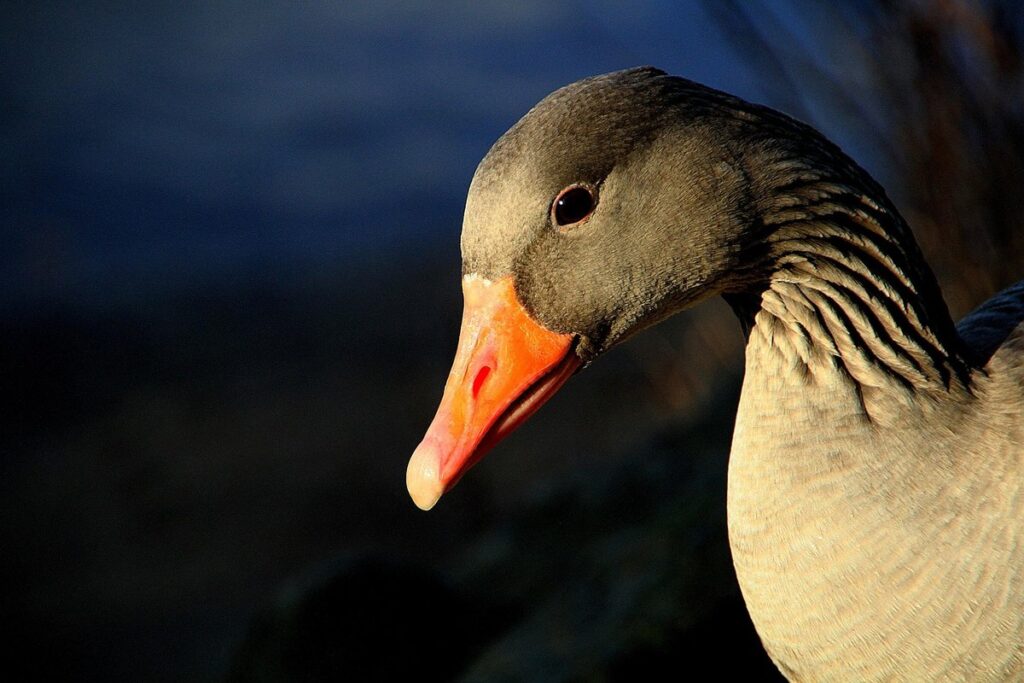
What’s the Difference Between a Goose and a Gander?
So, you’ve always wondered what the fuss is about when people refer to male and female geese as ganders and geese – let’s break down the difference.
Definition of Terms
When it comes to waterfowl, many people get their terms mixed up. A goose and a gander are often used interchangeably, but they actually refer to specific genders of geese.
A goose is the general term for an adult bird belonging to the family Anatidae, which includes ducks, geese, and swans. Geese are characterized by their distinctive honking calls, long necks, and webbed feet. Both male and female geese share these physical characteristics, making it difficult to determine their sex at first glance.
However, a gander is specifically the term for an adult male goose. The most noticeable difference between a goose and a gander lies in their distinctive vocalizations – geese make a softer, more nasal honking sound, while ganders produce a deeper, louder call. Some people mistakenly believe that any large waterfowl with a white patch on its forehead is a gander, but this is not always the case.
Historical Background
The terms “goose” and “gander” have undergone significant transformations throughout history, influenced by language evolution and cultural nuances. In Old English, the word “gos” referred to both male and female geese, whereas the term “gānder” was used for a castrated or neutered goose. This distinction highlights the origins of our modern-day vocabulary.
As languages developed over time, the terms began to take on distinct meanings. By the 14th century, “goose” primarily referred to the female bird, while “gander” specifically denoted the male. The shift in terminology likely resulted from the domestication of geese, where farmers needed clear differentiation between sexes for breeding purposes.
Today, when referring to a group of geese, it’s common to use “a gaggle,” which originated in the 15th century. This linguistic evolution reflects our changing relationship with these birds and highlights the importance of understanding historical context in language usage.
Physical Characteristics: A Visual Comparison
Let’s dive into the visual differences between our two feathered friends, and take a closer look at their distinct physical characteristics.
As you examine photos of geese and ganders side by side, notice how their size, plumage, and beak shapes vary slightly, setting them apart.
Size and Weight Differences
When it comes to physical characteristics, one of the most noticeable differences between geese and ganders is their size and weight. While both males and females share similar overall body shape, there are distinct variations.
On average, a mature goose can weigh anywhere from 4 to 12 pounds (1.8 to 5.4 kilograms), depending on the species. For example, the Canada Goose typically weighs around 7-10 pounds (3.2-4.5 kilograms), whereas the Snow Goose tips the scales at about 6-9 pounds (2.7-4 kg). In contrast, a gander’s average weight is usually slightly higher, ranging from 8 to 15 pounds (3.6-6.8 kilograms).
It’s essential to note that size and weight can vary significantly across different species. For instance, the Swan Goose can grow up to 20 pounds (9 kg) or more in weight, while some domesticated breeds might be much smaller.
When distinguishing between geese and ganders, look for these size differences: if you’re dealing with a larger bird, it’s likely to be a gander.
Plumage and Feathers
When it comes to distinguishing geese from ganders, their plumage features play a significant role. Geese and ganders exhibit distinct coloration patterns, with the most notable difference being the neck ring. Female geese typically have a darker neck ring or no visible one at all, whereas male ganders usually sport a white or light-colored neck ring.
The overall coloration of geese tends to be more muted, often featuring shades of brown and gray. In contrast, ganders exhibit brighter hues, such as black, white, and gold. Geese feathers are generally smoother and shinier than those of ganders.
As you observe a goose or gander’s plumage, take note of the subtle differences in texture and pattern. Female geese often lack the distinctive golden sheen seen on male ganders’ wings.
Behavior and Habitat: A Closer Look
As we dive deeper into the world of geese, let’s take a closer look at how their behavior and habitat differ from one another in fascinating ways.
Mating and Breeding Habits
When it comes to the mating and breeding habits of geese, it’s essential to understand that geese form long-lasting monogamous relationships, which is a unique characteristic compared to other bird species. In fact, some geese pairs have been known to stay together for up to 20 years in the wild. The courtship ritual typically begins with a series of displays, including loud honking, strutting, and even dancing.
During mating season, you may observe geese engaging in elaborate behaviors such as neck-twisting, where they twist their necks in unison, or preening, which involves mutual grooming to strengthen their bond. It’s not uncommon for geese pairs to form close-knit relationships, often accompanied by a strong sense of loyalty and commitment.
Interestingly, when it comes to choosing a mate, geese tend to prioritize physical characteristics over personality traits. For example, research suggests that female geese often choose mates based on the quality of their plumage, with males sporting vibrant colors and well-groomed feathers being more attractive prospects.
When observing goose-gander relationships in your backyard or during a trip to the park, pay attention to these distinctive behaviors. By doing so, you’ll gain a deeper appreciation for the unique dynamics at play between these fascinating birds.
Social Structure and Flocking Patterns
In social contexts, geese and ganders exhibit distinct behavior when interacting with each other. While both male and female geese live together in large flocks during migration seasons, their relationships are more complex than just being a pair bond. In the wild, it’s common to see geese engaging in dominant-submissive behaviors, where an alpha goose leads the flock.
Research suggests that ganders tend to be more assertive and competitive among themselves, often vying for dominance within the flock. They may display aggressive posturing or even engage in fights with other males to establish hierarchy. Geese, on the other hand, tend to form close bonds with each other and are known to exhibit altruistic behavior towards their mate.
In contrast, geese often prioritize social bonding over aggression, especially when raising goslings together. They work as a team to protect their young from predators, sharing responsibilities and exhibiting remarkable coordination. Understanding these differences in flock dynamics can help you better appreciate the unique characteristics of geese and ganders.
Diet and Foraging: What’s on the Menu?
When it comes to what geese and ganders eat, there are some notable differences that can affect their behavior and overall health, so let’s dive into the details.
Food Sources and Preferences
When it comes to diet, geese and ganders share similar preferences, but with some subtle differences. Both waterfowl are herbivores, which means they primarily feed on plants, grains, and aquatic vegetation. However, their diets can vary depending on the season, location, and availability of food sources.
In general, both geese and ganders enjoy munching on grasses, leaves, stems, and roots of various plants, including aquatic ones like water lilies and cattails. They also forage for grains such as oats, wheat, and barley, as well as insects like snails, slugs, and earthworms. In fact, geese are known to eat a wide variety of plant species, with over 200 identified in their diet.
If you’re trying to replicate the diets of your pet geese or gander, consider providing them with a mix of grasses, hay, and leafy greens like kale and spinach. You can also supplement their diet with grains like oats or barley, but be sure to introduce new foods gradually to prevent digestive upset. By mimicking their natural diet, you’ll help keep your feathered friends healthy and happy.
Foraging Strategies
When it comes to foraging strategies, geese and ganders have some fascinating differences. Geese are known for their unique way of eating grasses, aquatic plants, and grains. They use a distinctive “sweeping” motion with their heads to gather food, often in shallow water or on land. This technique allows them to consume large amounts of vegetation quickly.
Ganders, on the other hand, have adapted to eat a more varied diet, including fruits, berries, and insects. Their beaks are slightly stronger than those of geese, which enables them to crack open nuts and seeds. In addition, ganders tend to forage alone or in pairs, whereas geese often forage in larger groups.
When observing these birds foraging, you may notice that they often follow established paths or routes, which can help them efficiently cover large areas in search of food. If you’re interested in attracting geese and ganders to your yard, consider planting a variety of grasses, grains, and wildflowers that are rich in nutrients.
Keep in mind that foraging strategies may vary depending on the region, season, and availability of food sources. By understanding these differences, you can better appreciate the unique characteristics of each bird species and create a more welcoming environment for them to thrive.
Conservation Status: Challenges Facing Geese and Gander Populations
As we delve into the fascinating world of geese and ganders, it’s essential to understand the challenges facing their populations, including habitat loss, hunting, and climate change. Let’s explore these pressing conservation issues together.
Threats to Geese and Gander Populations
Geese and ganders are facing numerous threats to their populations worldwide. One of the major concerns is habitat loss due to urbanization and agricultural expansion. As natural habitats shrink, geese and ganders struggle to find suitable places for breeding, feeding, and roosting. For instance, in North America, the Canada goose population has declined significantly due to habitat destruction and fragmentation.
Another significant threat is hunting, which is a major concern in many parts of the world. Geese and ganders are hunted for their meat, feathers, and eggs, often leading to overhunting and unsustainable populations. For example, in Europe, the white-fronted goose is listed as vulnerable due to excessive hunting pressure.
Climate change also poses a significant threat to geese and gander populations. Changes in temperature and precipitation patterns disrupt their migratory routes, breeding cycles, and feeding habits, making it challenging for them to adapt. Moreover, rising sea levels and extreme weather events can lead to habitat loss and destruction of critical ecosystems.
These threats are interconnected and have far-reaching consequences for geese and ganders worldwide. As we strive to understand the differences between these magnificent birds, it’s essential to acknowledge and address these pressing concerns to ensure their long-term survival.
Efforts in Conservation and Management
To ensure the continued existence of these magnificent creatures, numerous efforts are underway to protect geese and gander populations. National parks have been established as sanctuaries for various species, including Canada Geese and Snow Geese, where they can thrive without human interference. For instance, Yellowstone National Park in the United States has seen a significant increase in its geese population due to conservation efforts.
Additionally, numerous wildlife reserves around the world provide protected habitats for these birds. The Patuxent Research Refuge in Maryland, USA is one such example, providing a safe haven for migratory birds, including geese and gander populations. These organizations work tirelessly to monitor their populations, identify threats, and develop strategies to mitigate them.
Several prominent conservation organizations are also working towards the preservation of geese and gander populations. The International Waterfowl and Wetlands Research Bureau (IWRB) focuses on habitat conservation and research, while the World Wildlife Fund (WWF) works to safeguard ecosystems that support these species. By supporting such initiatives, we can contribute to a healthier coexistence between humans and these incredible birds.
Frequently Asked Questions
Can I use the terms ‘goose’ and ‘gander’ interchangeably in formal writing?
Yes, while it’s technically accurate to refer to a male goose as a gander, using both terms may cause confusion in formal contexts. For precise communication, especially in scientific or professional settings, it’s better to stick with specific terminology for each gender.
How do I tell the difference between a young male and female goose?
Young geese are often difficult to sex due to their similar plumage patterns. However, if you observe their behavior, females tend to be more aggressive than males during mating season. Additionally, keep an eye out for distinctive characteristics like longer necks or thicker legs in males.
What’s the best way to support conservation efforts for geese and ganders?
Supporting local wildlife refuges, participating in citizen science projects, and spreading awareness about these birds’ habitats are all valuable contributions. You can also consider donating to reputable organizations dedicated to protecting waterfowl populations and their ecosystems.
Can I keep geese or ganders as pets?
While it’s technically possible to keep geese or ganders as pets, it’s essential to check local laws and regulations regarding exotic pet ownership. Geese require large spaces for exercise and can be quite territorial, making them a significant commitment. Ensure you’re prepared to provide the necessary care and attention before considering keeping one as a pet.
Are there any health risks associated with geese or gander encounters?
Yes, wild geese can carry diseases like avian cholera, which can be transmitted to humans through contact with contaminated water or feces. When interacting with these birds in their natural habitat, take precautions by wearing gloves and avoiding close contact with them if you notice any signs of illness.