
As a goose owner, you know how crucial it is to provide your flock with a safe and healthy environment from day one. A well-designed goose brooder is essential for raising strong and resilient goslings. But setting up the perfect brooder can be overwhelming, especially if you’re new to backyard poultry keeping. Choosing the right equipment, controlling temperature, ensuring adequate ventilation – there are so many factors to consider.
In this article, we’ll guide you through the process of selecting and setting up a goose brooder that meets your flock’s needs. We’ll cover expert advice on maintaining the perfect temperature range for your goslings, ensuring proper ventilation, and implementing safety precautions to prevent common hazards. Whether you’re an experienced breeder or just starting out, our step-by-step guide will help you provide the best possible start in life for your precious geese.
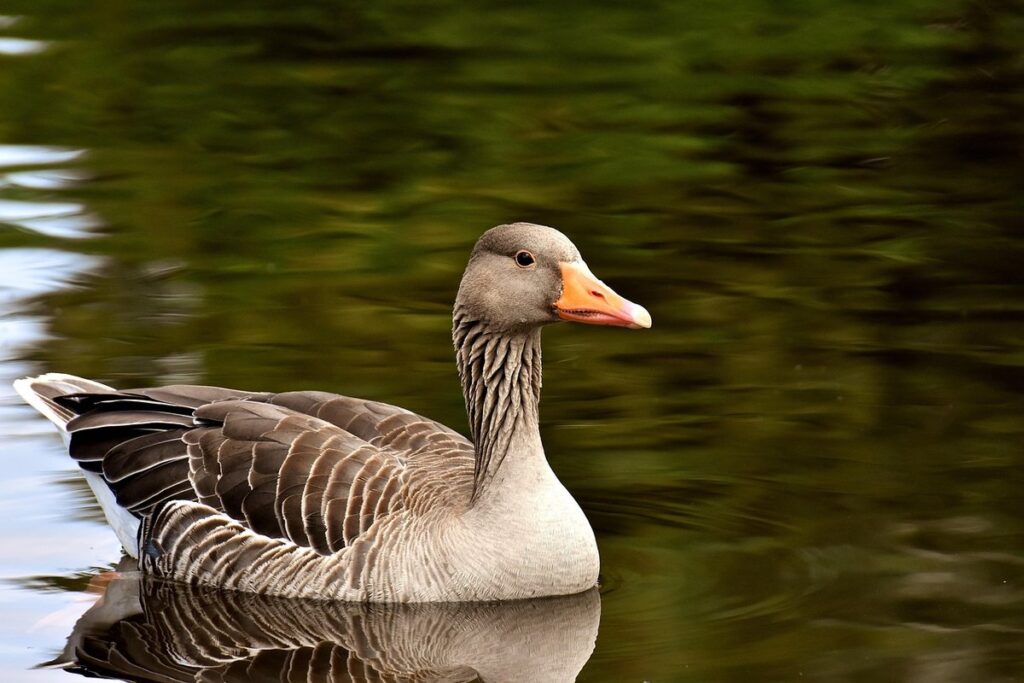
Understanding Goose Brooding Basics
To raise healthy goslings, it’s essential to understand the basics of brooding, including temperature control and proper nutrition for optimal growth. This sets them up for a long and thriving life.
Importance of Early Care for Goslings
When you bring home adorable goslings, it’s easy to get caught up in their playful antics and charming personalities. However, providing proper care during the first few weeks of their life is crucial for their health and development.
The initial weeks are a critical period for gosling growth, as they transition from relying on their yolk sac to eating solid food. During this time, they need a safe, warm, and nutritious environment that meets their specific needs. A well-designed goose brooder plays a vital role in ensuring the goslings receive essential care.
Adequate ventilation, proper temperature control, and easy access to clean water and food are all critical components of a successful goose brooder. Moreover, keeping the area free from drafts and extreme temperatures helps prevent respiratory issues that can be fatal for young goslings. Ensure you’re providing a hygienic environment by changing bedding regularly and disinfecting surfaces as needed.
Inadequate care during this period can lead to stunted growth, weakened immune systems, or even death. By investing in the right goose brooder and providing attentive care, you’ll set your flock up for long-term health and success.
Types of Goose Brooders: A Brief Overview
When it comes to providing a warm and safe environment for your young goslings, you have several options to consider. The type of brooder system you choose will depend on various factors such as the number of birds, available space, and personal preference.
Heat lamps are one of the most common types of brooders used for geese. They work by providing a concentrated heat source that can be adjusted to meet the needs of your goslings. However, it’s essential to ensure the lamp is safely positioned and securely fastened to avoid accidents. Some owners also opt for ceramic heat emitters as an alternative to heat lamps. These emitters provide a more even heat distribution and are often safer, but they can be more expensive.
Another option is gas brooders, which use propane or natural gas to warm the air. These systems are ideal for larger flocks, but they require proper ventilation to prevent carbon monoxide buildup. Regardless of the type you choose, it’s crucial to monitor temperature levels and ensure your goslings have access to fresh water at all times.
When selecting a brooder system, remember that safety should be your top priority. Always follow the manufacturer’s instructions for installation, use, and maintenance to avoid any potential risks or hazards.
Choosing the Right Brooder Size
When it comes to choosing a brooder for your geese, getting the right size is crucial. Let’s dive into the factors that will help you select the perfect size for your flock.
Factors to Consider When Selecting a Brooder
When selecting a brooder size, it’s essential to consider several factors that will ensure your goslings grow and thrive. The number of goslings you plan to incubate is the first crucial consideration. A good rule of thumb is to allocate about 3-4 square feet per chick for the first few weeks. This allows for easy movement and reduces stress on your birds.
Another critical factor is available space in your home or farm. Consider the brooder’s footprint and how it will fit into your existing setup. Make sure you have enough room for future expansion, as your goslings will grow rapidly. Don’t underestimate the importance of ventilation – adequate airflow is vital to prevent ammonia buildup and keep your birds healthy.
Lastly, budget constraints must also be taken into account. While a larger brooder may seem appealing, it’s not always necessary or feasible. A smaller unit can still provide an optimal environment for your goslings if chosen carefully. Consider second-hand options or DIY solutions to save on costs without compromising on quality.
Calculating the Ideal Brooder Capacity
Calculating the ideal capacity for your brooder is crucial to ensure that your goslings have enough space to grow and thrive. To do this, you need to consider their growth rate. Goslings typically require more space than chicks, with a recommended minimum of 2-3 square feet per bird. However, if you plan to raise your goslings for meat production, they may require even more space.
To calculate the ideal capacity for your brooder, start by estimating how many goslings you will be raising and their expected growth rate. A general rule of thumb is to assume a 5-7% weekly growth in weight. Based on this, you can estimate the maximum number of birds that your brooder can accommodate at any given time. For example, if you’re raising 10 goslings that grow by 6% per week, you’ll need about 3 square feet per bird at hatching and increasing to 4-5 square feet as they mature.
Remember, overcrowding can lead to stress, disease, and reduced growth rates in your goslings. It’s always better to err on the side of caution and plan for a slightly larger brooder capacity than needed.
Essential Features of a Goose Brooder
When it comes to providing a safe and healthy environment for your goslings, having the right features in your brooder is crucial. Let’s take a look at what you need to consider.
Temperature Control: A Critical Component
Temperature control is one of the most critical components to consider when choosing a goose brooder. Gooses are sensitive to extreme temperatures, and proper temperature regulation can make all the difference in their health, growth rate, and overall well-being.
Recommended temperatures for a goose brooder vary depending on the age of the goslings. For example, newly hatched goslings require a warm environment with temperatures around 90-95°F (32-35°C), while older goslings can thrive at temperatures between 70-80°F (21-27°C).
Maintaining precise temperature control is essential to ensure that your goslings stay within the optimal temperature range. One way to achieve this is by using a reliable thermostat and a heating source, such as a heat lamp or ceramic heat emitter. It’s also crucial to monitor temperature fluctuations regularly to make adjustments as needed.
A good goose brooder should allow for precise temperature control, allowing you to adjust the temperature in increments of 1-2°F (0.5-1°C). This level of control enables you to respond quickly to changes in your goslings’ needs and provide them with a safe and healthy environment throughout their growth cycle.
Ventilation and Air Quality Management
Maintaining good air quality within the brooder is crucial to prevent respiratory issues and stress among the goslings. A well-designed ventilation system can make a significant difference in ensuring a healthy environment for your flock. Look for a goose brooder that incorporates a robust ventilation system, which typically includes adjustable vents, windows, or exhaust fans.
In addition to proper ventilation, regular cleaning is essential to maintain air quality within the brooder. Set aside time each week to clean out waste and debris from the brooder, disinfect surfaces with a poultry-safe solution, and ensure adequate airflow by opening windows or adjusting vents as needed. A good rule of thumb is to remove soiled bedding material every 7-10 days and replace it with fresh material.
Some goose breeders swear by incorporating natural ventilation methods, such as installing windows high up on the brooder walls that can be opened for cross-airflow during warmer months. Others prefer mechanical systems, like fans or vents that allow for precise control over airflow. Consider your specific climate and the needs of your flock when choosing a ventilation system for your goose brooder.
Setting Up Your Goose Brooder
To get your goose brooder up and running smoothly, you’ll want to carefully plan and prepare for a safe and healthy environment for your goslings. This involves selecting the right equipment.
Step-by-Step Instructions for Assembling the Brooder
Assembling your chosen goose brooder is an exciting step towards providing a safe and healthy environment for your goslings. To ensure a smooth process, follow these step-by-step instructions carefully.
Begin by unpacking all the components of your brooder system, including the pen, nesting box, and any additional features such as ventilation systems or lighting. Take note of the included instruction manual for specific assembly requirements.
- Start by assembling the frame of the pen using the provided hardware. Make sure to follow the manufacturer’s recommended screw torque settings to avoid compromising the structural integrity.
- Next, attach the nesting box to the pen, ensuring it is securely fastened and at a comfortable height for your goslings.
- Install any additional features such as ventilation systems or lighting according to the manufacturer’s instructions.
Before introducing your goslings to their new home, ensure all electrical components are safely installed and functioning correctly. Always turn off power sources when making adjustments or repairs.
Tips for Ensuring Gosling Safety Within the Brooder
When it comes to setting up your goose brooder, ensuring the safety of your goslings is paramount. A safe environment within the brooder is crucial for their growth and development. To create a secure space, you’ll want to consider proper lighting, feeding, and monitoring systems.
Firstly, ensure that the brooder provides adequate lighting. Goslings need UVB light to help them absorb calcium, which is essential for strong bone growth. You can use specialized goose brooders with built-in UVB lighting or supplement with a separate lamp. Monitor the temperature and adjust the lighting accordingly – goslings should have access to 14-16 hours of daylight.
Next, pay attention to feeding systems. Goslings require a starter feed rich in protein (around 20%) until they’re about 4 weeks old. Ensure that their feeder is clean and easily accessible to prevent overcrowding and disease transmission. Consider investing in an automated feeder or trough system for efficient feeding management.
Regular monitoring of the brooder’s temperature, humidity levels, and cleanliness is vital. This can be achieved through a combination of visual inspections, thermometer readings, and hygrometer checks. Regularly clean the brooder to prevent bacterial growth, changing bedding materials as needed.
Integrating Your Goose Brooder with Your Flock Management System
Now that you’ve chosen your perfect goose brooder, let’s talk about how to seamlessly integrate it into your flock management system for streamlined care and organization.
How to Seamlessly Transition Goslings into Their Final Environment
Transitioning goslings from their brooder to the main flock requires careful planning and execution. Start by introducing them to the outdoors gradually, beginning with short periods of supervised time outside the brooder under close observation for 10-15 minutes a day. As they grow, increase these intervals and eventually transition them to spending most of their days outside.
Assess each gosling’s temperament before making the final move. Some may be more timid or skittish, requiring extra patience during this process. For larger flocks, introduce goslings in small batches, monitoring behavior closely for any signs of stress or aggression. Consider separating the newest additions from mature birds initially to prevent bullying.
Adjustments will also need to be made based on age and size. Younger goslings require more attention and may not tolerate harsh weather conditions as well as older birds. Ensure adequate shelter and protection from predators during their transition period, providing a safe space for them to grow and develop before integrating into the main flock.
Monitoring and Adjusting Brooder Settings as Necessary
Monitoring and adjusting brooder settings as necessary is crucial to ensure the optimal development of your goslings. This process requires regular observation and adaptation to changing weather conditions and your young birds’ needs.
Keep a close eye on temperature fluctuations, as even slight variations can impact the health and growth rate of your goslings. A general rule of thumb is to maintain temperatures between 90°F to 100°F (32°C to 38°C) during the first week, gradually decreasing it by 5-10°F (3-6°C) each subsequent day until it reaches ambient temperature.
Humidity levels also play a significant role in brooder management. Aim for a relative humidity of around 50-60% to promote healthy growth and prevent respiratory issues. Be prepared to adjust the moisture level if you notice your goslings showing signs of distress or excessive drinking.
Additionally, consider investing in a thermometer and hygrometer to accurately monitor temperature and humidity levels within your brooder. This will enable you to make data-driven decisions when adjusting settings, ensuring the best possible environment for your growing goslings.
Troubleshooting Common Goose Brooding Issues
We’ve all been there – a batch of goslings struggling to thrive, and you’re not sure what’s going wrong. Let’s tackle some common goose brooding issues together.
Identifying Potential Problems Before They Arise
When setting up a goose brooder, it’s essential to identify potential problems before they arise. Temperature fluctuations can be a significant issue, especially during extreme weather conditions. A goose brooder that is not well-insulated may struggle to maintain a stable temperature, which can lead to stress and health problems for the goslings.
Humidity control is another critical aspect of goose brooding. If the environment becomes too humid, it can promote the growth of bacteria and fungi, leading to respiratory issues in the goslings. Conversely, if the air is too dry, it can cause dehydration and discomfort. A good goose brooder should be equipped with a reliable humidity control system that can maintain optimal levels.
Pest management is also crucial when keeping geese indoors. Vermin such as mice, rats, and cockroaches can spread disease and contaminate food and water sources. A well-designed goose brooder should have features like secure doors and mesh vents to prevent pests from entering the enclosure. Regular cleaning and maintenance of the brooder are also vital in preventing pest infestations.
To mitigate these risks, it’s essential to monitor temperature, humidity levels, and pest activity closely. Conduct regular checks on the brooder’s ventilation system, insulation, and pest control measures to ensure everything is functioning as intended.
Strategies for Addressing These Challenges Efficiently
When it comes to goose brooding, several common challenges can arise if not properly addressed. To efficiently overcome these issues, you should consider implementing strategies like temperature control and pest management within the brooder.
Maintaining optimal temperatures is crucial for the health of young goslings. Ensure that your brooder’s heating system is calibrated correctly, and the temperature range is suitable for the age group of your birds. For instance, if you’re raising day-old goslings, a temperature range of 90-95°F (32-35°C) can be ideal during the first week. As they grow, gradually reduce the temperature to around 70-75°F (21-24°C). Monitor the thermometer closely and make adjustments as necessary.
Another significant challenge is managing pests within the brooder. Pests like mites, lice, or rodents can cause stress and disease in your birds. Regularly inspect the brooder for signs of infestation and take prompt action if you notice any issues. Clean the brooder thoroughly, remove any debris, and replace bedding materials as needed to prevent re-infestation.
Frequently Asked Questions
How Do I Ensure Adequate Ventilation Within My Goose Brooder?
Ventilation is crucial for maintaining a healthy environment within the brooder. To ensure adequate ventilation, consider installing windows or vents that can be adjusted according to temperature and humidity levels. You should also maintain a minimum of 1 square foot of ventilation space per gosling to prevent respiratory issues.
Can I Use a Pre-Existing Structure as My Goose Brooder?
While it’s tempting to repurpose an existing structure, it’s essential to consider the specific needs of your geese when selecting a brooder. Opt for a dedicated brooder that allows for easy cleaning and modification as needed. A pre-existing structure may not meet these requirements, potentially compromising the health and safety of your flock.
How Do I Transition Goslings from Their Brooder to an Outdoor Environment?
When transitioning goslings to their final environment, it’s crucial to do so gradually to prevent stress and potential disease transmission. Begin by introducing them to a transition area with similar conditions to their brooder, then gradually expand their access to the outdoors over several days or weeks.
What Are Some Common Health Issues I Should Watch Out for in My Goose Brooder?
Common health issues in goose brooders include respiratory problems, scaly legs, and hypothermia. Keep a close eye on your goslings’ overall health, monitoring for changes in behavior, appetite, or physical condition. Regularly clean the brooder, maintain proper ventilation, and ensure adequate nutrition to minimize the risk of these issues.
How Often Should I Clean My Goose Brooder?
A dirty brooder can be a breeding ground for disease and bacteria. Aim to clean your brooder at least once a week, removing soiled bedding, disinfecting surfaces, and replacing with fresh material as needed. Regular cleaning will help maintain a healthy environment for your goslings and reduce the risk of disease transmission.