
Are you thinking of adding some new feathered friends to your family? Pekin duck and hen pets can bring endless joy, but they require proper care and attention. If you’re new to raising waterfowl, it’s essential to understand their unique needs and habits to ensure a happy and healthy home for both you and your new pets.
In this article, we’ll guide you through the process of selecting the perfect Pekin duck and hen for your family, providing expert advice on housing, nutrition, health, and more. From setting up a suitable enclosure to understanding their dietary requirements, we’ve got you covered. By the end of this comprehensive beginners’ guide, you’ll be well-equipped to give your new friends the care and love they deserve, whether you’re an experienced farmer or just starting out. Let’s dive in!
Choosing the Right Breed
When choosing Pekin ducks and hens for your backyard flock, it’s essential to select breeds that are suitable for your climate and lifestyle. This will ensure a harmonious coexistence between you and your feathered friends.
Understanding Pekin Duck Characteristics
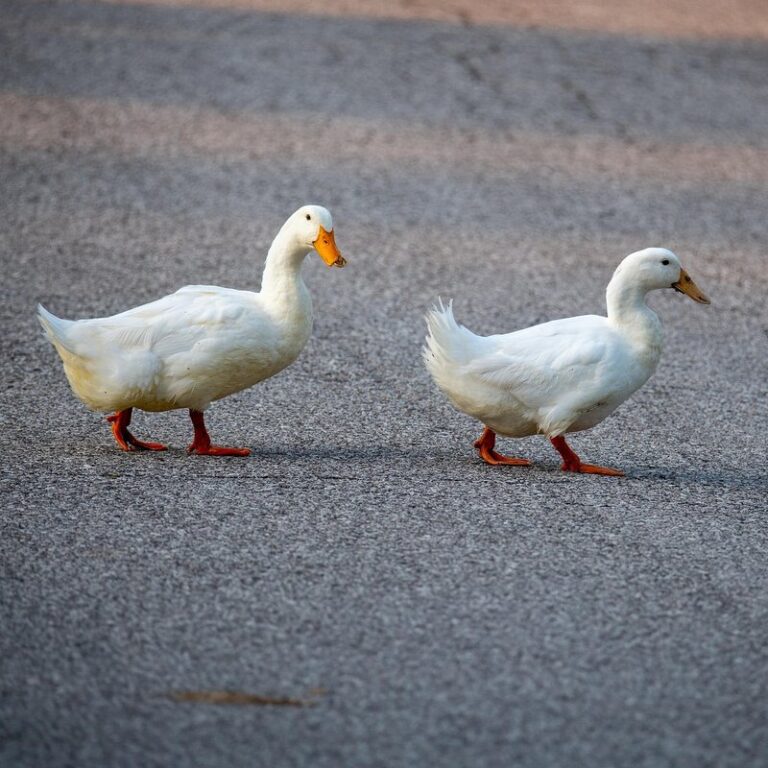
Pekin ducks are one of the most popular and widely kept breeds globally. Originating from China, they were first introduced to Europe in the 19th century. Their adaptability has played a significant role in their widespread adoption.
When it comes to temperament, Pekin ducks are known for being friendly and docile. They tend to be outgoing, especially if raised from ducklings. However, socialization is essential for them, just like any other breed, to ensure they become confident and calm adults. A well-socialized Pekin will often form close bonds with its owner.
In terms of adaptability, Pekin ducks can thrive in a variety of environments. They are relatively low-maintenance birds that don’t require extensive space or complex housing arrangements. However, it’s essential to provide them with adequate shelter and protection from predators. Their ability to tolerate temperature extremes makes them an excellent choice for farmers or backyard keepers living in areas with varying climates.
In general, Pekin ducks have a gentle nature, which makes them suitable even for young children to handle. They are also prolific egg layers, producing around 300 eggs per year.
Understanding Chicken Breed Selection
When it comes to selecting the perfect chicken breed for your backyard flock, there are several factors to consider. First and foremost, you’ll want to think about egg-laying ability. If you’re looking to collect eggs regularly, you’ll want a breed that’s prolific in this department. Some breeds, like Leghorns, can lay up to 300 eggs per year, while others may produce fewer.
Another consideration is noise level. If you live in a residential area or have close neighbors, you might prefer a breed that’s relatively quiet. Pekin ducks and hens are generally on the quieter side, but some breeds like Silkie chickens are known for their sweet, gentle clucking.
Temperament is also crucial when selecting a chicken breed. You’ll want to choose a breed that’s friendly and docile, making it easy to handle and interact with. Some breeds can be quite feisty or territorial, so it’s essential to research and understand the temperament of your chosen breed before bringing them home.
Housing and Enrichment for Ducks and Hens
When it comes to keeping your Pekin ducks and hens happy and healthy, providing a suitable environment is crucial. This section covers everything you need to know about housing and enrichment for your feathered friends.
Providing Adequate Shelter and Space
When it comes to providing adequate shelter and space for your Pekin ducks and hens, there are several key considerations to keep in mind. A suitable coop is essential for the health and well-being of your birds, as it protects them from predators, harsh weather conditions, and provides a safe place to rest.
Aim to provide at least 2-4 square feet of space per duck or hen inside the coop, depending on their breed and age. The coop should also be well-ventilated to prevent ammonia buildup from droppings. Consider installing windows, vents, or a screen door to ensure airflow and keep your birds healthy.
Think about the design of the coop as well – it should be sturdy, easy to clean, and protected from the elements. You can choose a pre-made coop or build one yourself using materials like wood or metal. Whatever you choose, make sure it’s predator-proof and secure. A happy and healthy flock is just around the corner with the right housing in place!
Creating a Diverse Environment for Your Flock
Creating a diverse environment for your flock is essential to keep Pekin ducks and hens happy, healthy, and stimulated. Provide them with varied perches where they can exercise their legs and get some sun on their backs. You can place these perches at different heights to cater to the tall Pekin ducks and the smaller hens.
Incorporate scratching posts made of natural materials like wood or bamboo into your flock’s environment. This will allow them to scratch and peck, which is essential for their mental health. Foraging opportunities are also vital; consider providing a dedicated area where you can scatter fruits, vegetables, and grains for them to search and find.
To encourage exploration and play, introduce some water features like ponds or pools with shallow areas for bathing and paddling. You can also set up tunnels and mazes using wooden structures or cardboard boxes. Rotate these enrichment activities regularly to prevent boredom and keep your flock engaged.
Nutrition and Feeding Strategies
Providing the right nutrition is crucial for your Pekin ducks and hens, so let’s dive into the best feeding strategies to keep them healthy and thriving.
Formulating a Balanced Diet for Your Flock
Creating a balanced diet for both ducks and hens requires careful consideration of their nutritional needs. Pekin ducks and hens have different requirements, so it’s essential to provide the right mix of nutrients to keep them healthy.
Protein is a crucial component of their diet, especially for growth and development. For example, ducks require around 16-18% protein in their feed, while hens need about 14-16%. Calcium is also vital for strong eggshell production in hens, with a recommended intake of around 2-3% calcium in the total ration.
You can achieve this balance by supplementing your flock’s feed with a mix of grains, vegetables, and fruits. For instance, you can add crushed oyster shells to provide extra calcium, while leafy greens like kale or spinach offer valuable vitamins and minerals.
When formulating a diet for your flock, consider the following tips:
* Ensure access to fresh water at all times
* Offer a variety of foods to minimize reliance on a single source
* Avoid overfeeding, which can lead to health problems
* Monitor your flock’s performance and adjust their diet accordingly
Waterfowl-Specific Feed Considerations
When it comes to feeding your pekin ducks, there are some specialized feed requirements you need to be aware of. These birds have unique nutritional needs that differ from those of chickens and other domestic fowl.
One key consideration is protein content: Pekin ducks require a diet rich in protein to support their growth and development. A minimum of 18% protein is recommended, but a higher quality feed with 20-22% protein will help promote healthy feathers, strong bones, and a robust immune system. Look for feeds specifically formulated for waterfowl or ducklings.
Another important factor is calcium content: ducks need adequate calcium to build strong eggshells and maintain bone health. A balanced feed that includes oyster shell or crushed eggshells can help ensure they get enough calcium. Avoid giving them too much calcium, however, as this can lead to kidney problems.
Inadequate nutrition can also contribute to common health issues such as scaly leg mites, bumblefoot, and respiratory infections. To prevent these problems, provide a varied diet that includes plenty of fresh fruits and vegetables. Limit access to high-starch foods like bread and pasta, which can cause digestive upset.
Health Considerations and Disease Prevention
When it comes to keeping Pekin ducks and hens, health considerations are crucial to prevent diseases that can quickly spread through your flock. This section will cover essential tips for maintaining a healthy environment and spotting potential issues early on.
Common Health Issues in Ducks and Hens
As you start your journey with raising Pekin ducks and hens, it’s essential to be aware of common health issues that can affect both. Respiratory problems are a frequent concern, particularly during the cold winter months when air quality is poor. Symptoms may include coughing, wheezing, or labored breathing. Ensure good ventilation in your coop, and provide a warm and dry environment for them.
Parasites like mites, lice, and fleas can also infest your flock, causing discomfort and stress. Regular cleaning of the coop, checking for signs of parasites, and using preventive measures such as dust baths or medicated powders can help prevent infestations.
Additionally, there’s a risk of diseases like avian influenza (AI) and Newcastle disease (ND), which can have devastating consequences if not identified early. Stay informed about local outbreaks and take precautions by maintaining good hygiene practices, quarantining new additions, and ensuring your birds receive regular vaccinations when necessary.
Implementing a Preventative Care Plan
Maintaining a healthy flock is crucial for ensuring the well-being and productivity of your Pekin ducks and hens. Implementing a preventative care plan is essential to preventing diseases and parasites from taking hold. Regular vaccinations should be administered as per the veterinarian’s advice, but it’s equally important to maintain good hygiene practices.
Start by regularly cleaning the coop and run, removing any droppings or debris that may attract pests. Disinfect all surfaces with a solution of 1 part white vinegar to 9 parts water. Ensure adequate ventilation in the coop to prevent ammonia buildup from droppings.
Parasite control measures should also be implemented through regular checks for mites, lice, and fleas. Use a gentle powder or spray specifically designed for poultry on affected areas. Additionally, maintain a balanced diet that includes supplements rich in calcium and vitamins, which will boost your birds’ immune system.
Regular monitoring of your flock’s health is key to early detection of any issues. Keep an eye out for changes in behavior, appetite, or droppings, and seek veterinary advice promptly if you notice anything unusual.
Egg Production and Breeding Strategies
When it comes to raising Pekin ducks and hens, understanding their egg production is crucial for a healthy and thriving flock. This section will delve into various breeding strategies to boost your birds’ productivity.
Understanding Duck and Hen Reproduction
When it comes to understanding duck and hen reproduction, it’s essential to grasp their unique reproductive cycles. Pekin ducks, being a popular breed, typically exhibit broodiness every 30-35 days during spring and fall. This is triggered by the decrease in daylight hours and can last anywhere from 18 to 24 days. During this period, they’ll focus on incubating eggs instead of laying new ones.
Hens, on the other hand, have a more unpredictable reproductive cycle. They can lay eggs daily or every other day but may experience periods of molting and reduced egg production. Factors like nutrition, light exposure, and stress levels significantly influence their reproductive cycles. For instance, providing adequate calcium-rich food and maintaining a consistent lighting schedule can encourage healthier egg-laying habits.
It’s also crucial to note that breeding seasons for Pekin ducks typically last from April to August, with peak reproduction occurring in May and June. If you’re planning to breed your flock, it’s vital to understand these patterns to ensure successful incubation and hatching of ducklings and chicks.
Successful Pairing and Flock Management
When it comes to successful pairing and flock management, a well-planned approach is crucial for achieving optimal egg production. Start by introducing compatible breeds together to ensure a harmonious flock dynamic. With Pekin ducks and hens, a general rule of thumb is to pair one duck with two to three hens.
Nesting box design is another essential aspect of effective population management. Ensure each nesting box has adequate space for the birds to comfortably lay their eggs, with dimensions around 12 inches wide and 18 inches deep. You can also consider adding perches or bars for the ducks to roost on, promoting easier egg collection.
To manage your flock’s reproduction effectively, keep an eye on the average age of laying (AAL) for each breed. For example, Pekin ducks typically reach AAL at around 16-18 weeks, while Leghorn hens may take up to 20-22 weeks. Monitor their reproductive cycles closely and cull birds that fail to produce eggs regularly.
Frequently Asked Questions
What if I already have a small backyard but it’s not ideal for housing Pekin ducks and hens?
Don’t worry, with some creative planning, you can still provide a suitable environment for your feathered friends! Consider consulting with local experts or online resources to learn about space-saving solutions for backyards. You can also consider a covered area or a coop with adequate ventilation to ensure the health and well-being of your pets.
How do I introduce new Pekin ducks and hens to my existing flock?
Introducing new birds to an established flock requires patience, attention to detail, and a gradual approach. Start by keeping the new birds separated for a few days before introducing them to the main group under close supervision. Monitor their behavior closely and ensure that there’s enough space and resources available to prevent conflicts.
What are some essential health checks I should perform regularly on my Pekin ducks and hens?
Regular health checks are crucial to maintaining the overall well-being of your pets. Make sure to check for signs of respiratory issues, such as labored breathing or discharge around their beaks. Also, inspect their feathers for any visible parasites or lice. Keep a close eye out for changes in appetite or behavior, which could indicate potential health problems.
Can I mix Pekin ducks and hens with other breeds of poultry?
While it’s technically possible to keep different breeds together, it’s essential to consider the compatibility of your birds before doing so. Some breeds may have specific requirements or characteristics that don’t mesh well with others. Research the temperament and needs of any new additions carefully to ensure a harmonious coexistence.
What are some tips for creating a diverse environment for my Pekin ducks and hens?
A diverse environment is essential for maintaining the mental and physical health of your birds. Provide a variety of toys, scratching posts, and perches to keep them stimulated and active. Consider adding plants or flowers around their enclosure to create visual interest and encourage exploration. You can also rotate their living area every few months to prevent boredom and ensure they stay engaged.