
Are you ready to join the flock of backyard chicken enthusiasts? Raising happy, healthy birds requires more than just providing food and water. If you’re looking for organic chicken keeping tips that go beyond basic care, you’ve come to the right place. With so many options available, choosing the right breed can be overwhelming – but it’s a crucial step in creating a thriving flock.
In this comprehensive guide, we’ll cover essential strategies for raising organic chickens, including nutrition and health management techniques that prioritize their well-being. From selecting breeds that fit your lifestyle to understanding how to provide balanced diets and prevent common health issues, we’ve got you covered. By the end of this article, you’ll be equipped with the knowledge needed to raise a happy and healthy flock – naturally and sustainably.
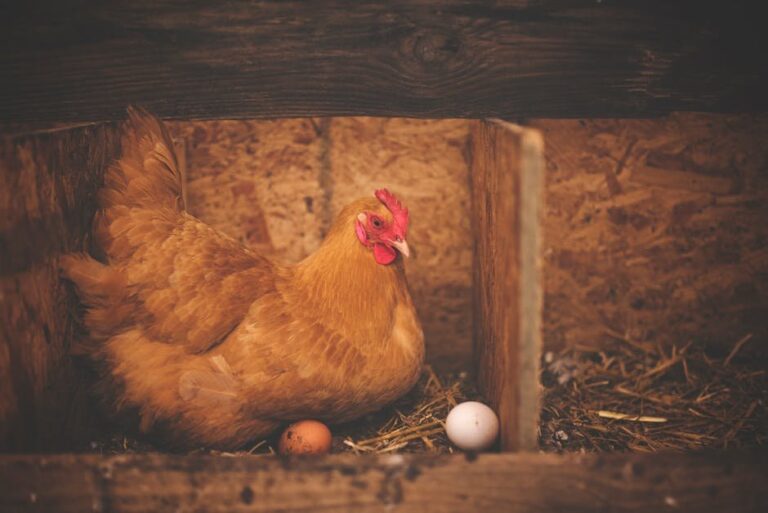
Choosing the Right Breed
When selecting a breed for your organic chicken flock, it’s essential to consider factors such as temperament, egg-laying ability, and climate adaptability. This will help you choose birds that thrive in your backyard environment.
Researching Temperament and Adaptability
When it comes to organic chicken keeping, selecting the right breed is crucial for their health and well-being. One of the most important factors to consider when choosing a breed is its temperament and adaptability to your specific climate, available space, and management style.
Researching breeds with hardiness traits that match your climate can help prevent heat stress or cold stress in your flock. For example, heat-tolerant breeds like Leghorns or Cornish are ideal for warm climates, while cold-hardy breeds such as Wyandottes or Orpingtons thrive in cooler temperatures. Consider the average temperature range and humidity levels in your area to ensure you choose a breed that can adapt.
In addition to climate considerations, think about the available space on your property. Some breeds, like Silkie or Polish, require more room for their unique feathering needs, while others like Leghorns are content with smaller spaces due to their active and energetic nature.
Considering Egg-Laying Capacity
When it comes to choosing an organic chicken breed for egg production, one crucial factor to consider is their egg-laying capacity. Different breeds have varying levels of productivity, and some excel at producing large eggs, while others prioritize frequency over size.
You’ll want to think about what matters most to you: do you need a steady supply of eggs or larger ones? Consider popular breeds like Leghorns, which are known for their high egg-laying capacity (up to 280-300 large white eggs per year) but may not produce as many extra-large eggs. On the other hand, breeds like Orpingtons and Wyandottes prioritize egg size over quantity, producing more medium to large eggs.
Some factors to consider when evaluating a breed’s egg-laying capacity include:
• Egg size: Look for breeds that can produce the size of egg you need.
• Egg color: Consider whether you prefer white, brown, or blue-green eggs.
• Frequency: Think about how often you want eggs in your collection. Will weekly deliveries suffice, or do you need a daily supply?
In addition to these factors, research local climate and nutrition requirements for optimal egg production. This will ensure that your chosen breed thrives and meets your needs for both eggs and healthy birds.
Providing Optimal Nutrition
When it comes to raising healthy birds, providing optimal nutrition is crucial for their well-being. This section will cover the essential dietary needs of your organic flock and tips for meeting them.
Understanding the Importance of Balanced Diets
When it comes to raising healthy birds, providing a balanced diet is crucial for their overall well-being. A good starting point is ensuring your chickens have access to a variety of protein sources, such as mealworms, crickets, and commercial pellets specifically formulated for organic chicken keeping. However, relying solely on these options can lead to nutrient deficiencies.
To avoid this, supplement their diet with calcium-rich foods like crushed eggshells or dark leafy greens like kale and spinach. These will help maintain strong bones and prevent conditions like softening of the beak, which is a common issue in laying hens. Fresh fruits and vegetables also play an essential role in your chickens’ digestive health.
When introducing new foods, start with small amounts to avoid digestive upset and gradually increase the quantity over time. Some examples of healthy additions include chopped apples, carrots, and sweet potatoes.
Creating a Nutritious Feed Blend
When it comes to creating a nutritious feed blend for your organic chickens, selecting the right ingredients is crucial. You can start by using commercial pellets as the base of their diet, but don’t rely solely on them. Adding grains like oats, barley, and wheat can provide essential fiber, vitamins, and minerals.
Consider rotating through different types of grains every few weeks to ensure a varied diet. For example, you could offer brown rice for two weeks, followed by oats or barley. This will not only prevent boredom but also help maintain nutrient balance.
Supplements like crushed oyster shells, alfalfa meal, or kelp meal can provide extra calcium, protein, and other essential micronutrients. However, use them sparingly to avoid over-supplementation, which can lead to imbalances in your flock’s health. Aim for a balanced feed blend that includes around 20-30% of the total ingredients as supplements.
Aim to create a mix that’s around 70% commercial pellets and 30% grains or supplements. This will provide your birds with all the necessary nutrients while allowing you to customize their diet based on your specific flock’s needs.
Maintaining Clean and Safe Living Conditions
To ensure a healthy environment for your chickens, it’s crucial to maintain clean and safe living conditions by regularly cleaning coops and runs. This includes removing waste and debris.
Building or Designing Coop and Run Spaces
When building or designing a coop and run for your organic chickens, it’s essential to prioritize their safety and well-being. A safe and secure space will not only protect them from predators but also ensure they stay healthy and thrive.
Firstly, consider the size of the coop and run. The general rule is to provide at least 4 square feet per chicken inside the coop and 8-10 square feet outside in the run. This will give them enough space to move around comfortably and engage in natural behaviors like scratching and foraging.
Ventilation is another critical aspect to consider when designing your coop. Ensure good airflow by installing windows, vents, or a screened door that allows for cross ventilation. Proper ventilation will help regulate temperature, prevent ammonia buildup from droppings, and reduce the risk of respiratory problems.
In terms of lighting, natural light is ideal, but if you’re building a coop in an area with limited sunlight, consider using LED lights to supplement the natural light. Avoid placing lights directly above the roosting bars as this can cause discomfort for your chickens.
Temperature control is also crucial. Chickens prefer a temperature range between 40°F and 80°F (4°C and 27°C). Ensure proper insulation, especially in colder climates, to maintain a stable temperature inside the coop. Additionally, consider using a heat source like a brooder or a radiant heater on extremely cold days.
When it comes to predator-proofing your coop and run, think like an animal. Consider what potential predators might use to gain access – such as holes, gaps, or weak points in fencing. Use hardware cloth or chicken wire with openings of 1 inch (2.5 cm) or smaller to prevent raccoons, foxes, or other small predators from reaching your chickens.
When planning your coop and run design, remember that it’s better to err on the side of caution. Consider adding a roof overhang or an enclosed run to protect your flock from extreme weather conditions like heavy rain or strong winds.
As you build or design your coop and run, prioritize your chickens’ needs above all else. By creating a safe, secure, and predator-proof space that meets their needs for ventilation, lighting, temperature control, and protection from predators, you’ll set them up for success in maintaining optimal health and well-being.
Ensuring Regular Cleaning and Disinfection
Regular cleaning and disinfection are crucial aspects of maintaining clean and safe living conditions for your organic chickens. Disease and parasites can spread quickly through dirty environments, leading to the illness and even death of your birds. To prevent this, it’s essential to establish a routine cleaning schedule.
Clean the chicken coop at least once a week, removing soiled bedding, droppings, and uneaten food. Disinfect all surfaces with a solution of 1 part white vinegar to 9 parts water or an organic disinfectant specifically labeled for use around animals. Wear gloves and a mask when cleaning to avoid exposure to bacteria and dust.
For more frequent cleaning, change the bedding every few days in high-traffic areas like nesting boxes and feeding troughs. Disinfect these areas daily using the same solution as above. Also, make sure to clean any water containers regularly to prevent bacterial growth.
Managing Health and Hygiene
When it comes to raising organic chickens, maintaining their health and hygiene is crucial. This means keeping them clean, providing a balanced diet, and watching for signs of illness or disease in your flock.
Recognizing Common Health Issues
When it comes to raising backyard chickens, one of the most important aspects is monitoring their health. Unfortunately, many common health issues can affect these feathered friends. One of the most prevalent problems you’ll encounter is mites and lice infestations. These external parasites feed on your chicken’s blood, causing discomfort, stress, and even disease transmission. Look out for symptoms like excessive scratching, loss of appetite, and weight loss.
Another common issue is respiratory problems. Bacteria, viruses, and fungi can cause respiratory infections, leading to coughing, sneezing, and difficulty breathing. You’ll also want to keep an eye out for changes in your chicken’s droppings or the presence of blood-tinged mucus. If you suspect an infestation or infection, isolate the bird immediately and consult with a veterinarian.
To take corrective action, start by thoroughly cleaning and disinfecting the coop and any surrounding areas. Use natural remedies like diatomaceous earth to control mites and lice, and consider using essential oils like tea tree oil to repel pests. Regular monitoring, proper ventilation, and maintaining a clean environment will go a long way in preventing these health issues from arising in the first place.
Implementing Integrated Pest Management (IPM) Strategies
Implementing Integrated Pest Management (IPM) Strategies is crucial for maintaining a healthy flock. When left unchecked, pests like mites, lice, and external parasites can cause significant stress to your birds, leading to reduced egg production, poor feather condition, and even death.
To control pest populations, consider using natural remedies such as diatomaceous earth, neem oil, or citrus sprays. For example, you can dust your coop with diatomaceous earth to repel mites and lice without harming the birds. Another option is to use a mixture of equal parts water and apple cider vinegar in a spray bottle to control mite populations.
Integrated methods involve combining multiple approaches for optimal results. This may include introducing beneficial insects like ladybugs or lacewings, which feed on pests and help maintain a balanced ecosystem. You can also rotate chicken breeds with different natural defense mechanisms, such as those with a hardier immune system, to improve overall health resilience.
Regular monitoring of your flock’s health, along with thorough cleaning and maintenance of the coop, are key components of an effective IPM strategy.
Handling Chicks and Young Pullets
When it comes time to introduce new additions to your flock, handling chicks and young pullets requires a gentle touch and some essential knowledge to ensure their safe transition. Let’s dive into the basics of caring for these vulnerable birds.
Caring for Newborn Chicks
Newborn chicks have unique needs that require attention from day one. When you bring home your new chicks, make sure they have a heat source such as a brooder or a heat lamp to maintain a temperature of around 90-100°F (32-38°C). This is crucial for their survival and development. You’ll also want to ensure their enclosure has adequate ventilation to prevent ammonia buildup.
For the first few weeks, chicks will need to be fed starter feed that’s high in protein, usually around 18-20%. This will support their rapid growth and development. Water should be provided at all times, but make sure it’s fresh and clean to avoid bacterial contamination. Monitor your chicks’ behavior closely for signs of illness or distress such as labored breathing, lethargy, or loss of appetite.
Some common issues that may arise in the first few weeks include pasty butt (a sticky mess caused by wet droppings), respiratory problems due to draft or cold temperatures, and coccidiosis (intestinal infection). Keep an eye out for these symptoms and take corrective action immediately.
Gradually Introducing Young Pullets to the Flock
When introducing young pullets to an existing flock, it’s essential to do so gradually to prevent stress and aggression. A sudden introduction can lead to dominance battles, pecking orders, and even injuries. To integrate new birds safely and humanely, start by keeping them separate from the main flock for a few days or weeks, depending on their age and size.
This allows both groups to become familiar with each other’s scents and sounds without the risk of physical confrontation. Once you’ve introduced the young pullets, supervise interactions closely, especially during feeding times. You can also try introducing them at night when the main flock is more relaxed.
Remember, a gradual introduction is not just about preventing aggression; it’s also crucial for establishing a harmonious and balanced social hierarchy within your flock. With patience and careful planning, you can ensure a smooth transition and reduce stress levels for both your new and existing birds. Monitor their behavior closely and be prepared to intervene if necessary.
Integrating with Your Family
As you start raising your organic chickens, it’s essential to integrate them into your family’s daily life and routine for a harmonious coexistence. This includes setting clear boundaries and expectations for both humans and birds.
Encouraging Children’s Involvement
Involving children in organic chicken keeping can be a great way to teach them about responsibility, sustainability, and where their food comes from. To encourage their participation, start by explaining the importance of caring for the chickens and the benefits of organic chicken keeping. Assign simple tasks like feeding, such as pouring fresh water or distributing feed, which can be done daily.
Collecting eggs together is another fun activity that promotes bonding and teaches children about the egg-laying process. Explain how to handle eggs gently, wash them clean, and store them properly in a designated area. You can also involve your kids in monitoring the chickens’ health by checking for signs of illness or stress, such as unusual droppings or lethargy.
Make it a family affair by setting aside time each week to inspect the coop and run together. This not only encourages teamwork but also helps children develop essential skills like observation and problem-solving. By involving your kids in chicken keeping activities, you’ll create lasting memories and help them grow into environmentally conscious adults.
Understanding Local Regulations and Neighbors’ Rights
Before you start building your coop and collecting eggs, it’s essential to familiarize yourself with local regulations regarding backyard chickens. Each city or town has its own set of rules and ordinances governing the number of chickens allowed per household, noise restrictions, and zoning laws. Failure to comply can result in fines, penalties, or even having to rehome your beloved flock.
To avoid any issues, start by researching online or contacting your local government office to inquire about backyard chicken regulations in your area. You can also check with neighboring property owners to see if they have any concerns or suggestions. Once you’ve got the green light from authorities and neighbors, it’s time to introduce yourself and your flock to the community.
Consider hosting a “meet the chickens” event or dropping off some freshly laid eggs on your neighbors’ doorsteps to break the ice and build relationships. By being considerate of those around you and communicating openly, you’ll be able to enjoy a harmonious backyard chicken-keeping experience.
Frequently Asked Questions
Can I start raising organic chickens if I have a small backyard or limited space?
Yes, you can raise happy and healthy organic chickens even with limited space. Consider breeds that are compact or dwarf-sized, such as Silkies or Polish hens. Also, think about vertical space by incorporating nesting boxes, roosts, and perches in your coop design.
How do I determine the ideal flock size for my backyard?
The ideal flock size depends on several factors, including available space, feed budget, and time commitment. As a general rule of thumb, plan for at least 2-4 square feet of outdoor space per bird. Also, consider the social needs of chickens: a larger flock can be beneficial for their mental health.
What if I notice some of my organic chickens showing signs of stress or anxiety?
Identifying and addressing stress or anxiety in your flock is crucial for maintaining their overall well-being. Common signs include feather pecking, excessive vocalization, or changes in appetite. Consult with a veterinarian to determine the underlying cause and implement strategies such as enriching environments, providing adequate shelter, and adjusting management practices.
How often should I collect eggs from my organic chicken flock?
Collect eggs daily, ideally early morning when they’re at their freshest. Regular egg collection will also help prevent eggs from getting crushed or broken within the coop. Make sure to handle eggs gently to maintain cleanliness and avoid bacterial contamination.
Can I integrate new chickens into an existing flock if some birds are already laying eggs?
Introducing new birds to a mature flock can be challenging, especially when there’s already established social hierarchies. To minimize stress, quarantine new birds for at least 30 days before integrating them with your existing flock. Also, consider gradually introducing the newcomers under close supervision to avoid conflicts and ensure smooth integration.