
If you’re thinking of starting your own backyard flock, or perhaps looking to add some new feathered friends to the mix, you might want to consider Plymouth Rock pullets. These charming birds have been a favorite among chicken keepers for generations, and it’s easy to see why. Not only are they known for their friendly, docile nature, but they’re also incredibly hardy and adaptable. With the right care and attention, your Plymouth Rock pullets can thrive in a variety of settings, from small backyards to larger farms. In this article, we’ll take a closer look at what makes these birds so special, covering everything from their unique characteristics to nutrition and breeding. Whether you’re a seasoned expert or just starting out, our guide will give you the knowledge and confidence to raise thriving Plymouth Rock pullets.
Characteristics and Origins of Plymouth Rock Pullets
Plymouth Rock pullets are a popular choice for backyard flocks, and understanding their characteristics and origins can help you raise healthy birds. Let’s explore what makes them tick!
History and Development of the Breed
The Plymouth Rock breed has its roots in the United States, dating back to the 1800s. The original intention was to create a dual-purpose bird that excelled at both egg-laying and meat production. To achieve this goal, farmers crossed various breeds, including the Cochin, Brahma, and Dorking, with a focus on producing a hardy and robust bird.
As a result of these crossbreeding efforts, the Plymouth Rock breed emerged as a staple in American poultry farming. The breed was particularly popular among small-scale farmers due to its ease of management and adaptability to different environments. By the early 20th century, the Plymouth Rock had become one of the most sought-after breeds in the United States.
Today, the Plymouth Rock remains a beloved breed among backyard chicken enthusiasts and commercial poultry farms alike. Its reputation for being friendly, docile, and hardy has made it an ideal choice for families and small-scale farmers seeking to raise healthy and productive pullets.
Physical Characteristics and Traits
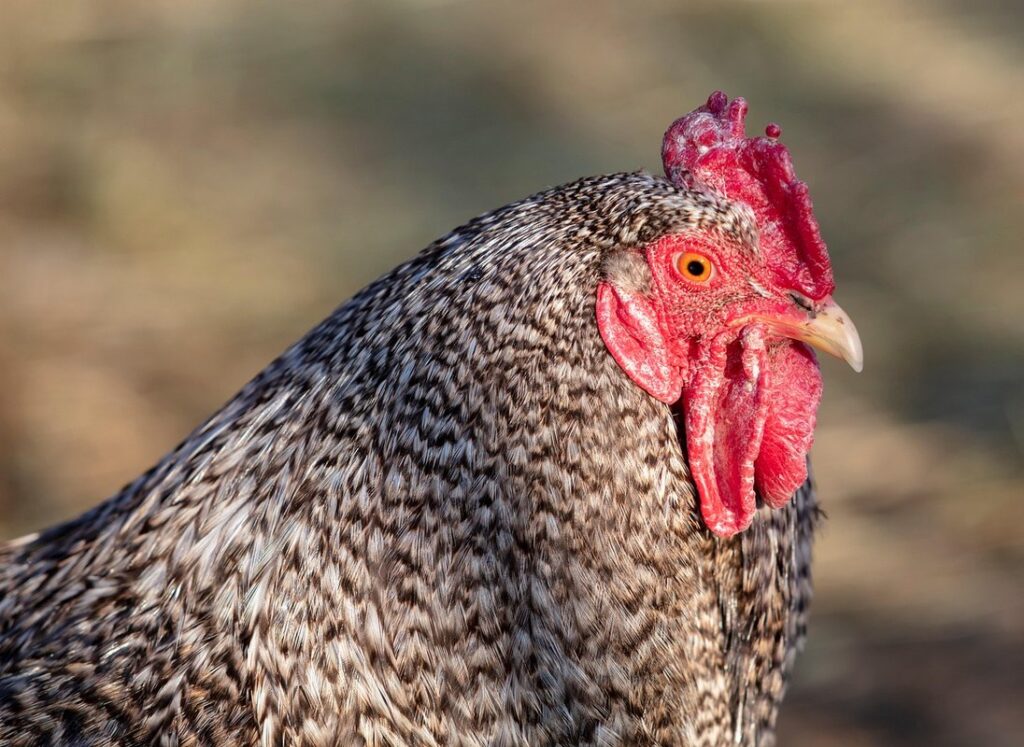
Plymouth Rock pullets are known for their distinctive physical characteristics and traits that make them an attractive choice for backyard chicken keepers. One of the most notable features is their medium to large size, with hens typically weighing between 6-8 pounds and roosters reaching up to 10 pounds. Their sturdy build and robust frame allow them to thrive in a variety of environments.
Their plumage is another defining feature of Plymouth Rock pullets. They have a double layer of feathers that provides excellent insulation against cold weather, making them well-suited for cooler climates. Their feathers are also known for their softness and durability, requiring minimal maintenance from owners. In terms of egg-laying ability, Plymouth Rock hens are prolific producers, laying an average of 200-220 brown eggs per year.
When selecting a Plymouth Rock pullet, look for birds with bright, inquisitive eyes and a lively demeanor. Their calm temperament makes them an excellent choice for families or beginners who want to raise chickens but may not have extensive experience. By understanding these physical characteristics and traits, you’ll be better equipped to provide the best possible care for your Plymouth Rock pullets and enjoy their many benefits.
Choosing the Right Plymouth Rock Pullets for Your Flock
When selecting Plymouth Rock pullets, it’s essential to consider factors such as egg-laying performance, temperament, and growth rate to ensure a healthy and thriving flock. This section will walk you through these key considerations.
Factors to Consider When Selecting a Breeder or Supplier
When selecting a breeder or supplier of Plymouth Rock pullets, it’s essential to consider several key factors to ensure you’re getting healthy, well-tempered birds with diverse genetics. First and foremost, look for breeders who prioritize health by implementing strict biosecurity measures, regularly testing their flocks for diseases, and vaccinating their birds as needed.
A reputable breeder will also provide detailed information about the temperament of their Plymouth Rock pullets, including their behavior and socialization. This is crucial because a calm and friendly flock will make caring for them much easier and more enjoyable. Consider asking breeders about their selection process for breeding stock, as well as any genetic diversity programs they may have in place to prevent inbreeding.
Additionally, consider visiting the breeder’s farm or facility to see firsthand how they raise and care for their birds. A reputable supplier will be transparent about their operations and happy to answer your questions. By doing your research and choosing a responsible breeder or supplier, you can set your flock up for success from day one.
Understanding the Importance of Genetic Diversity in Chicken Breeding
When it comes to raising healthy and thriving Plymouth Rock pullets, understanding the importance of genetic diversity in chicken breeding cannot be overstated. Genetic diversity refers to the variability within a population’s gene pool, which is crucial for maintaining the health and productivity of your flock.
Think of it this way: just as humans come in different shapes, sizes, and abilities, chickens also have unique characteristics that can affect their overall well-being. By breeding chickens with diverse genetic backgrounds, you’re essentially creating a robust and resilient flock that’s better equipped to fight off diseases and adapt to changing environments.
In fact, studies have shown that genetically uniform flocks are more susceptible to disease outbreaks and reduced fertility rates. On the other hand, flocks with high genetic diversity tend to exhibit improved immune function, increased egg production, and enhanced overall health. To ensure your Plymouth Rock pullets benefit from this natural advantage, look for breeders who prioritize genetic diversity in their breeding programs. By doing so, you’ll be giving your flock a solid foundation for long-term success.
Caring for Your Plymouth Rock Pullets: Nutrition and Health
When it comes to raising healthy Plymouth Rock pullets, providing them with the right nutrition is crucial to their overall well-being. In this section, we’ll cover the essential dietary needs and health considerations for your flock.
Providing a Balanced Diet for Your Flock
Plymouth Rock pullets have specific nutritional needs that must be met to ensure their optimal health and growth. A balanced diet is crucial for these birds, and it’s essential to understand the importance of protein, calcium, and other essential nutrients.
As a general rule, Plymouth Rock pullets require about 16-18% protein in their diet. This can come from high-quality layer feed or by supplementing with foods rich in protein such as mealworms or sunflower seeds. It’s also vital to ensure they receive adequate calcium through crushed oyster shells or dark leafy greens like kale and spinach.
In addition to these essentials, Plymouth Rock pullets need access to vitamins A, D, E, K, and B complex, as well as minerals like phosphorus and potassium. Providing a balanced feed that meets their nutritional needs will help prevent issues like feather pecking, stress-related behaviors, and weakened immunity.
To ensure your flock is receiving the nutrients they require, consider creating a nutrient-rich feeding schedule that incorporates a variety of foods including fruits, vegetables, and grains.
Common Health Issues in Plymouth Rock Pullets and How to Prevent Them
Plymouth Rock pullets are generally hardy and robust birds, but like all poultry breeds, they can be susceptible to certain health issues. Respiratory problems, such as coughing and sneezing, can be caused by viral or bacterial infections, poor ventilation, or even dust from their bedding. To prevent respiratory issues, ensure good airflow in your coop and use a dust-reducing litter like pine shavings.
Parasites, including mites, lice, and internal worms, can also affect your Plymouth Rock pullets. Regular cleaning and disinfection of the coop and run can help reduce the risk of infestation. You should also regularly inspect your birds for signs of parasites, such as excessive scratching or molting. Use a safe and effective dewormer to control internal parasite populations.
Common diseases affecting poultry include avian influenza, Newcastle disease, and Marek’s disease. Vaccinations can protect against these diseases, but it’s essential to follow proper vaccination protocols and consult with a veterinarian if you’re unsure about the best course of action for your flock.
Managing Your Plymouth Rock Flock: Housing and Environment
Providing a safe and healthy environment for your Plymouth Rock pullets is crucial to their development, which is why proper housing and management are essential. Let’s dive into how to create the perfect flock environment.
Designing a Suitable Coop and Run for Your Flock
When designing a coop and run for your Plymouth Rock flock, it’s essential to consider their specific needs. These birds are active and require adequate space to move around, so a minimum of 4-5 square feet per bird inside the coop and 8-10 square feet in the run is recommended.
Proper ventilation is also crucial to prevent ammonia buildup from their droppings and maintain good air quality. Ensure that your coop has at least one window or vent on each side for cross-ventilation, and consider installing a fan to circulate air during hot summer months.
Predator protection is another vital consideration. Plymouth Rock pullets are gentle birds but can be vulnerable to predators like raccoons, foxes, and hawks. Use sturdy hardware cloth or chicken wire that’s at least 3 feet high to cover the run, and bury it underground to prevent burrowing. Also, consider adding a roof or canopy to protect your flock from aerial threats.
Remember, a well-designed coop and run can make all the difference in maintaining a healthy and happy Plymouth Rock flock.
Understanding the Importance of Free-Range Access for Your Chickens
Providing free-range access for your Plymouth Rock pullets is essential for their physical and mental well-being. Chickens are natural foragers and require space to roam and exercise. Without free-range access, they can become bored, stressed, and even aggressive. On the other hand, a securely fenced area where chickens can freely range allows them to engage in instinctual behaviors like pecking, scratching, and flying.
To provide safe and humane free-range access for your flock, start by creating a fenced enclosure that is at least 2-3 times the size of your coop. The fencing should be sturdy and secure to prevent escape or predator entry. Make sure the area has adequate shade, shelter from wind, and easy access to clean water and food.
Allowing your chickens to forage outside can also help control pests like ticks and slugs, which can harm plants in your garden. However, always supervise your flock during free-range time to ensure their safety. Keep an eye out for signs of heat stress, predation, or other potential risks.
Raising Healthy Chicks: Tips and Best Practices
Now that you have your baby Plymouth Rock pullets settled into their new home, it’s time to focus on helping them grow strong and healthy. Here we’ll cover essential tips for raising happy and thriving chicks.
Ensuring Healthy Start with Poultry Vaccinations and Health Checks
When it comes to raising healthy Plymouth Rock pullets, one crucial aspect of their care is ensuring they receive the necessary vaccinations and health checks from an early age. This not only protects them against potential diseases but also helps prevent costly veterinary bills down the line.
As a responsible poultry keeper, you should schedule your chicks’ first vaccination at around 4-6 weeks old. The most common vaccines administered to young pullets include those for Marek’s disease, Newcastle disease, and Infectious Bronchitis. These vaccinations are usually delivered through an injection or oral administration, depending on the type of vaccine.
To ensure you’re doing it correctly, follow these steps: gently lift your chick under its wings, then hold it firmly in place with one hand while administering the vaccine with the other. It’s essential to handle the vaccine according to the manufacturer’s instructions and take note of any side effects that may occur after administration.
In addition to vaccinations, regular health checks are vital for monitoring your chicks’ overall well-being. Schedule a vet visit at least once every 2-3 months to check for signs of disease or parasites. Keep an eye out for symptoms such as lethargy, loss of appetite, and changes in droppings or egg production.
Common Challenges in Raising Chickens and How to Overcome Them
Raising chickens can be a delightful experience, but it’s not without its challenges. As you begin your journey with Plymouth Rock pullets, you may encounter issues that test your patience and expertise. Let’s face it – brooder maintenance, feed management, and chick behavior are just some of the common obstacles you’ll need to navigate.
Brooder maintenance is a crucial aspect of raising healthy chicks. Ensure their environment remains clean by removing soiled bedding daily and disinfecting all surfaces regularly. A temperature-controlled space is also vital; maintain a range between 90-100°F (32-38°C) for the first week, gradually reducing it by 5°F (3°C) each subsequent week.
Feed management can be overwhelming, especially if you’re new to chicken keeping. Overfeeding can lead to obesity and related health issues, while underfeeding may result in stunted growth. Monitor feed consumption closely, aiming to provide about 1/4 pound of starter feed per chick daily for the first four weeks.
Chick behavior can also pose a challenge. Be prepared for frequent pecking and aggression among chicks as they establish dominance hierarchies. To minimize conflicts, introduce multiple groups of chicks to each other gradually, allowing them to become familiar with one another’s presence before integrating them into a single flock.
Breeding Your Own Plymouth Rock Pullets: A Guide
If you’re interested in breeding your own healthy and robust Plymouth Rock pullets, learning how to breed them is a crucial step in successful poultry farming. This section will guide you through that process.
Understanding the Basics of Chicken Breeding and Selection
When it comes to breeding and selecting the perfect Plymouth Rock pullets, understanding the basics of chicken genetics is essential. Genetic principles dictate that traits are inherited from parents to offspring through genes. In simple terms, if you want to breed for a specific characteristic, such as egg-laying capacity or feather quality, you need to select parents with those traits.
Pedigree analysis is a crucial step in identifying the genetic potential of your birds. By studying the ancestry of your flock, you can determine which breeds and bloodlines are represented, and make informed decisions about breeding for specific traits. For example, if you want to breed for egg-laying capacity, look for parents with proven records of high egg production.
When selecting individual birds for breeding, consider their conformation, temperament, and overall health. Look for birds that exhibit the desired traits, such as strong legs, well-feathered bodies, and calm temperaments. Remember, a good breeder always chooses birds with balanced genetics, rather than ones that excel in just one area.
In terms of trait selection, focus on characteristics that are essential for raising healthy Plymouth Rock pullets. This includes selecting for robust immune systems, high egg-laying capacity, and good foraging abilities. By doing so, you’ll increase the chances of producing strong, resilient birds that thrive in your backyard flock.
Tips for Successful Breeding Programs and Flock Management
A successful breeding program for raising healthy Plymouth Rock pullets requires careful planning and management. One crucial aspect is record-keeping. Keep accurate records of individual bird IDs, parentage, genetic traits, fertility, and performance. This will help you identify trends, optimize breeding decisions, and make informed selections.
For example, tracking fertility rates can indicate potential issues with your breeding stock or environmental factors affecting reproduction. Regularly monitoring these metrics allows you to adjust strategies and improve overall fertility.
Hatchery design is also essential for maintaining a healthy flock. Ensure adequate ventilation, lighting, and sanitation to minimize disease transmission and stress. This includes regular cleaning of equipment, nesting boxes, and the general coop environment.
Additionally, implement a robust fertility management program by monitoring and adjusting factors such as temperature, humidity, and nutrition. These elements play significant roles in determining reproductive success. By following these tips, you’ll set your breeding program up for long-term success and healthier Plymouth Rock pullets.
Conclusion: Raising Healthy Plymouth Rock Pullets for a Thriving Flock
Now that you’ve successfully raised healthy Plymouth Rock pullets, let’s discuss how to ensure they thrive in your flock and provide years of egg-laying joy.
Recap of Key Takeaways from the Article
Raising healthy Plymouth Rock pullets requires careful attention to their care, nutrition, and health management. To recap, it’s essential to provide them with a balanced diet that includes high-quality layer feed, fresh fruits, and vegetables. This will help ensure they receive the necessary nutrients for optimal growth and egg production.
Proper care also involves maintaining a clean living environment, providing adequate space, and ensuring access to fresh water at all times. Health management is crucial as well; regular vaccinations, monitoring of health indicators, and prompt treatment of any illnesses can make a significant difference in their overall health.
As we’ve discussed throughout this article, understanding the unique needs and characteristics of Plymouth Rock pullets is vital for raising a thriving flock. By following these guidelines and staying vigilant, you’ll be well on your way to producing healthy, happy birds that will reward you with years of egg-laying excellence.
Final Thoughts on Building a Strong and Resilient Flock
As you’ve made it through this comprehensive guide on raising healthy Plymouth Rock pullets, it’s essential to remember that building a strong and resilient flock requires careful consideration at every stage. Selection plays a crucial role in determining the overall health and well-being of your birds. Choose breeding stock with traits such as robust feathering, clean legs, and firm combs, indicating optimal health.
Proper management is equally vital for maintaining the flock’s resilience. This includes providing adequate shelter from predators, disease prevention through vaccination and sanitation practices, and a balanced diet tailored to the specific needs of your Plymouth Rock pullets. It’s also essential to rotate pasture areas regularly to prevent overgrazing and maintain soil quality.
To further boost the flock’s immunity, incorporate herbs like garlic, oregano, or sage into their feed or provide them as treats. These natural remedies have been shown to possess antimicrobial properties that can help combat diseases.
Frequently Asked Questions
Can I start raising Plymouth Rock pullets with no prior experience?
You don’t need to be a seasoned expert to raise healthy and happy Plymouth Rock pullets. With proper research, guidance, and attention to detail, you can successfully raise these birds even if you’re new to backyard chicken keeping. Start by reading our guide on choosing the right Plymouth Rock pullets for your flock, understanding their unique characteristics, and providing a suitable environment.
How do I ensure genetic diversity in my flock?
Genetic diversity is crucial for maintaining a healthy and resilient flock. To achieve this, consider introducing new bloodlines to your flock periodically or using breeding programs that prioritize diversity. Our article on understanding the importance of genetic diversity in chicken breeding provides more information on this topic.
Can Plymouth Rock pullets thrive in small backyards?
Yes, Plymouth Rock pullets are highly adaptable and can do well in small backyards, as long as they receive proper care and attention. Ensure your coop is suitable for their needs, providing enough space for perching, nesting, and exercise.
How often should I collect eggs from my Plymouth Rock pullets?
You’ll need to collect eggs daily or at least every other day to encourage continued production and maintain a clean environment. Make sure to handle the eggs gently to avoid breakage and consider using egg cartons or collection boxes for easy gathering.
What are some common health issues in Plymouth Rock pullets, and how can I prevent them?
Plymouth Rock pullets are generally hardy birds, but they may be susceptible to certain health issues, such as respiratory problems, parasites, and diseases like Marek’s. To prevent these, ensure you’re providing a balanced diet, maintaining good coop hygiene, and keeping your flock up-to-date on vaccinations and health checks.