
Are you thinking of adding some feisty flair to your backyard flock? Or perhaps you’re a commercial producer looking for a reliable breed that can meet high demand? Either way, let’s take a closer look at the Plymouth Rock chicken breed, known for its impressive range of traits. Originating in the early 20th century, this popular breed has become a favorite among many farmers and enthusiasts alike due to its unique combination of physical characteristics, temperament, and egg-laying abilities.
In this article, we’ll delve into what makes the Plymouth Rock so special, covering everything from its origins and physical traits to its temperament, egg-laying abilities, health considerations, and breeding requirements. Whether you’re a seasoned farmer or just starting out, understanding these key aspects will help you make informed decisions when it comes to incorporating this breed into your operation.
Origin and History
The Plymouth Rock chicken breed has a rich history that dates back to the 19th century, originating from a cross between Cochins and Dominiques. Let’s explore its fascinating origins.
Early Development and Purpose
The development of Plymouth Rock chickens began in the late 19th century in the United States with a specific goal in mind: to create a hardy and prolific egg-layer. Breeders were looking for a chicken that could thrive in the harsh New England climate, producing a steady supply of eggs while withstanding the region’s cold winters.
To achieve this, breeders crossed various local breeds such as Dominiques, Cochin-China, and Old English Game Fowl. The result was a sturdy bird capable of laying an impressive number of eggs per year. By selectively breeding for desirable traits like egg-laying ability and hardiness, breeders created the foundation for the modern Plymouth Rock chicken.
One of the key features that sets Plymouth Rocks apart is their high egg production. On average, a mature Plymouth Rock hen will lay around 200-220 brown eggs per year, making them an excellent choice for backyard farmers or small-scale egg producers. Their rugged constitution and ability to adapt to various living conditions have also made them a popular breed among hobbyists and commercial growers alike.
Key Figures in the Breed’s Development
One of the most significant factors contributing to the development and success of the Plymouth Rock chicken breed is the work of several key individuals. At the forefront of this effort was William Tripp, a Massachusetts farmer who is often credited with creating the original Plymouth Rock rooster in 1844. Tripp aimed to create a dual-purpose bird that excelled both as an egg layer and a meat producer.
Another notable figure involved in the breed’s development was Oliver H. P. Garceau, who played a crucial role in establishing the American Livestock Breeds Conservancy (ALBC) in 1979. The ALBC recognized the Plymouth Rock chicken for its exceptional characteristics and worked to preserve and promote the breed.
As you consider adding Plymouth Rock chickens to your flock, take note of their unique traits and the individuals who helped shape them. By understanding the history behind this beloved breed, you can better appreciate their strengths and weaknesses and make informed decisions about their place in your backyard or farm. This knowledge will also enable you to recognize the breed’s characteristics, such as its friendly demeanor and high egg production, which have made it a favorite among chicken enthusiasts for generations.
Physical Characteristics
Let’s take a closer look at what makes the Plymouth Rock chicken breed so unique, starting with their physical characteristics that set them apart from other breeds.
Size and Weight
Adult Plymouth Rock chickens typically weigh between 7 and 9 pounds for hens and 10 to 12 pounds for roosters. Males tend to be slightly larger than females, but both sexes share a similar bone structure that contributes to their overall sturdy build.
When it comes to height, Plymouth Rocks are medium-sized birds with a relatively broad chest and well-sprung ribs. Their compact size makes them an ideal choice for backyard chicken keepers who have limited space.
The breed’s physical attributes make them highly versatile and adaptable to different environments. Their hardiness, combined with their moderate growth rate, ensures they remain healthy even in harsh weather conditions. This is particularly useful for small-scale farmers or homesteaders looking to raise chickens on a budget.
In terms of utility, Plymouth Rocks excel at foraging and are skilled egg layers. They can produce up to 200 large brown eggs per year, making them an excellent choice for families seeking fresh, locally sourced eggs.
Their sturdy build also makes them suitable for meat production. With proper care and management, they can grow quickly and efficiently, providing a reliable source of protein for those who raise them.
Plumage and Color Variations
When it comes to the stunning appearance of Plymouth Rock chickens, their plumage and color variations play a significant role. These birds come in a variety of feather types and colors, each with its own unique characteristics.
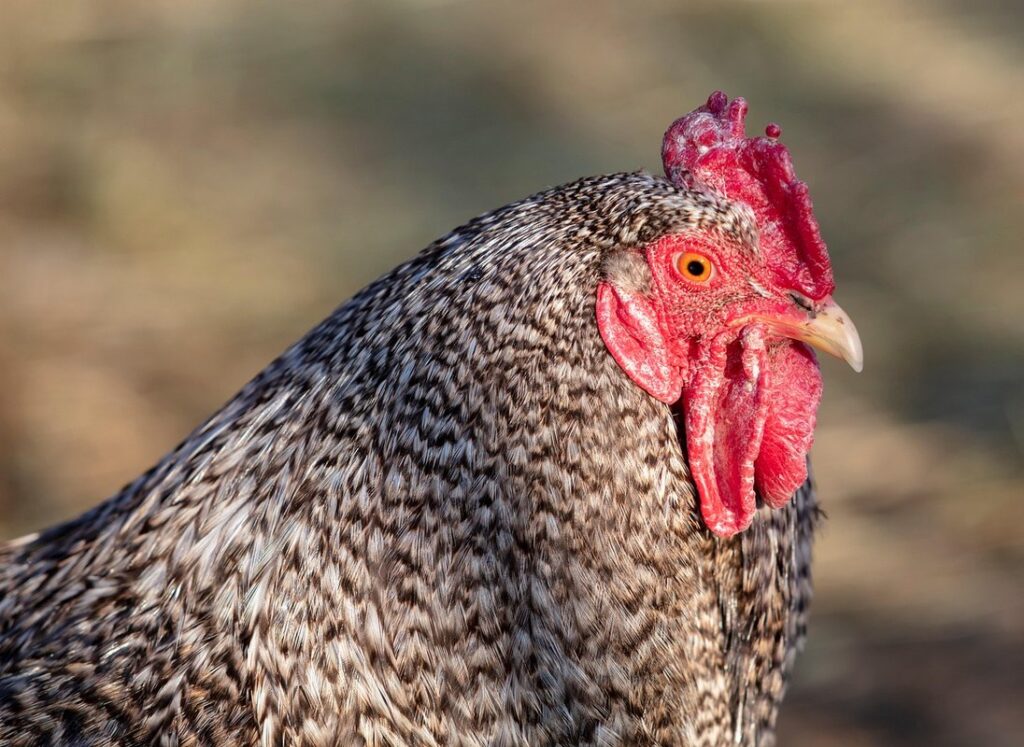
One of the most notable plumage types is the Single-Laced Red, which features a single row of red feathers along the edges of the bird’s wings, tail, and neck. This lacing pattern is caused by a recessive gene that masks the underlying coloration of the bird. Other common plumage types include the Rose Comb Black, White, and Buff.
In terms of color patterns, Plymouth Rock chickens can be found in a range of solid colors, including black, white, buff, and red. They may also display various shades of these colors, such as lavender or blue. Some birds may exhibit a pattern known as “mottling,” where flecks of one color are scattered across a base color.
The genetic basis for Plymouth Rock chickens’ plumage and color variations is largely determined by multiple genes interacting with each other. Understanding the genetics behind their appearance can help breeders make informed decisions when selecting stock for their flocks.
Temperament and Behavior
When it comes to temperament and behavior, Plymouth Rock chickens are known for their friendly, outgoing personalities that make them a great addition to backyard flocks. They’re also relatively easy to handle.
Friendly Nature and Adaptability
One of the most endearing qualities of Plymouth Rock chickens is their friendly and docile nature. This breed has a reputation for being easy to handle, making them an excellent choice for backyard flocks or commercial egg production operations. Their temperament is often described as gentle and calm, which means they are less likely to fly away or become aggressive when handled.
This adaptability makes them ideal for small farms, homesteads, or even urban backyards where space may be limited. With proper care and attention, Plymouth Rock chickens can thrive in a variety of settings. They are also known to form close bonds with their owners, often seeking human interaction and affection. This trait is particularly beneficial for commercial producers who want to reduce stress on their flock and promote better egg production.
For those looking to raise Plymouth Rock chickens, it’s essential to provide them with adequate space, nutrition, and socialization. By doing so, you can tap into their friendly nature and reap the rewards of a happy and productive flock.
Hardiness and Resilience
The Plymouth Rock chicken breed is renowned for its exceptional hardiness and resilience. This remarkable ability to withstand cold climates, disease, and other environmental stresses has made them a favorite among backyard chicken keepers.
In terms of temperature tolerance, Plymouth Rocks can thrive in temperatures as low as -20°F (-29°C) and as high as 90°F (32°C). Their thick feathers and robust build enable them to withstand harsh winters and hot summers with ease. Many breeders and owners have successfully raised their flocks through extreme weather conditions, making them an ideal choice for farmers living in areas with unpredictable climates.
Moreover, Plymouth Rocks are highly resistant to diseases such as Marek’s and Avian Influenza. Their robust immune system makes them less susceptible to illness, reducing the need for vaccinations and antibiotics. This hardiness also translates to their ability to adapt quickly to new environments and cope with stress, making them an excellent choice for beginners or those with limited experience in chicken keeping.
Overall, Plymouth Rocks’ exceptional hardiness is a significant contributing factor to their popularity among chicken enthusiasts.
Egg-Laying Abilities
When it comes to egg-laying, Plymouth Rock chickens are known for their impressive productivity, laying a high number of eggs per year. Let’s take a closer look at what you can expect from these prolific layers.
Average Production and Rate
When it comes to egg-laying abilities, Plymouth Rock hens are known for their impressive productivity. On average, a healthy Plymouth Rock hen will lay around 200-220 large brown eggs per year. However, this number can vary depending on several factors, including nutrition and management practices.
Proper nutrition is essential to ensure that your Plymouth Rock hens reach their full egg-laying potential. A balanced diet rich in protein, calcium, and other essential nutrients will help support their reproductive health. You should also provide them with access to fresh water at all times and ensure they have a safe and comfortable place to nest.
Factors like age, breed quality, and individual temperament can also influence egg production. For example, Plymouth Rock hens typically begin laying eggs around 18-20 weeks of age and may slow down their production as they mature past three years old. Regular health checks and proper care will help maintain your flock’s overall well-being and ensure optimal egg production.
It’s also worth noting that some factors can affect egg production negatively, such as stress caused by extreme temperatures or inadequate light. By providing a suitable environment and monitoring their health closely, you can encourage your Plymouth Rock hens to reach their full egg-laying potential.
Egg Quality and Characteristics
When it comes to egg-laying traits, Plymouth Rock hens are known for their impressive production. On average, a mature Plymouth Rock hen will lay around 200-220 large brown eggs per year. These eggs are not only abundant but also boast a range of desirable characteristics that make them appealing to both commercial and backyard producers.
One of the standout features of Plymouth Rock eggs is their size and shape. Typically measuring around 5 ounces, these eggs are substantial without being overly large, making them ideal for baking and cooking purposes. The shells themselves are strong and durable, with a distinctive brown color that’s a result of the breed’s unique genetics. In terms of shell quality, Plymouth Rock hens are known to produce eggs with relatively few cracks or breaks, which is a major plus for commercial producers who need to minimize waste.
Overall, the egg-laying traits of Plymouth Rock hens have earned them a reputation as reliable and productive layers, making them an attractive choice for anyone looking to start a backyard flock or scale up their commercial operation.
Health Considerations
When considering bringing Plymouth Rock chickens into your backyard flock, it’s essential to be aware of their potential health considerations and common breed-specific issues.
Common Health Issues and Precautions
Plymouth Rock chickens are generally known for their robust health and long lifespan. However, like all breeds, they can be susceptible to certain common health issues. One of the most notable concerns is obesity due to overfeeding or inadequate exercise. This can lead to a range of complications including heart disease and respiratory problems.
Another issue affecting Plymouth Rock chickens is broodiness, where hens become excessively focused on laying eggs and may neglect their own health in the process. This can result in weight loss, decreased egg production, and an increased risk of developing prolapse or other reproductive issues.
To mitigate these risks, it’s essential to maintain a balanced diet for your Plymouth Rock flock, ensuring they receive the necessary nutrients without overfeeding. Providing regular exercise opportunities, such as letting them roam free-range or engaging in play activities, can also help promote overall health and well-being.
It’s also crucial to monitor your hens’ behavior closely, intervening early if you notice signs of broodiness or other health issues. Regular health checks and preventative measures, such as providing a calcium supplement, can go a long way in maintaining the health and longevity of your Plymouth Rock chickens.
Genetic Diversity and Resistance
The Plymouth Rock chicken breed is known for its impressive genetic diversity, which has contributed to its robust health and resilience. One of the primary benefits of breeding this bird is its resistance to certain diseases. For instance, they have a high level of immunity against Marek’s disease, which is a significant advantage in commercial poultry farming.
However, breeding for specific traits can have drawbacks. Overemphasis on desirable characteristics like high egg production or fast growth rate may lead to reduced genetic diversity and increased susceptibility to other diseases. This highlights the importance of maintaining a balanced breeding program that considers both desired traits and overall health.
In practical terms, breeders can achieve this balance by introducing new bloodlines from diverse sources, monitoring for disease resistance in individual birds, and implementing selective breeding practices that prioritize both productivity and durability. By doing so, they can minimize the risk of disease while preserving the breed’s valuable genetic diversity.
Breeding and Showing Considerations
When it comes to raising Plymouth Rock chickens for breeding and showing, there are several key considerations to keep in mind, including temperament and fertility.
Breed Standards and Requirements
When it comes to showing Plymouth Rock chickens in competition, breeders must ensure their birds meet specific standards and requirements. Physical attributes are a crucial aspect of these competitions. For example, Plymouth Rocks should have a sturdy build, with males weighing between 8-11 pounds and females weighing between 7-9 pounds. They should also display a distinctive red or black coloration, depending on the variety.
Temperament is another vital characteristic for showing Plymouth Rock chickens. These birds are known for their friendly, docile nature, making them an excellent choice for families with children or for backyard flocks. In competitions, judges look for chickens that exhibit calmness and a willingness to interact with handlers.
Egg-laying abilities also play a significant role in breed standards. Plymouth Rocks are prolific layers, producing around 200-220 large brown eggs per year. To showcase their egg-laying prowess, breeders should ensure their birds are well-fed, hydrated, and receive regular health checks. By meeting these physical, temperamental, and productive requirements, breeders can confidently enter their Plymouth Rock chickens into competitions and showcase the breed’s unique characteristics.
Breeding Programs and Selection Criteria
When it comes to maintaining and improving the desirable traits of the Plymouth Rock chicken breed, breeding programs play a crucial role. The American Bantam Association (ABA) and the American Plymoth Rock Club (APRC) are two organizations that oversee the breeding of this beloved breed.
These organizations use strict selection criteria to ensure that only chickens with exceptional characteristics make it into breeding programs. Some of the key traits they look for include friendly disposition, high egg production, hardiness, and good mothering abilities. Breeders also consider factors like plumage quality, size, and conformation when selecting birds for their breeding flocks.
One potential challenge facing breeders is the risk of inbreeding, which can lead to a loss of genetic diversity and increase the likelihood of inherited health problems. To mitigate this risk, breeders use techniques like linebreeding and outbreeding to introduce new genetics into their flocks while still maintaining the desired characteristics. By being mindful of these breeding strategies, enthusiasts can help preserve the integrity of the Plymouth Rock breed for generations to come.
Frequently Asked Questions
What’s the ideal climate for raising Plymouth Rock chickens?
Plymouth Rocks are known to thrive in a variety of climates, but they excel in temperate zones with moderate temperatures between 40°F and 80°F (-40°C to 27°C). They’re relatively hardy birds, but extremely cold or hot weather can still be challenging for them. Ensure your coop is well-ventilated and draft-free to provide a comfortable environment.
Can I raise Plymouth Rock chickens in small backyards or urban areas?
Yes, Plymouth Rocks are adaptable and suitable for small-scale backyard flocks. They’re relatively quiet, easy-going, and don’t require excessive space. However, consider providing a minimum of 2-4 square feet (0.2 to 0.4 square meters) per bird inside the coop, along with access to outdoor runs or fenced areas.
How do I ensure genetic diversity in my Plymouth Rock flock?
To maintain genetic diversity and prevent inbreeding, it’s essential to introduce new birds from reputable breeders every 5-10 years. This will not only refresh your gene pool but also bring in desirable traits like disease resistance and improved fertility. Consider participating in local breeding programs or joining a poultry association for resources and guidance.
Can I use Plymouth Rocks as a dual-purpose breed?
Yes, Plymouth Rock chickens are well-suited for both egg production and meat consumption. They’re prolific layers, producing around 200-220 brown eggs per year, while also growing at an average rate of 1-2 pounds (0.5 to 1 kilogram) per week. Consider raising them on pasture or in a mixed-breed flock for a more diverse and resilient operation.
How often should I expect health checks and vaccinations for my Plymouth Rock flock?
While Plymouth Rocks are generally hardy birds, regular health checks and vaccinations are still essential to prevent and detect potential issues early on. Schedule annual check-ups with your veterinarian and consider vaccinating against common diseases like Marek’s or Newcastle in high-risk areas.