
If you’re considering adding some feathered friends to your backyard flock, or perhaps you’re looking to upgrade your existing coop with a more productive breed, then the Rhode Island Red is definitely worth considering. With their rich history dating back to the 1800s, this hardy and adaptable breed has become a favorite among chicken enthusiasts worldwide. Not only are they known for their stunning red plumage, but they also boast impressive egg-laying abilities, making them an excellent choice for small-scale farmers and backyard homesteaders. In this comprehensive guide, we’ll delve into the origins, temperament, health, and performance of Rhode Island Red chickens, covering everything you need to know to make an informed decision about adding these lovable birds to your flock.
Origins and History
Let’s dive into the fascinating origins of the Rhode Island Red, a breed with a rich history dating back to the 19th century. We’ll explore how it came to be one of America’s favorite backyard chickens.
Early Beginnings: The Development of the Breed
The Rhode Island Red breed has its roots deeply embedded in New England’s rich agricultural history. In the early 19th century, farmers in the region were looking for a chicken that could thrive in the harsh winters and provide a reliable source of fresh eggs. They crossed various breeds such as the Cochin, Malay, and Dominique to create a hardy, egg-laying bird.
One key figure in the development of the Rhode Island Red breed was William Tripp, who experimented with different combinations of breeds on his farm in Little Compton, Rhode Island. His efforts led to the creation of the first true Rhode Island Reds, which were characterized by their distinctive reddish-brown plumage and robust build.
By the mid-1800s, the Rhode Island Red breed had gained popularity among farmers due to its exceptional egg-laying abilities and hardiness in cold climates. Today, it’s one of the most recognizable chicken breeds worldwide, prized for its rich flavor, brown eggs, and rugged constitution.
Key Events and Milestones in the Breed’s History
The Rhode Island Red breed has a rich and storied history that spans over 150 years. One of the most significant events in the breed’s development was its creation by William Tripp, a Massachusetts farmer who crossed various breeds to create a hardy and prolific layer. The first recorded exhibition of the breed took place at the 1876 Centennial Exposition in Philadelphia, where they caught the attention of poultry enthusiasts.
In the late 1800s, the Rhode Island Red gained popularity due to their exceptional egg-laying abilities, with some hens producing over 300 eggs per year. This remarkable productivity earned them several awards and accolades at exhibitions across the United States and Europe. At the 1884 International Exhibition in London, a Rhode Island Red hen named “Old Butternut” won first prize for laying eggs.
The breed’s popularity continued to soar throughout the early 20th century, with the American Poultry Association (APA) officially recognizing the Rhode Island Red as one of its founding breeds. Today, the Rhode Island Red remains one of the most sought-after breeds among backyard chicken keepers and commercial poultry farmers alike due to their exceptional hardiness, temperament, and egg-laying abilities.
Physical Characteristics
The Rhode Island Red chicken breed is known for its striking physical appearance, and in this section we’ll break down its distinctive features. From beak to tail feathers, let’s take a closer look at what makes this breed so unique.
Plumage and Color Variations
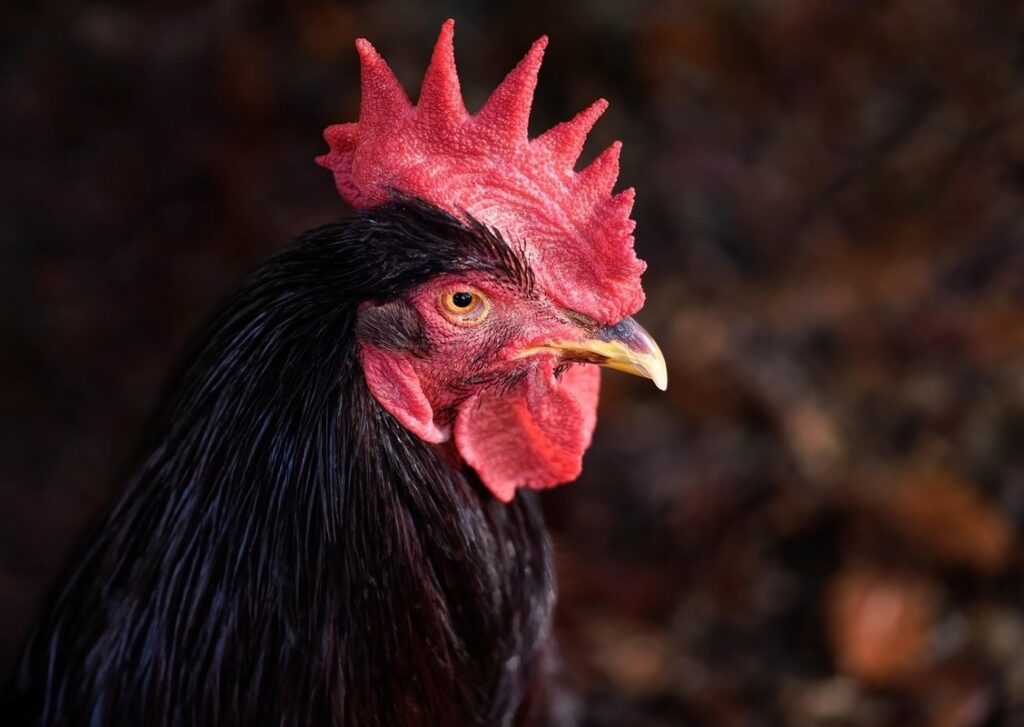
The Rhode Island Red’s plumage is one of its most recognizable features. This breed is known for its rich, warm colors that range from deep red to a golden brown. The males have a more vibrant plumage than the females, with a deeper reddish-brown hue on their breast feathers and a darker tail.
One of the distinctive characteristics of the Rhode Island Red’s plumage is its “rooster comb” – a fleshy, red growth on top of the male’s head. This comb is not only visually striking but also helps to regulate body temperature in hot weather.
In terms of color variations, the Rhode Island Red breed comes in several recognized shades, including the classic red, golden red, and blue-red. While these colors may look similar at first glance, they have distinct differences that can be seen when viewed closely.
When choosing a Rhode Island Red for your flock, pay attention to the bird’s plumage pattern and coloration. A well-plumed bird will not only make a stunning addition to your backyard but also serve as an excellent example of the breed’s unique characteristics.
Size and Weight: What to Expect
When it comes to size and weight, Rhode Island Reds are a medium to large breed. Males typically weigh between 8-12 pounds (3.6-5.4 kg) and stand about 18-20 inches (45-50 cm) tall at the shoulder. Females, on the other hand, weigh around 7-10 pounds (3.2-4.5 kg) and reach a height of 16-18 inches (40-45 cm). While these are general guidelines, individual birds can vary depending on factors such as diet, exercise, and genetics.
It’s essential to note that Rhode Island Reds are known for their broad chests and deep bodies, which can make them appear larger than they actually are. This muscular build is a result of their heritage as dual-purpose chickens, bred for both egg-laying and meat production. When considering bringing a Rhode Island Red into your flock, keep in mind the space requirements to accommodate their size. A minimum of 2-3 square feet (0.2-0.3 sqm) per bird is recommended, with plenty of room for movement and exercise.
Temperament and Personality
When it comes to personality, Rhode Island Reds are known for being friendly and docile, making them a great fit for families and backyard flocks. But how do they really behave?
Known Traits: Friendly, Hardy, and Energetic
The Rhode Island Red’s temperament and personality are some of its most beloved traits. One of the key characteristics that make them a popular choice among backyard chicken keepers and farmers is their friendly nature. These birds are known to be approachable, docile, and even affectionate, making them perfect for families with children or small-scale farms.
One of the reasons why Rhode Island Reds are so hardy is because they’re relatively low-maintenance when it comes to their environment. They can adapt to a wide range of temperatures, from -20°F to 90°F (-29°C to 32°C), and can even tolerate some cold and wet conditions. This makes them an ideal choice for farmers who live in areas with harsh climates.
Rhode Island Reds are also known for their high energy levels, which means they require regular exercise to stay healthy. Providing a large enclosure or a fenced area where they can roam free will help keep them entertained and active. With proper care and attention, these birds will reward you with plenty of eggs, lively personalities, and long-term companionship.
Their energetic nature also makes them suitable for meat production. Farmers often raise Rhode Island Reds for their fast growth rate and high-quality meat.
Challenges and Considerations
When raising Rhode Island Reds, you may encounter some unique challenges and considerations. One of the most notable characteristics of this breed is their high-pitched chirping, which can be quite loud at times. If you live in a residential area or have noise restrictions, it’s essential to consider whether your neighbors might be disturbed by the constant chattering.
Another potential issue with Rhode Island Reds is broodiness. Some hens will exhibit intense maternal instincts and become obsessed with sitting on eggs for extended periods. This can lead to health problems if not managed properly. To prevent overbrooding, it’s crucial to collect eggs frequently and provide adequate space for your birds to move around.
Additionally, Rhode Island Reds are known to be energetic and active, which means they require plenty of exercise and stimulation to stay happy and healthy. Make sure to allocate sufficient time for regular walks and playtime in a securely fenced area to keep your flock engaged and entertained.
Health and Nutrition
When it comes to keeping Rhode Island Red chickens healthy, their dietary needs are just as important as any other aspect of their care. Let’s take a closer look at what they require for optimal health and nutrition.
Common Health Issues: Affecting the Breed
The Rhode Island Red breed is known for its robust health, but like all chicken breeds, they can be susceptible to certain health issues. One of the most common problems affecting this breed is leg weakness and deformity. This condition is often caused by genetics or poor nutrition during growth, leading to crooked or twisted legs.
Another issue that can affect Rhode Island Reds is obesity. While it may seem counterintuitive for a breed known for its high egg production, many backyard flock owners inadvertently overfeed their birds, leading to weight gain and related health problems. Mitigating this condition requires careful monitoring of feed intake and ensuring the chickens have access to plenty of exercise through outdoor runs or playtime.
Proper nutrition is also key in preventing respiratory issues such as bronchitis and pneumonia. A balanced diet rich in vitamins and minerals, particularly vitamin E and omega-3 fatty acids, can help boost the birds’ immune system and reduce their susceptibility to illness.
Dietary Requirements for Optimal Health
When it comes to maintaining the optimal health of your Rhode Island Reds, providing them with the right diet is crucial. These birds are known for their high egg production and energetic nature, which means they require a nutrient-rich diet to support their growth and productivity.
A good starting point is to provide your Rhode Island Reds with a balanced layer feed that meets their nutritional needs. Look for feeds that contain around 16-18% protein and 10-12% calcium, as these levels will help promote strong bone development and eggshell production. You can also consider supplementing with additional nutrients such as oyster shells or crushed eggshells to provide a boost of calcium.
In addition to commercial feed, it’s essential to ensure your Rhode Island Reds have access to fresh water at all times. A good rule of thumb is to provide 1-2 pounds of feed per bird per week, depending on their age and production level. You can also consider offering treats such as fruits, vegetables, or grains in moderation to add variety to their diet and promote a healthy gut.
By following these dietary recommendations, you’ll be well on your way to raising happy and healthy Rhode Island Reds that thrive in your backyard flock.
Egg-Laying Performance
When it comes to egg-laying performance, Rhode Island Reds consistently impress, producing a high number of large eggs throughout their laying cycle. Here’s what you can expect from this prolific breed.
Average Production: What to Expect from Your Hens
When it comes to egg-laying performance, Rhode Island Reds are considered one of the most productive breeds. On average, a healthy adult hen will lay around 200-220 large brown eggs per year. However, individual productivity can vary depending on factors such as nutrition, health, and living conditions.
For example, a well-fed and hydrated hen that has access to adequate light and space will be more likely to reach its full potential. In contrast, hens that are malnourished or subjected to stress may produce fewer eggs.
Some things you can do to encourage your Rhode Island Reds’ egg-laying performance include providing a balanced diet rich in protein and calcium, ensuring they have access to fresh water at all times, and maintaining a clean and spacious coop. You should also consider introducing artificial lighting during the winter months when daylight hours are shorter.
With proper care and attention, your Rhode Island Reds can continue to produce eggs at an impressive rate throughout their lives, making them a great choice for backyard chicken keepers who want a reliable source of fresh eggs.
Tips for Maximizing Egg Production
To maximize egg production in your Rhode Island Red flock, it’s essential to implement effective management strategies and provide optimal nutrition. One crucial aspect is ensuring adequate light exposure. As a breed, Rhode Island Reds are prolific layers and require around 14 hours of daylight to produce eggs efficiently. Supplementing their natural light with artificial lighting can significantly boost production.
Nutritional considerations play a vital role in egg production. A balanced diet that includes essential vitamins, minerals, and protein is crucial. Provide your flock with high-quality layer feed or mix their own feed using grains like oats and barley. Calcium supplementation is also vital to maintain strong eggshell health.
It’s equally important to monitor and adjust your flock’s management practices regularly. Ensure they have access to clean water at all times and maintain a comfortable temperature between 40°F and 80°F (4°C and 27°C). By implementing these strategies, you can expect an average of 200-220 eggs per year from each Rhode Island Red hen.
Breeding and Buying
If you’re looking to bring home a Rhode Island Red, or want to breed these lovable birds yourself, understanding how to find or raise them is essential. Here’s what you need to know about breeding and buying this popular breed.
Choosing a Reputable Breeder: What to Look For
When searching for a reputable breeder to obtain your Rhode Island Red chickens from, it’s essential to do your research and ask the right questions. A good breeder will have a passion for their birds and be transparent about their breeding practices.
Look for breeders who are experienced in raising Rhode Island Reds and can provide you with information on the genetics of the birds they’re selling. They should also be able to show you the parents of the chicks or pullets, so you can see the quality of their breeding stock firsthand.
Some red flags to watch out for include:
* Breeders who are pushy or aggressive in their sales tactics
* Those who don’t allow you to visit their farm or facility
* Sellers who are unwilling to provide health guarantees or warranties
* Breeders who are unclear about the origin, genetics, or ancestry of their birds
To ensure you’re working with a reputable breeder, ask plenty of questions and trust your instincts. Research online reviews and testimonials from other customers, and don’t be afraid to walk away if something feels off. A good breeder will prioritize the health and well-being of their birds, as well as provide excellent customer service.
Key Considerations When Purchasing Chicks or Pullets
When purchasing Rhode Island Red chicks or pullets, it’s essential to consider several key factors to ensure you’re bringing home healthy, high-quality birds that meet the breed standard. First and foremost, verify that the breeder has conducted health clearances on their flock for diseases such as Marek’s disease, Newcastle disease, and mycoplasma gallisepticum (MG). This is crucial in preventing the spread of illnesses within your own flock.
Breeders should also provide documentation showing compliance with the American Poultry Association (APA) breed standard. This ensures that your Rhode Island Red birds will have the characteristic traits you’re expecting, such as their distinctive reddish-brown feathers and rich brown eyes.
Additionally, inspect the chicks or pullets themselves for any visible signs of illness, injury, or deformity. Check for bright eyes, strong legs, and a robust appearance. It’s also essential to ask the breeder about the birds’ ancestry and bloodlines, as this can impact their overall health and productivity. By doing your due diligence, you’ll be able to bring home top-notch Rhode Island Red chickens that will thrive in your backyard flock.
Frequently Asked Questions
How do I determine if the Rhode Island Red breed is suitable for my small farm or backyard flock?
Before introducing any new breed to your flock, consider factors such as available space, climate, and desired egg production. Rhode Island Reds require regular exercise and adequate shelter, making them an excellent choice for farmers and homesteaders with ample resources. Ensure you can provide the necessary care and attention before committing to this breed.
What are some common health issues that affect Rhode Island Red chickens?
Like all breeds, Rhode Island Reds can be prone to certain health issues, including Marek’s disease, frostbite, and egg binding. Regular veterinary check-ups, a balanced diet, and providing adequate protection from extreme weather conditions can help minimize the risk of these issues.
How do I breed or source Rhode Island Red chicks or pullets from a reputable breeder?
When searching for a reputable breeder, look for those who prioritize animal welfare and genetics. Check online reviews, attend local chicken shows or events, and ask fellow farmers for recommendations. Ensure the breeder provides clear information about the birds’ lineage, health guarantees, and breeding practices.
Can I mix Rhode Island Reds with other breeds in my flock, and how will this affect their egg production?
Mixing breeds can introduce new genetic diversity to your flock but may also lead to conflicts or competition for resources. When introducing multiple breeds, ensure they are compatible and have adequate space, food, and shelter. This breed is generally friendly and adaptable, making them suitable for mixed flocks.
How long does it take for Rhode Island Red hens to start laying eggs, and what’s the average annual production?
Rhode Island Reds typically begin laying eggs at around 18-24 weeks of age. Average annual egg production ranges from 200 to 300 large brown eggs per hen, making them an excellent choice for small-scale farmers and backyard homesteaders seeking reliable egg production.