
If you’re considering adding some feathered friends to your backyard or farm, you might want to learn more about the Pekin duck breed. Hailing from China, these friendly birds have gained popularity worldwide for their gentle nature and impressive egg-laying abilities. But what makes them stand out from other duck breeds? In this article, we’ll delve into the world of Pekin ducks, exploring their unique characteristics, care requirements, and more. Whether you’re a seasoned breeder or just starting out, you’ll discover expert insights on raising, breeding, and showing these wonderful birds. We’ll cover everything from their origins to tips for getting started with your very own Pekin duck flock. So, let’s get started on this fascinating journey into the world of Pekin ducks!
Origin and History of the Pekin Duck Breed
The Pekin duck breed has a fascinating history that dates back thousands of years, originating from the Yangtze River region in China. Let’s dive into its rich and intriguing past together.
Early Development in China
The Pekin duck breed’s early development in China is a fascinating story that spans over 300 years. It’s believed to have originated from a domesticated species of duck known as the Muscovy duck, which was first introduced to Asia from South America by European traders. Over time, Chinese breeders selectively bred these ducks for desirable traits such as size, plumage, and temperament.
As the Pekin breed developed, they were highly valued for their meat production and were often served at special occasions and celebrations. In fact, during the Qing dynasty, pekin duck was considered a delicacy and was often served roasted or steamed at banquets. Chinese breeders continued to refine the breed, selecting for faster growth rates, more efficient feed conversion, and improved egg-laying capabilities.
By the 18th century, the Pekin breed had gained popularity among European traders and travelers who visited China. They were impressed by the duck’s unique characteristics and began importing them back to Europe, where they quickly became popular among farmers and consumers alike.
Introduction to Europe and Initial Recognition
The Pekin duck’s journey to Europe was a significant milestone in its history. It all began in the late 19th century when French breeders became fascinated with the Chinese white ducks they encountered during trade missions to Asia. Initially, these birds were known as “Pekin” or “White Pekin,” and their unique characteristics quickly gained attention among European duck enthusiasts.
As more ducks were imported from China, breeders began to experiment with crossing them with native European breeds. This led to the development of a robust and hardy duck that was well-suited to the European climate. The initial reception was overwhelmingly positive, with many regarding the Pekin as a superior breed due to its excellent egg-laying capabilities and docile nature.
One notable breeder who contributed significantly to the Pekin’s popularity in Europe was the renowned French poultry expert, Monsieur Delabarre. He developed a strain of Pekin that became known for its exceptional meat production, which helped cement the breed’s reputation as a valuable asset among European duck farmers. As trade and cultural exchange between Asia and Europe continued to grow, so did the Pekin’s popularity, eventually leading to its widespread adoption across the continent.
Physical Characteristics of the Pekin Duck Breed
When it comes to identifying a true Pekin duck, understanding their physical characteristics is key. Let’s take a closer look at what sets them apart from other breeds.
Body Type and Size
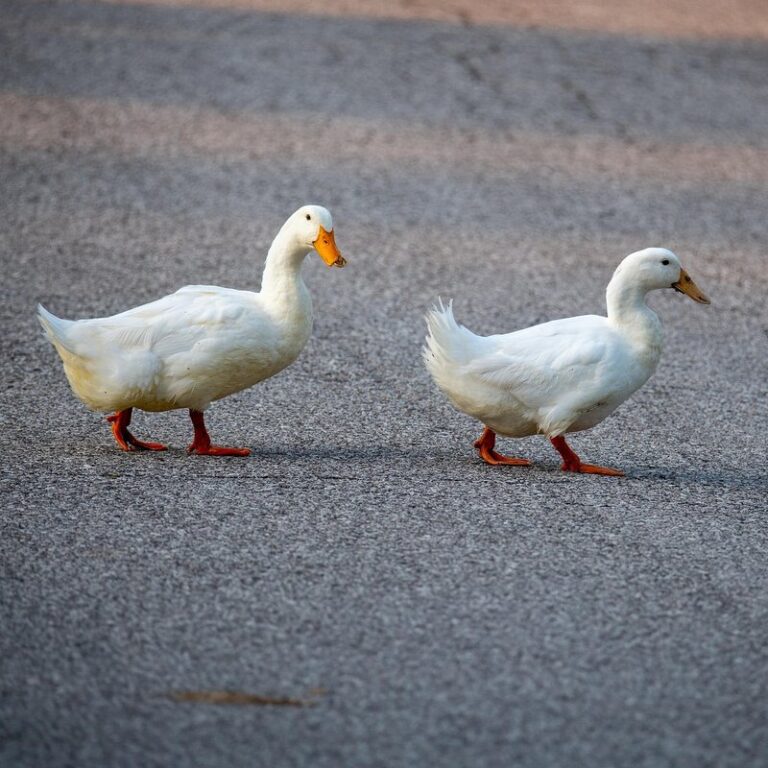
The Pekin duck’s body type is one of its most distinctive features. In terms of size, Pekin ducks are considered medium to large-sized ducks, with adult males weighing between 8 and 11 pounds (3.6 to 5 kg) and females weighing between 7 and 10 pounds (3.2 to 4.5 kg). Their overall physique is muscular and compact, with a broad chest and well-spread wings.
Pekin ducks have a relatively short neck and a small head in proportion to their body size. They also have a moderate-length beak that is yellow in color. In terms of length, Pekin ducks typically grow between 20 and 24 inches (51-61 cm) from the tip of the bill to the tail.
When it comes to caring for your Pekin duck, understanding its body type can help you provide the best possible care. For example, providing enough space for them to move around and exercise is crucial due to their medium to large size. A general rule of thumb is to provide at least 2-3 square feet (0.2-0.3 sq meters) of floor space per duck.
Their compact physique also makes them well-suited for smaller backyards, making them a great choice for urban or suburban farmers who have limited space.
Feathering and Plumage
The Pekin duck’s feathering is one of its most distinctive and attractive features. These ducks have soft, fluffy feathers that are a pleasure to touch. Their unique feathering pattern makes them stand out from other breeds, and it’s also highly practical – their feathers help to insulate them against the cold.
In terms of color variation, Pekin ducks come in a range of shades, including white, yellow, gray, and even some with a slight sheen to their feathers. Some breeders have developed specific color variations, such as the “Silver” or “Blue” Pekin, which are highly prized by enthusiasts.
One key thing to note when it comes to caring for your Pekin duck’s plumage is that they require regular grooming to prevent matted and tangled feathers. This can be done with a soft-bristled brush or a comb specifically designed for ducks. It’s also essential to keep an eye out for any signs of feather pecking, which can be a problem in some breeds. Regular exercise and mental stimulation can help reduce stress-related behaviors like feather pecking, making it easier to care for your Pekin duck’s beautiful plumage.
Temperament and Personality Traits
When it comes to personality, Pekin ducks are often described as friendly, docile, and very social birds that thrive on interaction with their owners and other animals. They’re a great addition to any family farm or backyard flock.
Docile Nature and Friendliness
When it comes to temperament and personality traits, Pekin ducks are renowned for their docile nature and friendliness. They make excellent pets for families with children or for individuals looking for a low-maintenance but affectionate companion.
One of the most notable characteristics of Pekin ducks is their ability to bond strongly with their owners. With proper care and handling, they can become quite tame and enjoy human interaction, often seeking attention and pets from their caregivers. This friendly demeanor makes them an excellent choice for backyard farming or small-scale duck keeping operations.
In contrast to other duck breeds, Pekin ducks are relatively calm and gentle, even in the presence of children or other animals. They are also surprisingly quiet, with a soft quacking noise that is often described as music-like by owners.
To encourage your Pekin duck’s friendly nature, it’s essential to handle them gently and consistently from an early age. Start by allowing them to become comfortable with your presence and gradually introduce more interactive activities, such as feeding or playing games together. With patience and kindness, you can develop a strong bond with your Pekin duck and enjoy the many rewards of owning this lovable breed.
Noise Levels and Adaptability
If you’re considering adding Pekin ducks to your backyard flock, it’s essential to understand their temperament and adaptability. One notable aspect of Pekin ducks is their vocal nature. They are known to be quite loud, especially when communicating with each other or alerting their owners to potential threats.
In terms of adaptability, Pekin ducks can thrive in various environments as long as they have access to adequate shelter and food. However, they do prefer cooler climates and may struggle in extremely hot temperatures.
A common issue associated with the high noise levels of Pekin ducks is neighborhood disturbance or conflict with other pets that are sensitive to noise. To mitigate this, consider providing a secure enclosure where your Pekins can exercise without disturbing others. Additionally, introducing them to quiet time routines during peak vocal hours may help minimize disruptions. By understanding and addressing these factors, you can create a harmonious environment for both your ducks and neighbors.
Health and Nutrition Considerations
When it comes to caring for your Pekin duck, proper health and nutrition are crucial to prevent common issues and ensure a long, happy life. Here’s what you need to know about keeping your feathered friend healthy.
Common Health Issues and Concerns
As you care for your Pekin duck, it’s essential to be aware of common health issues that can affect this breed. One of the primary concerns is obesity, which can lead to a range of problems, including joint pain and respiratory issues. This can be prevented by providing regular exercise opportunities, such as letting them forage in a secure area or engaging them in playtime activities.
Another significant concern for Pekin ducks is feather pecking and cannibalism, which can arise from boredom, stress, or nutritional deficiencies. To mitigate this risk, ensure your duck has a balanced diet rich in nutrients and provides plenty of scratching posts to keep their beaks trimmed. Regular health checks are also crucial in detecting any underlying issues early on.
It’s also worth noting that Pekin ducks may be more susceptible to diseases such as avian influenza and respiratory infections due to their close proximity to other birds. Practicing good hygiene, isolating new additions, and maintaining a clean living environment can help minimize the risk of disease transmission. Regular vaccinations can also provide an added layer of protection.
Dietary Needs and Nutritional Requirements
When it comes to meeting the nutritional needs of Pekin ducks, it’s essential to provide them with a balanced diet that supports their optimal health. As one of the most widely kept duck breeds, Pekins have specific dietary requirements that are crucial for maintaining their well-being.
Pekin ducks require a high-quality commercial duck feed as the main staple of their diet, which should be provided in limited quantities throughout the day to prevent overeating and obesity. Supplementing with fruits, vegetables, and grains can also provide essential nutrients, but it’s vital to avoid giving them foods that are toxic or cause digestive issues.
A general rule of thumb is to offer 1/4 to 1/2 cup of fresh veggies daily per duck, such as leafy greens like kale and spinach, carrots, and squash. You can also provide small amounts of fruits like apples, berries, and melons. However, avoid giving them avocado, onions, or garlic as they are toxic to ducks.
Keep in mind that Pekin ducks have a unique digestive system, so it’s crucial to introduce new foods gradually to prevent any adverse reactions.
Breeding and Raising Pekin Ducks
If you’re planning to breed or raise Pekin ducks, understanding their specific needs is essential for successful hatching and nurturing. This section will walk you through the process of breeding and raising these beloved waterfowl.
Breeding Season and Cycle
The breeding season for Pekin ducks typically occurs between spring and fall, with the exact timing depending on factors such as climate and geographic location. During this time, males will begin to display aggressive behavior, including loud quacking and posturing, as they compete for mating rights.
To induce breeding in Pekin ducks, a ratio of one drake (male) to every 10 hens is recommended. It’s essential to provide a suitable environment for breeding, including a large enclosure with adequate space for exercise and a nutritious diet rich in protein and calcium.
Mating typically occurs in the morning or late afternoon, and the female will usually incubate her eggs for about 28 days before they hatch. To increase the chances of successful hatching, it’s crucial to ensure that the male is healthy and fertile, as well as providing proper care and nutrition for the mother during incubation.
A clutch size of around 10-12 eggs per breeding season is common in Pekin ducks. However, this can vary depending on factors such as breed quality, environmental conditions, and overall health of the flock.
Raising Ducklings: Tips and Best Practices
Raising Pekin ducklings requires careful attention to their nutritional needs, shelter, and socialization. A diet rich in protein and fiber is essential for their growth and development. You can provide a starter feed specifically formulated for ducklings, along with fresh vegetables and fruits like kale, spinach, and berries.
Ensure they have access to clean water at all times, changing it frequently to prevent bacterial growth. Provide a sheltered area with adequate ventilation to protect them from extreme temperatures and predators. A brooder or a warm enclosure with heat lamps is ideal for the first few weeks of life.
Socialization is also crucial for healthy ducklings. Separate them from their mother when they’re around 3-4 weeks old, as this allows you to establish a bond with them. Handle them gently, making sure not to overcrowd the space. Keep an eye out for signs of stress or illness, such as labored breathing, lethargy, or loss of appetite.
It’s also essential to monitor their environment and provide adequate ventilation and cleaning. This includes daily cleaning of food and water dishes, removing droppings, and maintaining a clean enclosure.
Showing and Exhibiting Pekin Ducks
If you’re interested in showing your Pekin ducks, it’s essential to know what breeders look for when evaluating these birds. Here’s a rundown on the key characteristics and requirements.
Show Standards and Requirements
When it comes to showing and exhibiting Pekin ducks, there are specific requirements that you’ll need to meet. The American Bantam Association (ABA) is one of the primary organizations that governs duck shows, and they have strict breed standards for Pekin ducks.
According to the ABA, Pekin ducks should have a pure white plumage, with no markings or discolorations allowed. They should also have a distinctive orange beak and feet, as well as a long, slender neck and body. In terms of judging criteria, judges will look for ducks that are well-proportioned, with good balance between length and width.
Some key things to keep in mind when preparing your Pekin duck for showing include:
* Ensuring the duck is clean and well-groomed
* Measuring the duck to ensure it meets the breed standard
* Checking for any physical abnormalities or defects
* Practicing handling and posing techniques with your duck
Remember, meeting the breed standards is just one part of preparing your Pekin duck for showing. Make sure to also research the specific show rules and regulations to ensure you’re ready to compete at your best.
Tips for Successful Showing and Exhibiting
When it’s time to show off your Pekin duck’s unique characteristics, preparation is key. To ensure you and your feathered friend make a great impression, follow these tips for successful showing and exhibiting.
First, research the breed standards set by organizations such as the American Poultry Association (APA) or the British Waterfowl Standards. This will give you an idea of what judges are looking for in a Pekin duck’s appearance, temperament, and overall quality. Make sure your bird meets these standards before entering any shows.
Another crucial aspect is proper grooming. Keep your Pekin duck clean and well-maintained by regularly cleaning its living area, feeding it a balanced diet, and providing adequate exercise. A well-groomed duck will shine in the show ring.
Practice handling your duck to get it accustomed to being handled and posed for judging. This will also help you become more confident in presenting your bird’s best features.
In addition to these tips, familiarize yourself with the specific rules and regulations of each show or exhibition you plan to enter. Understanding what is expected of you and your bird will ensure a stress-free experience for both of you.
Frequently Asked Questions
Can Pekin ducks adapt to cold climates?
Yes, Pekin ducks are surprisingly hardy and can thrive in temperate climates with proper care. While they may not tolerate extreme cold or wet conditions, regular housing and adequate shelter can help them adapt to colder regions. Ensure their living space is well-insulated, and provide a warm area for them to retreat to during harsh weather.
How often should I collect eggs from my Pekin duck flock?
The frequency of egg collection depends on the individual bird’s production rate. As Pekin ducks are prolific layers, you can expect to collect eggs daily, especially during peak breeding season (March to July). Regular collection will encourage them to continue laying and prevent any health issues related to internal parasites or over-production.
What health issues should I be aware of in my Pekin duck flock?
Common health concerns in Pekin ducks include respiratory problems, parasitic infections (e.g., mites, lice), and vitamin deficiencies. Monitor your birds’ behavior, appetite, and overall well-being regularly. Implement good hygiene practices, ensure access to clean water and balanced feed, and maintain a healthy living environment to minimize the risk of these issues.
How can I introduce Pekin ducks to an existing flock?
Introducing new birds requires patience, careful planning, and consideration for the existing flock’s dynamics. Quarantine the new ducks separately before integrating them with your main group. Monitor their behavior closely during the initial introduction period (typically 1-2 weeks), and ensure a gradual transition to shared living spaces.
What is the ideal ratio of males to females in my Pekin duck flock?
The ideal sex ratio for breeding purposes is one rooster to 5-6 hens. This allows for sufficient male influence during mating without creating dominance issues or aggression within the group. Keep in mind that a single male can successfully breed with multiple females, making this ratio suitable for small-scale and backyard flocks.