
If you’re thinking of adding some new feathered friends to your backyard flock, you might be considering the Australorp chicken breed. With their rich history, impressive egg-laying capabilities, and unique physical characteristics, it’s no wonder many backyard chicken enthusiasts are drawn to these gentle giants.
But before you bring home an Australorp, it’s essential to understand their temperament, needs, and potential health considerations. In this article, we’ll delve into the world of Australorps, exploring their history, physical traits, and egg-laying capabilities in more detail. We’ll also discuss their friendly nature, adaptability, and health requirements, helping you decide if they’re a good fit for your flock. By the end of this article, you’ll have a comprehensive understanding of what it takes to care for an Australorp chicken and whether these lovely birds are right for you.
History and Origin
The Australorp breed has a rich history dating back to 19th-century Australia, where it was developed from a combination of various breeds. Let’s take a closer look at how this iconic chicken came to be.
The Early Days: Australorp Origins
The Australorp breed’s origins date back to the early 20th century in Australia. The story begins with the Black Orpington, a popular English breed that was introduced to the country in the late 1800s. To create a more robust and adaptable chicken for Australian conditions, local farmers crossed the Orpington with various native breeds.
This breeding program led to the development of the Australorp, named after its Australian roots. By the 1920s, the breed had gained popularity among farmers due to its exceptional egg-laying abilities. In fact, Australorps were known to produce an impressive 200-300 large brown eggs per year. This made them an ideal choice for commercial poultry farms.
The early days of the Australorp breed saw a focus on developing a hardy and productive chicken that could thrive in Australia’s challenging climate. Through careful selection and breeding, farmers created a bird that was not only efficient but also remarkably durable. The foundation laid during this period has contributed significantly to the breed’s enduring popularity worldwide today.
The Rise to Fame: 1920s-1950s
During the 1920s to 1950s, the Australorp breed experienced an unprecedented rise to fame in poultry farming. Their exceptional egg-laying capabilities made them a prized possession among farmers and backyard enthusiasts alike. With an average annual production of around 200-300 eggs per hen, the Australorp was one of the top-producing breeds of its time.
Their popularity can be attributed to their high fertility rate, strong constitution, and robust health. Farmers adored the breed’s ability to thrive in a variety of climates and environments, making them an ideal choice for large-scale commercial operations as well as smaller farms. The Australorp’s impressive egg-laying capacity also made them a favorite among families looking to supplement their household income through poultry farming.
The Australorp’s widespread adoption during this period is evident from the numerous awards they received at poultry shows and exhibitions. In 1921, an Australorp hen named Rambler’s Gift set a world record by producing 364 eggs in a single year, cementing the breed’s reputation as one of the top egg-laying breeds globally. As the demand for high-quality eggs continued to rise, the Australorp remained a leading choice among farmers and poultry enthusiasts well into the mid-20th century.
Physical Characteristics
Let’s take a closer look at the physical characteristics that make the Australorp breed so distinctive and sought after by chicken enthusiasts worldwide. From their size to their feathering, you’ll get an in-depth look here.
Size and Weight
When it comes to physical characteristics, one of the most noticeable aspects of the Australorp breed is their impressive size. On average, a mature Australorp hen weighs around 8-10 pounds (3.6-4.5 kg), while roosters typically tip the scales at around 12-14 pounds (5.4-6.3 kg). However, it’s not uncommon for some birds to reach weights of up to 16 pounds (7.2 kg) or more.
In terms of size, Australorps are a medium to large breed, with hens standing around 24-28 inches (61-71 cm) tall and roosters reaching heights of around 30 inches (76 cm). Their sturdy build and broad chest make them well-suited for free-ranging and foraging, as they can withstand rough terrain and harsh weather conditions.
If you’re considering adding Australorps to your flock, be sure to provide them with enough space to move around comfortably. A minimum of 2-3 square feet (0.2-0.3 square meters) per bird is recommended, but more space will always be appreciated. This breed thrives on exercise and fresh air, so make sure to give them plenty of room to roam.
Plumage and Egg-Laying Capacity
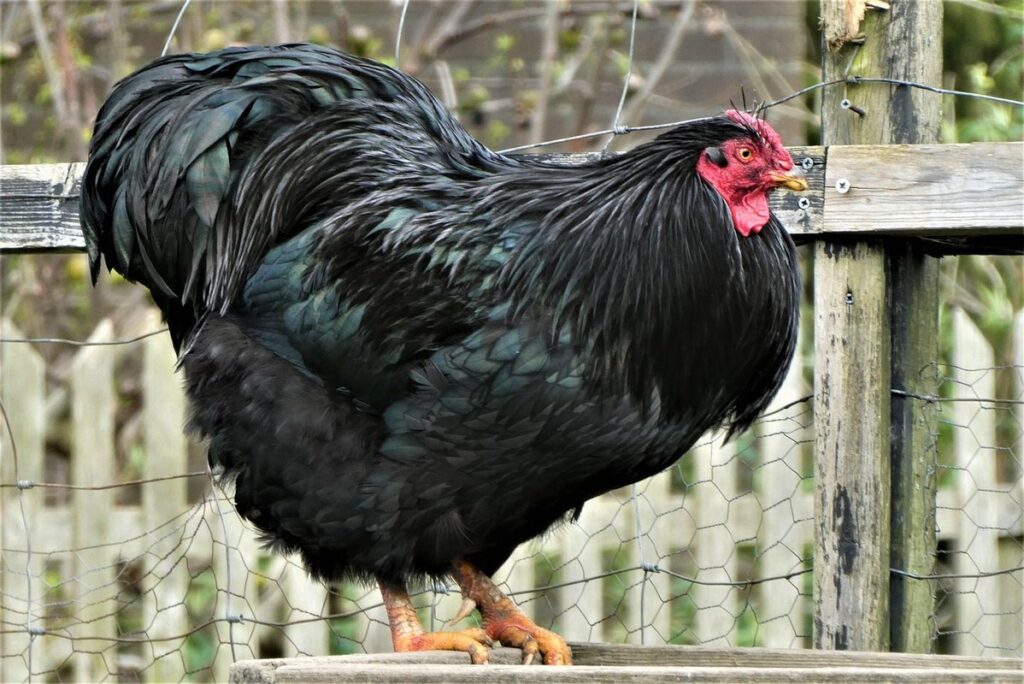
One of the most distinctive features of the Australorp breed is their stunning plumage, which comes in three main varieties: black, blue, and wheaten. The black Australorps have a glossy, lustrous sheen to their feathers, while the blues have a subtle, greyish tint that deepens with age. Wheaten Australorps, on the other hand, boast a beautiful golden coat that’s sure to turn heads.
But it’s not just their looks that make the Australorp breed stand out – they’re also renowned for their exceptional egg-laying abilities. On average, a healthy Australorp hen will produce around 250-300 large brown eggs per year, making them one of the top-performing breeds when it comes to egg production. This is due in part to their robust build and energetic nature, which allows them to thrive in a variety of environments.
If you’re looking to get started with raising Australorps for their eggs, be sure to provide them with plenty of space, nutritious feed, and regular access to fresh water. With proper care and management, these amazing birds will reward you with a steady supply of delicious, healthy eggs all year round.
Temperament and Personality
When it comes to temperament and personality, Australorps are known for their friendly and docile nature, making them a great fit for families and backyard flocks. They’re also relatively easy-going and adaptable chickens.
Docile Nature
One of the standout characteristics of the Australorp breed is their remarkably docile nature. This makes them an excellent choice for families with children and backyard flocks. They are known to be gentle, calm, and easy-going, which is perfect for a family-friendly pet.
In fact, many Australorp owners have reported that their birds are so friendly and trusting that they’ll often follow them around the yard or even onto the porch! This docile nature also makes them an excellent choice for children who want to help with daily chicken care. They’re patient and understanding, allowing kids to get close and learn about their habits.
Their calm demeanor is also a boon for backyard flock owners. Australorps are not as prone to stress or anxiety as some other breeds, which means they won’t be as likely to fight or cause problems within the coop. This makes them an excellent choice for small farms or urban homesteads where space and harmony are essential.
By adding an Australorp to your backyard flock, you’ll get a gentle companion that’s perfect for families with children.
Intelligence and Trainability
One of the most appealing aspects of the Australorp breed is their exceptional intelligence and trainability. This makes them relatively easy to handle and manage, even for inexperienced chicken keepers. In fact, with proper training, an Australorp can learn to do just about anything you ask of it.
Their high IQ means they’re highly responsive to commands and are quick to pick up on routines and schedules. For example, if you want your Australorp to free-range during the day, but return to their coop at night, they’ll adapt quickly to this arrangement with minimal supervision. With consistent training, you can even teach them to enter a coop or run voluntarily.
Their trainability is also reflected in their ability to learn tricks and tasks, such as fetching items or navigating obstacle courses. This level of intelligence makes the Australorp an excellent choice for backyard flocks or small-scale farms where hands-on management is required. With patience and positive reinforcement, you can unlock your Australorp’s full potential and enjoy a harmonious and productive relationship with these remarkable birds.
Care and Management
To keep your Australorps happy and healthy, it’s essential to provide them with proper care and management, including a balanced diet and regular veterinary check-ups.
Housing Requirements
When it comes to housing Australorps, you’ll want to provide them with a spacious and well-ventilated environment that meets their needs. A minimum of 2-4 square feet per bird is recommended for indoor coops, but Australorps are active birds and will do better in larger spaces. Consider providing at least 10-12 square feet of space per bird if you can.
Ventilation is also crucial to keep your flock healthy. Ensure that your coop has adequate airflow by installing windows, vents, or a screened-in area. This will not only help regulate temperature but also reduce the risk of respiratory diseases.
Australorps are prolific layers and need a designated nesting box for each bird. The ideal nesting box size is around 12 inches wide, 12 inches deep, and 18 inches tall. Make sure it’s placed in a quiet and private area of the coop to encourage your hens to lay their eggs comfortably.
When designing or setting up your coop, consider using materials that are durable, easy to clean, and resistant to pests. You can use wire mesh for ventilation and predator protection, and add some perches and roosting bars to provide ample room for exercise and relaxation.
Diet and Nutrition
When it comes to feeding Australorps, you’ll want to prioritize their high energy needs. These girls are prolific egg layers, and that means they require a diet rich in nutrients to keep them laying strong.
Australorps need around 16-18% protein in their feed to support muscle growth and maintenance. You can achieve this through a mix of commercial layer feed and supplements like mealworms or sunflower seeds. It’s also essential to provide calcium-rich foods, such as crushed eggshells or dark leafy greens, to keep those eggshell membranes healthy.
One thing to note is that Australorps are prone to obesity if overfed, so monitor their food intake carefully. A good rule of thumb is to provide 1/4 pound of layer feed per bird per day, with a focus on quality rather than quantity.
Some examples of healthy treats for your Australorp include fresh fruits like berries and apples, as well as insects like mealworms or crickets. Be sure to introduce new foods gradually to prevent digestive upset. With the right diet in place, you’ll be rewarded with happy, healthy hens that keep producing those delicious eggs all year round.
Health Considerations
When it comes to bringing home an Australorp, health considerations are a crucial aspect of responsible chicken keeping. We’ll cover some potential health concerns and factors to keep in mind.
Common Health Issues
When it comes to health considerations for Australorps, there are several common issues that breeders and owners should be aware of. Marek’s disease is one of the most significant concerns for this breed. It’s a viral condition that affects the nervous system and can be fatal if left untreated. As it’s highly contagious, it’s essential to implement strict biosecurity measures in your flock.
Reproductive problems are also common among Australorps. Hens may experience issues with egg production, such as decreased egg size or frequency. Males can suffer from reproductive organ abnormalities, including undescended testicles and impaction of the spermatic cord. Regular health checks and monitoring for signs of disease can help you identify these issues early on.
To mitigate the risk of Marek’s disease, make sure to vaccinate your birds against it as soon as possible after hatching. Maintain excellent hygiene practices, such as cleaning coops regularly and separating new additions from the rest of the flock for a few weeks. If you’re experiencing reproductive problems, consider working with a reputable breeder who has experience with this breed to help you identify potential causes and develop a plan to address them.
Breeding Programs and Genetics
Responsible breeding practices are crucial to maintaining genetic diversity within the Australorp breed. This not only ensures the long-term health and viability of the breed but also helps avoid inherited health issues. When selecting parents for breeding, it’s essential to choose individuals that exhibit excellent temperament, egg-laying capacity, and overall health.
To maintain genetic diversity, breeders should aim for a minimum of 20-30 birds per generation to prevent inbreeding. This means avoiding close matings between relatives, such as siblings or parent-offspring pairs, which can lead to a loss of genetic variation. Instead, focus on breeding unrelated individuals that share desirable traits.
A good example is the use of outcrossing programs, where breeders introduce new bloodlines from other Australorp flocks or breeds to refresh the gene pool. This approach not only brings in fresh genetics but also helps reduce the risk of inherited health issues like Marek’s disease or reproductive problems.
By implementing responsible breeding practices and prioritizing genetic diversity, you can help ensure that your Australorps remain healthy and thrive for generations to come.
Conclusion
Now that we’ve covered the Australorp breed’s history, temperament, and characteristics, let’s summarize what makes them an excellent choice for backyard farmers. Here’s a recap of our key takeaways from this breed profile.
Summary of Key Points
In summary, the Australorp breed stands out for its exceptional egg-laying abilities, gentle nature, and adaptability to various climates. As a breeder or enthusiast, it’s essential to consider these key characteristics when deciding whether this breed is right for you.
Australorps are renowned for their incredible egg production, with some hens laying up to 300 large brown eggs per year. This makes them an excellent choice for backyard farmers and small-scale commercial operations. However, it’s worth noting that they require regular exercise and a balanced diet to maintain optimal health and productivity.
Their docile temperament also makes Australorps an ideal breed for families with children or for those who want a stress-free flock. They are generally quiet and easy-going, getting along well with other breeds and even tolerating the presence of humans in their coop.
If you’re new to raising chickens, the Australorp’s adaptability is another significant advantage. They can thrive in various climates, from hot and humid to cold and temperate zones. However, they do require regular grooming to prevent oil buildup on their feathers, which can lead to health issues if neglected.
To successfully raise an Australorp flock, it’s crucial to provide them with a spacious coop that offers adequate ventilation and protection from predators. You should also ensure access to clean water, a balanced feed, and regular exercise through free-range opportunities.
By considering these unique characteristics and needs, you can create a harmonious and productive environment for your Australorp chickens, maximizing their potential as valued members of your backyard flock or small farm.
Frequently Asked Questions
How do I determine the best size of housing for my Australorp chickens?
When considering housing for your Australorps, it’s essential to provide enough space for them to move around comfortably. A good rule of thumb is to offer at least 3-4 square feet per chicken inside the coop and 8-10 square feet per chicken in the run. This will help prevent overcrowding and promote a healthy environment.
Can Australorps adapt well to different climates?
Australorps are known for their robustness and ability to thrive in various climates. However, they do prefer cooler temperatures between 40°F and 80°F (4°C and 27°C). If you live in an area with extreme heat or cold, be sure to provide adequate shelter and ventilation to keep your birds comfortable.
How often should I collect eggs from my Australorp flock?
Australorps are prolific egg-layers, producing an average of 200-220 brown eggs per year. To promote healthy egg production and prevent breakage, it’s recommended to collect eggs daily, ideally in the morning when they’re freshest.
Can I keep Australorps with other breeds in my backyard flock?
While Australorps are generally friendly and docile, introducing them to a new flock requires careful consideration. It’s best to start with birds of similar temperament and size to ensure a smooth transition. Always supervise interactions between breeds and be prepared for potential conflicts.
How do I prevent health issues common in Australorp chickens, such as Marek’s disease?
To minimize the risk of Marek’s disease and other health issues, maintain a clean and healthy living environment by providing regular vaccinations, proper nutrition, and adequate parasite control. Also, ensure your flock has access to fresh water and a balanced diet rich in vitamins and minerals. Regular check-ups with a veterinarian can also help detect potential health problems early on.