
Silkie Bantam chickens are a beloved addition to many backyards, but their unique temperament and specific needs can be daunting for even the most seasoned chicken keepers. Understanding how to provide ideal care is crucial to ensuring these gentle birds thrive. With their fluffy silken feathers and endearing personalities, it’s no wonder Silkie Bantams have won hearts worldwide. However, their health issues and environmental requirements are distinct from those of larger breeds, making specialized knowledge essential for optimal care. In this article, we’ll delve into the unique characteristics of Silkie Bantams, recognizing common health problems, creating a suitable environment, and providing the right nutrition to keep these sweet birds happy and healthy.
Understanding Silkies’ Unique Needs
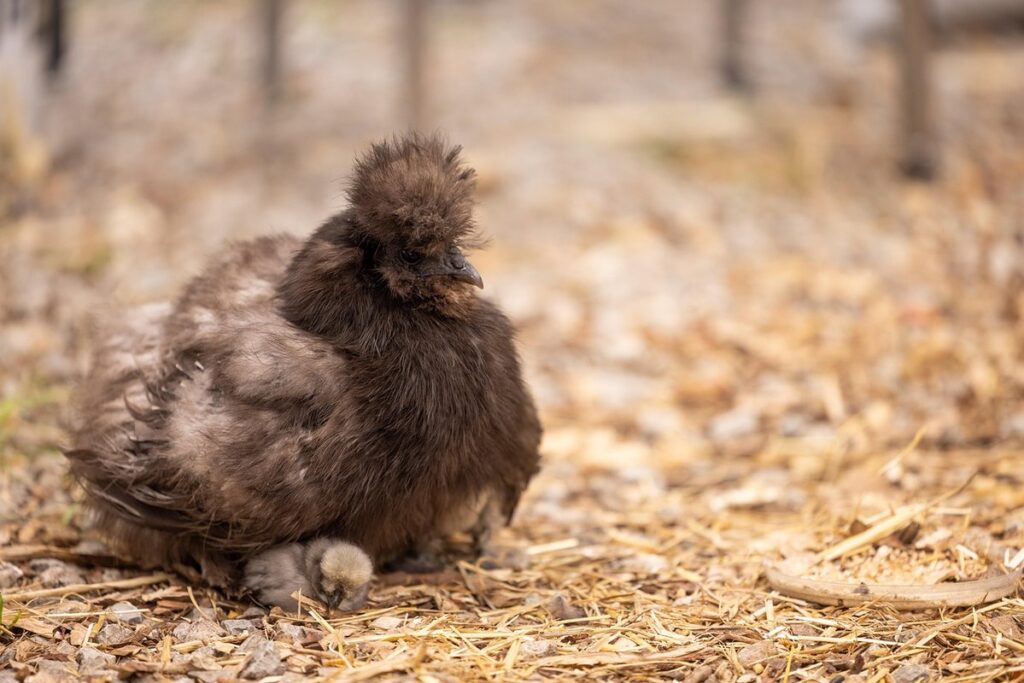
Silkies have some very distinct characteristics that set them apart from other chicken breeds, and understanding these needs is crucial for providing the best care. Let’s dive into what makes Silkies so unique.
The Importance of Temperament and Handling
Silkies are known for their gentle and affectionate nature, making them an excellent choice as pets. However, this unique temperament also requires special handling to ensure they feel comfortable and secure around humans. Understanding their temperament is crucial for building trust with your Silkie bantam chicken.
To build a strong bond with your Silkies, it’s essential to approach them calmly and gently. Avoid sudden movements or loud noises, as these can startle them and cause stress. When handling your Silkies, support their body and lift them securely, making sure not to pick them up by their legs or tail feathers. This gentle handling will help your Silkie feel safe and secure in your presence.
In the early stages of handling, it’s common for Silkies to flail their wings or struggle when picked up. Be patient and let them adjust to your touch at their own pace. With consistent and gentle interaction, your Silkie will learn to trust you and enjoy being handled.
Recognizing Health Issues in Silkies
Silkies are known for their fluffy, soft feathers and gentle nature, but they can be prone to certain health issues that are unique to their breed. As a Silkie owner, it’s essential to recognize the signs of potential problems early on to provide the best care possible.
Frostbite is one issue that Silkies may face in cold weather. Their fluffy feathers may look adorable, but they also make them more susceptible to frostbite on extremities like combs and wattle. Look for signs like pale or discolored skin, swelling, or even necrosis (death of tissue). Keep an eye on your Silkie’s temperature and take extra precautions during harsh winters.
Another issue is feather pecking, which can occur when Silkies are kept with other breeds or in crowded environments. Monitor their behavior for excessive pecking at each other’s feathers. Respiratory problems, such as tracheal stenosis, are also common in Silkies due to their compact chests and narrow airways. Listen for labored breathing, wheezing, or coughing sounds.
By being aware of these potential health issues and keeping a close eye on your Silkie’s behavior and physical condition, you can catch any problems early on and provide the necessary care to ensure they live happy, healthy lives. Regular checks with a veterinarian will also help identify any underlying conditions before they become severe.
Providing a Suitable Environment
When it comes to providing a suitable environment for your Silkie bantam chickens, understanding their unique climate and living conditions is crucial. Silkies are sensitive to extreme temperatures, so it’s essential to keep them in an area with moderate temperatures between 40°F to 80°F (4°C to 27°C). Avoid placing their coop or enclosure near drafts or air conditioning vents.
Maintaining a humid environment can be beneficial for Silkies, especially during the winter months. A humidity level of around 50-60% is ideal, but this can vary depending on your climate and region. You can achieve this by adding a damp sponge to their coop or using a humidifier specifically designed for poultry.
When it comes to space requirements, Silkies need plenty of room to roam, stretch, and exercise. Provide at least 2-3 square feet of floor space per bird in the coop, and make sure the enclosure is secure and predator-proof. Consider adding some enrichment activities, such as scratching posts or foraging toys, to keep your Silkies entertained and stimulated. By providing a comfortable and spacious environment, you’ll be able to keep your Silkie bantam chickens happy and healthy.
Nutrition and Diet
When it comes to feeding your silkie bantam chickens, providing a balanced diet is crucial for their overall health and happiness. In this section, we’ll cover the essential nutrition requirements.
Balancing Protein and Calcium Intake
Silkies require a balanced diet that’s rich in protein and calcium to maintain their unique coat and overall health. A diet lacking these essential nutrients can lead to problems such as feather molting, brittle beaks, and even bone deformities. To ensure your Silkies get what they need, focus on providing high-quality feed or supplements.
When choosing a commercial chicken feed, look for products that have a balanced protein-to-calciu ratio of around 1:2.5 to 1:3. For example, if the feed contains 20% protein, it should also contain around 50-60% calcium. You can also supplement their diet with crushed oyster shells or dark leafy greens like kale and spinach, which are rich in calcium.
A good rule of thumb is to provide a mix of grains, proteins, and vegetables to create a well-rounded diet. For example, you could feed them 50-60% commercial feed, 10-20% protein sources (like mealworms or crickets), and 30-40% fruits and veggies. By following these guidelines, you’ll be providing your Silkies with the nutrients they need to thrive.
Offering Treats and Fruits Safely
When it comes to introducing treats and fruits into your silkie bantam’s diet, it’s essential to do so safely and in moderation. Silkies are prone to obesity, so overindulging them with tasty morsels can lead to health issues.
Start by offering small amounts of fresh fruits like berries, sliced apples, or chopped carrots. Some safe options include:
• Apples (but remove seeds and core)
• Bananas
• Berries (strawberries, blueberries, raspberries)
• Carrots
As for treats, stick to nutrient-rich options like:
• Mealworms
• Sunflower seeds
• Oats
• Whole wheat bread crumbs
When introducing new foods, do it gradually to prevent digestive upset. Begin by mixing a small amount with their regular feed and observe your silkie’s response. If they seem hesitant or show signs of discomfort, discontinue the offering.
Remember, treats should not make up more than 10% of their daily diet. Always prioritize high-quality commercial layer pellets as the main staple of their nutrition. By following these guidelines, you can safely indulge your silkie bantam with healthy treats and fruits while maintaining a balanced diet.
Avoiding Common Nutrition Mistakes
When it comes to feeding your Silkie Bantams, there are several common mistakes to avoid. One of the most significant errors is overfeeding, which can lead to a range of health problems including obesity, diabetes, and heart disease. Silkies have a tendency to overeat due to their friendly and docile nature, making it essential for you to keep an eye on their food intake.
On the other hand, underfeeding can also be detrimental to your Silkie’s health. This can lead to weakened immunity, reduced egg production, and even organ failure. So, how do you strike a balance? Start by determining your Silkie’s ideal weight based on its breed standard. Then, divide their daily caloric needs into 3-4 meals to prevent gorging.
Another mistake to avoid is providing table scraps or low-quality feed. While it may seem convenient to give your Silkie treats from the dinner table, this can lead to nutritional imbalances and even poisoning. Stick to a high-quality commercial feed specifically formulated for chickens.
Health Checks and Preventative Care
Regular health checks are essential for keeping your silkie bantam flock healthy, so let’s go over some tips to keep them in top condition. This includes monitoring their weight, droppings, and behavior.
Conducting Regular Health Checks
Conducting regular health checks on your Silkies is crucial to detect any potential issues early on. This will not only ensure their overall well-being but also prevent the spread of diseases within the flock. When conducting a health check, start by gently lifting each bird and inspecting its eyes for signs of redness, discharge, or squinting.
Next, examine the beak, looking for any cracks, chips, or misalignment. A damaged beak can lead to feeding difficulties and discomfort. Also, check the overall condition of the feathers – they should be clean, dry, and well-groomed. A dirty or matted coat can indicate a skin infection.
During the health check, also pay attention to any changes in behavior or appetite. If you notice any unusual signs, such as lethargy, loss of appetite, or changes in droppings, consult with a veterinarian experienced in poultry care immediately. Regular health checks will help you identify potential issues before they become major problems, ensuring your Silkies live happy and healthy lives.
Vaccinations and Medications
As a responsible silkie bantam chicken owner, it’s essential to prioritize their health and take preventive measures against diseases. Vaccinations play a crucial role in protecting your flock from various illnesses, but not all chickens require vaccinations.
For example, if you live in an area with low disease prevalence, the risk of exposure may be minimal. However, if you’re located near other farms or have frequent visitors to your property, vaccination might be necessary. Consult with a veterinarian experienced in poultry care to determine the best course of action for your flock.
When administering vaccinations or medications, it’s crucial to follow the manufacturer’s instructions and guidelines from a veterinarian. Always handle medications safely by washing your hands before and after use, and ensure the correct dosage is administered to each bird.
It’s also vital to keep accurate records of vaccinations and medication administration, including dates and quantities given. This will help you monitor your flock’s health and detect any potential issues early on.
Keeping Your Flock Healthy Through Biosecurity
When it comes to caring for your Silkie Bantam chickens, maintaining a healthy flock through proper hygiene practices is crucial. Biosecurity refers to the measures taken to prevent disease and infection within your chicken coop. This involves creating a clean environment that minimizes the risk of illness.
To establish good biosecurity habits, start by cleaning your coop regularly. Remove soiled bedding, replace it with fresh material, and disinfect all surfaces with a solution of one part white vinegar to nine parts water. Also, keep your flock’s living area well-ventilated to reduce ammonia buildup from their droppings.
Another essential aspect of biosecurity is controlling external influences that can bring disease into the coop. Avoid direct contact between visitors and your birds, and make sure to clean their shoes or boots before entering the coop. Prevent rodents and other pests from entering the coop by sealing any openings and keeping it free of debris. By following these simple steps, you’ll be able to maintain a healthy and thriving flock.
Breeding and Showing Silkies
If you’re a seasoned chicken enthusiast, you might be interested in breeding your own Silkie bantams to show at local poultry clubs. This section covers the essential details for successful Silkie breeding and showing.
Understanding Silkie Genetics
Understanding the genetic makeup of your Silkie bantam chickens is crucial when breeding them. Genetics play a significant role in determining their appearance, temperament, and overall health. Silkies are known for their unique characteristics, such as their fluffy feathers, beards, and muffs. However, these traits can vary greatly from one bird to another.
When breeding Silkies, it’s essential to consider factors that affect their appearance, including feather type, length, and color. The genetics of their temperament also come into play, with some Silkies being more docile and friendly while others are more energetic and skittish. Understanding these genetic traits can help you make informed decisions when selecting breeding stock.
For example, if you’re looking to breed Silkies with exceptional feather quality, you’ll want to focus on birds with high-quality feathers in their lineage. Similarly, if you want to create a flock of calm and friendly Silkies, you should select birds that exhibit these traits. By understanding the genetic makeup of your Silkie bantam chickens, you can take steps towards creating a healthier, more harmonious flock.
Selecting Quality Breed Stock
When selecting quality breed stock for your Silkie flock, it’s essential to identify characteristics that ensure healthy and robust offspring. Look for breeders who have a proven track record of producing Silkies with excellent temperament, feather quality, and overall health. Research the breeder’s reputation online, read reviews, and ask for referrals from other Silkie enthusiasts.
When evaluating potential breeders, consider factors such as:
* The breeder’s experience and knowledge of Silkies
* The condition and cleanliness of their facilities
* The temperament and behavior of their adult birds
* The feather quality and density of their chickens
* The availability of health guarantees and support
A reputable breeder will prioritize the well-being of their birds, ensuring they are well-cared for and free from disease. They should also be transparent about the genetics and ancestry of their breeding stock, allowing you to make informed decisions about your flock’s health and performance. By selecting high-quality breed stock, you’ll set your Silkie flock up for success and create a strong foundation for generations to come.
Preparing Your Silkie for Showing
If you’re planning to show off your silkie’s best features, it’s essential to prepare them for the spotlight. Grooming is a crucial aspect of this process, as Silkies have a tendency to mat and tangle their feathers easily. To prevent this, brush your bird regularly, paying extra attention to areas prone to tangling such as the neck, back, and tail.
In addition to grooming, training is also vital for showing success. Teach your Silkie to walk on a leash and stand calmly in its carrier. This will help you present it confidently at the show ring. You can also start acclimating your bird to new environments by gradually introducing it to different settings.
Behavior modification is another critical aspect of preparing your Silkie for showing. Encourage good behavior, such as staying calm in crowded areas and not pecking at judges’ hands. Reward desired actions with treats and praise, just like you would train a pet dog.
Common Questions and Troubleshooting
When it comes to caring for your Silkie Bantam chickens, you might encounter some unexpected issues. This section addresses common questions and troubleshooting tips to get you back on track.
Addressing Health Issues and Injuries
Silkies are prone to certain health issues and injuries due to their unique characteristics. Frostbite is a common problem during cold weather, especially if the flock doesn’t have access to shelter. Keep an eye on your birds’ combs and toes for signs of frostbite – pale or grayish discoloration indicates freezing damage. If you notice any of these symptoms, bring the bird inside immediately and warm it up slowly.
Wing damage is another issue that may arise from improper roosting or fighting within the flock. To prevent wing injuries, ensure each bird has a sufficient roosting bar to perch on comfortably without straining its wings. You can also provide extra enrichment activities like puzzle toys filled with treats to keep them engaged and active.
In case of any injury or health issue, it’s essential to consult an avian veterinarian experienced in caring for Silkies. They will be able to diagnose the problem accurately and provide guidance on the best course of treatment. Regular monitoring of your flock’s overall health is crucial to identifying potential issues before they become severe.
Managing Aggressive Behavior
Managing aggressive behavior in Silkies can be challenging due to their gentle nature. However, when they feel threatened, territorial, or stressed, they may exhibit aggressive behavior. Recognize the signs of stress and anxiety in your Silkie Bantams, such as increased vocalization, feather plucking, and pacing. These behaviors can escalate quickly, so it’s essential to address them promptly.
To resolve conflicts, start by identifying the source of aggression. Is it a resource competition for food or water? Do they feel territorial about their nesting box or roosting area? Once you’ve identified the issue, implement strategies to alleviate stress and provide separate resources for your flock members. For example, consider dividing their living space or providing additional feeders to reduce competition.
Some tips for managing aggressive behavior include:
• Monitor their environment closely to identify potential triggers
• Provide adequate space and resources for each bird
• Introduce new birds gradually to prevent territorial conflicts
• Offer enrichment activities to stimulate their minds and reduce boredom
Frequently Asked Questions
How often should I check my Silkie Bantam’s health, especially considering their susceptibility to respiratory issues?
Regular health checks are essential for Silkies, which can be prone to health problems like respiratory issues and Marek’s disease. It’s recommended to conduct a weekly check of your flock’s overall health, paying close attention to any changes in behavior or physical condition. This includes checking the bird’s droppings, feather condition, and overall energy levels.
Can I raise Silkies alongside other chicken breeds, or do they require separate housing?
While it’s possible to raise Silkies with other breeds, providing a suitable environment for them is crucial. Silkies are social birds and prefer being in a flock, but their specific needs should be considered when integrating them into an existing coop. Ensure the coop has enough space and a balanced climate to accommodate both breeds.
What are some common mistakes new Silkie owners make regarding nutrition and diet?
New Silkie owners often overlook the importance of providing a balanced calcium intake for strong bone growth. Silkies require around 2-3% calcium in their feed, which can be challenging to achieve without consulting a veterinarian or poultry expert. Additionally, overfeeding on treats can lead to health issues like obesity.
How do I handle my Silkie’s aggression when it becomes defensive during handling?
Silkies can become aggressive if not handled gently and carefully from an early age. If your Silkie exhibits defensive behavior, try gradually increasing handling time while maintaining a calm demeanor. Avoid sudden movements or loud noises, as these can exacerbate the issue.
Can Silkies be kept in backyard flocks with small children, considering their gentle nature?
While Silkies are generally friendly and affectionate, they may not always tolerate young children’s rough play or handling. To ensure the well-being of both your Silkie and child, supervise interactions closely and teach children how to approach and handle chickens gently and respectfully.