
Are you thinking of adding some new feathered friends to your backyard flock? The Speckled Sussex is an excellent choice, with its unique blend of charm and productivity. But before you bring one home, it’s essential to understand their traits and needs. This breed has a rich history, originating in England, where they were prized for their eggs as well as their affectionate nature. In this article, we’ll delve into the characteristics that make Speckled Sussex chickens stand out – from their distinctive speckled feathers to their impressive egg-laying abilities. We’ll also explore their temperament and needs, so you can decide if they’re the right fit for your farm or backyard flock. By the end of this article, you’ll be well-equipped to determine whether the Speckled Sussex is the perfect addition to your family.
Introduction to Speckled Sussex Chickens
If you’re considering bringing home a new flock, let’s start by exploring the wonderful characteristics of the Speckled Sussex breed. This section will delve into their unique traits and what makes them such lovable backyard companions.
Origin and History of the Breed
The Speckled Sussex chicken breed has its roots in England, where it originated in the late 19th century. This beautiful breed was developed by crossing various local breeds with the Old English Game fowl to create a stunning and hardy bird. The Speckled Sussex’s rich history is a testament to its adaptability and charm.
One of the earliest recorded mentions of the Speckled Sussex dates back to 1839, when it was exhibited at the London Poultry Club Show. However, it wasn’t until the late 1800s that the breed gained popularity among poultry enthusiasts. The Speckled Sussex’s unique characteristics, such as its speckled feathers and friendly temperament, made it a favorite among backyard farmers.
Today, the Speckled Sussex is recognized by most major poultry associations worldwide, including the American Poultry Association (APA) and the British Poultry Standards. Its gentle nature and high egg production make it an excellent choice for small-scale farmers and homesteaders looking to raise a hardy and versatile breed.
Physical Characteristics and Appearance
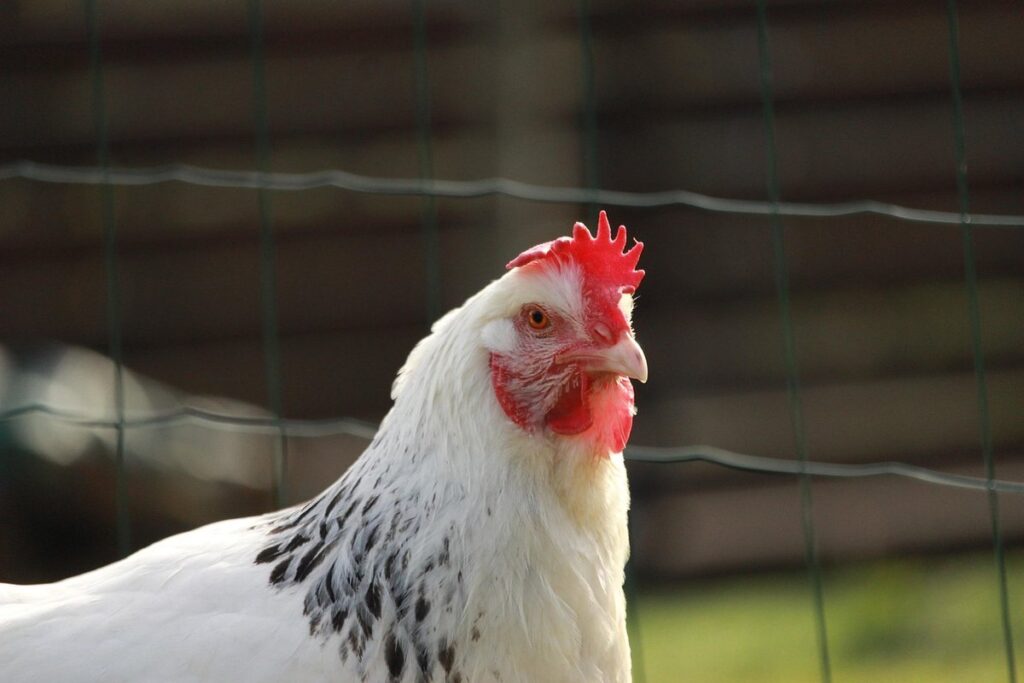
Speckled Sussex chickens are easily recognizable due to their unique physical characteristics. One of the most distinctive features is their plumage, which consists of a mix of golden-brown feathers with speckles of dark brown and black. The overall effect is a mottled or flecked appearance that gives the breed its name.
In terms of size, Speckled Sussex chickens are considered to be medium-sized birds. Hens typically weigh between 4-5 pounds (1.8-2.3 kg) while roosters tend to be slightly larger, weighing around 5-6 pounds (2.3-2.7 kg). Beak shape is also a notable feature, with Speckled Sussex chickens having a medium-length beak that is relatively straight and strong.
The breed’s size and build make them well-suited for free-range or pasture-raised living situations. Their moderate weight means they are not as large as some other breeds but still substantial enough to command respect.
Temperament and Personality
When it comes to living with Speckled Sussex chickens, understanding their temperament and personality is essential for building a harmonious flock and ensuring a happy coop environment for both you and your birds. Let’s dive into what makes them tick!
Docile Nature and Temperament Traits
When it comes to temperament, the Speckled Sussex chicken breed is renowned for its docile nature and exceptional calmness. This makes them an excellent choice for families with children, as well as for backyard flocks where social interaction is key.
One of the most notable traits of the Speckled Sussex is their friendly demeanor towards humans. They are known to be approachable, gentle, and even affectionate at times. Many owners have reported that their Speckled Sussex hens will follow them around the yard, eager for attention and treats.
In terms of adaptability, the Speckled Sussex is incredibly versatile. They thrive in a variety of environments, from small backyards to large farms, and can tolerate both hot and cold climates. This adaptability makes them an ideal choice for homesteaders or anyone looking to start their first flock.
To encourage a calm and friendly temperament in your Speckled Sussex chickens, provide them with plenty of space to roam and exercise, as well as a balanced diet that includes fresh fruits and vegetables. With proper care and attention, these gentle girls will reward you with years of companionship and egg-laying excellence.
Trainability and Socialization Needs
When it comes to socialization and trainability, Speckled Sussex chickens are often described as being relatively easy-going and docile. This makes them an excellent choice for families with children or first-time chicken keepers.
However, like all breeds of chickens, they do require proper introduction and handling from a young age to become confident and trusting adults. Start by spending quality time with your chicks, handling them gently but frequently, and exposing them to new sights, sounds, and environments.
As your Speckled Sussex flock matures, continue to reinforce socialization efforts through regular interaction, including grooming, feeding, and playtime. This will help establish a strong bond between you and your chickens, making it easier to perform routine tasks like nail trimming, beak maintenance, and even medicating if needed.
Remember that consistency is key when building trust with your flock. Stick to a routine schedule for feeding, cleaning, and handling to avoid startling or stressing out your birds. By investing time and effort into socialization and training, you’ll be rewarded with friendly, approachable companions who will thrive under your care.
Egg-Laying Capacity and Characteristics
When it comes to egg-laying, Speckled Sussex chickens are known for their impressive productivity, producing a significant number of eggs per year. Let’s take a closer look at what you can expect from these prolific layers!
Average Daily Egg Production
When it comes to egg-laying capacity, the Speckled Sussex chicken is known for its moderate production. On average, a healthy Speckled Sussex hen will lay around 200-220 eggs per year, with an average of 5-6 eggs per week or about 7-8 eggs per month. This means that you can expect to collect around 3-4 eggs from your flock every day.
It’s worth noting that egg production can vary depending on factors such as diet, health, and living conditions. A Speckled Sussex hen will typically begin laying eggs at around 18-20 weeks of age and will reach their peak production between 1-2 years of age. With proper care and management, some Speckled Sussex hens have been known to lay up to 250 eggs per year.
To maximize egg production in your Speckled Sussex flock, make sure to provide them with a balanced diet that includes plenty of protein, calcium, and other essential nutrients. Also, ensure they have access to fresh water at all times and maintain a clean and comfortable living environment.
Egg Size, Shape, and Color
When it comes to the eggs laid by Speckled Sussex chickens, you can expect them to be medium-sized, with an average weight of about 180-200 grams. The shape is typically oval and smooth, making them easy to handle and transport.
The color of the eggs is usually a light brown or beige hue, ranging from a pale cream to a dark chocolate tone. Some chickens may lay eggs with subtle speckles or flecks, but these are not as common as you might think.
Notable patterns or markings on Speckled Sussex eggs are relatively rare, but some breeders have reported seeing eggs with small brown spots or irregular patches. These eggs are truly unique and can be a delightful surprise for backyard chicken keepers.
In terms of egg production, Speckled Sussex hens are known to lay around 180-200 eggs per year, making them a reliable choice for families who rely on their flock for fresh eggs. If you’re looking to start raising your own Speckled Sussex chickens, be sure to prioritize a balanced diet and proper care to ensure optimal egg production.
Health and Nutrition Considerations
When it comes to owning Speckled Sussex chickens, ensuring their health and nutrition is crucial for their well-being and productivity. This section highlights key considerations to keep your flock thriving.
Common Health Issues and Genetic Factors
As you consider bringing Speckled Sussex chickens into your backyard flock, it’s essential to understand the potential health issues that may affect them. These birds are generally hardy and adaptable, but like all breeds, they can be susceptible to certain diseases and genetic disorders.
One common issue affecting many chicken breeds, including the Speckled Sussex, is Marek’s disease, a viral condition that attacks the nervous system. Vaccination is available for this disease, so it’s crucial to work with a reputable breeder who has taken steps to protect their flock.
Genetic factors can also play a role in health issues. For example, some Speckled Sussex chickens may be prone to ectropion, a condition where the eyelids don’t close properly due to loose skin. While this issue is typically not serious, it can cause discomfort and require regular cleaning of the eyes.
To minimize your flock’s risk of developing these conditions, focus on maintaining good hygiene practices, providing a balanced diet, and ensuring adequate ventilation in your coop. Regular health checks with a veterinarian experienced in poultry care will also help you identify potential issues early on.
Dietary Needs and Nutritional Requirements
When it comes to maintaining the overall health of your speckled sussex chickens, their dietary needs are crucial. These birds require a balanced diet that meets their specific nutritional requirements.
A good quality layer feed should be the main staple of your speckled sussex’s diet. However, it’s also essential to consider adding supplements to ensure they get all the necessary nutrients. You can add calcium and phosphorus-rich foods like crushed eggshells or oyster shells to support strong bone development and eggshell production.
In terms of special considerations, it’s worth noting that speckled sussex chickens are prone to obesity if overfed. Therefore, be sure to monitor their food intake and adjust accordingly to maintain a healthy weight. A good rule of thumb is to provide about 1/4 pound of feed per chicken per day, depending on age and activity level.
Additionally, make sure to provide fresh water at all times and consider adding probiotics or electrolyte supplements during hot weather or periods of high stress to prevent digestive issues.
Breeding and Raising Tips
If you’re considering bringing Speckled Sussex chickens into your flock, understanding their breeding and raising needs is crucial for success. In this next part, we’ll delve into these essential tips.
Choosing Healthy Breeders and Roosters
When selecting healthy breeding stock for your Speckled Sussex flock, it’s essential to prioritize genetics that promote overall health and well-being. A good place to start is by evaluating the bird’s conformation and body type. Look for birds with a sturdy build, strong legs, and a well-feathered back. This not only ensures they can withstand the stresses of breeding but also increases their chances of passing on these desirable traits to their offspring.
Genetic diversity is another crucial factor to consider when choosing breeders and roosters. Aim to maintain a diverse gene pool by introducing new bloodlines every few generations. This helps prevent inbreeding, which can lead to inherited conditions such as Marek’s disease or other genetic disorders. Research the bird’s ancestry and look for evidence of health testing and certification from reputable organizations.
When evaluating potential breeders and roosters, inspect their feathers, skin, and eyes for signs of illness or injury. A healthy Speckled Sussex should have shiny, well-maintained plumage and a bright, inquisitive eye. Be wary of birds with excessive feather loss, scaly legs, or other visible health issues. By prioritizing genetic diversity and health, you’ll be more likely to produce strong, healthy offspring that thrive in your flock.
Nurturing Chicks from Hatch to Maturity
Nurturing young speckled Sussex chicks from hatch to maturity requires attention to their nutritional needs, regular health checks, and effective management strategies. From the moment they emerge from the incubator, it’s essential to provide a warm and draft-free environment with adequate ventilation.
A starter feed specifically formulated for young chickens should be introduced within the first 24 hours of hatching, along with access to fresh water at all times. The ideal temperature range for chicks is between 90-95°F (32-35°C) during the first week, gradually decreasing by 5-10°F (3-6°C) per week until they reach adulthood.
Regular health checks are crucial in identifying any potential issues early on. Monitor their stool quality, droppings, and overall behavior to catch any signs of illness or stress. Additionally, provide a balanced and nutritious diet that meets the needs of your speckled Sussex chickens at each stage of growth.
Conclusion: Why Keep Speckled Sussex Chickens?
Now that you’ve learned all about the unique traits of speckled sussex chickens, let’s explore why these birds are worth keeping in your backyard flock. Their many charms make them a popular choice among chicken enthusiasts.
Benefits for Small-Scale Farmers and Hobbyists
For small-scale farmers and hobbyists, keeping Speckled Sussex chickens can be an incredibly rewarding experience. One of the main benefits is their adaptability to small spaces. Unlike larger breeds that require extensive land and resources, Speckled Sussex chickens are happy to thrive in backyard flocks or even smaller urban settings.
Their ability to survive on minimal resources makes them ideal for those with limited space or budget constraints. They’re also relatively low-maintenance compared to other breeds, requiring less feed and care overall. This means you can enjoy the benefits of raising your own chickens without breaking the bank or sacrificing valuable land.
In terms of practical application, consider starting with a small flock of 3-5 birds to begin with. This will allow you to test the waters and see how well they adapt to their new environment before scaling up. With proper care and attention, Speckled Sussex chickens can provide an abundance of fresh eggs and entertainment for years to come.
Adding Value with Heritage Breed Preservation
As you’ve learned about the unique traits of Speckled Sussex chickens, it’s essential to consider their importance beyond the farm. Preserving heritage breeds like the Speckled Sussex contributes significantly to biodiversity and agricultural sustainability.
Heritage breeds have been carefully developed over centuries for their specific characteristics, such as foraging ability or cold hardiness. These traits are often lost in modern commercial chicken lines prioritized for fast growth and high egg production. By keeping speckled Sussex chickens, you’re not only enjoying a delicious homegrown product but also helping to safeguard the genetic diversity of poultry.
In reality, many heritage breeds are on the brink of extinction due to their low demand and lack of breeders willing to carry on their legacy. This is where your efforts as a backyard chicken keeper can make a difference. By raising Speckled Sussex chickens or supporting breeders who specialize in these birds, you’re helping to maintain the gene pool for future generations.
This preservation effort benefits not only poultry but also the environment. Biodiverse farms and ecosystems are more resilient to pests, diseases, and climate change, making them better equipped to withstand challenges. By promoting heritage breeds like Speckled Sussex chickens, you’re contributing to a more sustainable agricultural system that prioritizes ecological balance over short-term gains.
Frequently Asked Questions
How do I determine if the Speckled Sussex breed is a good fit for my small-scale farm or backyard flock?
Consider your climate, available space, and existing flock dynamics when deciding on this breed. The Speckled Sussex excels in cooler temperatures but may not thrive in extremely hot climates. Ensure you have enough room to accommodate their moderate egg-laying needs and social requirements.
Can I keep a single Speckled Sussex chicken as a pet, or do they require a larger flock?
While it’s possible to keep one Speckled Sussex chicken, they are social birds that benefit from the companionship of other hens. Keeping them alone can lead to boredom and behavioral issues. If you’re set on keeping a single bird, consider introducing another breed to provide interaction.
How do I handle common health issues in my Speckled Sussex flock?
Regular health checks, proper nutrition, and adequate living conditions are crucial for maintaining your flock’s overall well-being. Monitor your birds for signs of disease or genetic issues, such as broodiness, egg binding, or reproductive problems. Consult with a veterinarian experienced in poultry care to develop a preventative health plan.
What’s the best way to integrate new Speckled Sussex chickens into an existing flock?
Gradual introduction is key when integrating new birds. Start by keeping them separate for a few days before allowing supervised interaction. Monitor their behavior and adjust the integration process as needed. A smooth transition will help minimize stress on both old and new birds.
Can I breed my own Speckled Sussex chickens, or should I purchase from reputable breeders?
Breeding your own flock can be rewarding but requires knowledge of genetics, reproductive health, and husbandry practices specific to this breed. Consider working with experienced breeders who have a proven track record in producing healthy, high-quality stock. If you’re new to breeding, start by building relationships with local breeders or experts in the field.