
If you’re anything like me, there’s nothing quite like the thrill of adding some new feathered friends to your backyard flock. But if you’re considering bringing home an Easter Egger, it’s essential to do your research and make informed decisions about their care and management. These charming birds are known for their vibrant eggs in shades of blue, green, and pink – but what makes them tick? How often can you expect them to lay eggs? And how do you keep them happy and healthy in the long term?
In this comprehensive guide, we’ll delve into all things Easter Egger, covering their unique characteristics, impressive egg-laying abilities, and specific care requirements. Whether you’re a seasoned chicken owner or just starting out, this article has got you covered from choosing the right breed to troubleshooting common issues and beyond. By the end of our journey together, you’ll be well-equipped to provide your Easter Egger with the best possible life.
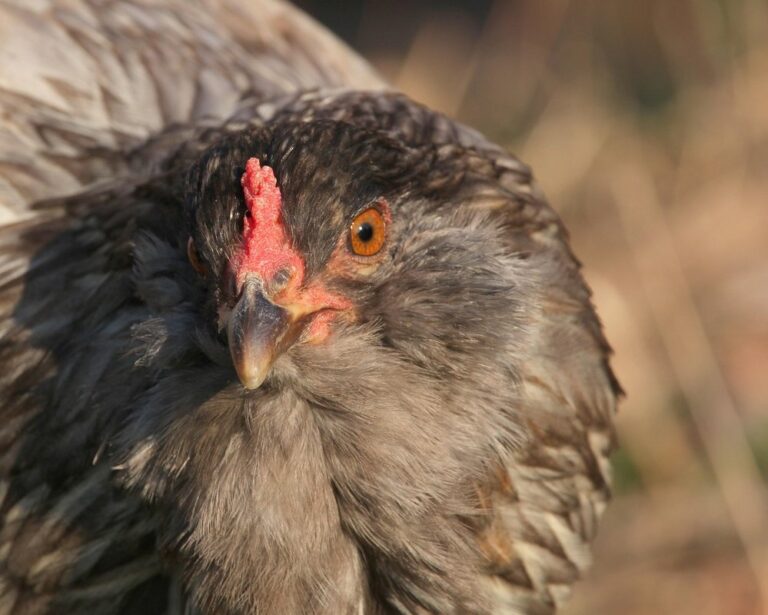
What are Easter Egger Chickens?
Easter Egger chickens may look familiar, but have you ever wondered what makes them so special and why they’re often referred to as a “hybrid” breed. Let’s dive in and explore their unique characteristics.
Characteristics of Easter Eggers
Easter Eggers are known for their unique characteristics that set them apart from other chicken breeds. In terms of temperament, they are often described as friendly, outgoing, and affectionate. Many owners report that Easter Eggers are great with children and can even be quite playful, making them a wonderful addition to families with kids.
In terms of size, Easter Eggers tend to be medium to large-sized birds, although there is some variation within the breed. On average, roosters will weigh around 8-12 pounds, while hens will weigh between 6-10 pounds. Despite their larger size, they are relatively easy to manage and care for.
One of the most notable characteristics of Easter Eggers is their egg-laying ability. As a hybrid breed, they can inherit traits from either Ameraucana or Araucana parents, which means that some individuals may lay blue eggs, while others will produce green or pink eggs. On average, an Easter Egger hen will lay around 200-300 large brown eggs per year, making them a great choice for backyard chicken keepers who want a consistent and reliable egg supply.
Origins and History of Easter Eggers
Easter Eggers have become increasingly popular among backyard chicken keepers in recent years. The breed’s origins and history are shrouded in mystery, but one thing is certain: they owe their name to their unique genetic trait of laying blue or green eggs.
It’s believed that the first Easter Eggers were developed by crossing American breeds like Ameraucanas and Araucanas with other popular egg-laying birds. These early breeders aimed to create a chicken that would not only produce a multitude of eggs but also offer a twist on the traditional brown or white eggshell color. By tapping into the genetic diversity of these South American imports, they successfully created a bird capable of laying blue or green eggs.
While Easter Eggers aren’t recognized as a distinct breed by most major poultry associations, their popularity is undeniable. Many backyard chicken enthusiasts love them for their striking egg-laying abilities and low-maintenance nature. If you’re considering adding an Easter Egger to your flock, be prepared for the possibility of some surprises – after all, with this breed comes the thrill of not knowing exactly what color eggs you’ll get each day!
Choosing the Right Easter Egger Breed for You
With so many breeds to choose from, selecting the perfect Easter Egger breed can be overwhelming, but we’re here to guide you through the process. Let’s dive into the key characteristics to consider when making your decision.
Factors to Consider When Selecting an Easter Egger
When selecting an Easter Egger breed, there are several factors to consider that go beyond just their egg-laying abilities. One of the most notable aspects is egg color and size. While many people associate Easter Eggers with blue eggs, they can actually lay a range of colors, including green, pink, olive, and even copper.
In addition to egg color, you’ll also want to consider the size of the eggs your Easter Egger lays. Some breeds are known for producing large, extra-large or even jumbo eggs, while others may lay smaller eggs.
Feather type is another important consideration when choosing an Easter Egger breed. Do you prefer a bird with soft, fluffy feathers or one with hard, glossy plumage? Some breeds, like the Ameraucana, have a distinctive bearding effect around their faces and legs, while others, like the Araucana, have a more subdued appearance.
Ultimately, the right Easter Egger breed for you will depend on your personal preferences and needs. Do some research and consider what characteristics are most important to you in an egg-laying bird. With so many breeds to choose from, you’re sure to find one that fits the bill!
Popular Easter Egger Breeds: Pros and Cons
Easter Eggers are known for their unique ability to lay blue or green eggs, but did you know that different breeds have distinct characteristics? When choosing the right Easter Egger breed for you, it’s essential to consider the pros and cons of each. Let’s take a closer look at some popular breeds.
Ameraucana is a popular choice among Easter Egger enthusiasts due to its laid-back nature and cold hardiness. However, they can be flighty and require regular exercise. On the other hand, their unique genetics make them ideal for small-scale farmers looking to add some egg-cellent variety to their flock.
Another popular breed, Araucana, is known for its high egg production but requires more attention due to its energetic nature. They thrive in warmer climates but can be sensitive to cold temperatures.
If you’re a beginner farmer, consider the Easter Egger’s gentle giant, Easter Barred. These birds are easy-going and friendly, making them perfect for small farms or homesteads with children. However, they may not be as prolific egg layers as other breeds.
Ultimately, the right Easter Egger breed for you will depend on your specific needs and preferences. Consider factors like climate, space, and desired egg production when choosing a breed that suits your lifestyle.
Caring for Your Easter Eggers: Nutrition and Health
When it comes to keeping your Easter Egger flock happy and healthy, a well-balanced diet is essential. We’ll walk you through their nutritional needs and common health issues to watch out for.
Providing the Right Nutrition for Your Easter Eggers
When it comes to providing the right nutrition for your Easter Eggers, it’s essential to understand their unique dietary needs. As a cross between an Ameraucana and an Araucana, these chickens are known for their high egg production, which can put them at risk for nutritional deficiencies if not managed properly.
A balanced diet for Easter Eggers should include a mix of grains, proteins, and calcium-rich foods to support their egg-laying abilities. A good quality layer feed that is formulated specifically for poultry is the best place to start. However, be sure to supplement with fresh fruits and vegetables daily, as they are rich in vitamins and minerals that may be lacking in commercial feeds.
It’s also crucial to provide access to clean water at all times, and make sure it’s free from contaminants like bacteria and mold. A general rule of thumb is to provide 1/4 cup of water per pound of body weight per day. For example, a healthy adult Easter Egger will need about 1-2 cups of water daily.
As an added bonus, consider adding oyster shells or crushed eggshells to their diet, which are rich in calcium and can help support strong eggshell production.
Common Health Issues in Easter Eggers and How to Prevent Them
Easter Eggers are known for their remarkable egg-laying abilities and vibrant feathers, but they’re not immune to common health issues. As an Easter Egger owner, it’s essential to be aware of the potential problems that can affect your flock.
One common issue affecting Easter Eggers is respiratory problems. This can be caused by dust accumulation in the coop or poor ventilation. To prevent this, ensure good airflow in the coop and maintain a clean environment by regularly cleaning out droppings and old bedding. Regular vaccinations and health checks with a veterinarian will also help identify any underlying issues.
Another issue is feather pecking, which occurs when birds become stressed and begin to peck at each other’s feathers. This can lead to injuries and infections. To prevent feather pecking, provide your Easter Eggers with plenty of space to roam and engage in natural behaviors like foraging. You should also ensure they’re receiving a balanced diet that meets their nutritional needs.
Mites and lice are another common problem affecting Easter Eggers. These external parasites can be prevented by regularly cleaning the coop and birds, as well as using diatomaceous earth or other natural deterrents.
As an owner, it’s crucial to monitor your Easter Eggers’ behavior and health closely, looking for signs of illness such as changes in appetite, lethargy, or difficulty breathing. Regular health checks with a veterinarian will help identify any potential issues early on, allowing you to take preventative measures and provide the best possible care for your flock.
By being proactive and taking steps to prevent these common health issues, you can help ensure your Easter Eggers live long, healthy lives.
Egg Laying: What to Expect from Your Easter Egger Chickens
As you wait for your Easter Egger chicks to grow, it’s natural to wonder when and how they’ll start laying eggs. In this section, we’ll cover what to expect from their egg-laying abilities.
Understanding the Egg-Laying Cycle of Easter Eggers
As an Easter Egger owner, understanding the egg-laying cycle of your flock is crucial to maximizing their productivity. The first year of production is typically the most challenging for Easter Eggers, with many not laying eggs until around 5-6 months of age. Factors such as diet and light exposure play a significant role in influencing egg production.
A balanced diet rich in protein, calcium, and vitamins is essential for maintaining healthy egg-laying. Ensure your hens have access to free-range areas or supplements to support their nutritional needs. Exposure to natural light also stimulates the reproductive cycle of Easter Eggers. Provide 14 hours of daylight per day, ideally supplemented with artificial lighting during winter months.
Keep in mind that genetics also play a significant role in determining egg production rates and quality. Easter Egger strains can vary greatly in terms of size, temperament, and laying capacity. Monitor your flock’s individual performance to determine any potential nutritional or environmental deficiencies affecting their egg-laying abilities.
How Many Eggs Can You Expect from an Easter Egger?
When it comes to egg production, Easter Egger chickens are known for their prolific laying abilities. However, the exact number of eggs you can expect from an Easter Egger depends on several factors. The breed of Easter Egger plays a significant role in determining its egg-laying potential. Some popular Easter Egger breeds, such as Ameraucana and Araucana, are known to lay around 200-220 large white or blue eggs per year.
However, the quality of feed also affects egg production. A high-quality layer feed rich in protein, calcium, and other essential nutrients can boost egg-laying abilities. Ensure your Easter Eggers have access to clean water and a balanced diet to support their reproductive health. Additionally, factors such as light exposure, temperature, and stress levels also impact egg production.
On average, an Easter Egger will lay around 280-300 eggs per year. However, this number can vary depending on individual bird performance. Factors like nutrition, breed, and overall health all contribute to the actual egg-laying potential of your Easter Eggers.
Raising Easter Eggers: Tips for Success
Raising Easter Egger chicks requires attention to their unique needs, from proper nutrition to socialization and handling. Let’s dive into our top tips for successful breeding.
Tips for Keeping Easter Eggers Happy and Healthy
When it comes to raising happy and healthy Easter Eggers, providing them with a suitable environment is crucial. Ensure their housing has adequate ventilation, as they can be prone to respiratory issues. Consider building a coop with windows that allow for natural light and airflow. The recommended space per bird is about 3-4 square feet inside the coop, but make sure to provide at least double this amount in the run area for exercise.
Socialization is also vital for Easter Eggers. They can become stressed if left alone for extended periods, so consider introducing them to other birds or pets from a young age. Spend quality time with your flock by letting them out of their coop daily for supervised free-range activities. This will not only help keep them active but also encourage exploration and foraging.
In terms of exercise, Easter Eggers are active birds that require regular movement. Provide toys and perches to keep them engaged, and consider adding a dust bath area to promote natural behaviors.
Managing Easter Eggers in Your Backyard Flock
Integrating Easter Eggers into your existing backyard flock can be a delightful addition to your chicken-keeping experience. However, it’s essential to consider the personalities and characteristics of these unique birds to maintain harmony among the hens.
Easter Eggers are often known for their friendly and outgoing nature, but they can also be quite assertive, especially when it comes to food and attention. To ensure a smooth transition, introduce them gradually to your existing flock, allowing them to become familiar with each other’s sounds, smells, and visual cues.
When integrating Easter Eggers into a larger flock, consider the following strategies:
* Start by placing the new birds in a separate enclosure or coop for a few days before releasing them into the main area.
* Monitor the behavior of both the existing hens and the newcomers, intervening promptly if necessary to prevent any conflicts.
* Provide an abundance of space, resources, and attention to each bird, ensuring that no individual feels neglected or competing for dominance.
By following these steps and being mindful of your Easter Eggers’ unique personalities, you can create a peaceful and thriving backyard flock.
Troubleshooting Common Issues with Easter Egg Layers
Don’t worry, we’ve all been there – your Easter Egger hens are laying eggs, but they’re not quite meeting your expectations. Let’s troubleshoot some common issues together and get their egg production back on track!
Identifying and Resolving Common Health Problems
As an Easter Egger owner, it’s essential to be aware of common health issues that can affect your flock. Some of the most prevalent problems include respiratory infections, internal parasites, and reproductive issues. Respiratory infections, such as bronchitis or pneumonia, are often caused by bacteria or viruses and can be triggered by environmental stressors like drafts or humidity changes.
To prevent these infections, ensure good ventilation in your coop and keep it clean. You can also provide a humidifier to maintain optimal humidity levels. If you do notice signs of respiratory distress, such as labored breathing or coughing, isolate the affected bird immediately and seek veterinary care.
Internal parasites like worms can also be a problem for Easter Eggers, especially if they have access to contaminated soil or water. Use diatomaceous earth in their feed to help eliminate internal parasites. Regularly check your birds’ droppings for signs of worm infestation and treat promptly if necessary.
Reproductive issues are another concern for Easter Eggers. Males may experience testicular problems, while females can suffer from egg binding or reproductive tract infections. Monitor your birds’ behavior and health closely to identify potential issues early on, and consult a veterinarian specializing in poultry care for advice on prevention and treatment strategies.
Dealing with Stress and Overcrowding in Your Flock
Dealing with stress and overcrowding in your Easter Egger flock is crucial for maintaining their overall health and well-being. A stressed flock can lead to reduced egg production, aggression among birds, and a weakened immune system. So, how do you identify the signs of stress and overcrowding?
Firstly, look out for changes in behavior such as increased feather pecking, excessive noise, or aggressive pecking at other birds. You may also notice decreased egg production or irregularities in egg shape and size. When it comes to overcrowding, ensure your coop has adequate space for each bird (about 3-4 square feet per chicken). Consider adding more nesting boxes or increasing the size of your run.
To reduce aggression, introduce a pecking order by allowing birds to establish their hierarchy naturally. Provide enough food and water stations, and consider offering treats like fresh fruits or vegetables to keep them occupied. Regularly clean and maintain their living space to prevent health issues. By implementing these strategies, you can minimize stress and overcrowding in your Easter Egger flock.
Conclusion: Why Easter Egg Layers Make Great Pets for Backyard Farmers
If you’re a backyard farmer looking to add some colorful eggs to your table, here’s why Easter Eggers make fantastic pets and a great addition to any homestead.
Recap of Key Takeaways from This Guide
As you embark on raising Easter Egger chickens in your backyard farm, remember these key takeaways from our comprehensive guide. First and foremost, understand that Easter Eggers are a unique breed of chicken, prized for their ability to lay blue or green eggs due to their genetic makeup.
When choosing an Easter Egger, consider factors like egg production, temperament, and climate adaptability. These birds thrive in smaller spaces, making them perfect for backyard farmers with limited acreage.
Don’t forget the importance of nutrition and a balanced diet, as this directly impacts egg quality and overall health. Provide your flock with access to fresh water, a varied feed, and supplement their diet with calcium-rich foods to support strong bones and shell development.
Lastly, be prepared for the unique personalities that Easter Eggers bring to the table – they’re known to be friendly, social birds that form strong bonds with their owners. By following these tips and guidelines, you’ll be well on your way to raising a happy, healthy flock of Easter Egger chickens in your backyard farm.
Final Thoughts on Raising Happy and Healthy Easter Eggers
Raising Easter Eggers has been an incredible journey for many backyard farmers, and it’s our hope that this ultimate guide has inspired you to join the flock. These unique birds have captured the hearts of chicken enthusiasts worldwide with their delightful personalities and stunning egg-laying abilities.
If you’re new to raising chickens, Easter Eggers make a perfect introduction to the world of backyard farming. Not only are they relatively low-maintenance, but their friendly nature and adaptability to various living situations make them an excellent choice for families, hobby farmers, or even urban dwellers with a small plot of land.
As you embark on this rewarding journey, remember that raising happy and healthy Easter Eggers requires attention to detail, patience, and love. Provide them with a balanced diet, plenty of space to roam, and regular health checks to ensure their overall well-being. By doing so, you’ll not only enjoy the fruits of your labor but also create lifelong memories with these lovable birds.
As you continue on this path, don’t be afraid to experiment and learn as you go. Share tips with fellow chicken enthusiasts, and remember that every Easter Egger owner has a unique story to tell – yours will be no exception!
Frequently Asked Questions
Can I keep Easter Eggers with other breeds, or do they require a flock of their own?
Yes, Easter Eggers are generally known to get along well with other chicken breeds, making them an excellent addition to a mixed-flock. However, introducing new birds to your existing flock should always be done gradually and under close supervision to prevent stress and potential conflicts. Make sure to research compatibility before mixing breeds.
How often should I collect eggs from my Easter Egger flock?
Collecting eggs daily is essential to maintain a clean and healthy environment for your chickens. Not only will it help reduce the risk of disease, but it also allows you to monitor egg production and identify any potential issues early on. Consider implementing a routine that works for you and your flock.
What are some common health issues in Easter Eggers, and how can I prevent them?
Common health issues in Easter Eggers include parasites, respiratory problems, and reproductive issues. To prevent these, ensure they have access to clean water, a balanced diet, and regular veterinary check-ups. Also, maintain good flock hygiene, provide adequate ventilation, and monitor their behavior for signs of stress or illness.
Can Easter Eggers be kept in small backyards or urban areas, or do they require more space?
While Easter Eggers are adaptable to smaller spaces, they still need room to roam and exercise. A minimum of 2-4 square feet per bird inside the coop and 8-10 square feet per bird in the run is recommended. However, if you live in a small backyard or urban area, consider consulting with local chicken-keeping experts for advice on maximizing space.
How do I introduce new Easter Egger chicks to my existing flock?
Introducing new chicks to an existing flock can be challenging, but with patience and proper planning, it can be successful. Start by keeping the new chicks separate from the rest of the flock for a few days, allowing them to get accustomed to their new surroundings. Once introduced, monitor their behavior closely and ensure there’s enough food, water, and space for all birds.